Most of us meet classic novels as thick paperbacks, finished and bound. Many of them first reached readers a few pages at a time, in magazines, newspapers and thin monthly booklets. The wait between installments shaped how the stories were written.
Authors adjusted plots as they went, ended chapters on hooks, and sometimes responded to criticism before the story was done. The ten novels below all began life this way, and each has its own story about how serialization left a mark.
The Pickwick Papers by Charles Dickens
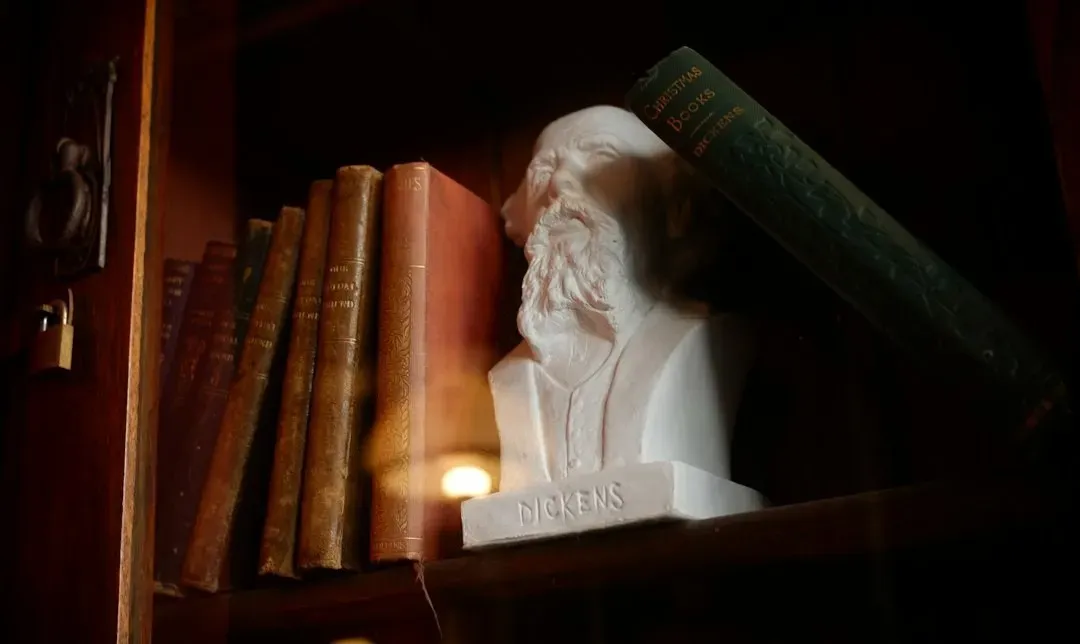
Dickens’s first novel appeared in monthly paper covered parts from March 1836 to November 1837. Each part cost a shilling and ran to thirty two pages, with illustrations. The final installment was a double issue, so the twenty numbers fit into nineteen months.
The book began as a loose series of comic sketches, but it caught on once the character Sam Weller arrived. Sales climbed sharply as the run continued. The format showed Dickens that a story released in pieces could build a devoted audience, and he used it for much of his career.
Vanity Fair by William Makepeace Thackeray

Thackeray’s satire of ambition and social climbing came out in monthly numbers from January 1847 to July 1848. Like Dickens’s early work, it was published in a paper cover with illustrations, and Thackeray drew many of the pictures himself. The final double number brought the run to nineteen installments.
Early sales were modest, then improved as reviews and word of mouth spread. The subtitle, A Novel Without a Hero, appeared in the book. Serial publication gave Becky Sharp room to develop slowly in front of readers, who often argued over her choices between issues.
Madame Bovary by Gustave Flaubert

Flaubert’s novel ran in the Revue de Paris in installments during the autumn of 1856. Editors trimmed passages they feared would offend, and Flaubert objected to the cuts. Even so, the magazine version drew the attention of the authorities.
In early 1857 Flaubert and the magazine’s team were tried for offending public morals. They were acquitted, and the book edition came out that April. The trial boosted the novel’s fame, and it is now often counted among the major works of literary realism.
The Count of Monte Cristo by Alexandre Dumas

Dumas’s revenge epic appeared in the Parisian newspaper Journal des Débats between 1844 and 1846. Newspaper serials in France, called feuilletons, were built to keep subscribers buying the next issue. The story’s twists, disguises and long reveals suit that rhythm well.
Dumas worked with his collaborator Auguste Maquet on the project. The novel was later gathered into a multivolume book edition and has stayed in print ever since. Its length owes a good deal to the demands of the newspaper format, which rewarded plots that could stretch.
Uncle Tom’s Cabin by Harriet Beecher Stowe

Stowe’s antislavery novel began in the abolitionist newspaper The National Era in June 1851. It ran weekly until April 1852. Stowe had expected only a few installments, but the story grew considerably as she wrote.
The book edition appeared in March 1852, before the serial had even finished. It became a major bestseller in the United States and abroad. Its serial origins gave it a wide readership well beyond those who would buy a bound novel.
Great Expectations by Charles Dickens
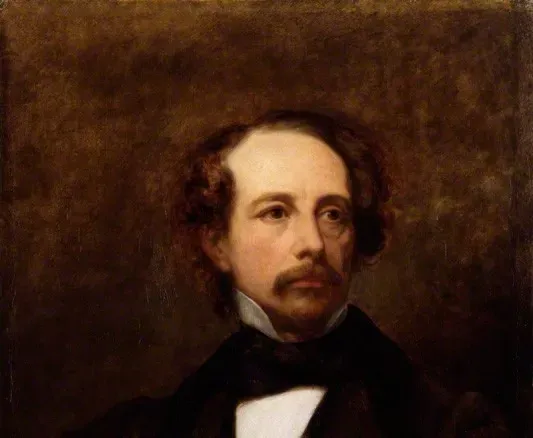
Dickens published this novel weekly in his magazine All the Year Round, from December 1860 to August 1861. Weekly installments were shorter than the old monthly parts, which pushed him toward tight, focused chapters. The result is one of his leanest plots.
The story was reportedly planned partly because sales of the magazine needed a lift. Dickens also changed the ending for the book edition after advice from his friend Edward Bulwer-Lytton. That revised conclusion is the one most readers know today.
Middlemarch by George Eliot

Eliot’s panoramic study of a provincial town came out in eight books, released about every two months from December 1871 to December 1872. This was a middle path between monthly parts and a single three volume release. Each part was a hefty book in its own right.
The format gave readers time to absorb the interwoven stories of Dorothea Brooke, Lydgate and others. The publisher, William Blackwood and Sons, priced the parts at five shillings each. Reviews grew warmer as the series continued, and the novel was later issued in a single set.
Anna Karenina by Leo Tolstoy

Tolstoy’s novel ran in the journal The Russian Messenger from 1875 to 1877. Installments appeared monthly under the editor Mikhail Katkov. Readers followed Anna’s affair and Levin’s search for meaning over a span of years.
Near the end, Tolstoy and Katkov clashed over the political views expressed in the final part. The journal declined to print it in the form Tolstoy wanted, so he published it separately. The complete book appeared in 1878.
Tess of the d’Urbervilles by Thomas Hardy

Hardy’s tragic novel was serialized in the illustrated weekly The Graphic in 1891. Editors found some of the material too frank for a family audience, so Hardy altered or removed parts for the magazine. A key scene was reworked, and another was published elsewhere.
He restored much of the original material for the book edition, which appeared in late 1891. This gave readers two distinct versions of the story. Scholars still compare them to see how Victorian publishing standards shaped what Hardy could say.
The Brothers Karamazov by Fyodor Dostoevsky

Dostoevsky’s final novel appeared in The Russian Messenger from 1879 to 1880. It was released in installments over roughly two years, and the book edition followed in November 1880. The story explores faith, doubt, family conflict and a murder.
Dostoevsky died in January 1881, only a couple of months after the book came out. He had planned a sequel that never appeared. Serialization let readers experience the novel’s heavy philosophical chapters in smaller portions, much as the author wrote them.