Poetry and the novel are often treated as separate countries, each with its own customs and its own passport control. Plenty of writers have crossed that border anyway. Some started with verse and carried its compression into longer stories, and others arrived at poetry only after years of fiction.
The nine writers below are a small sample of that crossover. Each one is known for poems, and each one also published at least one novel that earned serious attention.
Sylvia Plath
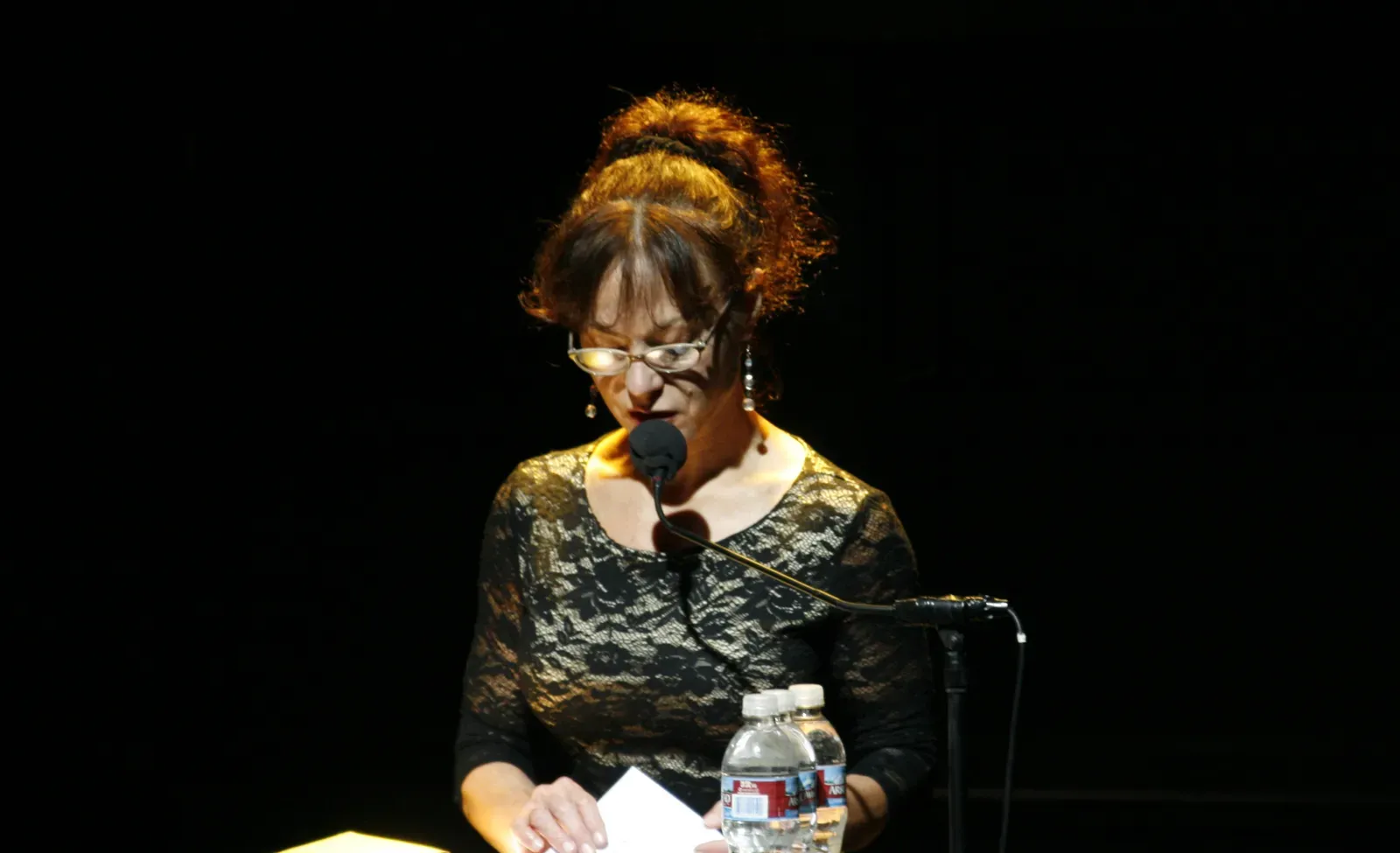
Sylvia Plath is remembered first for poems such as those collected in Ariel, which appeared in 1965 after her death. Her collected poems later won a Pulitzer Prize in 1982. The work has stayed in print and in classrooms for decades.
She also wrote one novel, The Bell Jar. It first appeared in Britain in January 1963 under the pseudonym Victoria Lucas, only weeks before she died in February. The book follows a young woman’s breakdown, drawing on Plath’s own experiences, and it later became a staple of modern reading lists.
Victor Hugo
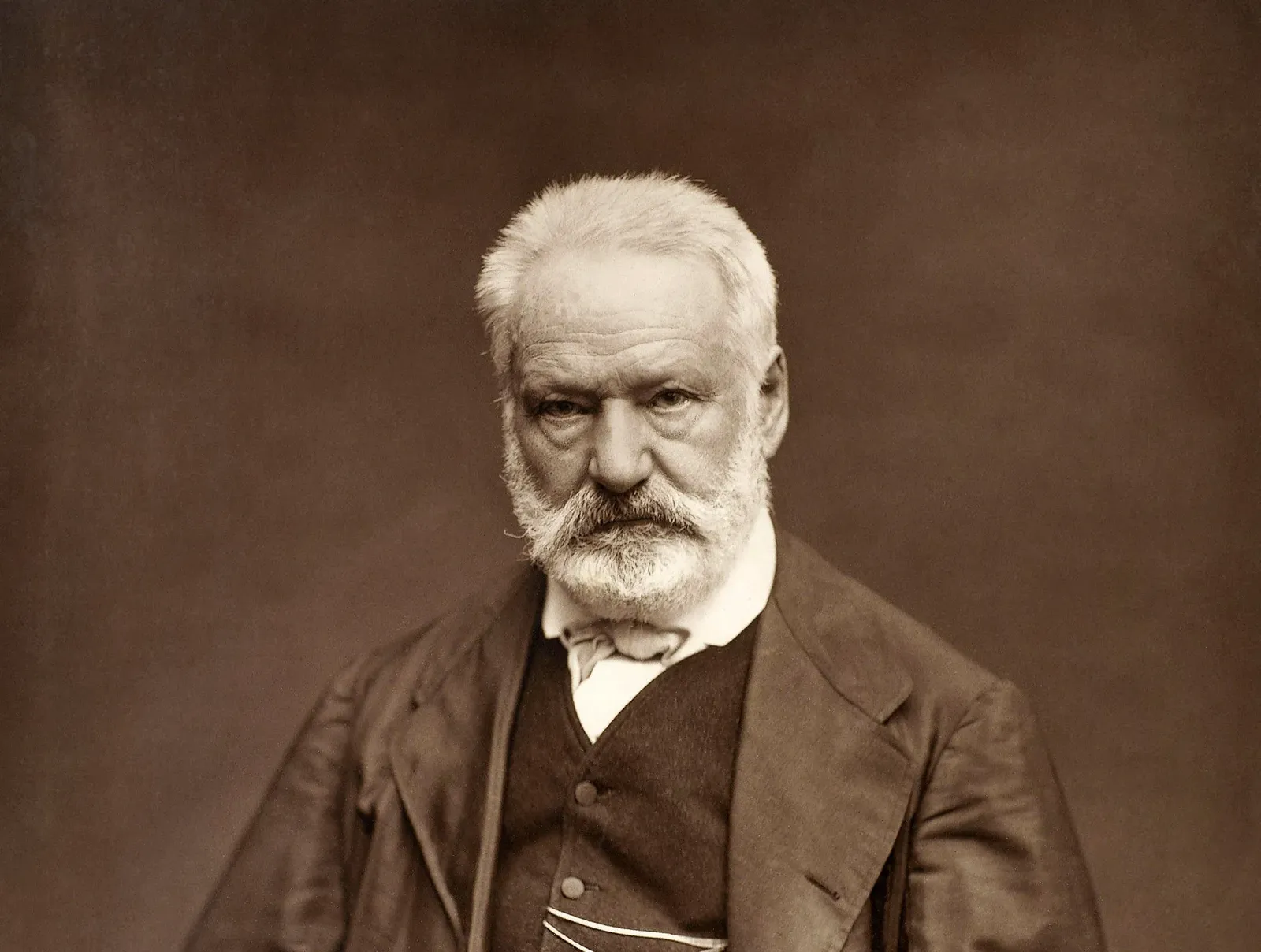
Victor Hugo was a leading figure of French Romanticism, and he began as a poet and playwright. His verse collection Les Contemplations came out in 1856 and is still considered one of the major works of French poetry. Many French readers value his poems as highly as his prose.
His reached an even wider audience. The Hunchback of Notre Dame was published in 1831, and Les Misérables followed in 1862. Both have been adapted again and again for stage and screen, which keeps his name in circulation far beyond literary circles.
Boris Pasternak
Boris Pasternak first made his name as a lyric poet in Russia. His collection My Sister, Life, published in 1922, established him among the leading poets of his generation. For years he worked mainly in verse and translation.
His only novel, Doctor Zhivago, was first published in Italy in 1957 after Soviet authorities blocked it at home. He was awarded the Nobel Prize in Literature in 1958. Under heavy pressure from the Soviet government, he declined the prize.
Margaret Atwood

Many readers know Margaret Atwood as a novelist, yet she began her career with poetry. Her early collection Double Persephone appeared in 1961. She has kept publishing verse ever since, including the collection Dearly in 2020.
Her first novel, The Edible Woman, came out in 1969, and The Handmaid’s Tale followed in 1985. Its sequel, The Testaments, shared the Booker Prize in 2019 with Bernardine Evaristo’s Girl, Woman, Other. Her career shows that the two forms can run side by side for decades.
Michael Ondaatje

Michael Ondaatje was born in Sri Lanka and settled in Canada. He built his early reputation on poetry, and his 1970 book The Collected Works of Billy the Kid mixed verse, prose and found material. That blending of forms became a hallmark of his writing.
His novel The English Patient won the Booker Prize in 1992. In 2018 it was named the Golden Man Booker, chosen as the best of the prize’s winners across its first fifty years. Readers often point to its lyrical, fragmentary style as the mark of a poet writing fiction.
Alice Walker

Alice Walker published her first poetry collection, Once, in 1968. Poetry has remained part of her output through her career, alongside essays and short stories. She has often described writing across forms as natural to her work.
Her novel The Color Purple appeared in 1982 and won the Pulitzer Prize for Fiction the following year. It also won the National Book Award. Walker was the first Black woman to receive the Pulitzer for fiction.
Anne Carson
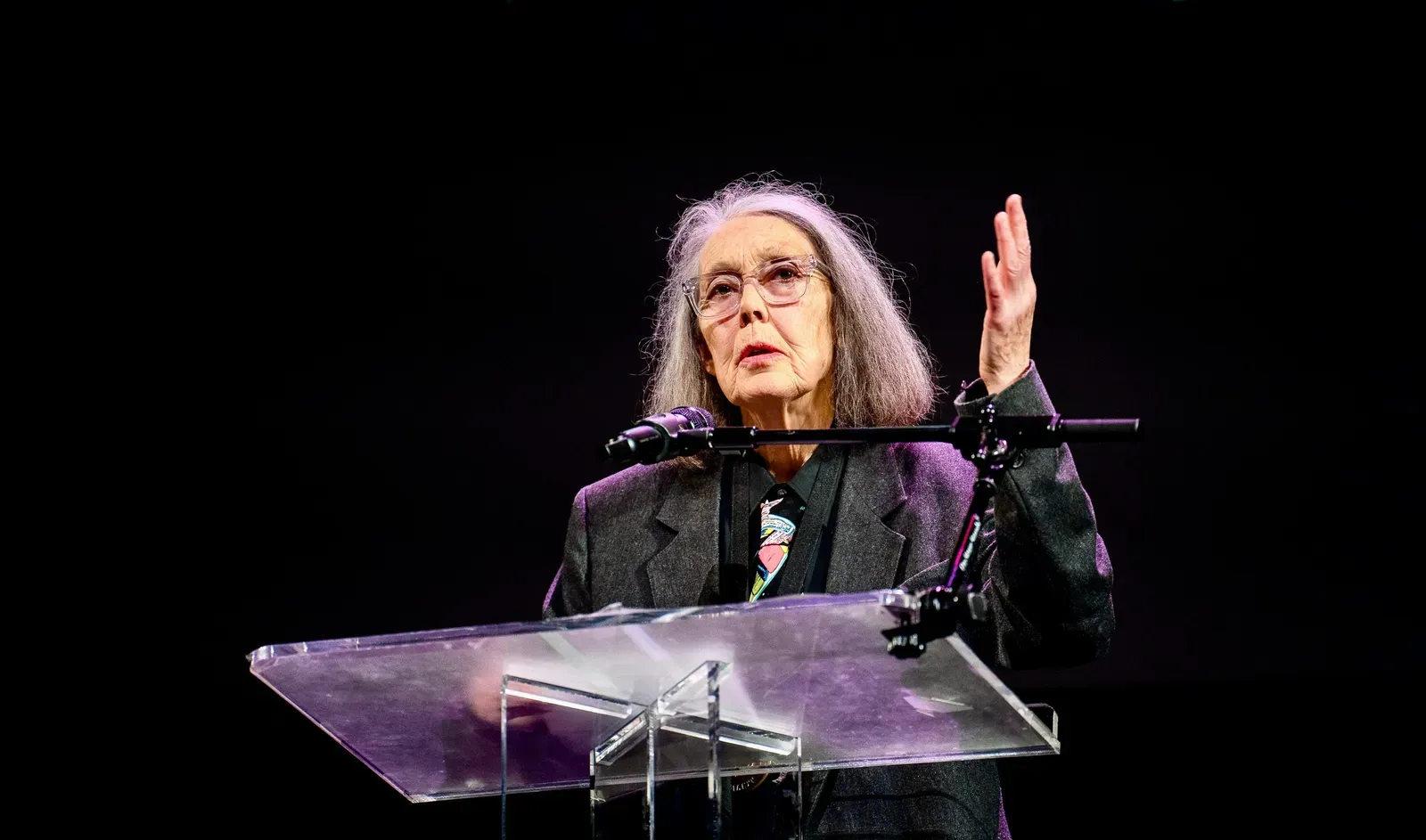
Anne Carson is a Canadian poet and classicist whose work resists easy labels. She is known for essays, translations and poetry that move between ancient and modern material. Her collection The Beauty of the Husband won the T. S. Eliot Prize in 2001.
Her book Autobiography of Red, published in 1998, is described as a novel in verse. It reimagines the myth of Geryon, drawing on the ancient Greek poet Stesichorus. A later book, Red Doc>, revisited the same characters in 2013.
Ocean Vuong

Ocean Vuong made his debut with the poetry collection Night Sky with Exit Wounds in 2016. It won the T. S. Eliot Prize the following year. A second collection, Time Is a Mother, appeared in 2022.
His first novel, On Earth We’re Briefly Gorgeous, came out in 2019 and takes the form of a letter from a son to his mother. A second novel, The Emperor of Gladness, was published in 2025. Critics have often noted the poetic texture of his sentences in both books.
Thomas Hardy

Thomas Hardy took the opposite route from most writers on this list. He spent decades as a celebrated novelist, publishing Far from the Madding Crowd in 1874 and Jude the Obscure in 1895. The hostile reaction to Jude is often cited as one reason he stopped writing .
He then turned fully to poetry, issuing Wessex Poems in 1898. He kept writing verse until his death in 1928, producing several further collections. Many critics now regard his poetry as a major body of work, and some admirers rank it alongside his fiction.