Hollywood has always borrowed from its own past, though the borrowing usually gets louder than it needs to be. Lately it has been quieter. Look closely at how some of the industry’s most bankable names work, and a few practices from the studio era keep turning up.
None of these habits are brand new revivals with a marketing push behind them. They show up in camera choices, casting decisions, career moves and even red carpet dressing. Here are seven of them.
Shooting on Real Film Stock
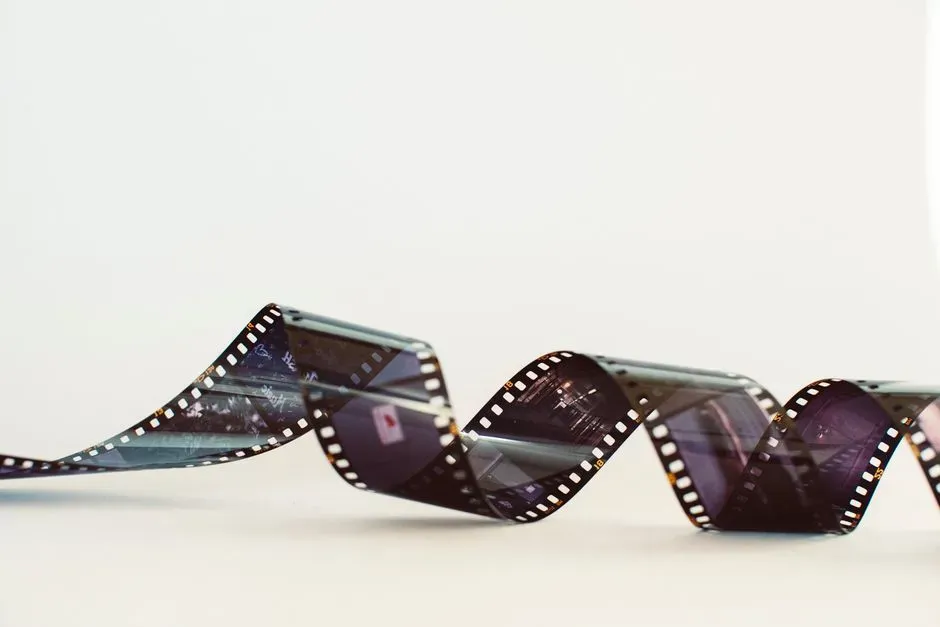
Digital cameras took over the industry years ago, yet some of the biggest directors and stars have kept photochemical film alive. Christopher Nolan’s The Odyssey, with Matt Damon, Tom Holland, Anne Hathaway, Zendaya and Charlize Theron in the cast, was made as a large scale film production with IMAX cameras. The film cast what seems like half of Hollywood.
Other recent projects have gone the same way. The Brutalist, from 2024, was shot in VistaVision, a format that dates to the 1950s. Sinners, from 2025, used Ultra Panavision 70 and IMAX 65mm cameras. For actors, the appeal is partly practical: film tends to slow a set down and make every take count.
Doing Their Own Stunts
In the silent and early sound eras, stars like Buster Keaton and Douglas Fairbanks built their reputations on physical risk. Tom Cruise has carried that tradition into the present, and Mission: Impossible, The Final Reckoning (2025) included aerial work performed on real biplanes. Audiences have noticed, and the pitch of “no digital trickery” has become part of how such films are sold.
The industry is also giving stunt work more formal recognition. The Academy announced in 2025 that it would add an Oscar category for stunt design, starting with films released in 2027 and honored at the 2028 ceremony. Meanwhile, a new action comedy about stunt performers is moving ahead. Chris Hemsworth and Sam Rockwell are teaming up for a film centered on the dangerous world of stunt work.
Bringing Back the Intermission
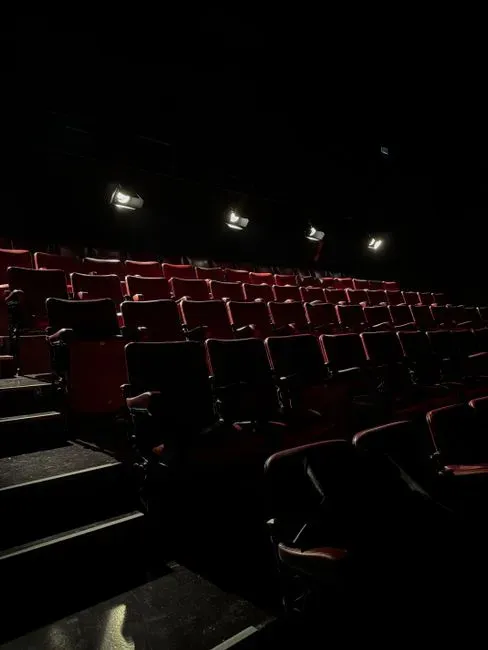
Roadshow screenings of the 1950s and 1960s often came with an overture and a break in the middle. That habit had mostly vanished until The Brutalist, with Adrien Brody, arrived in late 2024 with a built in fifteen minute intermission. The film runs well over three hours, and the pause was part of how it was presented.
It’s a small thing, but it tells you something. Stars and filmmakers are now willing to ask audiences to treat a movie as an event rather than a quick stream. Whether intermissions spread beyond a handful of long releases is still an open question.
Running Their Own Production Companies
United Artists was founded in 1919 by Charlie Chaplin, Mary Pickford, Douglas Fairbanks and D. W. Griffith, so that performers could control their own work. Today’s A list stars follow a similar logic. Margot Robbie’s LuckyChap Entertainment, for example, has produced films she appears in as well as ones she doesn’t.
The trend reaches beyond actors. Soccer star Cristiano Ronaldo is making his debut as a film producer, through a venture with filmmaker Matthew Vaughn. Owning a piece of the project, and shaping which stories get made, is again part of a star’s career plan.
Returning to the Stage
Classic Hollywood stars regularly moved between the theater and the soundstage. Many current names are doing the same. George Clooney made his Broadway debut in 2025, starring in a stage adaptation of Good Night, and Good Luck, which was also broadcast live on CNN.
Live performance offers something a film set can’t, which is immediate feedback from a room full of people. For stars whose images have been carefully managed for years, a stage run can also prove they can carry a show without editing to help.
Singing and Dancing Live

The old studio musicals were built around performers who trained for years in voice and dance. Wicked, released in 2024, leaned on that idea. Ariana Grande and Cynthia Erivo sang on set rather than relying only on studio recordings added afterward.
Recording vocals live is hardly universal, but it has become a selling point for modern movie musicals. It gives performances a rawer, less polished texture, which fits the genre’s roots. Actors in these roles also tend to talk about the extra preparation, from vocal coaching to choreography rehearsals.
Wearing Vintage Glamour on the Red Carpet
The studio system used to have wardrobe departments and favorite designers dress its stars for public appearances. Now stylists often do something similar by pulling pieces from fashion house archives. Wearing a design from decades past signals taste and history at once, and it sets a look apart from the usual new season gowns.
The most talked about example in recent memory was Kim Kardashian wearing Marilyn Monroe’s famous dress to the 2022 Met Gala. It drew criticism from museum and preservation voices, and it’s a reminder that borrowing from the past comes with real stakes. Still, archival dressing has stayed popular, with stars and stylists continuing to mine old collections for award season looks.