Most of us don’t think of a trailer as something that was engineered. It just plays, and a few minutes later we have an opinion about a film we haven’t seen. Yet that short run of images, music and text is assembled with a lot of deliberate choices about timing, structure and sound.
The craft is older than most people realize, and it has shifted with each new way of watching. Here’s how the pieces fit together, and what the available evidence does and doesn’t confirm.
The Two and a Half Minute Rule That Isn’t Quite a Rule

Many sources say the Motion Picture Association caps a standard theatrical trailer at two minutes and thirty seconds. Wikipedia’s trailer entry states that this is the maximum length the MPA allows. Other guides add that studios get one exception per film per year.
Film industry researcher Stephen Follows is more cautious. He says he has struggled to find an official source for the cap. The only time limit he found in the official rules concerns the five seconds a rating card must stay on screen. So the number is widely repeated, but its paper trail is thin.
How Long Trailers Actually Run
Follows tracked down nearly seven thousand trailers from more than four thousand top grossing films made between 1930 and 2025. The average came to 122.8 seconds, a hair over two minutes. That’s where the “two minutes” in the headline comes from.
Trailers haven’t been steadily ballooning, either. Since 2010, lengths have stabilised, with most years sitting just above two minutes. For most of the twentieth century they were actually longer.
A Whole Story in Three Acts
Most trailers use a three part structure, like a full length movie. One editorial breakdown describes it as compressing a full narrative arc into the available seconds. Setup comes first, then complication, then a burst of escalation.
A full trailer has specific jobs to do. It establishes the premise, the main character, the conflict and the stakes. That’s a lot to deliver, which is why every shot has to earn its place.
Winning the Viewer in the First Seconds
One industry analysis calls a trailer a persuasion tool dressed as entertainment. It claims the goal is to convince a viewer, often within the first eight seconds, that the film is for them. Treat that as an editorial rule of thumb, not a measured law of attention.
The logic is still easy to follow. If the opening doesn’t signal genre, tone or a recognizable hook, there’s little reason for someone to keep watching. Editors tend to front load their strongest image or sound for exactly this reason.
Teasers First, Full Trailers Later
Studios rarely release one trailer and stop. A teaser withholds information to create curiosity, typically runs 15 to 90 seconds, and is released six to eighteen months out. Its job is mood and anticipation, not plot.
The full trailer arrives much closer to opening day. It delivers setup and conflict to drive a decision, and is typically released six to twelve weeks ahead. The two formats answer different questions: “should I care?” first, then “should I buy a ticket?”
Sound Does Half the Persuading
Listen to a trailer with the picture off and you’ll notice how much work the audio does. Music is often composed specially for the trailer. That means it’s built to swell, stop and hit on cue rather than follow the film’s own score.
Trailers also often use advanced sound mixing, such as Dolby Digital, to make effects and music hit harder. In a theater, that punch is part of the sell. A sudden silence before a loud cue can be as effective as the cue itself.
Voiceover, Stars and Title Cards
Narration used to be a trailer staple. A voiceover can quickly explain the movie’s idea, which helps audiences follow the plot in so little time. Over time, many trailers shifted toward letting dialogue and text carry the story.
Famous names get used as shorthand too. A trailer might list the main actors if they’re stars who can help sell the movie. Old trailers leaned on grand adjectives, while modern ones usually let a recognizable face and a quick scene do the same job.
The Trailer Before the Trailer
Online release changed the format. Since the mid to late 2010s, many trailers open with a short five to ten second preview, sometimes called a micro teaser. It’s a hook placed ahead of the hook, built for people who might click away.
The audience online is huge. Of some ten billion videos watched online each year, film trailers reportedly rank third, after news and user created video. Web releases also have fewer limits. They can run longer than two and a half minutes and may include red band material not allowed in wider theatrical versions.
Shorter Cuts for Shorter Attention
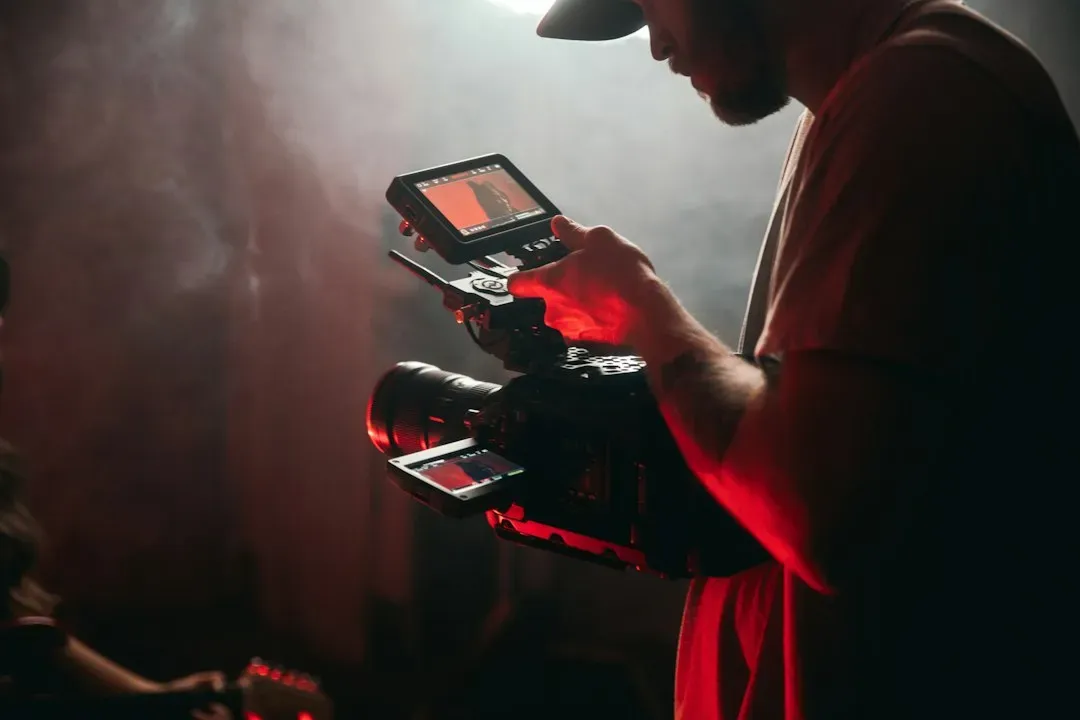
The same footage gets recut again and again. TV spots are short trailers, usually 30 to 60 seconds long. Social cutdowns for platforms like TikTok and Reels run 15 to 30 seconds.
Each cut has to stand alone. A 15 second clip can’t rely on setup, so it usually isolates a single image, joke or jolt. The full trailer, meanwhile, still has the room to build a short arc.
What Fills Those Two Minutes

A typical modern trailer runs just over two minutes, follows a compressed three act shape, and leans on custom music and sharp sound design. It’s often preceded by a teaser months earlier and followed by shorter TV and social cuts. The rule capping it at two and a half minutes is widely cited, though its official source is unclear.
That combination explains how a short film about a film can shape what people choose to see. The length is modest, but every second is planned.