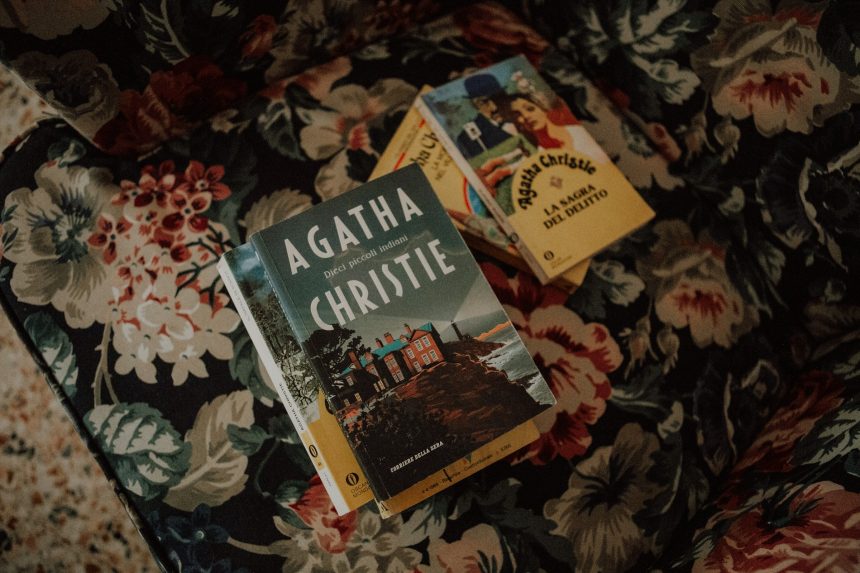
Every bestseller list hides a quieter story underneath it, one made of stamped envelopes, form letters, and long stretches of silence from publishers who said no. The writers on this list eventually became household names, but for years their mailboxes delivered nothing but disappointment. Some kept the evidence pinned to their walls almost as a badge of stubbornness, a reminder that rejection and failure are not always the same thing.
Stephen King and the nail that couldn’t hold the weight
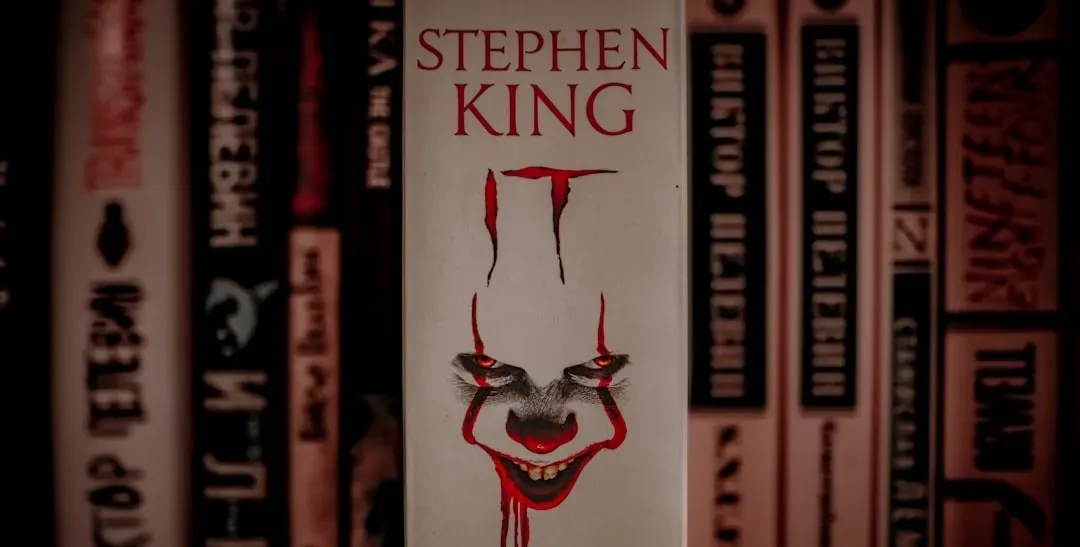
Long before he was one of the best-selling novelists in the world, a teenage Stephen King was already collecting rejection slips on a nail hammered into his bedroom wall. He later wrote in his memoir On Writing that by the time he was fourteen, the nail in his wall would no longer support the weight of the rejection slips impaled upon it. Instead of stopping, he simply upgraded his hardware. He replaced the nail with a spike and kept writing.
The stubbornness paid off decades later when his first published novel found a home. Stephen King was told his debut novel Carrie dealt with negative utopias that did not sell, and the manuscript was rejected by thirty publishers before it finally saw print. Today he has published dozens of books and sold hundreds of millions of copies worldwide, which makes that spike on the wall feel almost like an early prophecy.
Kathryn Stockett and five years of no

Kathryn Stockett spent years trying to find someone willing to represent her debut novel about domestic workers in 1960s Mississippi. The Help took her five years to complete, and the book was rejected by 60 literary agents before agent Susan Ramer agreed to represent Stockett. In a later interview, Stockett herself admitted the official tally she kept was smaller than the real number, since she stopped recording rejections during one particularly discouraging summer.
The persistence turned into one of the biggest publishing stories of its decade. The Help rose to number one on the New York Times bestseller list for over a year after its publication, and as of 2025 it has sold 15 million copies and been published in 39 languages. It is a reminder that the gap between the sixtieth rejection and the first yes can be the entire difference between an unread manuscript and a global bestseller.
Madeleine L’Engle and a manuscript nobody wanted

Madeleine L’Engle’s science fantasy novel about a girl traveling through time and space baffled nearly every editor who read it. A Wrinkle in Time was rejected by 26 publishers, and its author almost quit writing entirely before it was finally published. Many editors felt the book was too strange to categorize, unsure whether it belonged with children’s fiction or adult science fiction.
L’Engle herself later described the anguish of that period in blunt terms. She recalled that you could not name a major publisher who did not reject it, and after running through forty odd publishers, her agent eventually sent the manuscript back and they gave up for a while. The book eventually found its champion in editor John Farrar, went on to win the Newbery Medal, and has remained in print for more than six decades since.
Dr. Seuss and the book that almost never happened
Theodor Geisel, the man the world would come to know as Dr. Seuss, nearly abandoned writing altogether after one particularly rough stretch. His book And to Think That I Saw It on Mulberry Street received 27 rejections from publishers, and he had almost given up on writing altogether when he ran into an editor friend on the street who asked to take a look. That chance encounter changed the direction of children’s literature for the rest of the century.
What makes the story so striking is how thin the margin was between obscurity and a decades-long career. Had that sidewalk meeting never happened, there is a real chance the world would have never gotten The Cat in the Hat, Green Eggs and Ham, or How the Grinch Stole Christmas. Twenty-seven rejections is a long stretch of doubt for any writer to sit with before one lucky conversation changes everything.
Frank Herbert and a science fiction epic nobody understood

Before Dune became one of the most celebrated science fiction novels ever written, it was turned down again and again by publishers who simply did not know what to make of it. Dune collected 23 rejections from publishers, and though it was first serialized in Analog, it was widely rejected by publishing houses until finally accepted by Chilton Books, a company known mostly for their automotive manuals. The idea of a car-manual publisher taking a chance on an ecological space epic sounds almost like a joke, yet it worked.
Once in print, Dune quickly proved every one of those rejecting editors wrong. It won the Hugo and the Nebula, and is often described as the best-selling science fiction novel of all time. Herbert’s dense world of sandworms, spice, and desert politics eventually spawned sequels, films, and a devoted fan base that has only grown with each new generation of readers.
Margaret Mitchell and the Civil War epic publishers dismissed
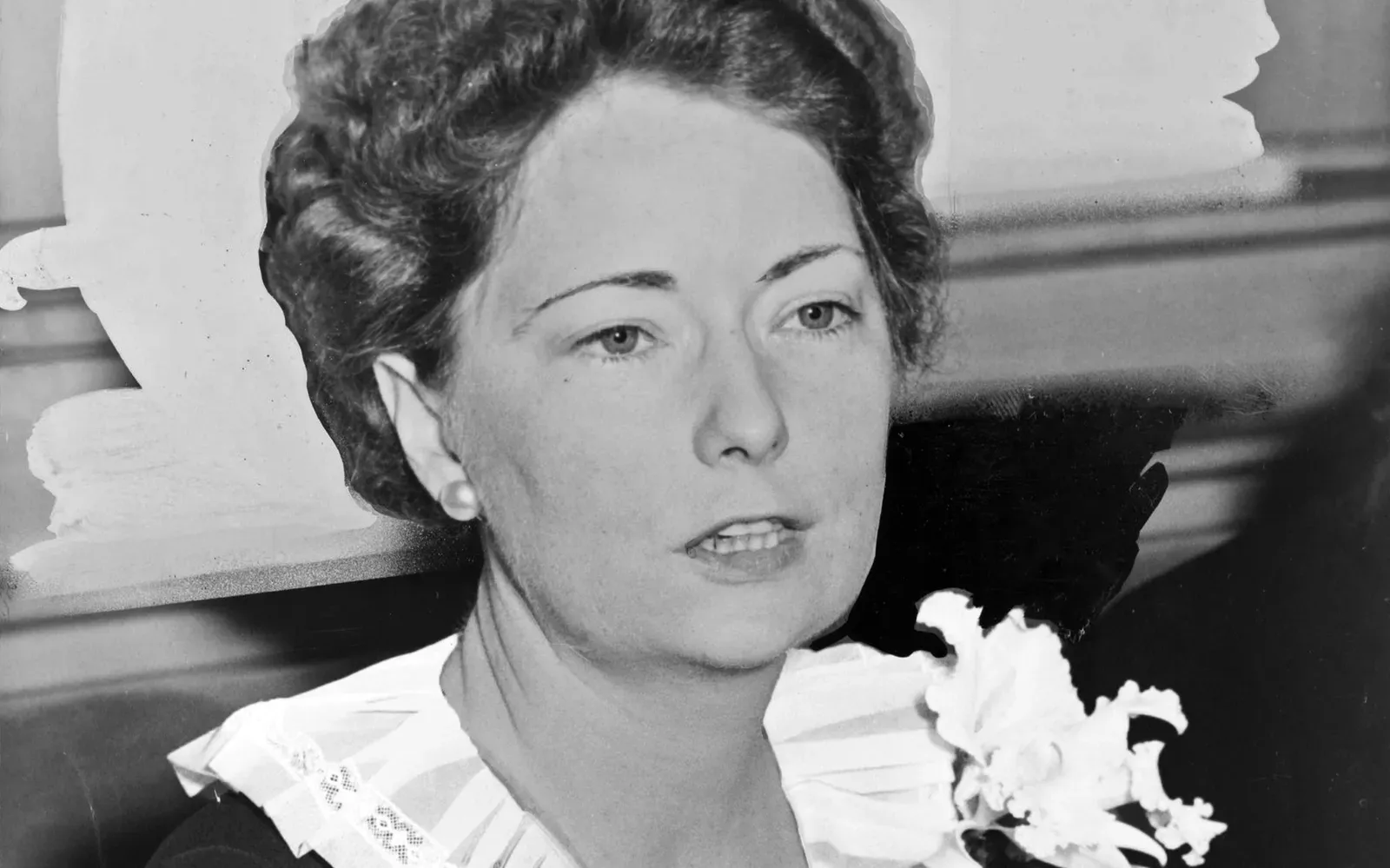
Gone with the Wind is one of the most frequently cited examples of a manuscript getting rejected before it became a cultural phenomenon. The story of Scarlett O’Hara and Rhett Butler, set in the South during the Civil War, was rejected by 38 publishers before it was printed. It is worth noting that some researchers have questioned whether that exact number can be fully verified, since the figure has circulated widely without a clear original source, though the broader pattern of repeated rejection before publication is well documented.
Whatever the precise count, the eventual acceptance by Macmillan changed Mitchell’s life overnight. The novel won the Pulitzer Prize in 1937, sold tens of millions of copies, and became the basis for one of the highest grossing films in Hollywood history. It was also the only novel Mitchell ever published, which makes its rocky road to print even more remarkable in hindsight.
Partner offer
J.K. Rowling and a dozen no’s before the magic began

Before Harry Potter became a global franchise spanning books, films, and theme parks, J.K. Rowling faced a wall of polite refusals from the publishing industry. Harry Potter and the Philosopher’s Stone was initially rejected by 12 publishers before finally finding a home. At the time, Rowling was a single mother writing in cafes, with no guarantee that anyone would ever take a chance on a story about a boy wizard.
Bloomsbury eventually agreed to publish the book, reportedly on the strength of an eight year old reader’s enthusiastic reaction to the first chapter more than any adult editor’s confidence. What followed reshaped children’s publishing entirely, turning Rowling into one of the best selling authors in history and proving that twelve rejections can sit on the other side of an entire cultural phenomenon.
John Grisham and the courtroom drama nobody wanted to try

Before he became synonymous with the legal thriller genre, John Grisham struggled for years to get his first novel noticed. His courtroom drama A Time to Kill was reportedly turned down by around 45 publishers before finding one willing to take it on. Grisham wrote the book while working as a practicing lawyer and state legislator, squeezing in writing time around a demanding day job.
The persistence eventually gave way to one of the most successful careers in modern popular fiction. Grisham went on to publish dozens of novels, many of them adapted into major films, and became one of the most reliably bestselling authors of the past several decades. A Time to Kill itself was later reissued to considerable commercial success once his name carried weight in the marketplace.
Agatha Christie and years of quiet persistence
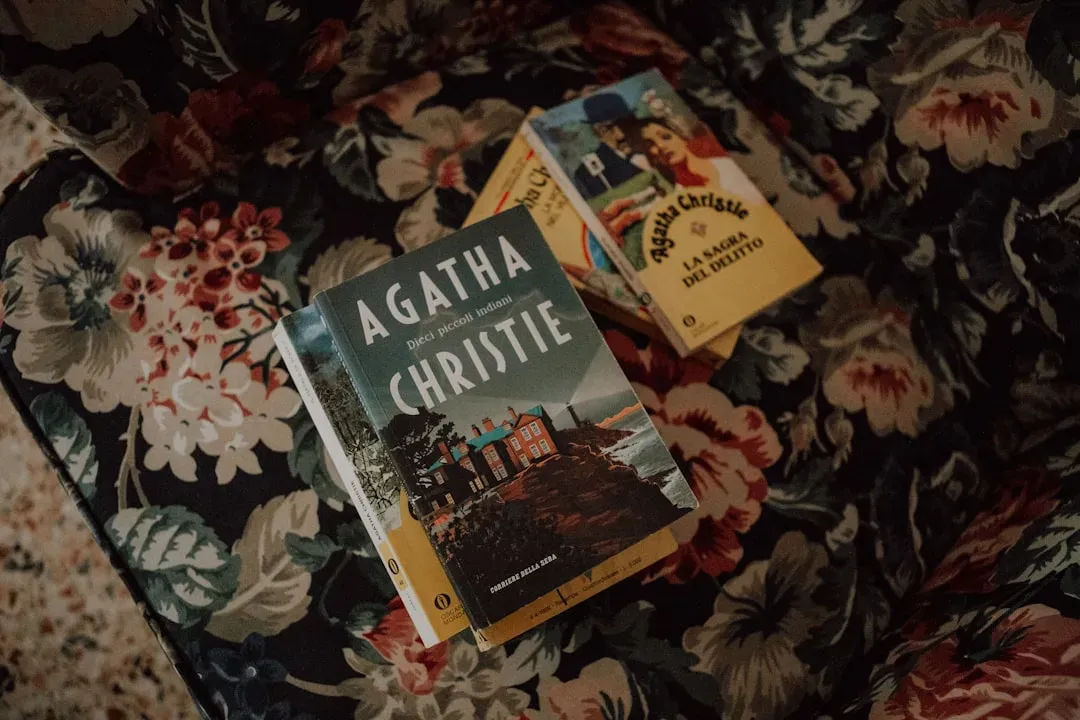
Agatha Christie’s path to becoming the best selling novelist in history was not immediate. Her early manuscripts circulated among publishers for a considerable stretch before The Mysterious Affair at Styles was finally accepted, introducing readers to detective Hercule Poirot. The years of rejection she experienced early on are less precisely documented than some of the other cases on this list, but biographers generally agree that recognition did not come quickly or easily.
Once she broke through, Christie’s output became almost unmatched in scale and consistency. She wrote dozens of novels and plays over her career, and her work remains in print and adapted across film and television to this day. Her slow start stands as a useful counterpoint to the idea that talent is always recognized on the first attempt.
Beatrix Potter and a rabbit nobody wanted to publish

Beatrix Potter’s gentle stories about Peter Rabbit and his animal friends were turned away by multiple publishing houses before she took matters into her own hands. Frustrated by the lack of interest, she initially self-published a small private edition of The Tale of Peter Rabbit to share with friends and family. It was only after that quiet success that a publisher finally agreed to take on the book commercially.
The decision to self-publish first, rather than wait indefinitely for approval, turned out to be a shrewd one. Peter Rabbit went on to become one of the best selling and most enduring children’s books ever written, spawning a wide range of merchandise, adaptations, and sequels. Potter’s willingness to bypass traditional gatekeepers when they failed her is often cited as an early example of an author taking control of her own path to readers.
What the rejection piles actually tell us

Reading through these stories side by side, a pattern becomes obvious. None of these writers were rejected because their work lacked merit in any lasting sense; they were rejected because publishing is a business built on guesswork, timing, and personal taste, and even experienced editors get that guesswork wrong constantly. The gap between a form rejection letter and a Pulitzer Prize or a Newbery Medal often came down to finding the one reader willing to see what everyone else had missed.
These stories tend to get repeated because they are genuinely reassuring, not because they promise that persistence guarantees success. What they do promise is that a stack of rejection letters says very little about the actual quality of the work inside an envelope, and quite a lot about how unpredictable the search for the right reader can be.
Partner offer
Planning a trip to Vegas?
Compare hotel rates and show tickets on VEGAS.com.