There’s a particular kind of ache that comes with reading about a legendary show you missed by decades. You’ve watched the grainy footage, listened to the bootleg recordings, maybe even read the reviews from people who were actually there. Still, none of it quite replaces the feeling of standing in that crowd, in that exact moment, when something unrepeatable happened on a stage. Music history is full of these nights, the ones that get talked about long after the amplifiers went quiet and the crowds went home. Some were planned as spectacles. Others became legendary almost by accident, through bad weather, exhaustion, or sheer nerve. Here are seven performances that still make music lovers wish they owned a time machine.
1. Jimi Hendrix at Woodstock, 1969
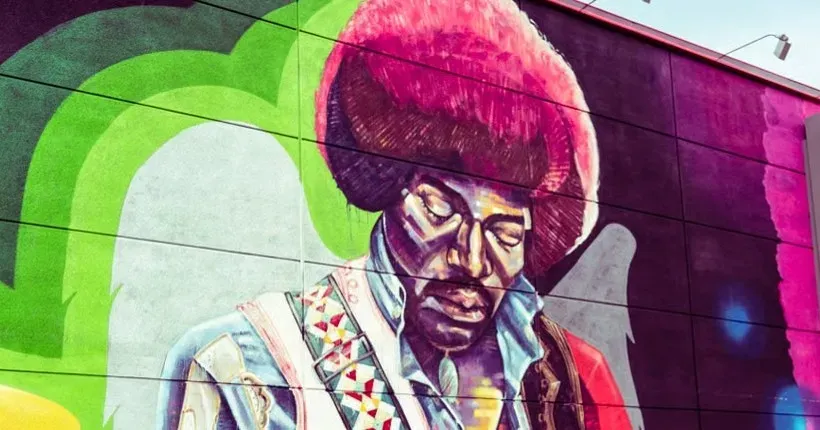
By the time Jimi Hendrix finally took the stage at Woodstock, the festival had already stretched into chaos. He was originally supposed to close the show at midnight on Sunday, but technical and weather delays meant Hendrix eventually took to the stage at 8.30am the following morning. What should have been a triumphant finale became something stranger and more haunting, played to a fraction of the audience that had packed Max Yasgur’s farm at the festival’s peak.
Hendrix’s was the most anticipated Woodstock performance, but by the time he and his newly formed band, Gypsy Sun and Rainbows, started their two hour set at 9 a.m. Monday morning, the half million person audience was down to roughly 40,000. Within that set came his psychedelic, feedback drenched rendition of “The Star Spangled Banner,” a moment that somehow captured the exhaustion and tension of an entire decade in a few minutes of guitar. Anyone who wasn’t there missed watching one of rock’s most mythologized moments happen in real time, played to a muddy field of people who had nowhere left to be.
2. The Beatles at Shea Stadium, 1965
Before Shea Stadium, nobody really knew if a rock band could fill and control a venue that size. On August 15, 1965, The Beatles put on a show that would mark the beginning of true stadium rock concerts, playing to a record crowd of 55,600 at Shea Stadium in Queens, New York. It set the template for every stadium tour that followed, proving that outdoor arena rock shows could actually work as a business and as a spectacle.
The sound system, notably, wasn’t built for anything like this. There were all those people and just a tiny PA system, they couldn’t get a bigger one, they always used to use the house PA. The screaming reportedly drowned out the band almost entirely, meaning most of the audience experienced the concert as pure noise and hysteria rather than actual music. Mick Jagger and Keith Richards were reportedly in the crowd that night, watching a genuine turning point in live music history unfold from the stands.
3. Elvis Presley’s ’68 Comeback Special
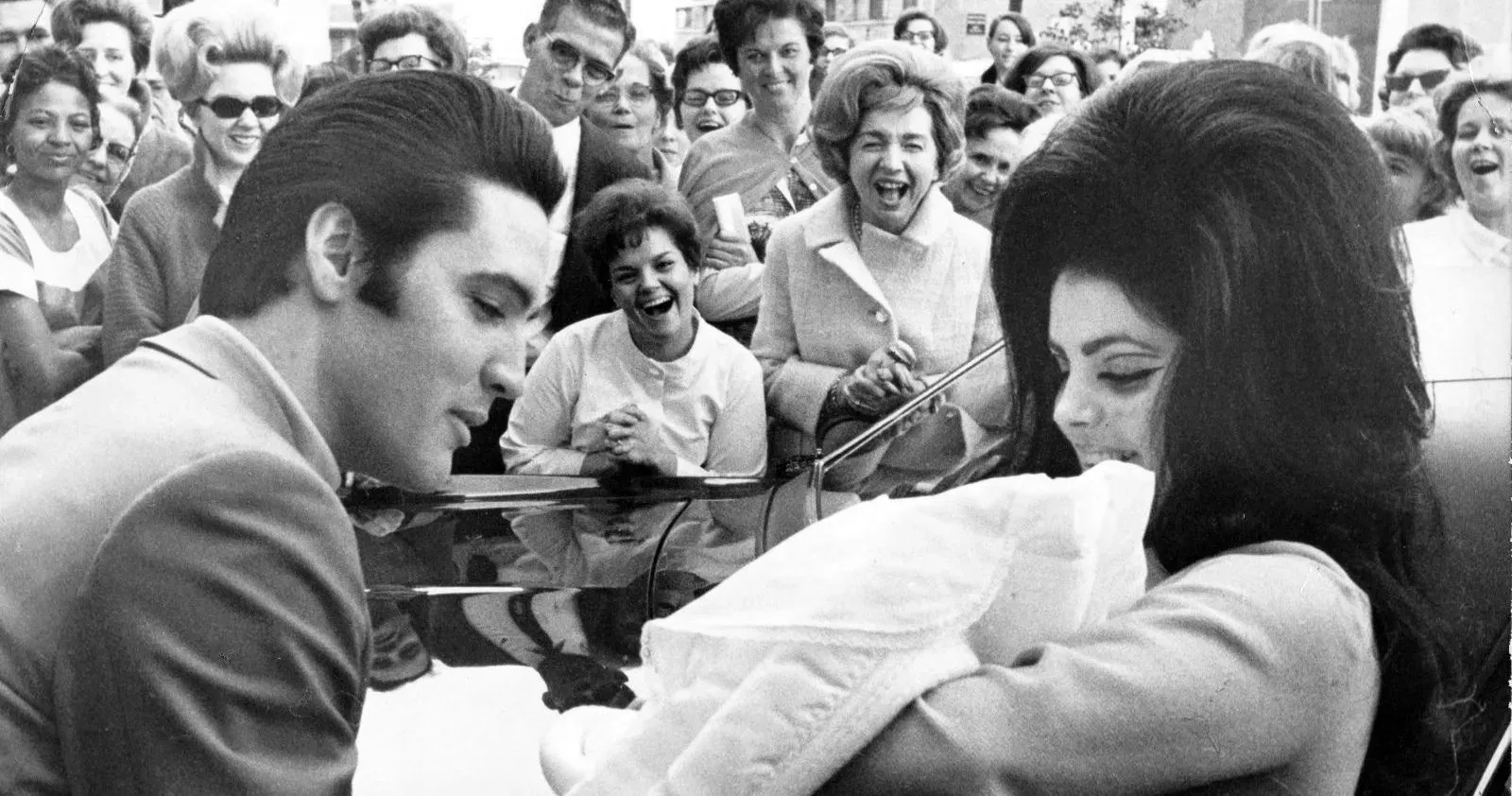
Technically a television broadcast rather than a traditional concert, the ’68 Comeback Special still counts as one of the great live performances anyone could have witnessed, especially the small audience actually present. The result of Presley and director Steve Binder’s collaboration came to be known as the ’68 Comeback Special, a one hour concert program that aired on NBC on December 3. Elvis had spent years buried in mediocre film roles, and this was the moment he reminded everyone what he actually was.
Dressed in black leather, stripped of the Hollywood gloss, he delivered his older hits with a rawness nobody expected. He was dressed head to toe in black leather, and his voice sounded powerful, he wailed “Lawdy Miss Clawdy” and other hits like it was 1956. The tiny “sit down” segment, filmed with an intimate audience gathered close around him, is often cited as one of the great unscripted moments in performance history, and getting a seat in that room would be a story for life.
4. Queen at Live Aid, 1985
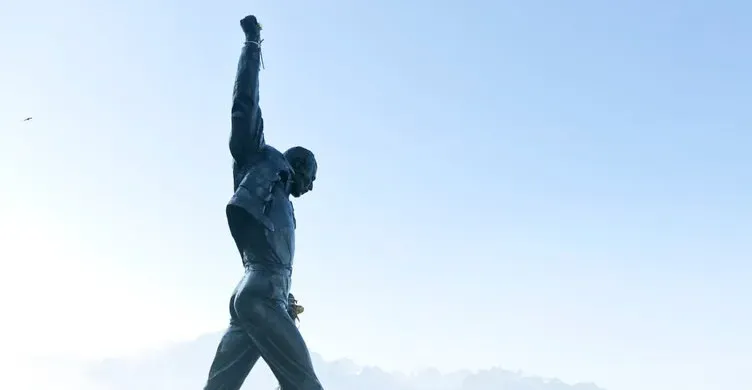
Twenty minutes doesn’t sound like much time to make history, but Queen managed it at Wembley Stadium in the summer of 1985. The British rock band had a 21 minute set at Wembley Stadium during Live Aid on 13 July 1985, which began at 6:41 pm. The band wasn’t even the headliner and had spent the earlier part of the decade losing commercial momentum, which made what happened next even more striking.
Freddie Mercury turned the enormous stadium crowd into a single, responsive instrument. The next few moments were remarkable, as Mercury led the 72,000 spectators in some spine tingling vocal improvisation, as they sang along to “ay oh,” his final vocal dubbed “the note heard around the world”. It’s widely regarded as one of the greatest live performances ever filmed, and being one of the roughly seventy two thousand people physically present, rather than one of the estimated one and a half billion watching on television, remains a pretty enviable claim.
5. Bob Marley at the One Love Peace Concert, 1978
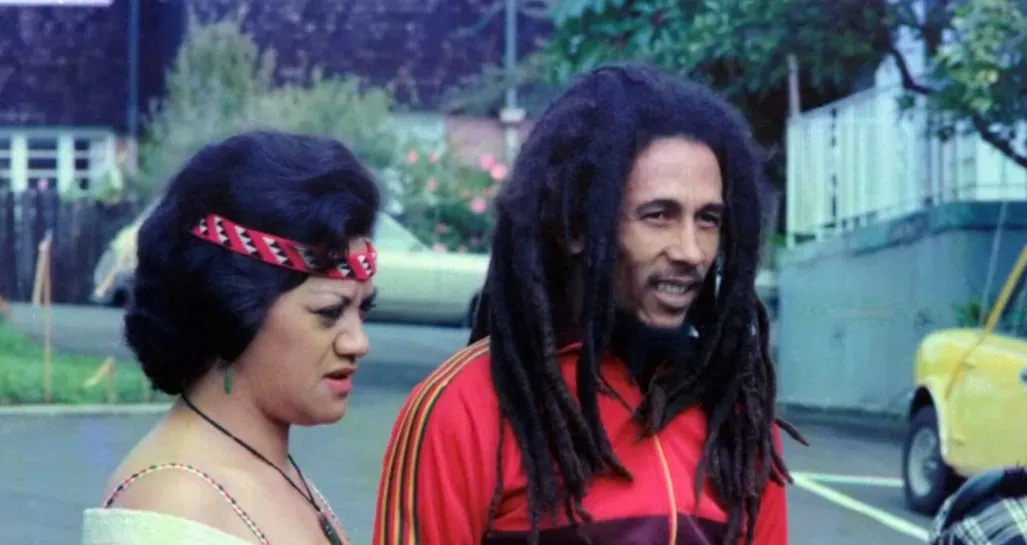
Jamaica in the late 1970s was gripped by violent political conflict between rival parties, and Bob Marley had already survived an assassination attempt tied to that unrest. When he agreed to perform at the One Love Peace Concert in Kingston, the stakes were higher than almost any other show on this list. Music here wasn’t just entertainment; it was an attempt to physically pull two warring political leaders together on a public stage.
Marley famously brought Prime Minister Michael Manley and opposition leader Edward Seaga onto the stage together during his performance of “Jamming,” clasping their hands above his head as a gesture toward peace. Whether or not it changed the country’s politics in any lasting way is still debated by historians, but as a piece of live theater fused with genuine political risk, it’s hard to top. Anyone in that Kingston crowd witnessed a concert that was also, unmistakably, a piece of national history.
6. Michael Jackson’s Moonwalk Debut at Motown 25, 1983
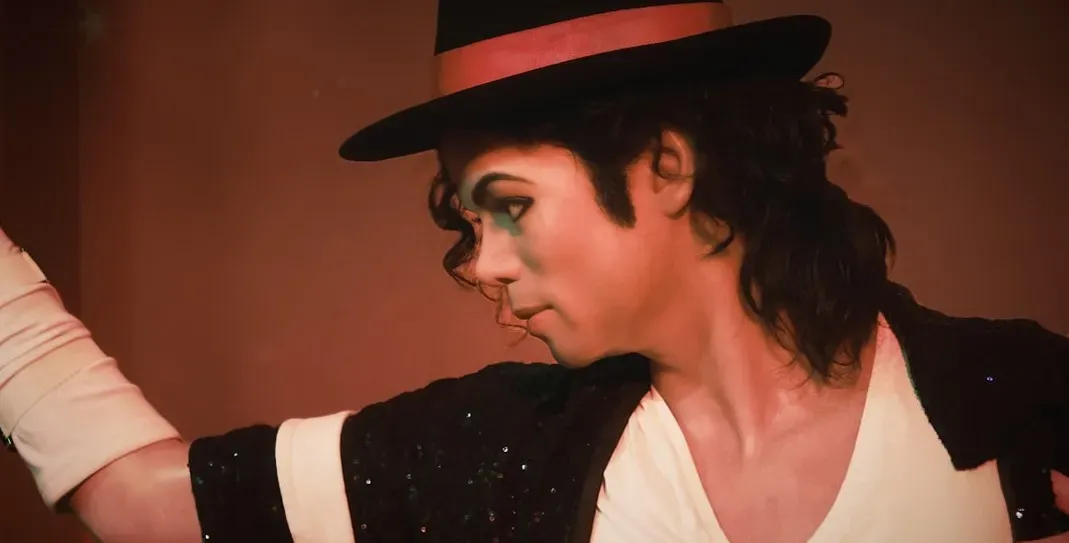
Some performances change how an artist is perceived almost overnight, and Michael Jackson’s appearance at the Motown 25th anniversary special did exactly that. Performing “Billie Jean” in a single sequined glove, Jackson debuted the moonwalk to a television audience of tens of millions, though the actual studio audience present that night got to see the birth of a signature move that would define an era of pop culture.
What made the moment land so hard was the contrast with everything that came before it in the broadcast, a nostalgic, largely conventional celebration of Motown’s legacy. Jackson’s five minutes flipped the entire tone of the evening and effectively launched the most commercially dominant phase of his solo career. Being in that studio audience meant watching pop history pivot in real time, long before anyone in the room fully understood what they’d just seen.
7. Nirvana’s MTV Unplugged, 1993
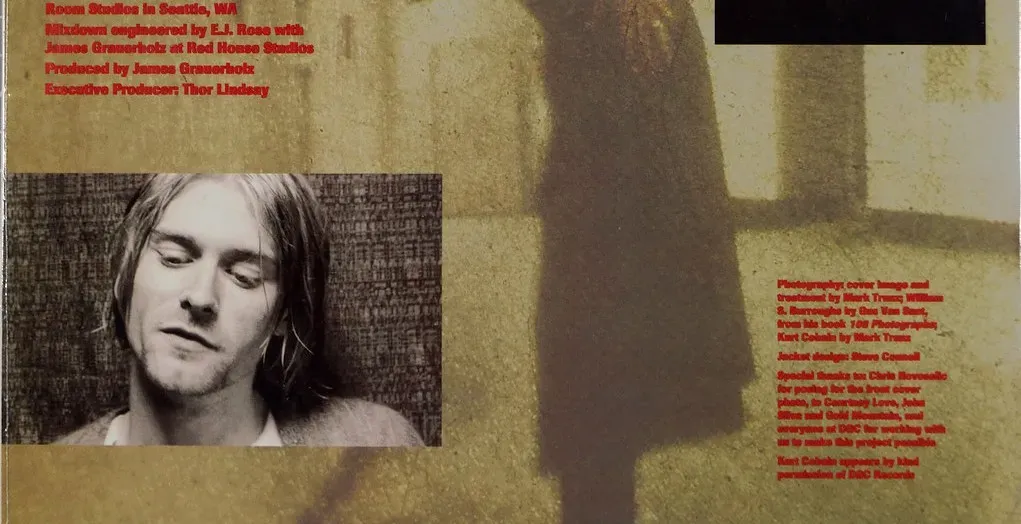
Nirvana’s MTV Unplugged taping in New York wasn’t a typical rock show by any measure. The band stripped their sound down to acoustic instruments, covered songs by Leadbelly and the Vaselines, and brought out cellist Lori Goldston, creating something quieter and stranger than fans expected from a group known for loud, distorted guitars.
The performance is now remembered as unusually raw and, in hindsight, almost unbearably poignant, given that Kurt Cobain would die by suicide less than six months later. The small studio audience that night watched a band deliberately dismantle its own reputation for volume and aggression, replacing it with something closer to folk music. For anyone who loves Nirvana, this is the recording that feels less like a performance and more like a confession, and being physically present for it would carry a weight that recordings alone can’t fully deliver.
There’s no way to actually attend any of these shows now, and most of what remains comes down to footage, photographs, and secondhand accounts pieced together over decades. Still, that’s part of why they hold up. Each one captured something that couldn’t have been planned or repeated, whether it was a sound system failing, a political gamble paying off, or a musician deciding to be quieter than anyone expected. The recordings survive, but the specific charge of being there, feeling the crowd react in real time, is the part no archive can fully hand back.