Somewhere between a Las Vegas poker table and a sci-fi headset, a new kind of casino is taking shape. Virtual reality has been hovering at the edge of the gambling industry for years, discussed in boardrooms and technology conferences but slow to hit the mainstream floor. That may finally be changing.
The numbers behind the broader VR gaming market are genuinely striking, and the casino sector is watching closely. Whether this technology reshapes gambling as we know it, or remains a premium niche, depends on hardware costs, regulation, player appetite, and the pace of tech adoption. All of those forces are moving at once right now.
The VR Gaming Market Is Growing Fast
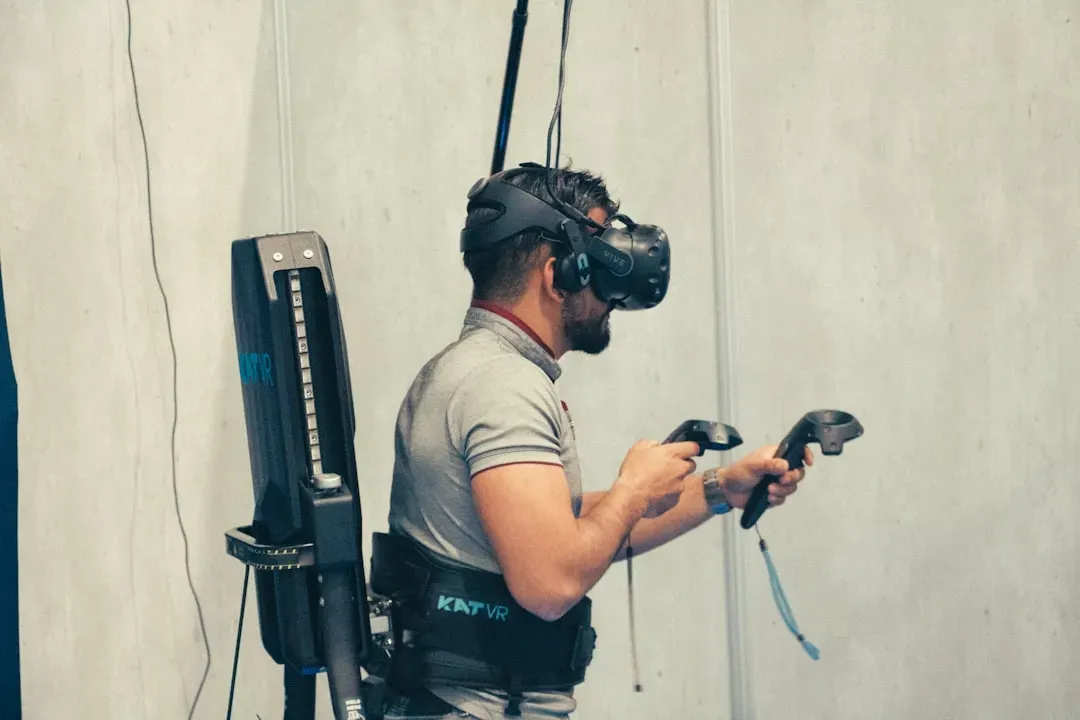
The global VR gaming market was valued at over $32 billion in 2024 and is projected to reach nearly $110 billion by 2030, growing at a compound annual rate of 21.6%. The rising demand for immersive gaming experiences and advancements in VR hardware, including improved headsets and controllers, are driving that growth. These are not marginal figures. They represent a structural shift in how consumers interact with digital entertainment.
The global VR gaming market size was valued at $38.77 billion in 2024, with an estimation of $50.71 billion in 2025, and is predicted to reach $194.17 billion by 2030 with a CAGR of 30.8%. Different research firms offer different estimates, but across all of them, the direction is the same. The sector is expanding, and it’s doing so quickly.
The VR Gambling Market Specifically: Still Small, But Climbing Steeply

The VR gambling market specifically was estimated at just $0.049 billion in 2024. Still, it is projected to grow from $0.067 billion in 2025 to $1.35 billion by 2035, exhibiting a compound annual growth rate of 35.11% over that period. Compared to the broader gambling industry, this is still a sliver. But growth rates that steep tend to attract serious investment attention.
According to separate analysis by Research and Markets, the VR gambling market grew from $2.18 billion in 2023 to $2.66 billion in 2024, and is expected to continue growing at a CAGR of 22.94%, reaching $9.29 billion by 2030. Estimates vary across firms depending on how VR gambling is defined, but the trajectory is consistently upward across all projections.
The Online Gambling Backdrop: A Massive and Expanding Industry

The global gambling market stood at $546.85 billion in 2024 and expanded to $574.55 billion in 2025, growing at a CAGR of 5.1%. That larger context matters. VR gambling is trying to carve a position inside a multi-hundred-billion-dollar ecosystem that is already comfortable and profitable using conventional technology.
The market is expected to reach $693.51 billion by 2029, with key trends including investments in augmented and virtual reality gambling games, the introduction of live casinos, and expansion in mobile and cryptocurrency-based gambling services. VR is part of a broader innovation wave, not a standalone revolution operating in isolation.
What a VR Casino Actually Looks Like

SlotsMillion is recognized as the world’s first 3D virtual reality casino, specializing in VR slots. With over 40 VR casino games on offer, it provides players with an immersive environment where stunning graphics and realistic gameplay transport users into a virtual casino setting. It was an early proof of concept, and it still operates as a reference point for what the format can achieve.
Leading VR casino platforms include Vegas Infinite, formerly known as PokerStars VR, which offers a social casino experience with poker, VR slots, and table games in immersive virtual environments. New hardware like haptic feedback gloves and VR controllers allow players to physically interact with games, making actions like handling chips or cards feel surprisingly real. That physical quality is the clearest distinguishing feature between VR gambling and everything that came before it.
Hardware: The Progress and the Price Tag
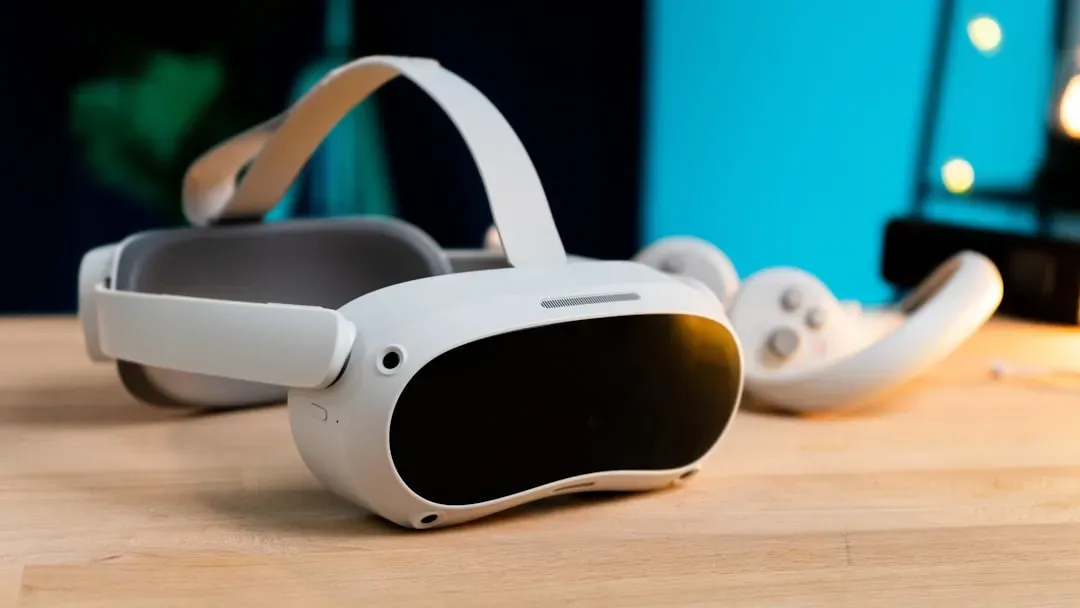
IDC data shows that quarterly sales of virtual reality headsets fell by 67.4% year-on-year in 2024, and that was after Apple and Meta briefly thrilled the market with high-profile launches of new and improved headsets. Progress in capability has not yet translated into mass adoption. Consumer enthusiasm is real, but it remains unevenly distributed.
On the cost side, Apple Vision Pros start at $3,500, while an entry-level Meta Quest 3 costs at least $500, with the Pro version running $1,200. An average headset can still cost as much as an entry-level laptop, and many households lack computers capable of running advanced graphics, which keeps the potential audience relatively small for now. Until prices fall significantly, the addressable market for VR gambling stays limited.
Partner offer
The Social Dimension: Why It Changes the Game
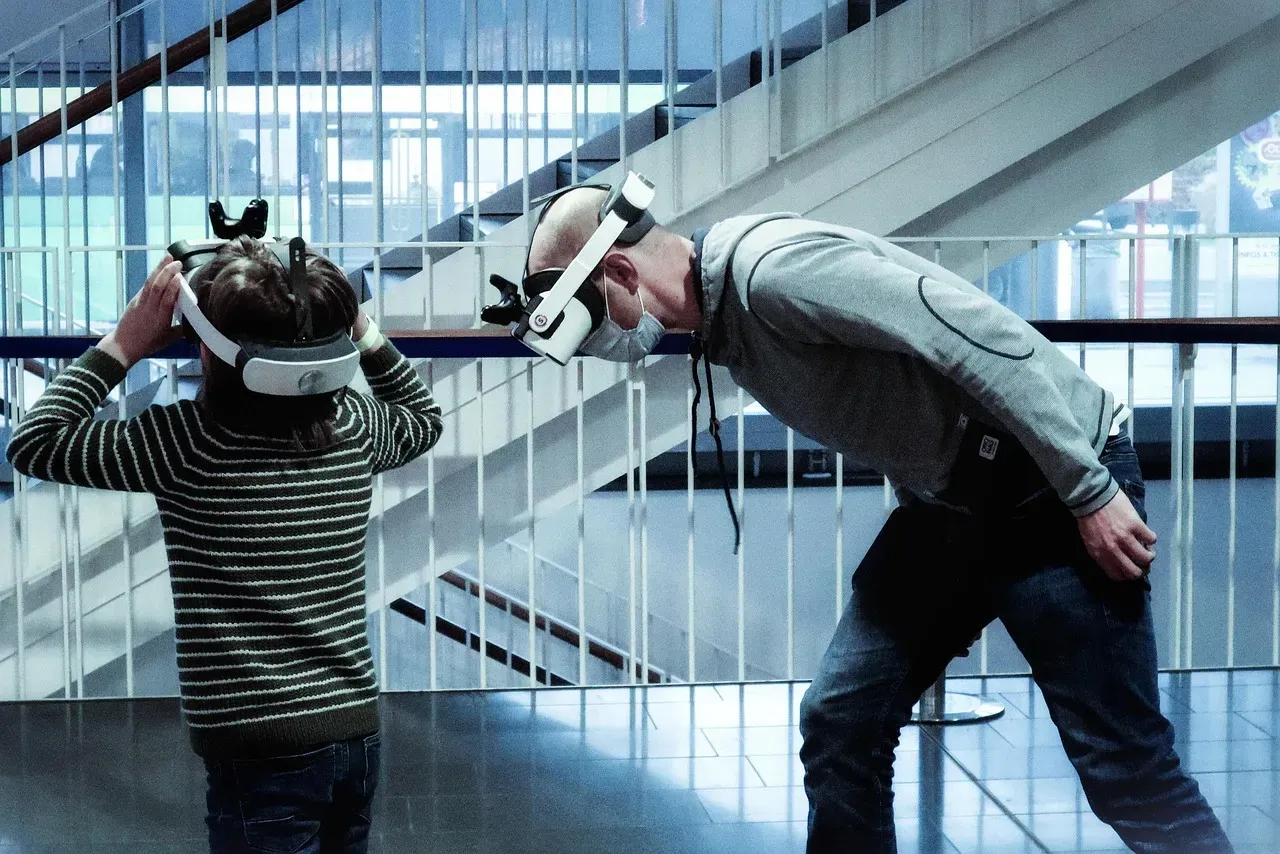
From the player’s perspective, VR introduces a new level of social immersion. Multiplayer environments enable multiple users to join the same virtual space, converse via voice chat, and observe each other’s reactions. This social component is vital in replicating the communal atmosphere of real-world casinos, which has historically been difficult to achieve online.
Social interaction in VR casinos reportedly leads to a 40% higher player retention rate after the first month, according to early platform data. VR technology allows for the creation of new, engaging gambling experiences beyond traditional slot machines and table games, with developers able to introduce skill-based elements, interactive storylines, and multiplayer social gambling features. The social layer is arguably VR gambling’s strongest selling point over flat-screen alternatives.
AI, 5G, and the Tech Stack Beneath VR Gambling

The VR gaming industry is propelled by ongoing improvements in headsets and related technology, including wireless networking, enhanced motion detection, and high-definition screens. Artificial intelligence, cloud computing, and 5G networks work together to improve gaming and lower latency. These are enabling conditions, not optional extras. Without them, the experience degrades noticeably.
In September 2025, NVIDIA and Deutsche Telekom expanded GeForce NOW to deliver 4K-per-eye VR streaming over 5G with latency in the range of 45 to 60 milliseconds in German metro areas. That kind of latency begins to make cloud-based VR gambling viable without requiring every player to own a powerful local machine. It’s a meaningful step forward for accessibility.
The Regulatory Landscape: Unfinished and Complicated
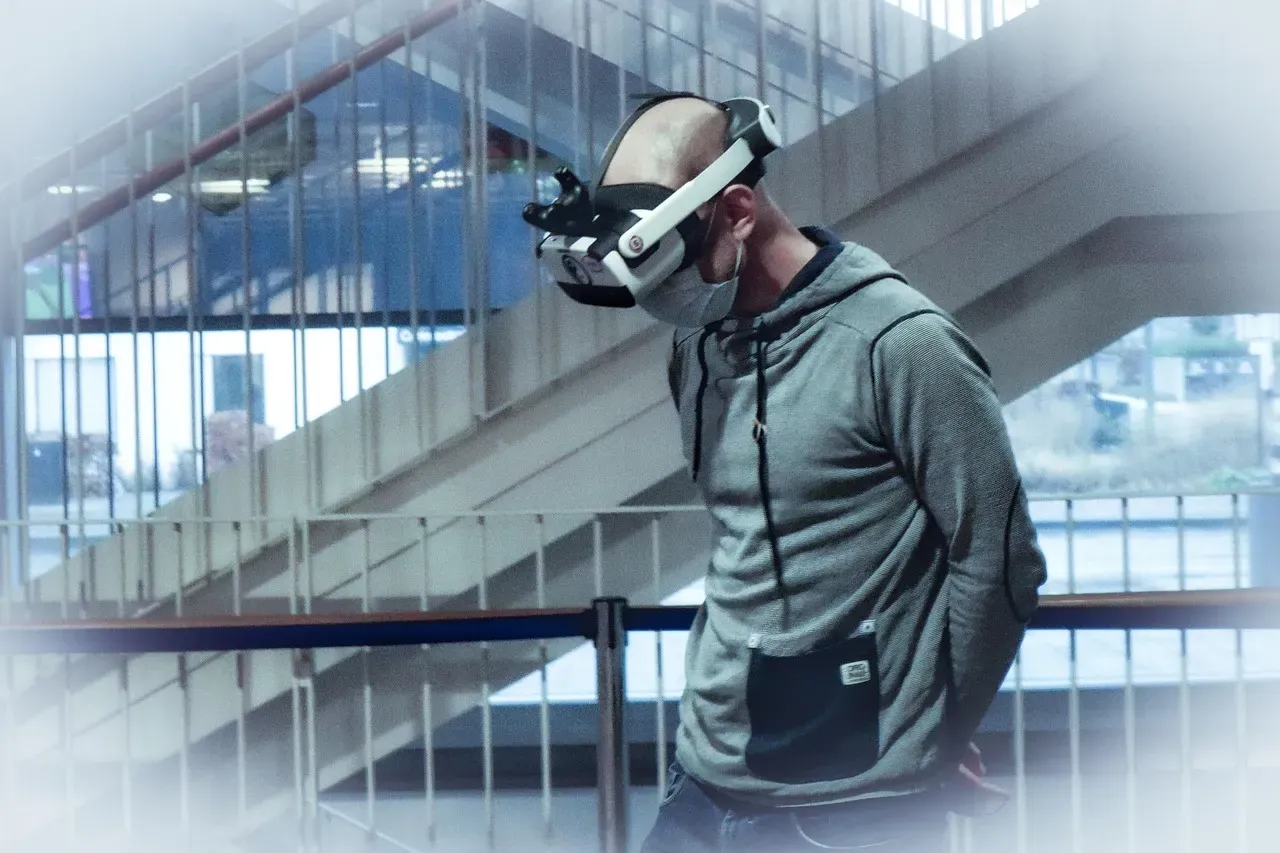
Regulators face new challenges in overseeing VR casinos and blockchain gambling, and will need to develop new frameworks to address issues of fairness, addiction prevention, and cross-border gambling in virtual environments. Current licensing frameworks were built around random number generators and payment methods, not full-body immersive environments. The gap between technology and regulation is still wide.
The 2025 crackdown on sweepstakes and social casinos marked a turning point for online gambling regulation in the United States, with states like New York, Connecticut, and New Jersey eliminating the legal grey area where operators once thrived. VR gambling sits in an even murkier legal space than social casinos in many jurisdictions. Most regulatory bodies are actively developing guidelines for virtual reality gambling environments, but consensus on best practices remains elusive.
Responsible Gambling Challenges in a VR World

VR has shown promise for longer sessions and more social realism, but it also requires costly hardware and presents usability issues, while presenting new challenges around balancing innovation with human oversight. Longer, more immersive sessions are a feature from a business perspective. They are also a concern from a harm-reduction standpoint. That tension has not been resolved.
In 2025, responsible gambling regulations across Europe continue to evolve, with common tools such as exclusion registers, deposit limits, behavioural monitoring, and data reporting increasingly being introduced, though their implementation and scope depend on national legislation. Whether these frameworks will extend naturally into VR environments, or require entirely new approaches, remains one of the industry’s open questions in 2026.
What Comes Next: A Realistic Outlook

Analysts predict that by 2026, over a quarter of new casino game releases will have a native VR or augmented reality component. Whether that prediction holds, the direction of travel is clear. Fast forward to 2025, and the VR landscape barely resembles the experimental days of early VR casinos, with rapid hardware advances making the technology broadly more accessible to everyday consumers in terms of both affordability and usability.
Casinos may soon offer hybrid experiences, where a physical casino is enhanced with VR elements, with a player sitting at a physical poker table while wearing VR glasses that project a digital interface over it, merging real and virtual worlds in real time. The future may not be a complete replacement of the traditional casino floor. It may be a layered extension of it, where physical and virtual coexist rather than compete.
VR gambling is not a sure bet. The hardware cost problem is real, regulation is lagging behind technology, and mainstream consumer uptake of headsets has been inconsistent. Yet the underlying market forces, including sustained investment, rapid hardware improvement, and a clear appetite among younger players for immersive digital entertainment, all point toward meaningful growth. The casino floor has always adapted to technology. Whether it fully embraces VR or absorbs it in smaller doses, that adaptation is already underway.
Partner offer
Planning a trip to Vegas?
Compare hotel rates and show tickets on VEGAS.com.