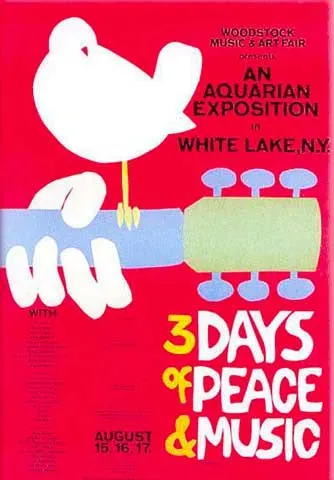
Woodstock is remembered as a lineup of legends, from Jimi Hendrix to Janis Joplin to The Who. Yet the poster that went up in the summer of 1969 could have looked very different. Several of the biggest names in rock were asked to play and said no, or never made it onto the bill.
Their reasons were mostly ordinary ones, such as scheduling, money, family obligations and plain doubt. The festival ran from August 15 to 18, 1969, on a farm in Bethel, New York. Nobody could have known beforehand that it would become the defining event of a generation.
Led Zeppelin and the Case for Headlining Alone
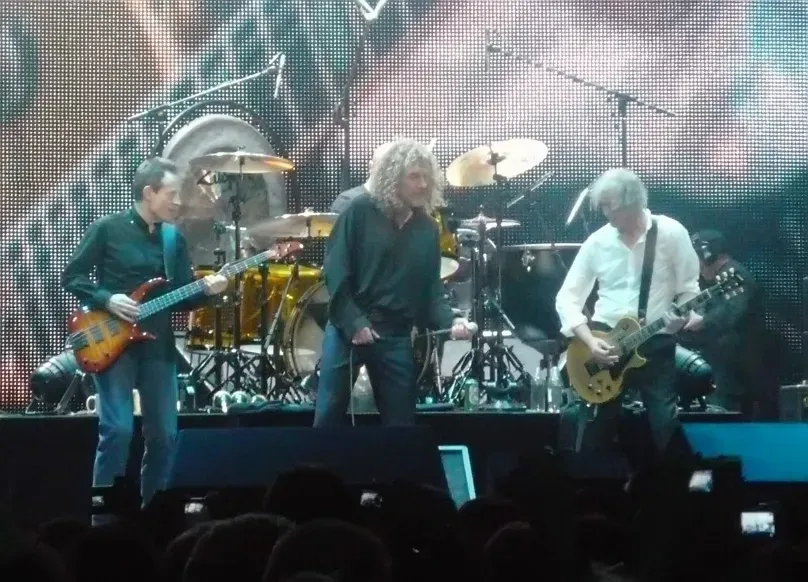
Led Zeppelin had barely been a band for a year, and they were already building a reputation in America through long, loud club and theater tours. Their manager, Peter Grant, reportedly had little interest in putting them on a multi act bill where they would be one name among dozens. His strategy was to make the band the main event wherever they played.
That approach made commercial sense in 1969. Zeppelin’s first album was climbing the American charts, and they were being paid well for their own shows. A festival slot in a farm field offered less control over the sound, the schedule and the money.
The Doors and a Decision They Came to Regret
The Doors were one of the most talked about American bands of the late 1960s, so their absence from Woodstock stands out. Guitarist Robby Krieger has said in interviews over the years that the band passed on the festival and later wished they hadn’t. At the time, it didn’t look like a must do appearance.
The group was also in a turbulent stretch. Jim Morrison was dealing with legal trouble stemming from a 1969 Miami concert, and the band’s touring plans were affected. Woodstock simply didn’t fit neatly into that picture.
Bob Dylan Stayed Close to Home
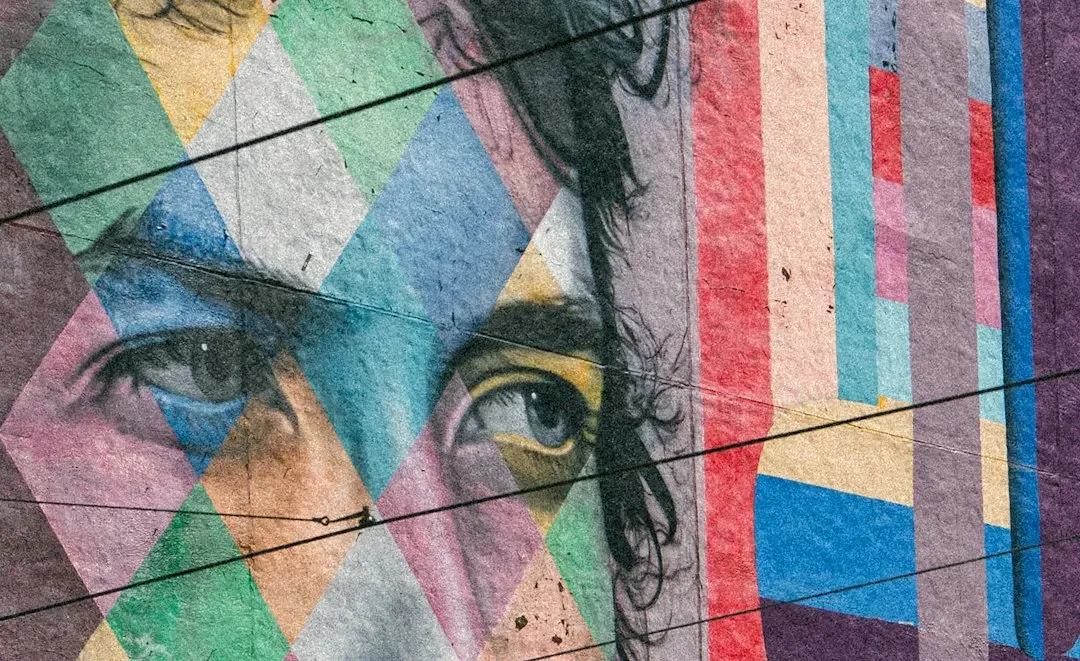
The festival’s name led many people to assume Bob Dylan would be involved, since he had lived in the town of Woodstock for years. The actual site was roughly sixty miles away in Bethel, and Dylan wasn’t interested in playing it. He was reportedly more concerned with his family, and his children were not in good health that summer.
Instead, Dylan headed overseas. He performed at the Isle of Wight Festival in England on August 31, 1969, only a couple of weeks after Woodstock ended. It was his first major concert appearance in years.
Joni Mitchell Missed It but Wrote the Anthem
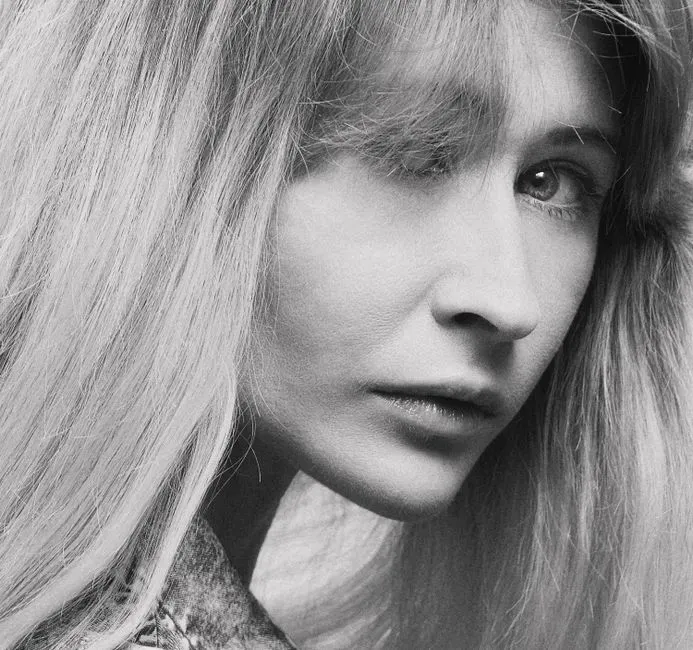
Joni Mitchell was booked to appear, but her management advised her to skip it. The reason was a scheduled television slot on The Dick Cavett Show that would have been awkward to reach after a traffic jammed weekend. She followed that advice and stayed in New York.
Partner offer
She watched the events through the stories of friends, including Graham Nash, who had been there. From those accounts she wrote the song “Woodstock,” a piece that went on to be recorded by Crosby, Stills, Nash and Young and became closely tied to the festival’s legend. Few artists have shaped the memory of an event they never attended so strongly.
The Beatles and the Plastic Ono Band Idea
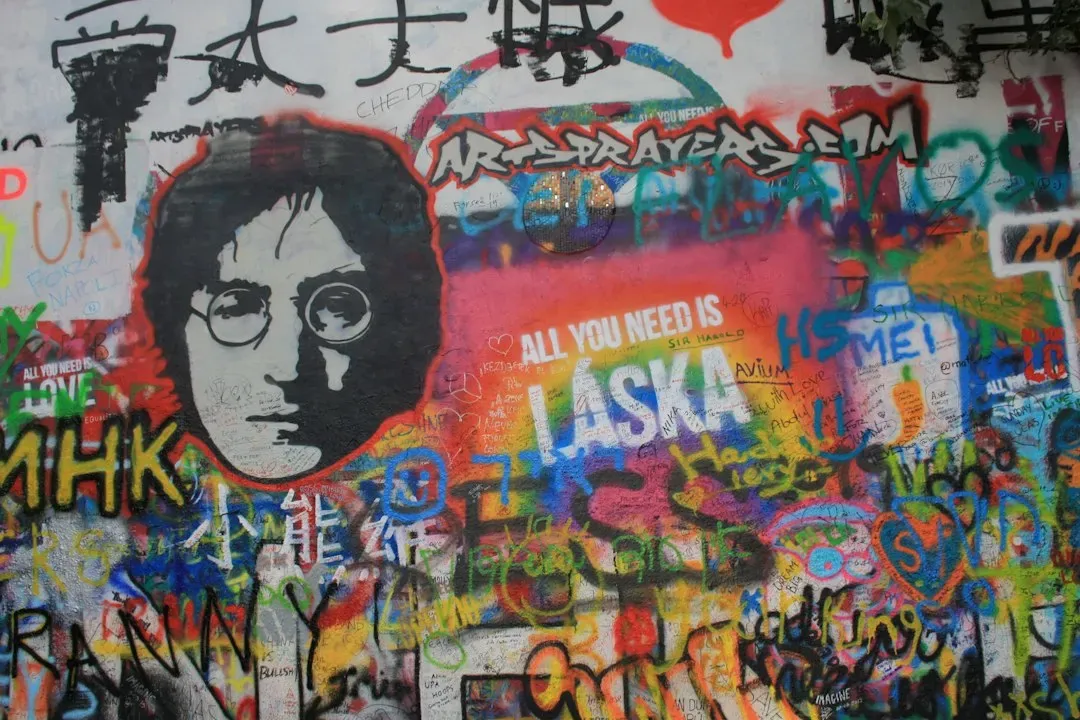
Organizers did approach the Beatles’ orbit, and John Lennon was reportedly interested in the idea of appearing. His proposal involved the Plastic Ono Band and a set of conditions that organizers weren’t willing to meet. The deal fell apart over those terms.
The Beatles as a group were nearly finished by then. They had recorded Abbey Road that summer, and live performance was no longer part of their plans. A reunion on a muddy New York farm was never really on the table.
Tommy James and the Shondells Heard It Was a Cow Pasture
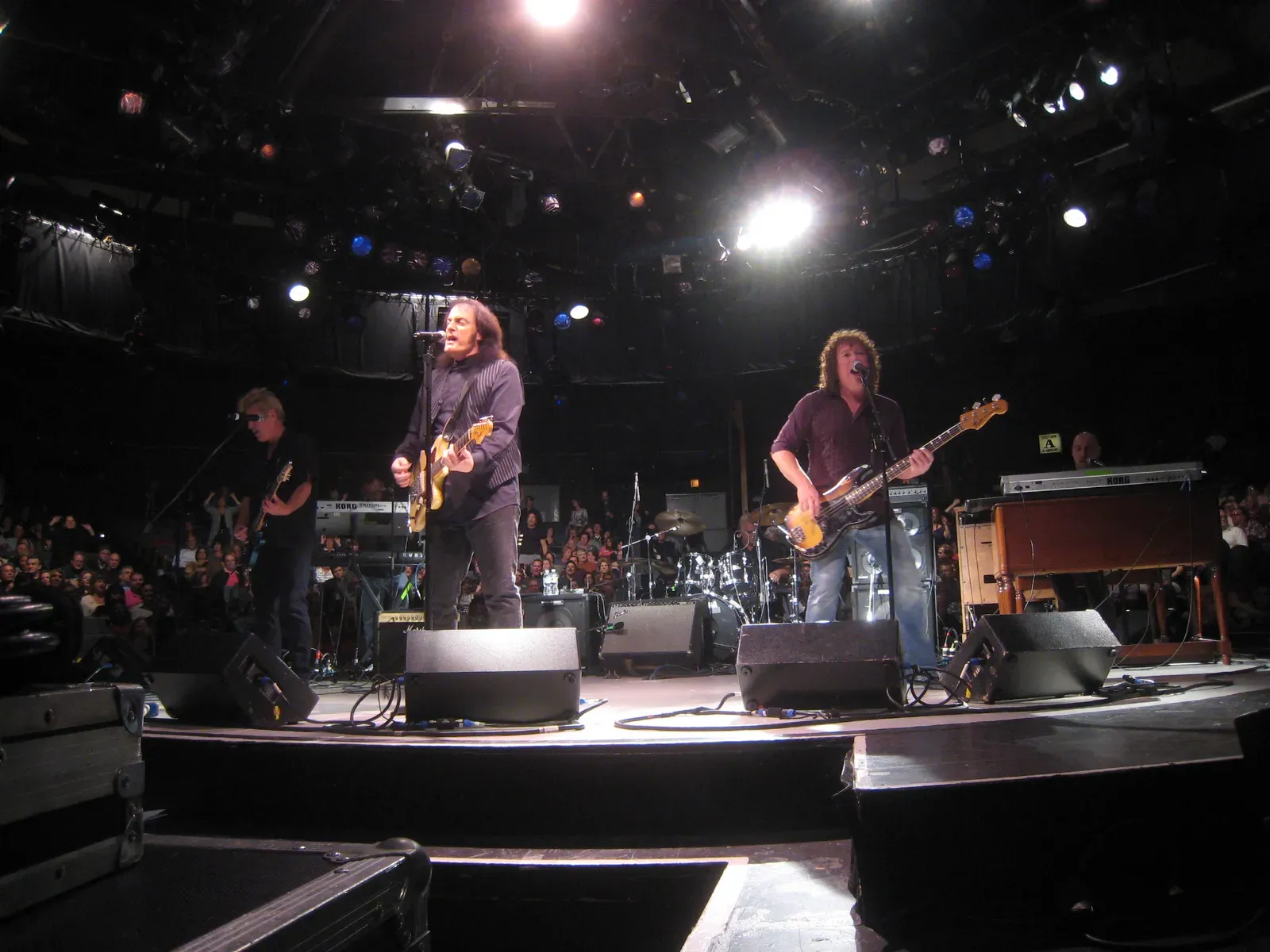
Tommy James and the Shondells were having hit records in 1969, including “Crimson and Clover” and “Crystal Blue Persuasion,” and they received an invitation. James has since said he was told the festival was in a farm field in upstate New York and decided against it. The idea of a pop act playing in a pasture didn’t appeal to him.
He has told the story with good humor in later years. It stands as a reminder of how uncertain the whole event looked before it began. Even hit makers couldn’t tell it would turn into a cultural landmark.
Jethro Tull, The Byrds and the Cautious Passes
A number of other well known acts also turned down offers or stayed away. Jethro Tull is often listed among them, and the band’s leader Ian Anderson has described a lack of enthusiasm for the festival scene at the time. The Byrds are likewise commonly counted among the groups that skipped it.
Accounts of exactly who declined, and why, vary from source to source. Some were scheduling conflicts and others were gut feelings about a first time event with no track record. Memories of a festival this famous have also been polished by decades of retelling.
Who Stepped Into the Gaps
The festival still ended up with a remarkable lineup. Richie Havens opened the weekend, and acts such as Santana, Creedence Clearwater Revival, The Grateful Dead, Sly and the Family Stone, The Who and Jimi Hendrix all performed. Hendrix closed the festival on Monday morning, August 18, with his famous set.
For many performers, Woodstock became a career defining moment, particularly for Santana, who were relatively unknown beforehand. The acts that said no went on with their own paths, and some of them found success without the festival. Led Zeppelin, for one, kept growing into one of the biggest bands in the world.
Partner offer
Planning a trip to Vegas?
Compare hotel rates and show tickets on VEGAS.com.