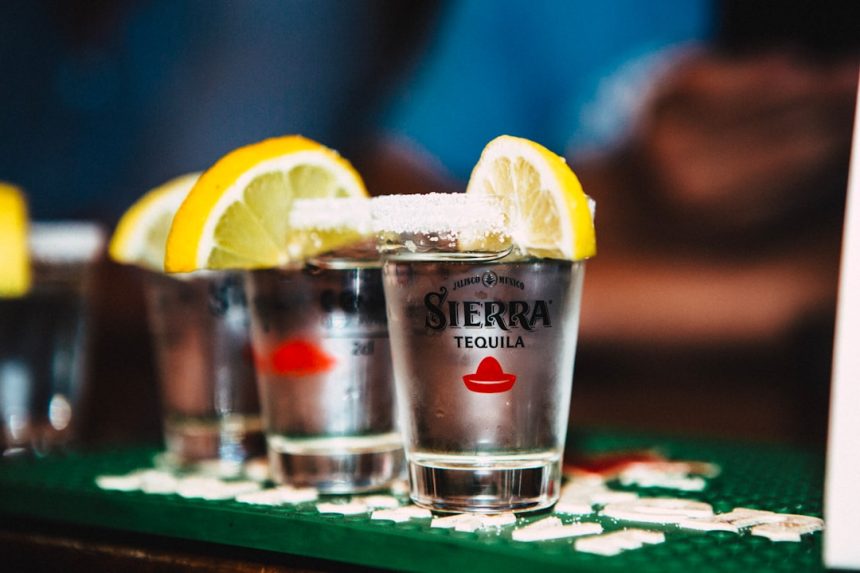
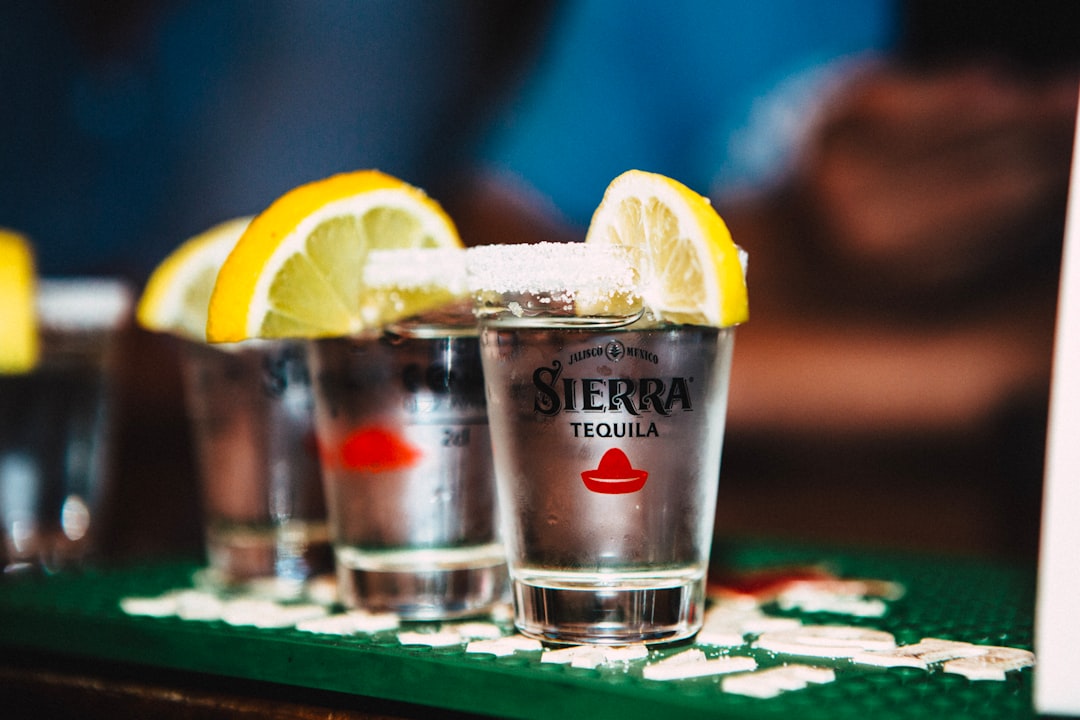
A Vacation Turns Perilous in Eight Hours (Image Credits: Unsplash)
Miami – A federal jury delivered a clear message to cruise giant Carnival Corp. this week, finding the company negligent for serving excessive alcohol to a passenger. Diana Sanders, a 45-year-old nurse from Vacaville, California, received $300,000 in damages following a severe fall aboard the Carnival Radiance. The incident stemmed from bartenders providing at least 14 shots of tequila over roughly eight and a half hours, leading to injuries that upended her life.[1][2]
A Vacation Turns Perilous in Eight Hours
The trouble began on January 5, 2024, during a cruise that departed Los Angeles bound for Hawaii and Mexico. Sanders started drinking around 2:58 p.m. and continued until 11:37 p.m., a span of eight hours and 39 minutes. Court records showed she received at least 14 shots of tequila during that time, with no apparent intervention from staff despite signs of intoxication.[1]
By late evening, her condition deteriorated. Between 11:45 p.m. and 12:20 a.m., Sanders fell severely while inebriated, suffering immediate and lasting harm. Crew members had a responsibility to monitor passengers and curb dangerous overconsumption, yet failed to act, according to the plaintiff’s case.[3]
Injuries Mount from a Single Fall
The fall left Sanders with a concussion, persistent headaches, and potential traumatic brain injury. She also endured back pain, tailbone damage, extensive bruising, and additional complications that required medical attention. These injuries disrupted her routine as a working nurse and prompted a push for accountability.[2]
Receipts from the ship confirmed the volume of alcohol served, bolstering her claims of overservice. Bartenders overlooked visible intoxication cues, breaching standard duties of care on board. This oversight set the stage for legal action in federal court.[1]
Federal Trial Exposes Cruise Line Practices
Sanders filed suit against Carnival Corp., headquartered in Doral, Florida. The case proceeded to a week-long jury trial in Miami federal court. She sought $250,000 initially, arguing the company’s negligence directly caused her mishap.[3]
Her attorney, Spencer Aronfeld, highlighted the rarity of such trials. “It’s hard to get to trial, period,” he stated. “I’ve had many overservice cases that have settled but none that went the full distance.”[1] Carnival attempted to dismiss the suit earlier, citing insufficient details on specific crew or bar locations, but the matter reached jurors.
Verdict Delivers Split Responsibility
On April 10, 2026, the jury ruled in Sanders’ favor, assigning 60 percent fault to Carnival for negligent overservice and 40 percent to Sanders herself. The panel awarded $300,000 – surpassing her request – holding the cruise operator accountable for the fall’s consequences.[2]
The decision underscored bartenders’ role in preventing harm. Aronfeld noted confidence in the outcome: “Holding a major cruise line accountable for the over-service of alcohol is an extremely challenging legal argument to make, but we were always confident that once a Miami jury heard the full facts of the case they would have no difficulty holding Carnival responsible.”[2]
- Service span: 8 hours, 39 minutes for 14+ shots.
- Fall timing: Shortly after final drink.
- Jury deliberation: Focused on duty to intervene.
- Award exceeds: Original $250,000 demand.
- Fault split: 60/40 in plaintiff’s favor.
Carnival Plans Appeal Amid Policy Scrutiny
Carnival Corp. responded swiftly to the ruling. A spokesperson said, “Carnival Corporation respectfully disagrees with the verdict and believes there are grounds for a new trial and appeal, which it will pursue.”[1] The company maintains strict alcohol guidelines, though specifics in this case drew criticism.
This outcome raises questions about enforcement across the industry. Cruise lines face pressure to refine training for spotting intoxication, especially on festive voyages. Future cases may reference this precedent, pushing for stricter oversight.[3]
Key Takeaways:
- Cruise staff must monitor for over-intoxication to avoid liability.
- Jurors prioritized evidence of excessive service over passenger responsibility.
- Appeals could reshape overservice standards at sea.
The verdict serves as a stark reminder that vacation indulgences carry risks when unchecked. Passengers and operators alike must navigate alcohol responsibly amid the high seas’ allure. What do you think about this case? Tell us in the comments.