There’s a specific kind of paralysis that sets in around 7 p.m. on your first night in Las Vegas. You’re hungry, the Strip is alive with neon and noise, and you’re standing in front of a casino hotel directory listing twelve restaurants across six floors. You wanted to enjoy this. Instead, you’re sweating over whether to pick the celebrity chef steakhouse or the rooftop sushi bar you’ve never heard of. This isn’t a personal failing. It’s a well-documented psychological phenomenon playing out inside one of the most overstimulating food environments on the planet.
The Scale of the Problem: Vegas Has an Absurd Number of Restaurants
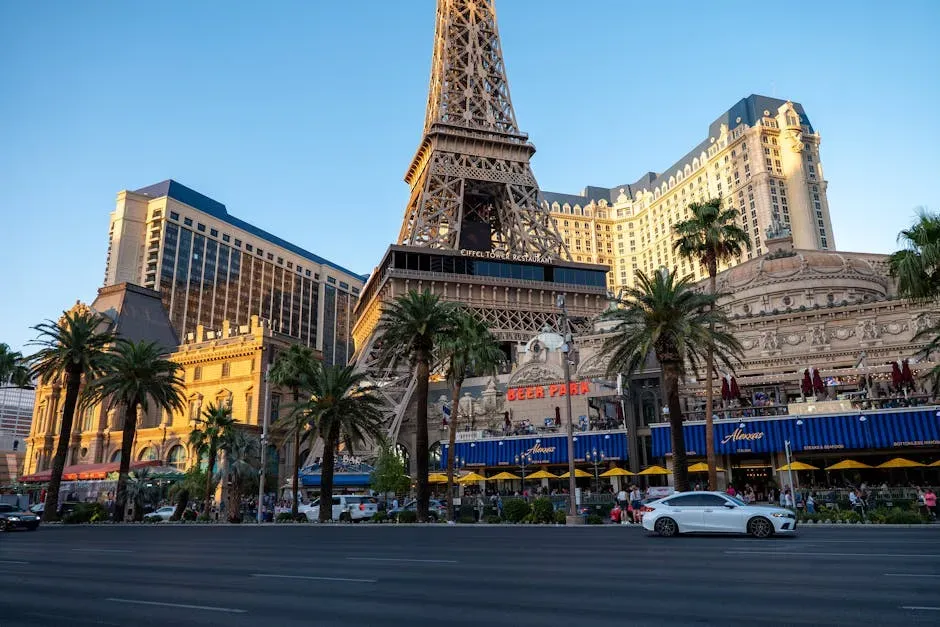
As of April 2026, there are roughly 2,694 restaurants in Las Vegas, and that figure only covers the official city limits. Broader estimates that include the Strip corridor and surrounding resort areas push the number considerably higher. Some counts suggest there are nearly 4,000 places to eat in Vegas, ranging from cheap fast-food spots to Michelin-starred establishments.
Full-service restaurants dominate with roughly 1,500 venues, while fast food and quick-service outlets also hold a significant presence with around 500 locations. When you factor in hotel food courts, poolside bars, and pop-up dining concepts inside casinos, the number of active dining decisions available to a visitor at any given moment is genuinely staggering. For a first-time visitor, it’s not a menu – it’s an emergency.
What Decision Fatigue Actually Is
Decision fatigue is the tendency towards making less effortful decisions as the cumulative mental burden of effortful decision-making increases. It’s not laziness. It’s your brain’s honest response to a resource that has been depleted. The more choices you make throughout a day, the less mental energy you have left for each subsequent one.
The paradox of choice, a concept introduced by psychologist Barry Schwartz, suggests that the more options we have, the less satisfied we feel with our decision – because having too many choices requires more cognitive effort, leading to decision fatigue and increased regret. In Vegas, where the entire environment is engineered to stimulate and overwhelm, this effect is amplified at every turn.
The Paradox of Choice in a Buffet City
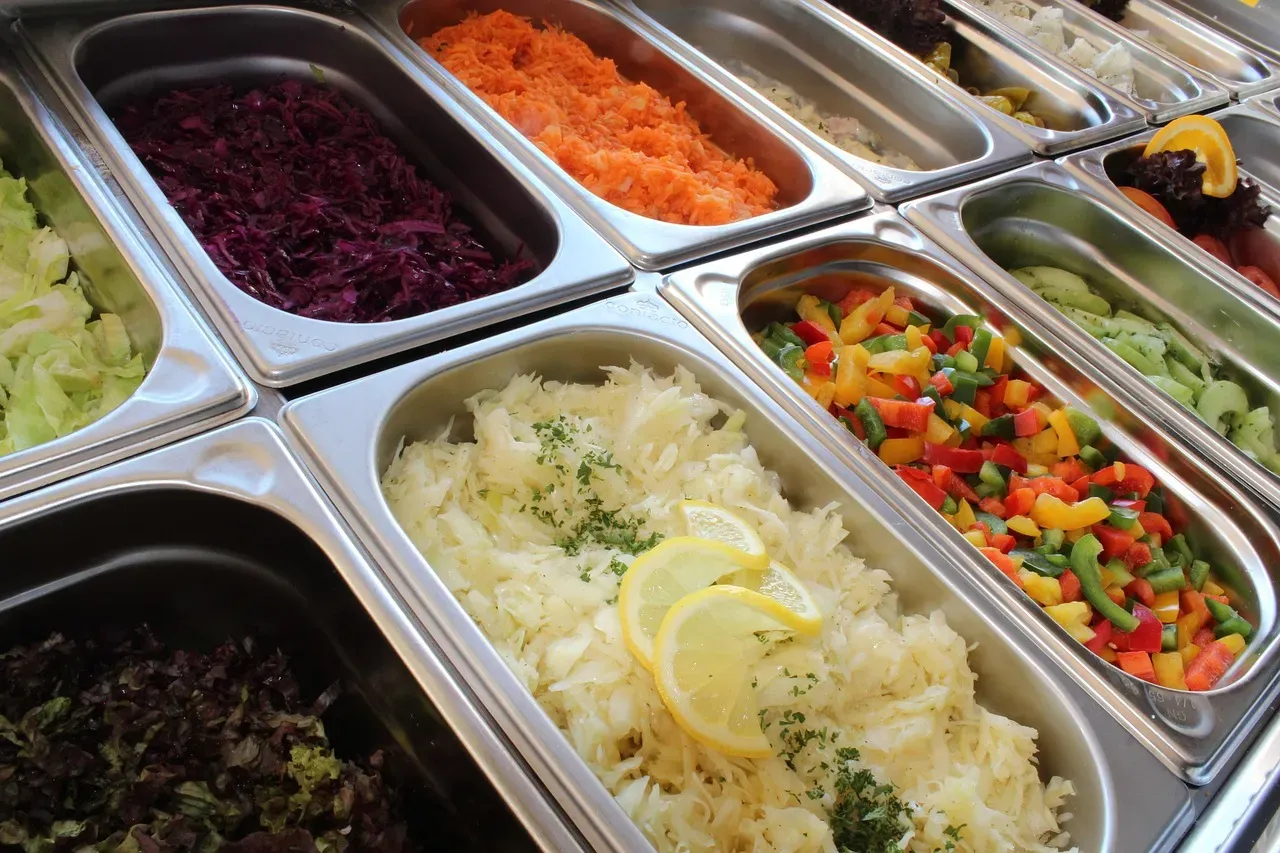
The paradox of choice suggests that while freedom of choice is crucial for human happiness, an overabundance of options can lead to anxiety, decision paralysis, and dissatisfaction. Vegas is, in many ways, a physical monument to this exact contradiction. The city was built on excess, and dining is no exception.
In a landmark study at a California grocery store, when shoppers were presented with 24 varieties of jam, only 3% made a purchase – but when the selection was reduced to 6 varieties, 30% of shoppers bought jam. The implication is clear: more options don’t lead to more satisfaction, they lead to more hesitation. In Vegas, you’re not choosing between 6 or 24 jams – you’re choosing between hundreds of restaurants while also tired, possibly jet-lagged, and distracted by a slot machine two feet from the hostess stand.
Vegas Visitors Are Already Cognitively Drained Before They Even Think About Dinner
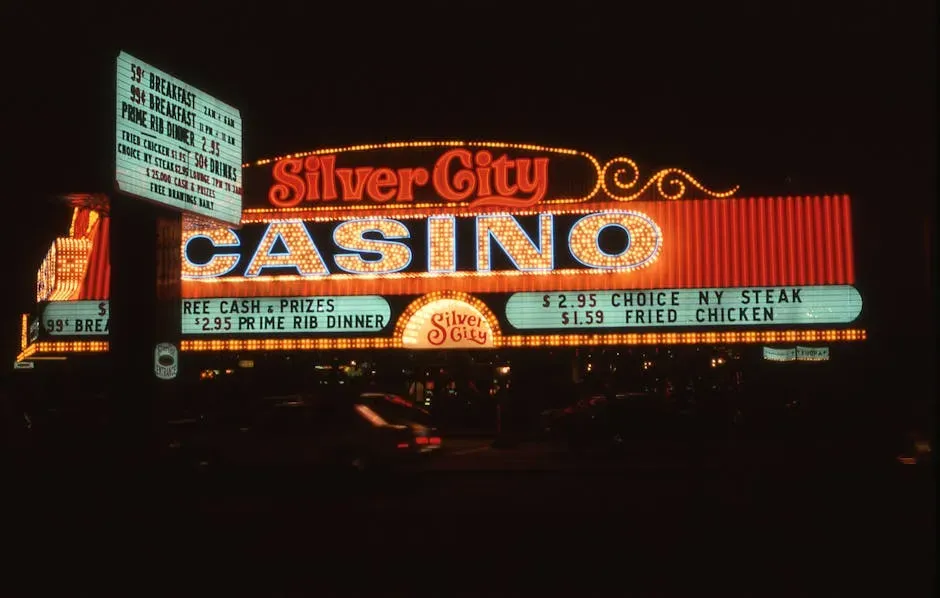
Las Vegas welcomed 41.68 million visitors in 2024, a 2.1% rise on 2023. The vast majority of those visitors have already made dozens of decisions before they start thinking about food: which flight, which hotel, which casino to visit first, how much to gamble, which show to see. By dinnertime, the cognitive tank is often running low.
Visitors spent an average of $615.07 on food and drink over the course of their stays in 2024, compared with $410.74 in 2019 and $462.37 in 2021. Spending more doesn’t necessarily mean choosing better or more confidently – it often reflects a city where dining has become genuinely premium, adding financial stakes to an already overwhelming decision.
The Celebrity Chef Effect: When Prestige Makes It Worse
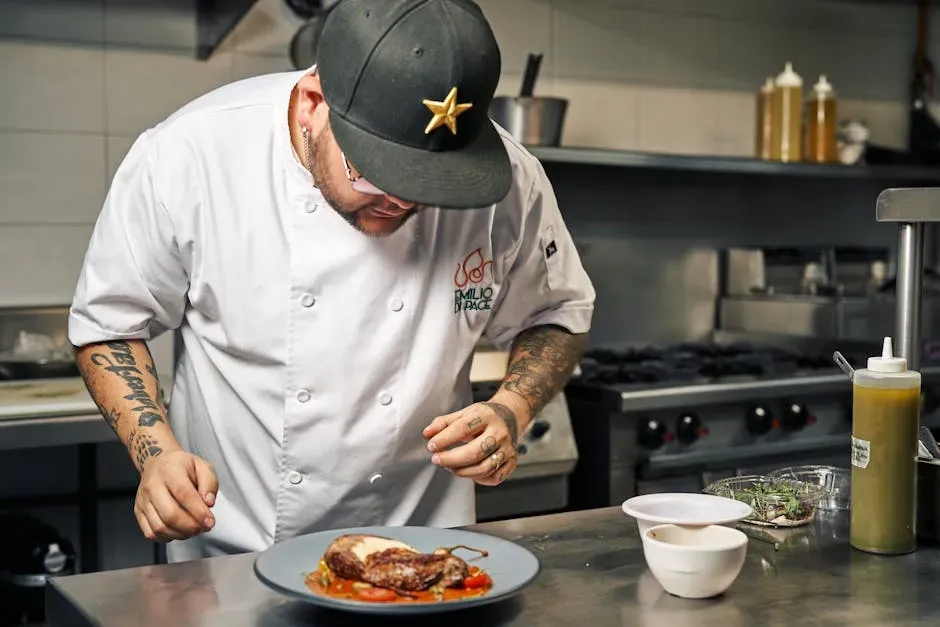
Las Vegas has quietly become one of the most concentrated celebrity chef cities in the world. Gordon Ramsay, José Andrés, Joël Robuchon, and Guy Savoy have all planted flags here, and their presence raises a different kind of pressure. Now it’s not just about picking somewhere good – it’s about picking somewhere that justifies what you spent to get there.
For 2024, the top 100 independent restaurants by sales in the U.S. include seven Las Vegas spots that combined to gross almost $130 million, including Top of the World, Barry’s Downtown Prime, Beauty and Essex, Cabo Wabo Cantina, and Mercato della Pescheria. The pressure to choose “the right one” from a lineup this competitive doesn’t simplify anything. It makes the stakes feel higher, which is exactly the wrong condition for clear decision-making.
Choice Overload and Regret: The Science Behind Post-Dinner Disappointment

Behavioral scientists describe the effect clearly: the more options presented, the harder the decision, and the less satisfaction with the outcome. Consumers faced with too many choices delay decisions, second-guess themselves, and often regret the purchase they do make.
A meta-analysis of nearly 100 studies on choice overload found that excessive options reduced satisfaction, increased regret, and decreased the likelihood of choosing at all. That nagging feeling you get halfway through dinner wondering whether the other place would have been better? That’s not bad taste – that’s textbook choice overload in action.
Partner offer
When Online Reviews Make Things Even More Confusing

A 2024 study involving 1.6 million users on an online retail platform found that while increasing the number of recommendations initially led to higher click-through rates, exceeding a certain point decreased the chances of users taking any action. The same dynamic plays out on Yelp, TripAdvisor, and Google Maps in Las Vegas, where every restaurant has hundreds or thousands of reviews, many of them contradictory.
Scroll through reviews for almost any Strip restaurant and you’ll find someone calling it the best meal of their life and someone else calling it a tourist trap in the same week. Rather than reducing uncertainty, the sheer volume of online opinions adds another layer of noise to an already noisy environment. At some point, research stops helping and starts hurting.
The Mental Energy Cost Nobody Talks About
Research has found that mentally fatigued individuals often preferred low-risk and low-return options, and that decision fatigue reduces performance as people tend to make less optimal choices under fatigued conditions. Translated into dining terms: this is why so many Vegas visitors end up at the hotel restaurant they walked past on the way to the elevator, not because it was the best choice, but because making another decision felt genuinely exhausting.
Analysis paralysis is a direct symptom of the paradox of choice, characterized by an inability to make decisions when faced with numerous options. Decision fatigue refers to the depletion of mental energy as one makes choices, leading to poorer decision quality. The interplay between these mechanisms can significantly impair one’s ability to make satisfactory decisions, often resulting in frustration and regret.
The Satisficing Strategy: How to Actually Pick a Restaurant
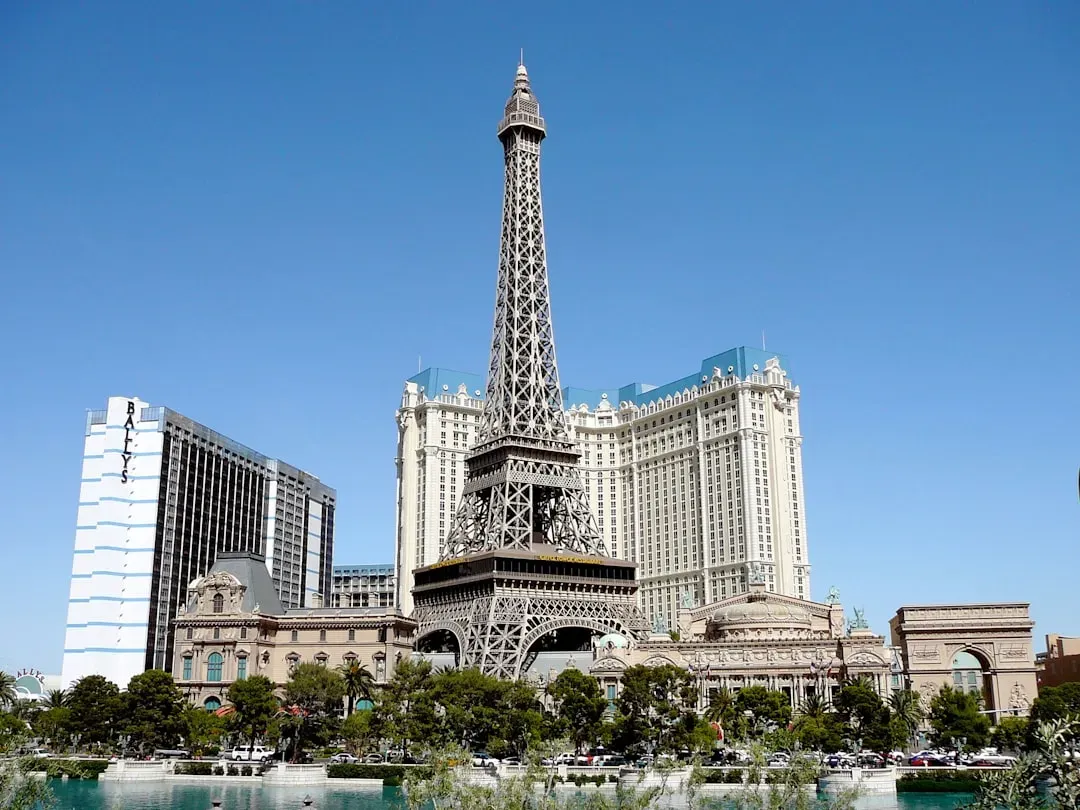
Researchers encourage individuals to adopt a “satisficing” approach – making choices that meet their basic needs rather than striving for the optimal option – to mitigate the negative effects of choice overload. In a city like Las Vegas, this is genuinely practical advice. The goal isn’t the perfect restaurant. The goal is a good dinner without burning through what little mental energy you have left.
Studies indicate that limiting choices can enhance customer satisfaction and decision-making efficiency, as consumers often prefer a curated selection over an overwhelming array of options. Practically speaking, that means deciding in advance: pick one or two options before you arrive at the casino floor, not twelve options while standing in the lobby with your phone dying and your group arguing behind you.
What Vegas Could Learn From Its Own Data
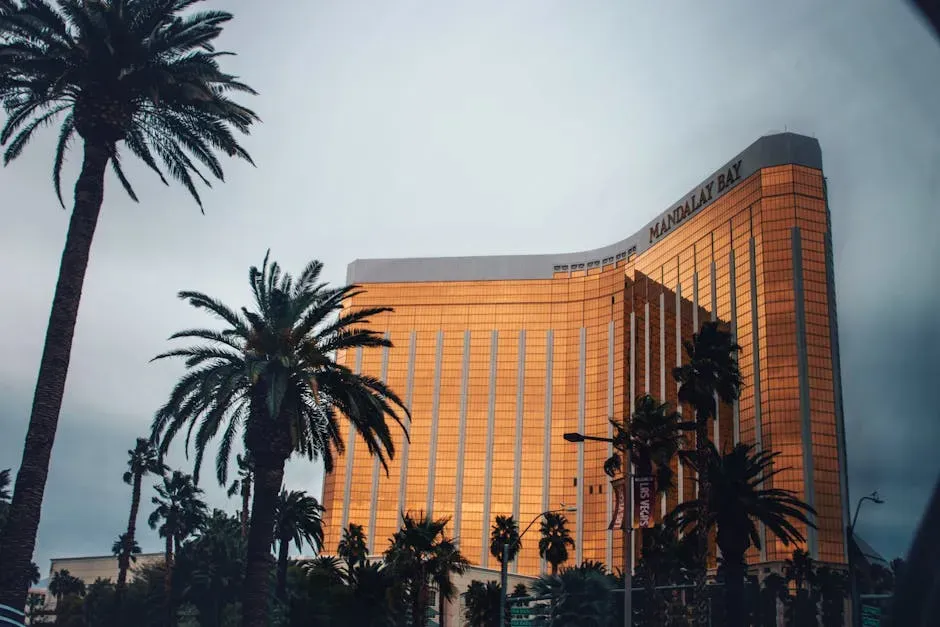
A report from the Las Vegas Convention and Visitors Authority showed that a trip to Las Vegas is costing visitors more than ever before, and lodging costs hit a new high in 2024, climbing 57% from before the pandemic to an average of $179.10 a night. Higher costs make poor dining decisions sting more, which raises the psychological stakes of choosing and deepens the fatigue cycle.
Successful businesses have learned to balance variety with simplicity, offering enough choice to satisfy diverse preferences while preventing decision paralysis through careful curation and presentation. The restaurants on the Strip that consistently perform best tend to offer focused, well-defined identities rather than sprawling menus trying to be everything. That clarity is itself a form of hospitality – it reduces the burden on the guest before they even sit down.
Conclusion
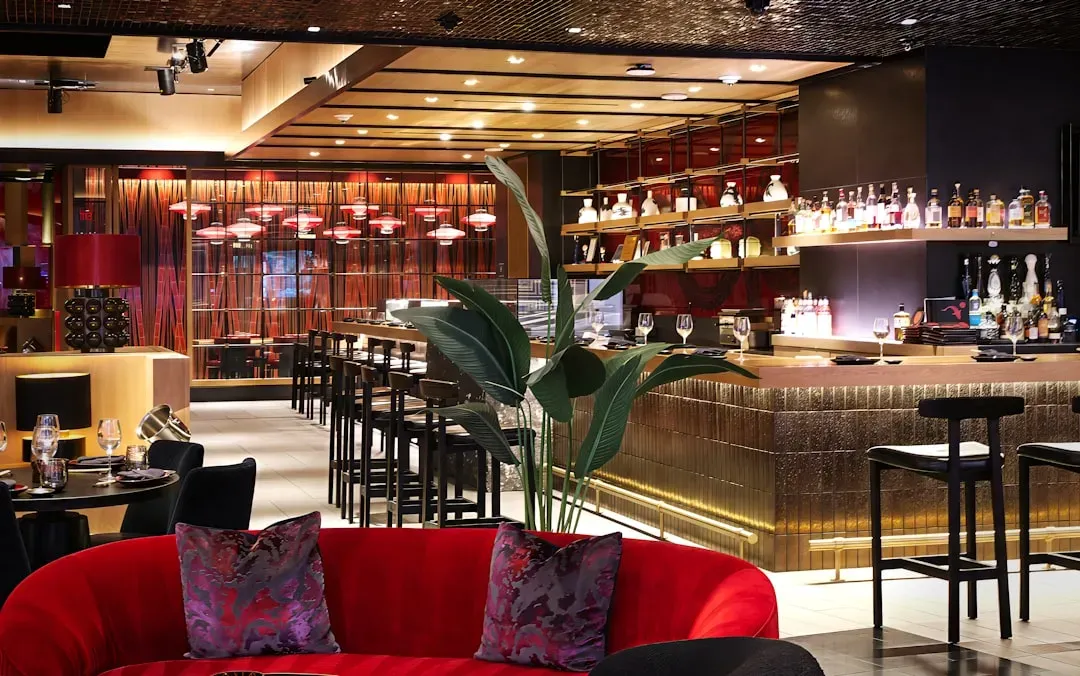
Las Vegas doesn’t have a restaurant problem. It has a choice architecture problem. The city offers extraordinary dining, but it delivers that dining inside an environment that systematically erodes the cognitive capacity needed to appreciate it. Decision fatigue is real, it’s measurable, and it’s baked into the Vegas experience whether the casinos acknowledge it or not.
The fix isn’t fewer restaurants. It’s smarter planning on the visitor’s part and smarter curation on the industry’s part. Pick your restaurant the morning of, not the evening of. Limit your list to three options, not thirty. Give your brain a fighting chance.
The best meal you’ll have in Vegas probably isn’t the one you spent three hours researching. It’s the one you committed to early and actually enjoyed.
Partner offer
Planning a trip to Vegas?
Compare hotel rates and show tickets on VEGAS.com.