Comedy has always lived close to the edge. That’s part of the deal. But something has shifted in recent years, and it’s not just the usual cycle of controversial jokes and online outrage. Fans are pulling back from comedians they once adored, and the reasons range from tone-deaf punchlines to outright political betrayals. Some of these falls from grace are dramatic. Others are quieter, playing out in the comment sections of social media posts rather than on front pages. The pattern is worth paying attention to. Audiences in 2025 and 2026 are more vocal, more organized, and faster to act on their disillusionment than ever before. The following eight comedians have all felt that shift in real, tangible ways.
Nate Bargatze – The Clean Comic With a MAGA Stain
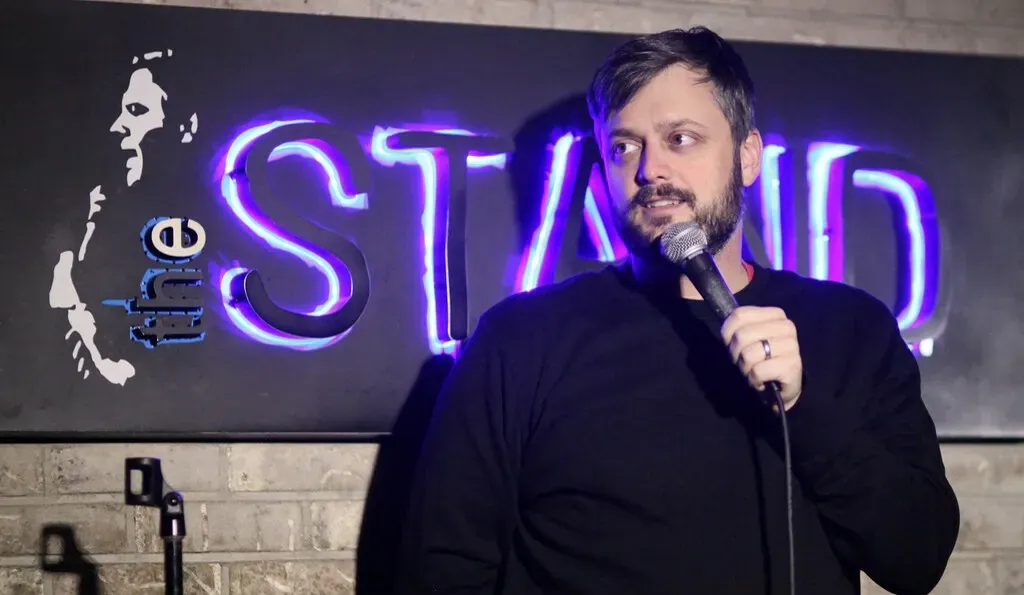
Nate Bargatze built his career on being the rare comedian everyone could enjoy. Family-friendly, profanity-free, and studiously apolitical, he seemed almost immune to controversy. That changed in June 2026. Fans began expressing disappointment and disillusionment after their one-time favorite comedian was spotted at Donald Trump’s 80th birthday celebration, a UFC fight held on the South Lawn of the White House. Bargatze was seen in the background of a portrait of the president and even posed for a photograph with Robert F. Kennedy Jr. and Cheryl Hines.
The 47-year-old stand-up comedian has over 3 million followers on Instagram and was crowned the highest-grossing stand-up comic in 2024. That made the backlash all the more striking. While some supporters rallied behind him, it appears that any remark critical of Bargatze was being deleted, with comments referencing the Trump administration or reflecting fierce backlash from within his fanbase either hidden or removed. For a comedian whose brand rested on being universally beloved, the incident cracked something that may not be easily repaired.
Tony Hinchcliffe – Crossing Lines That Even Roast Comics Won’t Touch
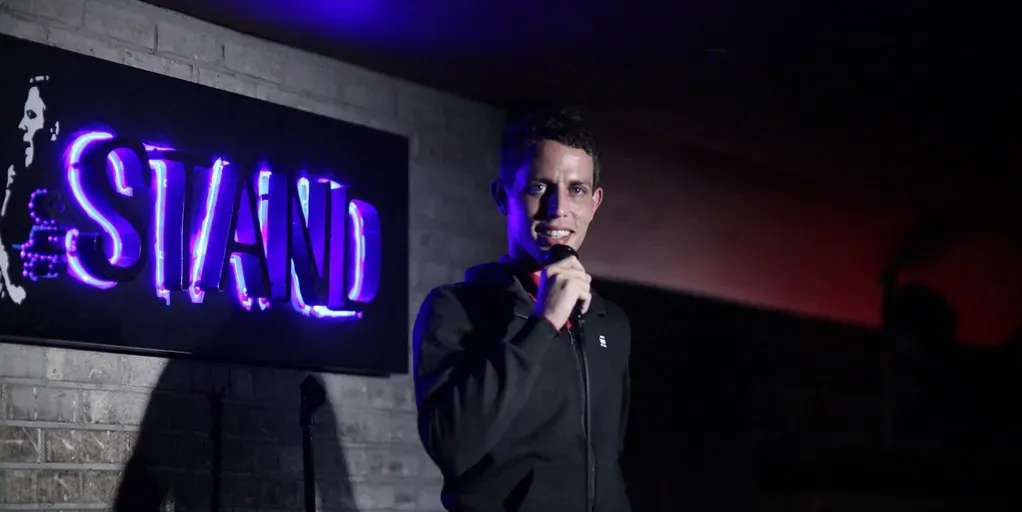
Tony Hinchcliffe has always operated in the darkest corners of comedy, built on insult humor and roast culture. In October 2024, the Donald Trump campaign invited him to perform a set at a rally at Madison Square Garden, during which he made a widely criticized joke about Puerto Rico. The comment sent waves throughout Hispanic communities throughout the United States, and the joke seemed particularly ill-suited considering how many Puerto Ricans live in swing states like Pennsylvania, with Latin celebrities like Bad Bunny and Jennifer Lopez coming out in support of Kamala Harris after his comments went viral.
Things didn’t settle in 2026. During Netflix’s The Roast of Kevin Hart, Hinchcliffe made several jokes referencing the death of George Floyd, slavery, Jewish people, and the suicide death of comedian Sheryl Underwood’s husband, sparking widespread criticism. More than a week after the live Netflix event, Chelsea Handler said she took issue with many of the jokes told by Hinchcliffe, calling them “racist” and “sexist.” The cumulative weight of these moments has made it genuinely difficult for even casual fans to defend him.
Shane Gillis – A Comeback That’s Starting to Feel Complicated
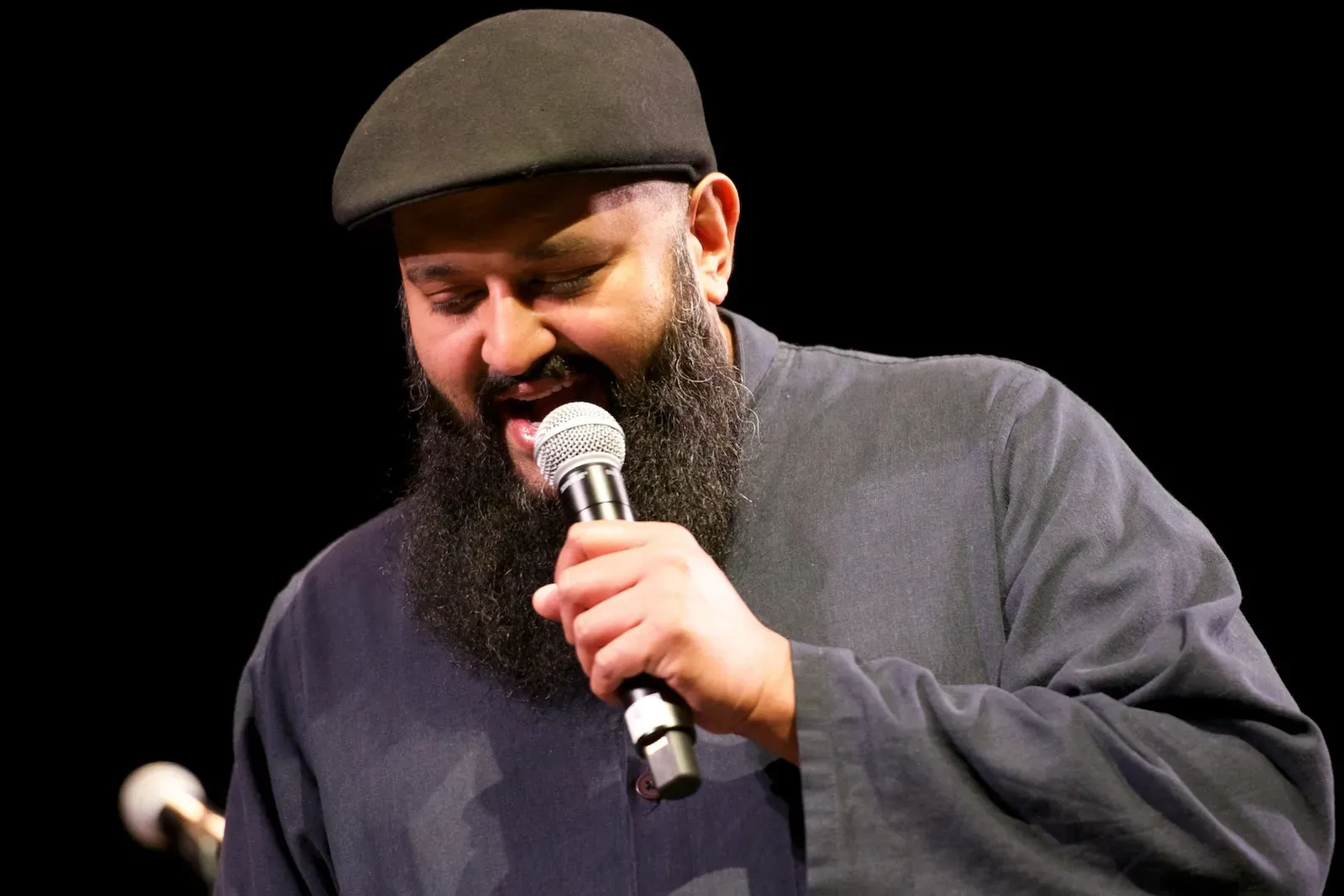
Shane Gillis is a case study in comedy’s complicated relationship with consequence. Before he even hit the SNL stage in 2019, people dug up past podcast episodes and criticized him for using racist and homophobic language; the backlash was fast, and he agreed to leave the show. His supporters stuck with him, and he became a fast-rising comedy star, even returning to SNL in February 2024 and March 2025 to host. That seemed like the redemption arc complete. Then came the Kevin Hart roast.
Gillis and Hinchcliffe also made jokes about fellow roast comic Sheryl Underwood’s late husband, who died by suicide in 1990. Gillis also stars on Tires alongside someone who hosted Holocaust deniers on his podcast, and his proximity to increasingly controversial figures has started to color how audiences perceive him. People are starting to confuse Gillis with his Rogansphere friends, with some blaming him for things he may not have personally said. Whether fair or not, guilt by association is a real force in the court of public opinion.
Matt Rife – When the Audience You Built Feels Betrayed
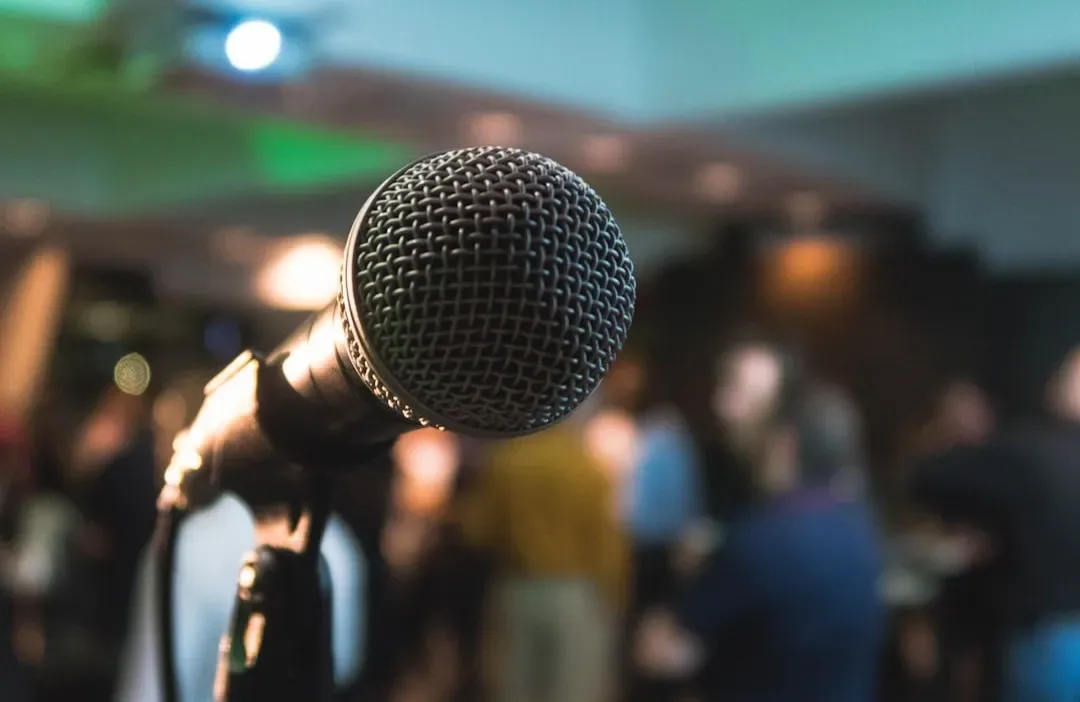
Matt Rife rose to fame through TikTok, amassing an enormous and notably female fanbase with charming crowd work videos. The comedian, whose sets had routinely gone viral on TikTok, sparked significant backlash over a joke about domestic violence included in his Netflix special. Fans and online creators, a large majority of whom are women, called Rife out for “punching down,” or making fun of a marginalized community and victims at their expense. The core accusation stung precisely because his audience had trusted him.
In response to the backlash, Rife took to his Instagram story to issue a sarcastic apology, directing those offended by his joke to an “official apology” that led them to a website selling helmets for people with special needs – a response that only added fuel to the fire. Despite the backlash, his “Natural Selection” special brought in more than 10 million views in the first few weeks of its release and reached the Global Top 10 in 42 countries. The numbers stayed up, but the trust from a significant portion of his original fanbase did not.
Partner offer
Dave Chappelle – When the Laughter Stopped Feeling Safe
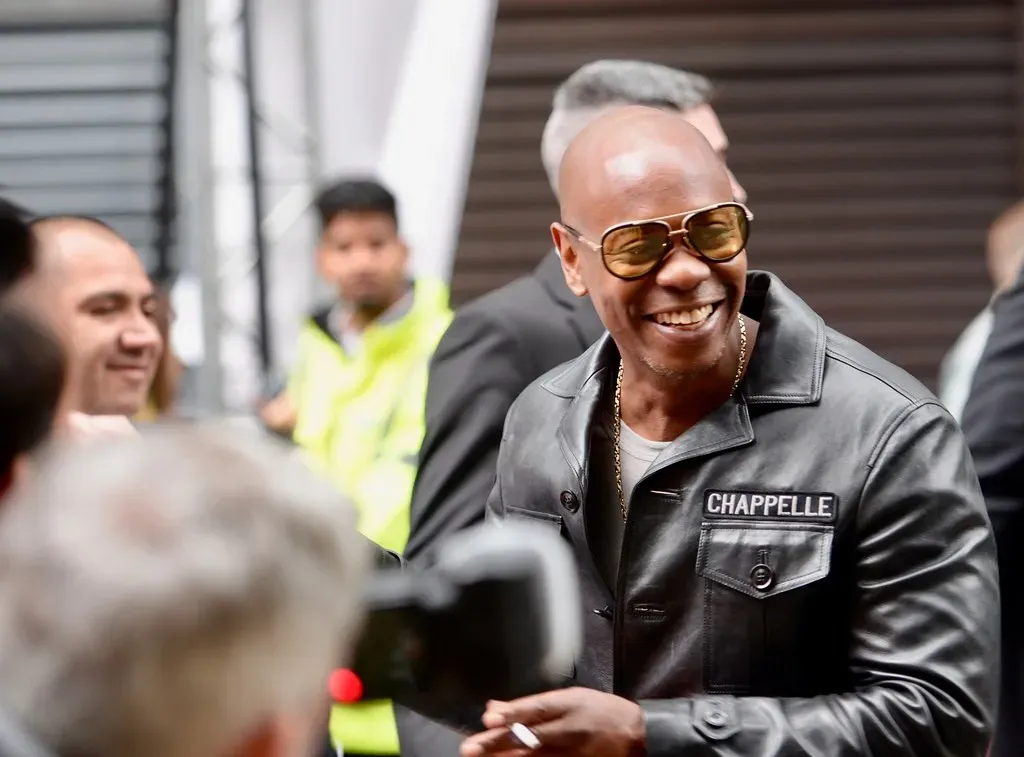
Dave Chappelle remains one of the most gifted stand-ups alive, and that’s precisely what makes his trajectory so frustrating for many fans. Chappelle has been coming under fire for transphobic comedy, a pattern that’s continued across multiple specials. Chappelle has become a staple on Netflix, releasing eight Netflix Original specials, the most recent of which was Dave Chappelle: The Unstoppable in 2025, though that latest special continued a trend as Dave again goes after the LGBTQ+ community.
Chappelle was also among the comedy names who censored themselves to perform for the Saudi Royal Family, a decision that drew sharp criticism from fans who felt it contradicted his outspoken persona. Chappelle is especially frustrating to some critics because of the visible empathy and research in almost every other area he covers, yet he has persisted in making claims that cancel culture somehow threatens the livelihoods of millionaires. For longtime fans, the dissonance has become harder to overlook.
Joe Rogan – The Podcast King Whose Influence Became the Problem
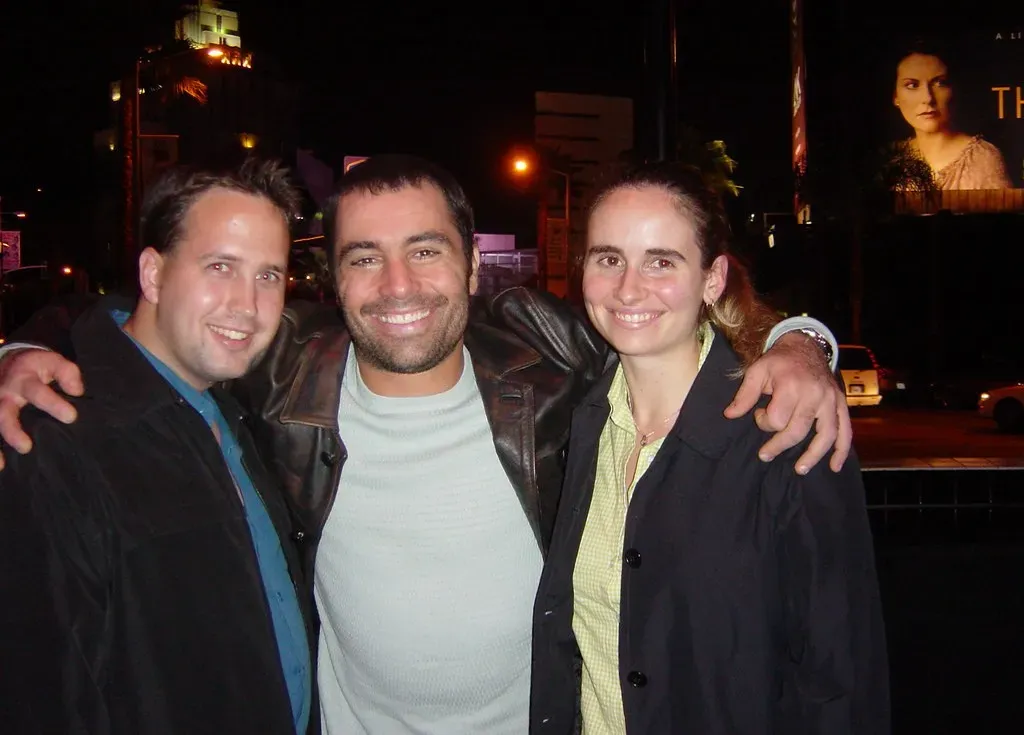
After Donald Trump cruised to another term in 2024, pundits across the media declared that the comedians-turned-podcasters within the so-called “manosphere” helped deliver him to the White House, with Trump and JD Vance’s appearances on The Joe Rogan Experience making the former president a relatable candidate for a certain set. That association proved deeply uncomfortable for a large portion of Rogan’s audience who had followed him for comedy and conversation rather than political influence.
Comics like Marc Maron, Anthony Jeselnik, and Stavros Halkias couldn’t abide the pervasiveness of Rogan’s comedy scene in Austin, where Rogan moved his operations during the pandemic and convinced his podcasting buddies to join him, later opening the Comedy Mothership club where guests are seemingly guaranteed a joke about trans people in every set. While some comedians like Ricky Gervais have capitalized on controversy and built a career around unapologetic humor, Rogan’s critics argue that his platform has moved well past edgy comedy into something with broader cultural consequences.
Kathy Griffin – A Career That Never Quite Recovered
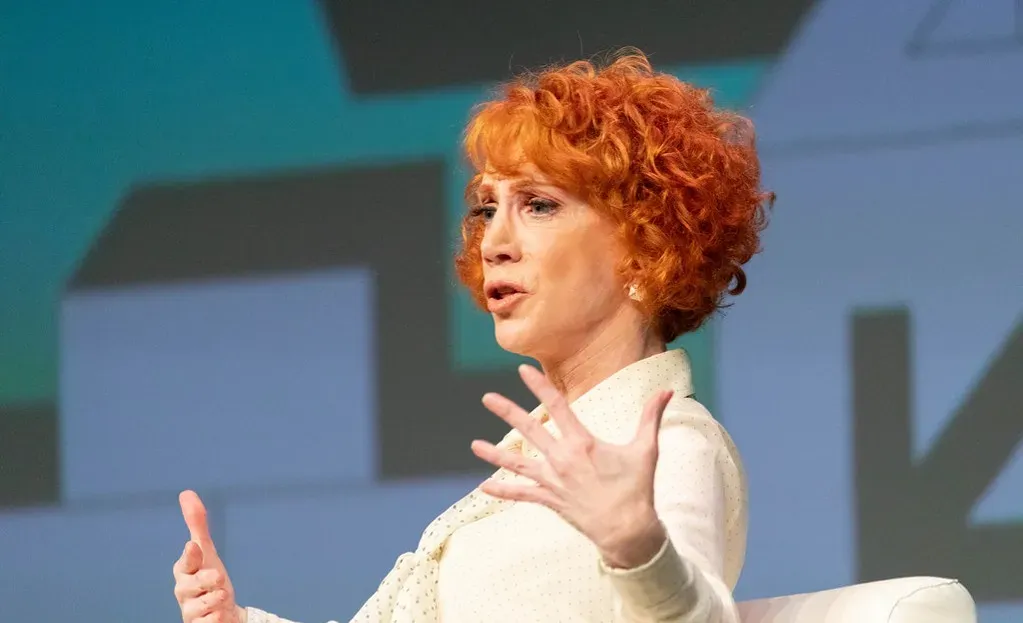
Kathy Griffin’s downfall is one of the more dramatic in recent comedy history, and its ripple effects are still felt in 2026. In 2017, she posted a picture on social media of herself holding a fake severed head meant to look like then-President Donald Trump, saying it was an artistic criticism of his previous statements about journalist Megyn Kelly. The backlash was fierce, and Griffin was dropped by sponsors, comedy clubs, and fired from her CNN New Year’s Eve co-hosting gig with Anderson Cooper.
The picture was met with backlash that became the catalyst for Griffin to make A Hell of a Story, without the backing of a TV network or major streaming service. In 2022, Griffin faced further controversy when her Twitter account was temporarily suspended for impersonating Elon Musk. What’s notable is not just the initial scandal but how thoroughly the incident reshaped public perception of her, leaving many former fans unsure how to engage with her work at all.
Ricky Gervais – The Provocateur Whose Act Is Starting to Feel Repetitive
Mortality is Ricky Gervais’s most recent Netflix comedy special, arriving at the end of 2025 after his widely discussed 2023 special Armageddon. While Armageddon attracted heavy criticism for its shocking material and contested language, Mortality represented a more introspective and thoughtful special, and has been well received and considered an evolution in Gervais’s career. Still, the damage from Armageddon lingered.
Gervais has been coming under fire for transphobic comedy, which many fans feel has become the defining feature of his stand-up in a way that overshadows his considerable talent. This discrepancy frequently depends on the comedian’s devoted following, the platform’s position on controversy, and the intensity of the backlash, with some comics capitalizing on controversy and building a career around unapologetic humor. Gervais has chosen that path deliberately, and while it sustains his platform, it has cost him a meaningful share of the audience that once held him in considerably higher regard.
Partner offer
Planning a trip to Vegas?
Compare hotel rates and show tickets on VEGAS.com.