The word “overrated” gets thrown around a lot in film circles, sometimes unfairly. In most cases, it doesn’t mean a director is bad. It means the reputation has grown so large that the actual work can no longer support the weight placed on it.
Critical reputation doesn’t always align with consistent artistic output, and sometimes a filmmaker is nowhere near as good as they are credited to be. Some directors are widely praised while still facing recurring criticism regarding their consistency, narrative depth, or stylistic repetition. The six names below sit squarely in that territory.
1. Christopher Nolan – The Genius Label That Outran the Work
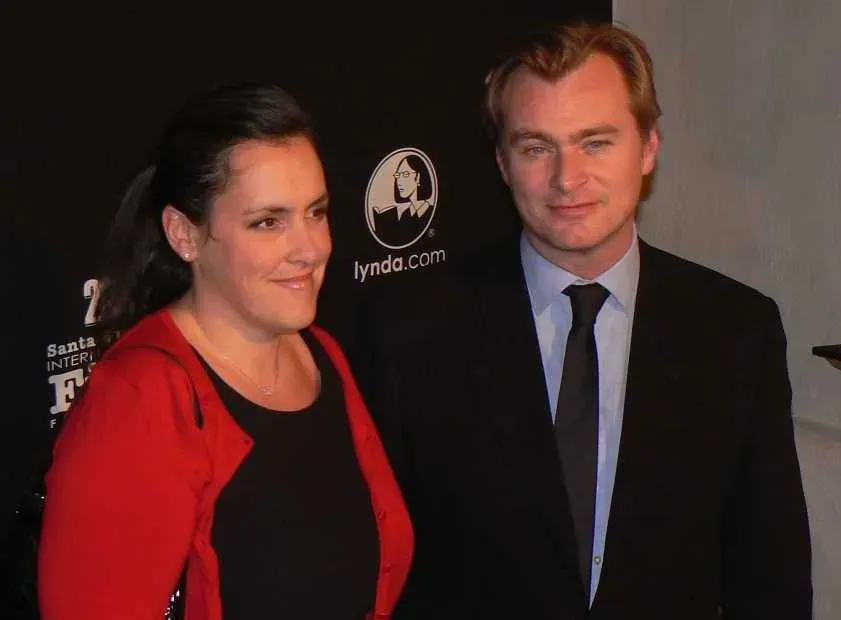
Christopher Nolan is often described as overrated due to recurring criticism of exposition-heavy dialogue and emotional distance in character writing. Films like Interstellar and Tenet are frequently cited as examples of narratives where conceptual complexity is prioritized over emotional clarity. There’s no question Nolan is a technically gifted filmmaker. The problem is the cultural mythology around him.
Critics often argue that Nolan’s reputation as a “genius filmmaker” is amplified by fan discourse and critical branding rather than consistent emotional storytelling. Tenet, his mind-bending sci-fi espionage thriller released in 2020, grossed relatively less than his previous blockbusters and was one of his less-acclaimed films at the time, yet slowly built a fan base following in later years. It’s a pattern that says a lot about how his films are received versus how they eventually get defended.
2. Zack Snyder – Visual Spectacle With a Storytelling Gap

Fans adore Watchmen, but films like Batman v Superman stumble with cluttered plots and overused slow-motion. His cult status feels bigger than his narrative depth warrants, and Snyder’s visual flair often outshines the substance of his stories. The core issue isn’t his eye for a shot. It’s whether there’s enough going on beneath those shots to justify the hype.
Batman v Superman ended its box office run with roughly $873 million and amassed some of the worst critic scores in the superhero medium, after which DC started to make changes to its plans and Snyder’s internal pull at the studio began diminishing. Snyder would not return to direct a new DC project, with the studio now rebooting the DCEU with James Gunn’s new DC Universe. That shift speaks volumes about where the industry itself landed on his legacy.
3. Tim Burton – A Distinctive Style That Became Its Own Trap

Critics argue that Burton’s visual style has become repetitive over time. Films like Alice in Wonderland and Planet of the Apes are frequently cited as examples where aesthetic style outweighs narrative originality. Early Burton films felt like genuine creative visions. Later ones often feel like a brand being deployed rather than a story being told.
Partner offer
His biggest strength has become a contributor to why he is overrated. As stunning as his cinematography is, Anderson’s movies lack certain depth or substance. Planet of the Apes, a remake of the classic, was panned by many critics but was still financially successful. His devoted fan base continues to reward the aesthetic even when the storytelling falls flat, which only deepens the overratedness problem.
4. Wes Anderson – When Quirk Becomes a Cage
Every shot, every scene, every set is done with precision, even if they all look and feel the same. Everything he touches is truly Wes Anderson-esque, and no matter how many creators attempt to copy his style and aesthetic, they will never come close. The issue is that distinctive style without evolving substance eventually turns into self-parody.
One of the most frequent notes in negative reviews for Asteroid City states that while the movie explores deep themes of loss, grief, and suffering, the emotional payoff is lacking. Critics’ worries that Asteroid City prioritizes style and Andersonian quirks over story and substance contributed to its relatively poor Rotten Tomatoes score. The only two films to break his otherwise impressive critical trend in the 16 years after The Darjeeling Limited were 2021’s The French Dispatch and 2023’s Asteroid City, which hold 75% and 73% critics scores, respectively. For a director with his reputation, that trajectory is hard to ignore.
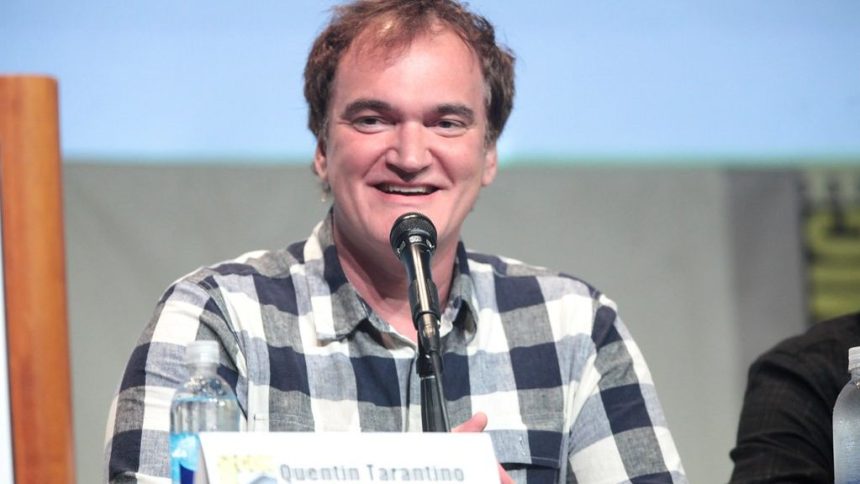
5. Quentin Tarantino – The Homage Artist Who Circled Back Too Many Times
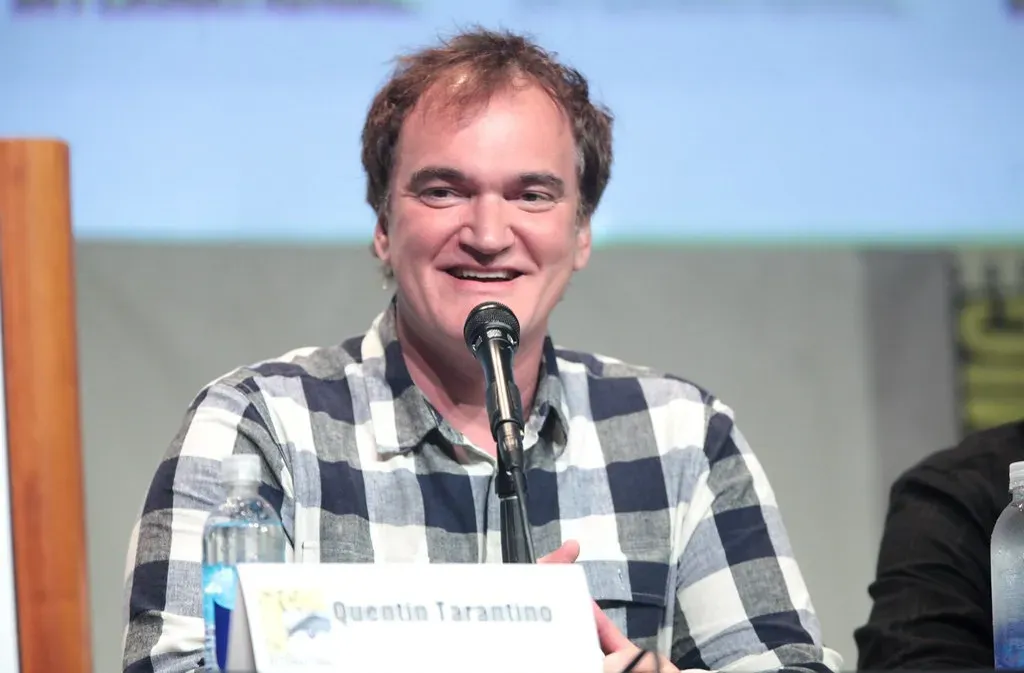
Tarantino’s films are known for their nonlinear storylines, stylized violence, and extended dialogue. The idea of non-linear storytelling actually comes from Stanley Kubrick’s film The Killing, and some critics argue that Pulp Fiction draws heavily from that era of filmmaking. That kind of creative borrowing isn’t inherently a flaw, but when it defines nearly an entire filmography, the originality question becomes legitimate.
Tarantino has talent and is a great writer of dialogue and director of actors. The likes of Pulp Fiction, Inglourious Basterds, and Reservoir Dogs are engaging films that many fans call art. Yet the cult of personality surrounding him has grown so large that each new project arrives carrying expectations it can barely meet. His films sometimes have pretentious dialogue, the pacing can really drag, and most of his endings feel weak. People tend to overlook these flaws because the stronger elements work well enough to overshadow the parts that feel bland or pretentious.
6. J.J. Abrams – The Nostalgia Engine With No New Ideas

Star Trek (2009) rebooted the franchise with high energy. Abrams is praised for blockbusters like Mission: Impossible III, but his heavy use of nostalgia and lens flares in Star Wars: The Force Awakens can feel repetitive. Critics argue his stories lean too hard on familiar tropes, lacking fresh ideas. The case against Abrams is less about individual films and more about the cumulative pattern.
The term “overrated” is inherently subjective. Some viewers prioritize technical skill, visual style, or commercial success, while others value storytelling, character development, or consistency. As a result, a director considered overrated by one movie fan may be viewed as a cinematic genius by another. In Abrams’ case, though, the gap between the excitement his projects generate before release and the conversation they tend to produce after has become a reliable pattern in itself. That gap, sustained over years and multiple franchises, is precisely what overrated looks like in practice.
Partner offer
Planning a trip to Vegas?
Compare hotel rates and show tickets on VEGAS.com.