
A finished manuscript rarely arrives at a bookstore looking the way it did when the author first typed the last sentence. Between that moment and the printed page, an editor, and often several, will have read it closely, questioned it, and nudged it toward a stronger version of itself.
The work is less mysterious than it sounds, though it’s easy to underestimate. Editing happens in distinct stages, each with its own purpose, and each one changes the book in a different way.
Acquiring the Book in the First Place

Editing begins before any edits are made. An acquisitions editor reads submissions, usually from literary agents, and decides whether a project fits the publisher’s list and has a realistic readership. That choice often involves sales, marketing, and editorial colleagues, not just one person’s taste.
The editor also becomes the author’s main advocate inside the company. They present the book at internal meetings and help set expectations about format, timing, and positioning. Without that early champion, even a strong manuscript can stall.
The Editorial Letter and Big Picture Feedback

Once a book is acquired, the first round of feedback usually looks at the whole. This is often called developmental or structural editing. The editor reads the manuscript with an eye on plot, argument, pacing, character, and whether the opening earns the reader’s attention.
Feedback typically arrives as an editorial letter, sometimes several pages long, alongside notes in the margins. It might suggest cutting a subplot, reordering chapters, or clarifying a thesis. The author then revises, and this stage can repeat more than once.
Line Editing and the Sound of the Prose

After the structure holds, attention moves down to the sentence level. Line editing looks at rhythm, word choice, clarity, tone, and consistency of voice. The goal isn’t to rewrite the author but to help each paragraph say what the writer actually means.
Good line editors tend to leave the author’s style intact while trimming repetition and awkward phrasing. In nonfiction, this often means untangling dense explanations. In fiction, it can mean sharpening dialogue so it sounds like real speech.
Copyediting for Accuracy and Consistency
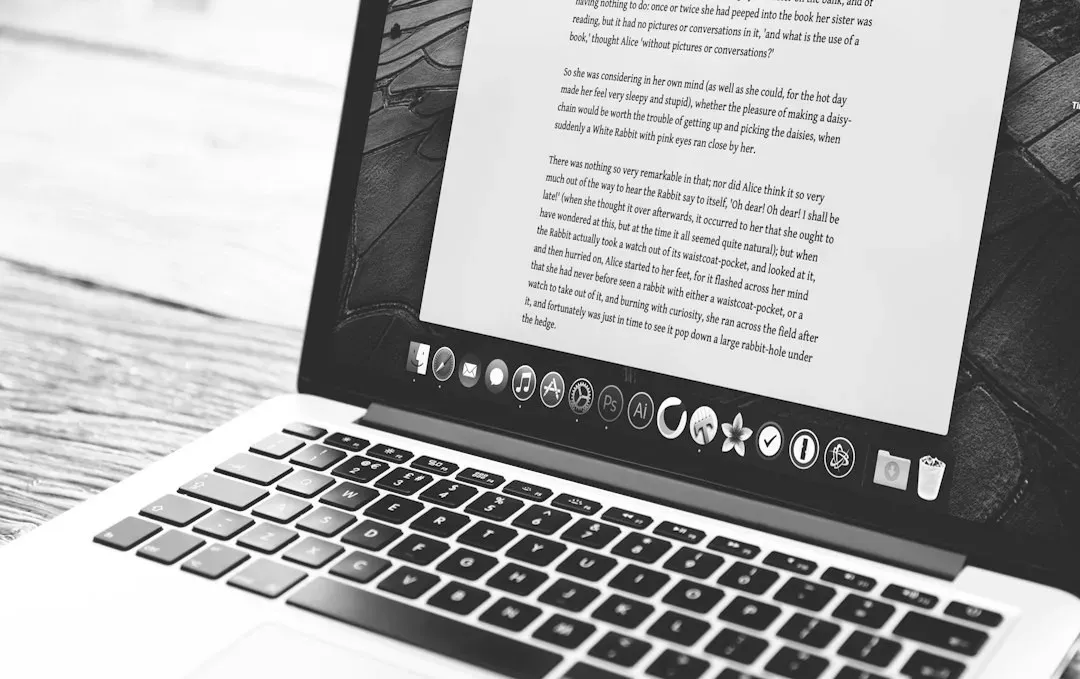
Copyediting is the technical pass. A copyeditor corrects grammar, spelling, punctuation, and usage, and they apply a house style so the book follows consistent rules. The Chicago Manual of Style is the standard reference for most American trade book publishers.
Copyeditors also catch continuity problems, such as a character’s eye color changing or a date that doesn’t match an earlier chapter. They flag facts to verify and keep a style sheet recording decisions about names, spellings, and terms. That sheet later guides the proofreader.
Partner offer
Fact-Checking and Legal Sensitivities
Fact-checking responsibilities vary by publisher, and in book publishing the author is generally responsible for the accuracy of their own work. Editors and copyeditors still query claims that look doubtful. Nonfiction authors are often asked to supply sources for quotations, statistics, and historical details.
Some manuscripts also go through a legal read, especially memoirs, biographies, and investigative books. A lawyer may flag possible defamation, privacy concerns, or unlicensed use of copyrighted material. Changes at this stage can be small, but they protect both author and publisher.
Working With the Author Through Disagreement

Editing is a collaboration, and it doesn’t always go smoothly. Authors may resist cuts or feel protective of passages that editors find unnecessary. The best editorial relationships rely on trust and clear explanations of why a change is suggested.
The author usually has the final say on creative content, within the terms of their contract. Editors choose their battles, pushing hard on what affects the reader’s experience and letting smaller preferences go. Compromise is a normal part of the process.
Titles, Covers, and Positioning
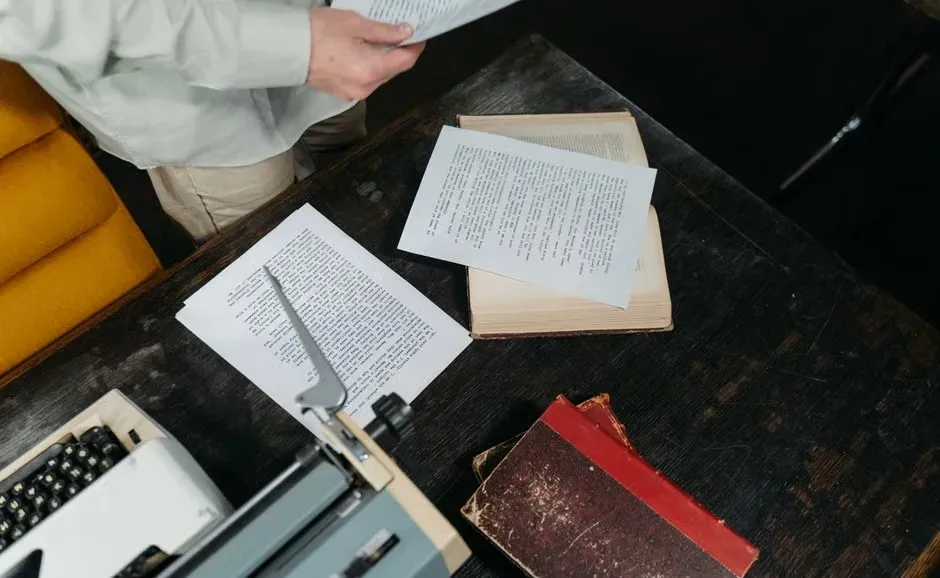
An editor’s influence extends beyond the text itself. Titles and subtitles are often negotiated between the author, editor, and marketing team, because a title has to work in search results and on a shelf. Jacket copy and catalog descriptions are frequently shaped by the editor too.
Editors typically weigh in on cover design, giving feedback to the art department about tone and genre signals. They also help write the pitch that sales representatives use with booksellers. In that sense, they translate the manuscript into something a market can understand.
Proofreading and the Final Checks

Once the manuscript has been typeset into pages, proofreaders compare those pages against the edited text. They look for typos, missed corrections, awkward line breaks, and layout errors. This is a final cleanup, not a chance to restructure the book.
Authors usually review the page proofs as well, and changes at this point are kept small because they’re costly. Many publishers charge authors for extensive alterations after typesetting, depending on the contract. After corrections are entered, the files go to the printer.
How Technology and AI Are Entering the Process
Editors now use software for tasks like consistency checks, track changes, and shared style sheets. Generative AI tools have also sparked debate in publishing, with many houses and author groups raising concerns about copyright, disclosure, and quality. The Authors Guild, for example, has advocated for transparency and consent when AI is involved in books.
Policies differ widely between publishers, and the landscape is still changing. What hasn’t shifted is the editor’s core role as a human reader who judges meaning, voice, and audience. Tools may speed up routine checks, but decisions about what a book should be remain editorial ones.
Partner offer
Planning a trip to Vegas?
Compare hotel rates and show tickets on VEGAS.com.