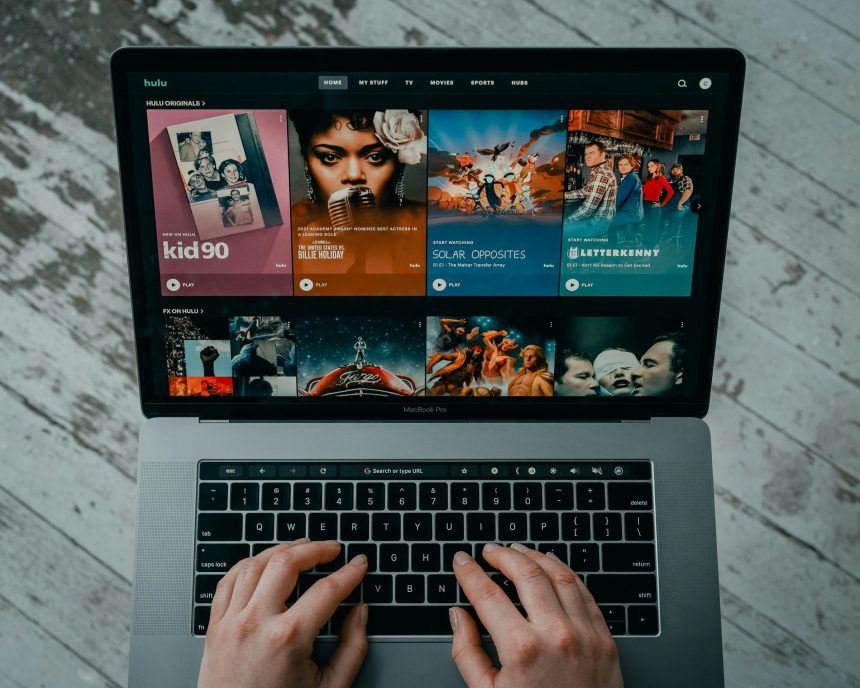
Open any streaming app on a Friday night and you’ll probably notice the older films come and go. A favorite from the nineties is there one month and gone the next, with no announcement. That isn’t random.
Behind each catalog sits a stack of negotiations, spreadsheets and rights questions. Here’s how those choices usually get made.
Library Titles Now Carry Real Weight

Older movies matter more to streamers than many viewers realize. According to Parrot Analytics, library and Pay-2/3 licensing windows now account for roughly two-thirds of total movie streaming value, up sharply from 26% in 2022. That’s a big shift in only a few years.
The practical effect is that platforms treat back catalog as a core product rather than filler. Platforms are rebuilding catalogues aggressively, and library licensing fees have strengthened as a result. Rights holders know it, and they price accordingly.
Who Actually Owns the Rights
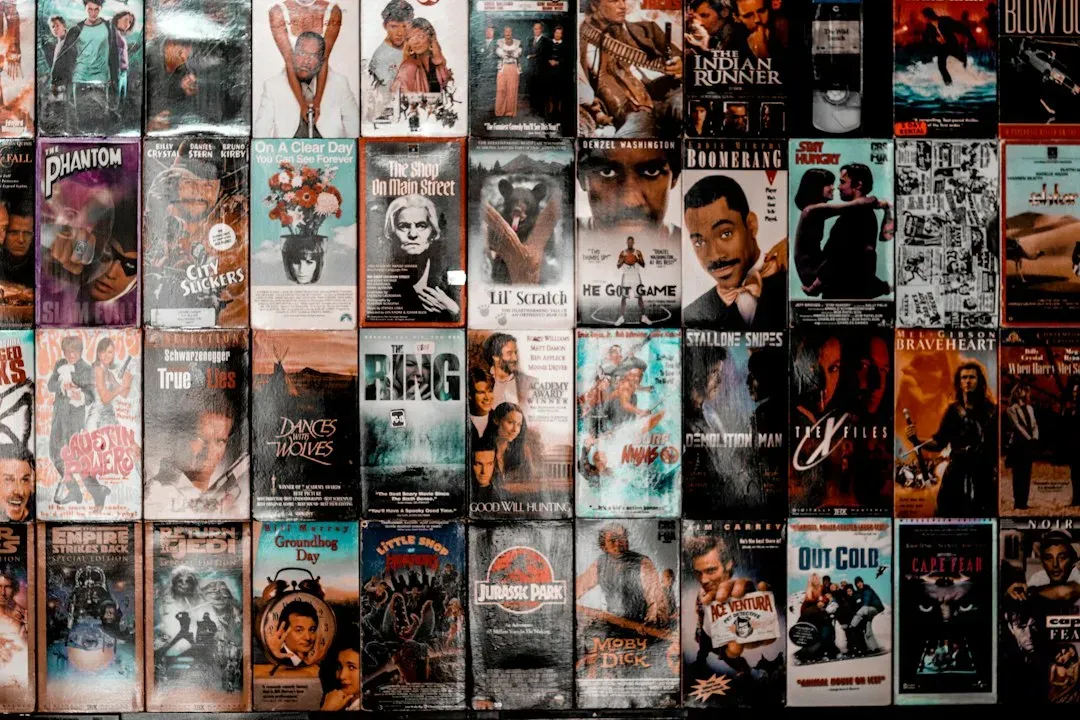
Before a streamer can license anything, someone has to hold the rights, and that’s often messier than expected. Warner Bros., Paramount Pictures, Sony Pictures, Universal and Disney sit at the top of the pyramid. Alongside them are independent sales agents, regional pay TV operators and IP catalog funds that acquire and monetize existing film libraries.
Older films can have tangled ownership after mergers, sales and territory splits. A title may be easy to license in one country and unavailable in another. Streamers tend to favor films with clear, clean rights, since those are quicker to close.
Short Windows Rather Than Permanent Rights
Licensing deals are temporary by design. Streaming platforms no longer buy lifetime rights. One 2026 industry guide says the standard SVOD licensing deal runs 3 to 12 months for library content.
This explains why movies vanish so often. When a window ends, the streamer decides whether to renew, and that depends on the price and on how the film performed. The same guide notes that shorter windows can suit rights holders, since a shorter window preserves the ability to renegotiate based on actual platform performance data.
What the Viewing Data Says

Streamers watch how people use a film, not only whether they click it. Completion, repeat viewing and whether a title draws new subscribers or keeps existing ones all feed into the decision. A modest film that people reliably finish can be worth more than a famous one that gets abandoned.
The data also helps with pricing. If a title performed well on a platform, renewal gets easier to justify, and a rights holder may push for more money. If it barely moved, the platform has leverage to walk away.
Deal Structures: Flat Fees or Revenue Share

How the money flows shapes which titles get picked. Industry guidance suggests that for well-performing library titles on high-traffic platforms, revenue share can outperform minimum guarantee deals over a multi-year term. For unknown quantities, the safer route differs: for titles without a known audience, an MG is safer.
Partner offer
So a proven crowd pleaser might be handled one way and an obscure curiosity another. Both sides are managing risk. The streamer wants to avoid overpaying, and the studio wants steady income.
Exclusive or Non-Exclusive Access
Exclusivity costs more, so platforms use it selectively. Non-exclusive licensing allows the same title to appear on multiple platforms simultaneously, which is increasingly common for ad-supported and free channel rights. That’s why one older movie can pop up on several services at once.
For a big name film, a streamer may pay extra to be the only home for it. For a mid-budget title with a modest following, sharing is often the more realistic outcome. Exclusivity usually goes where it can drive sign-ups.
The Rise of Free, Ad-Supported Platforms

Free services have become a major buyer of older films. One 2026 industry guide says FAST channels added 21% more global channels in 2025, reaching 1,850 globally, and describes a market worth around fourteen billion dollars. That creates real demand for deep catalog.
One review describes Tubi as an accidental archive of the strange and the out-of-print. Ad-supported services can make money from films that a paid subscription service wouldn’t bother to keep, because each title only needs to attract some viewers.
Regional Rules and Territory Splits

A film’s availability depends heavily on where you live. Reviewers note that the Netflix catalog varies substantially by country, and that regional licensing means the full Criterion library is not available in every country.
Rights holders often divide the world into tiers and sell each separately. Guides advise licensing some regions through bundle deals and others non-exclusively to ad-supported platforms. A streamer may want a movie badly in one market and have no use for it in another.
Brand Fit and Curation

Not every service wants the same older films. Specialist services build around identity, and a few keep small catalogs on purpose. One review says Mubi’s catalog rotates by design, a small set of hand-picked world-cinema titles rather than an endless scroll.
Larger platforms look for breadth, while niche ones look for fit. The Criterion Channel, for instance, offers streaming access to more than 1,000 important classic and contemporary films, according to Consumer Reports. A film that suits a curated home may be a poor match for a general service, and the reverse holds too.
Studios Are Both Suppliers and Rivals

The major studios now run their own services while still selling to others. In one 2026 overview, Warner Bros. Discovery is described as licensing back catalog to Netflix and competing with it for new IP. That tension affects which films get offered outside the studio’s own app.
Some studios keep their most valuable older films close and license out the rest. Others sell broadly to maximize income. Consumer Reports describes one smaller service’s deals in which the pact with Sony is for the studio’s extensive back catalog, a sign that back catalog is still a common currency between companies.
Partner offer
Planning a trip to Vegas?
Compare hotel rates and show tickets on VEGAS.com.