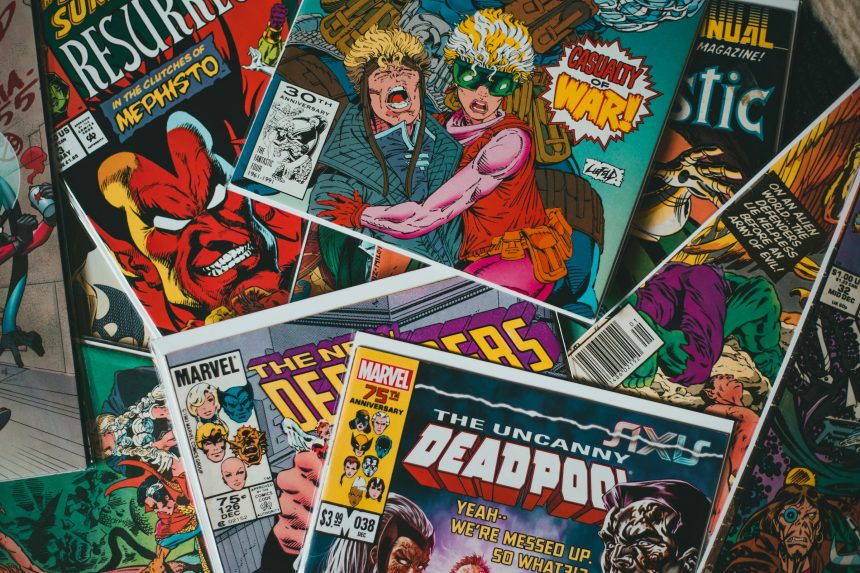
Most boxes of old comics hold a lot of ordinary issues and, now and then, one that matters. The trick is knowing which pile you’re looking at before you spend money on anyone’s opinion.
A few quick checks at your kitchen table can narrow things down a great deal. The sections below cover what to look at, what the current market shows, and when a professional appraisal or grading submission is likely to pay off.
Start With the Age of the Books
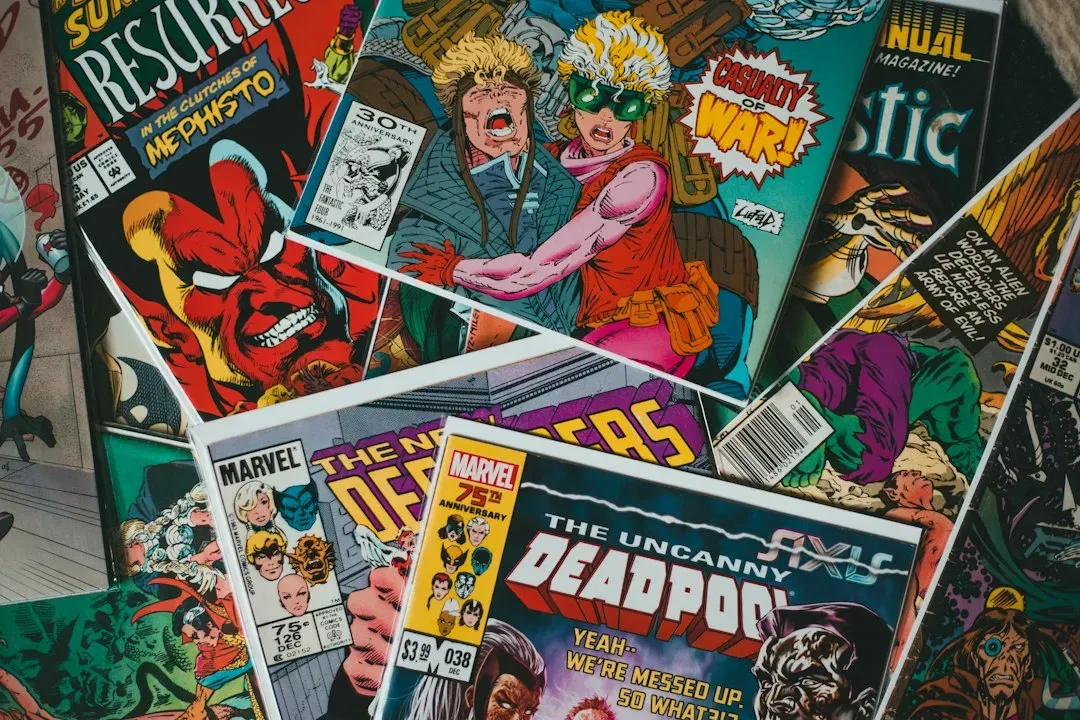
Comics are usually sorted into eras, and age is a rough guide to scarcity. Books from the late 1930s through the 1950s are the rarest, since few were saved and paper was often thrown away. Silver Age books from the late 1950s into the 1970s come next, followed by Bronze Age issues from the early 1970s to the mid 1980s.
Older doesn’t automatically mean valuable, though. Plenty of 1960s and 1970s issues were printed in huge numbers and sell for a few dollars. Age only tells you where to look harder, and the pre 1975 line is also where grading services change their pricing categories.
Look for Key Issues
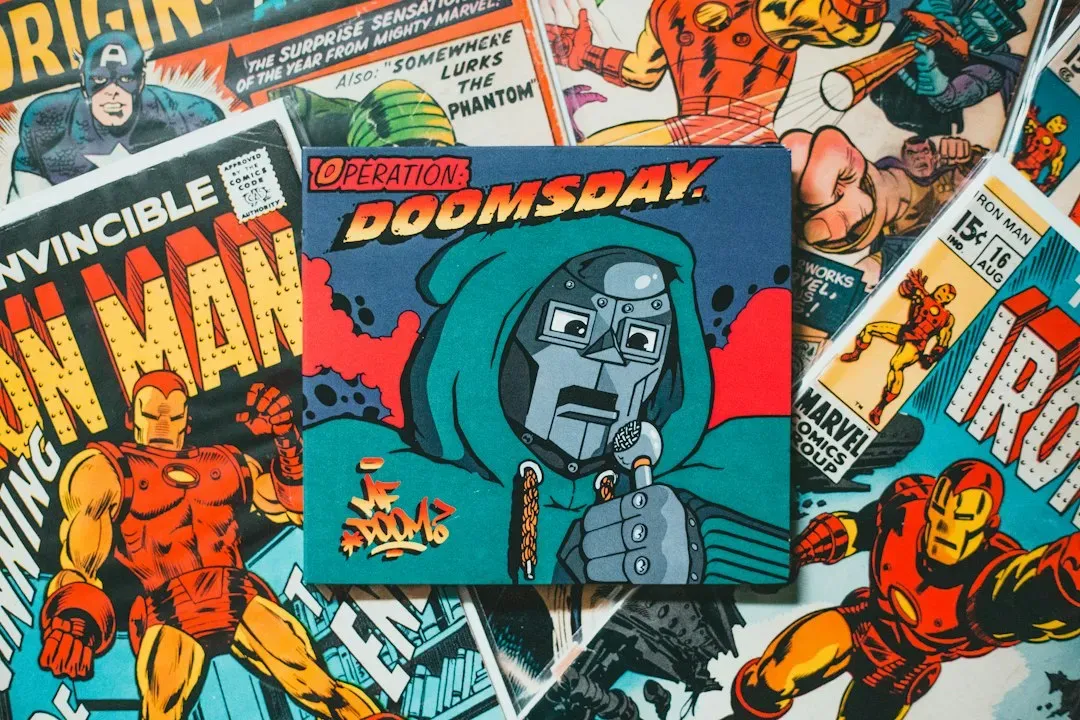
Value tends to cluster around key issues, meaning first appearances of major characters, origin stories, and landmark events. A random issue of a famous series is usually worth far less than the issue that introduced a character who later hit the movies. Collectors and dealers track these, so a quick search of your title and issue number will often tell you if you hold one.
Price ranges for key issues can be wide. One 2026 guide lists Incredible Hulk #181, the first full appearance of Wolverine, anywhere from about two thousand to thirty thousand dollars depending on condition. That spread is why the same title can mean very different things from one copy to the next. Check the issue number carefully, because a reprint or a neighboring issue won’t carry the same premium.
Judge the Condition Honestly
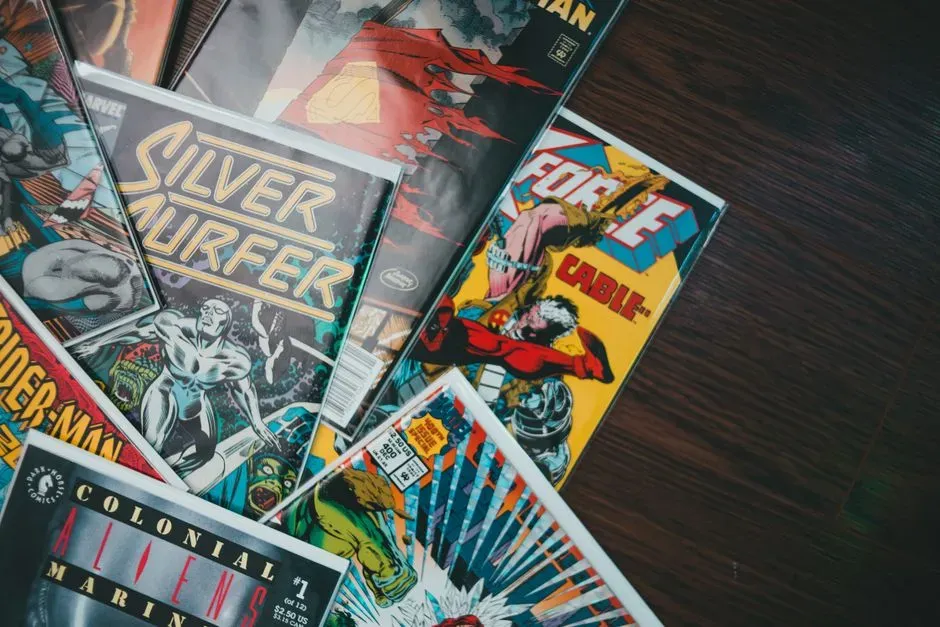
Condition is often the biggest single factor in price. Grading services use a numerical scale, and CGC rates comics from 0.5 to 10.0 and seals them in tamper proof cases. Wikipedia’s overview of the company notes that condition is a significant factor in the valuation of a comic book.
Look at the spine for stress lines, the corners for blunting, and the cover for creases, stains, or tape. Check for writing, stamps, or cut out coupons. Be tougher on your own books than you’d like, since sentimental copies almost always look better to their owners than to buyers.
Confirm the Edition and Print
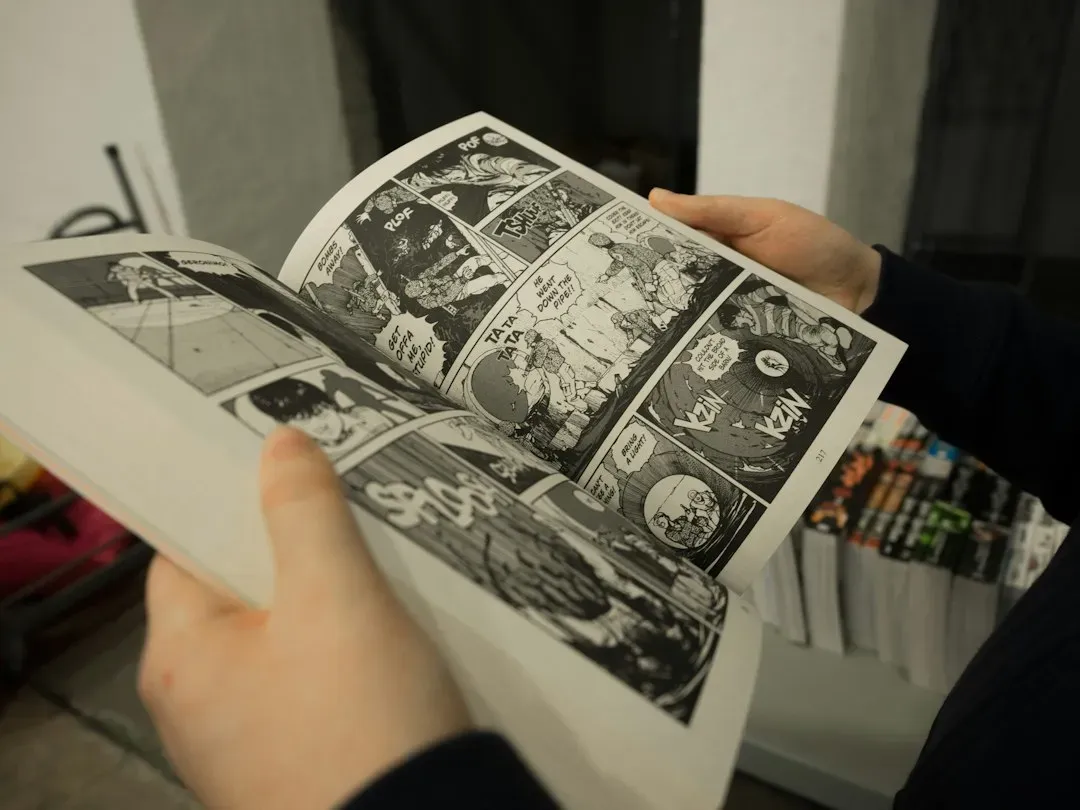
Two comics with the same cover can be very different items. Reprints, later printings, and facsimile editions often look similar to the originals but sell for a small fraction of the price. Look at the cover date, the indicia on the first pages, and any printing notes to confirm you have a first printing.
Variant covers matter as well, especially for modern books. One documented example from 2025 and 2026 sales is a Star Wars #1 Skottie Young variant from 2015. A 9.8 copy reportedly sold for about three hundred eighty dollars, while a 9.9 brought roughly forty two hundred. Small details on the cover can change everything.
Check That the Book Is Complete

Missing or detached pages can sharply reduce value, and so can a cover that’s come loose. Flip through gently, confirming that the page count looks right and that any inserts, such as posters or trading cards, are still there. Check for coupons cut from the back or interior pages, a common issue in older books.
Pay attention to whether the pages look consistent. Brittle, dark paper is normal for some eras, but it also means the book needs careful handling. If the comic feels fragile, avoid heavy use and don’t flex it repeatedly.
Compare With Real Sold Prices
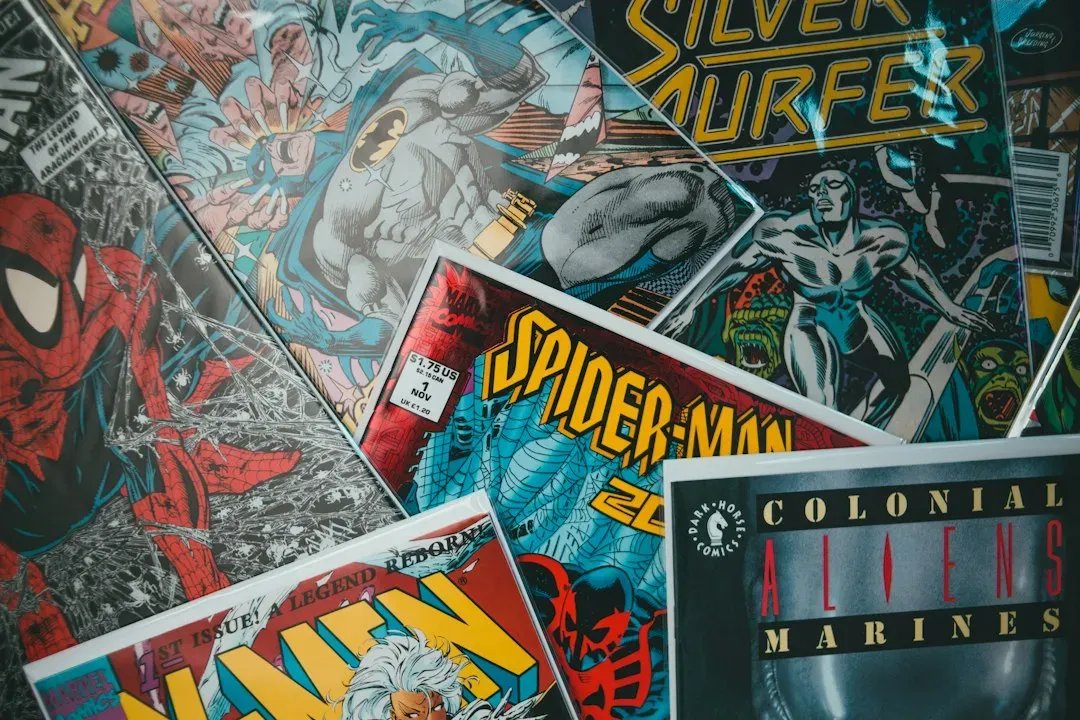
Asking prices on listings can be wishful. What counts is what buyers actually paid, so look for completed sales on auction sites and records from major houses. Match your book’s grade as closely as you can, since a copy in good condition and one in poor condition are priced in different worlds.
Consider the high end for perspective. One 2026 market review reports Detective Comics #1 in CGC 8.5 selling for 638,250 dollars in March 2026, against a prior record of 228,000 dollars for a 6.5 copy in April 2025. Those are exceptional books, but they show how sharply a higher grade can lift a price. Note that this review comes from a collector focused site, so treat individual figures as a guide and confirm them where you can.
Do the Grading Math
Grading costs money, and it only makes sense when the likely gain outweighs the bill. For US submissions in 2026, entry service starts near thirty dollars per book, though the total can pass one hundred dollars with pressing, signature authentication, expedited handling, high declared value, and insured delivery. Shipping and insurance add to that.
One 2026 guide suggests grading mostly pays off when a book’s raw value is above roughly one hundred dollars, since fees, round trip shipping, and insurance can exceed the potential gain below that. The same guide points out a cheap modern book submitted at a fast tier can cost more in fees than the slab adds in value. Fee schedules and turnaround times change, so check the company’s current page before you submit.
Know the Risks of Restoration and Cleaning
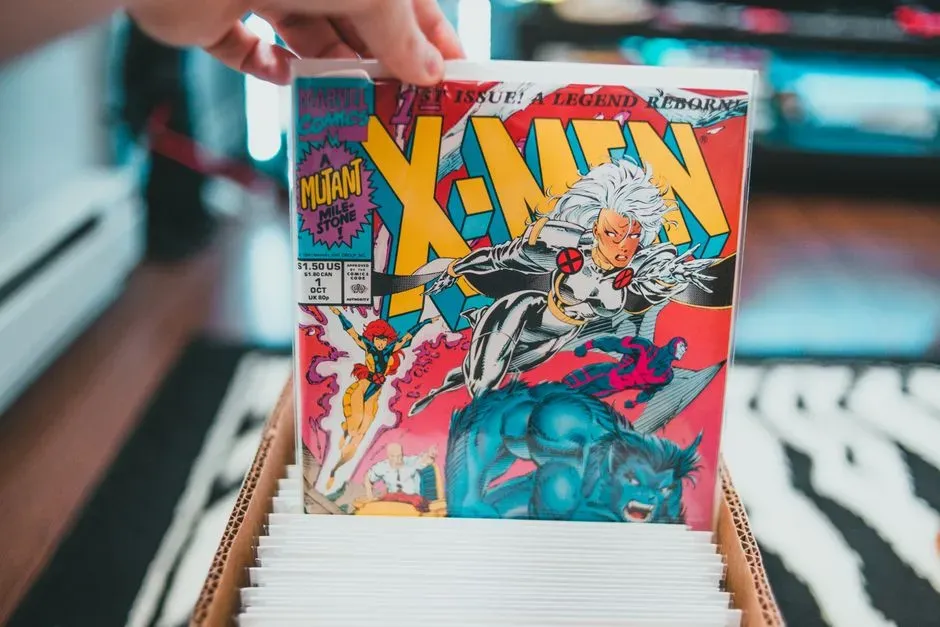
It’s tempting to tidy a worn comic, but home fixes tend to hurt. Tape, glue, erasing, and washing can all count as restoration or damage, and they can lower both the grade and the price. A book with obvious repairs is a different product from an untouched copy, even if it looks nicer.
Professional pressing is a separate matter and is sometimes done before grading. CGC lists modern pressing at twelve dollars per comic as of July 2026, charged separately from grading. Whether that’s worthwhile depends on the book, so if you aren’t sure, leave it alone and ask first.
Choose the Right Kind of Opinion

An appraisal and a grade aren’t the same thing. A grade describes condition and authenticates a book, while an appraisal gives a value, often for insurance, estate, or sale purposes. A reputable local dealer, an auction house consignment desk, or a certified appraiser can help depending on what you need.
Ask how they set their fees, and be wary of anyone who wants a percentage of a purchase they’d also make. For a batch of dozens of books, a dealer may give you a quick triage by pulling the few worth a closer look. That can save you from paying for formal work on a box of common issues.
What to Do Next
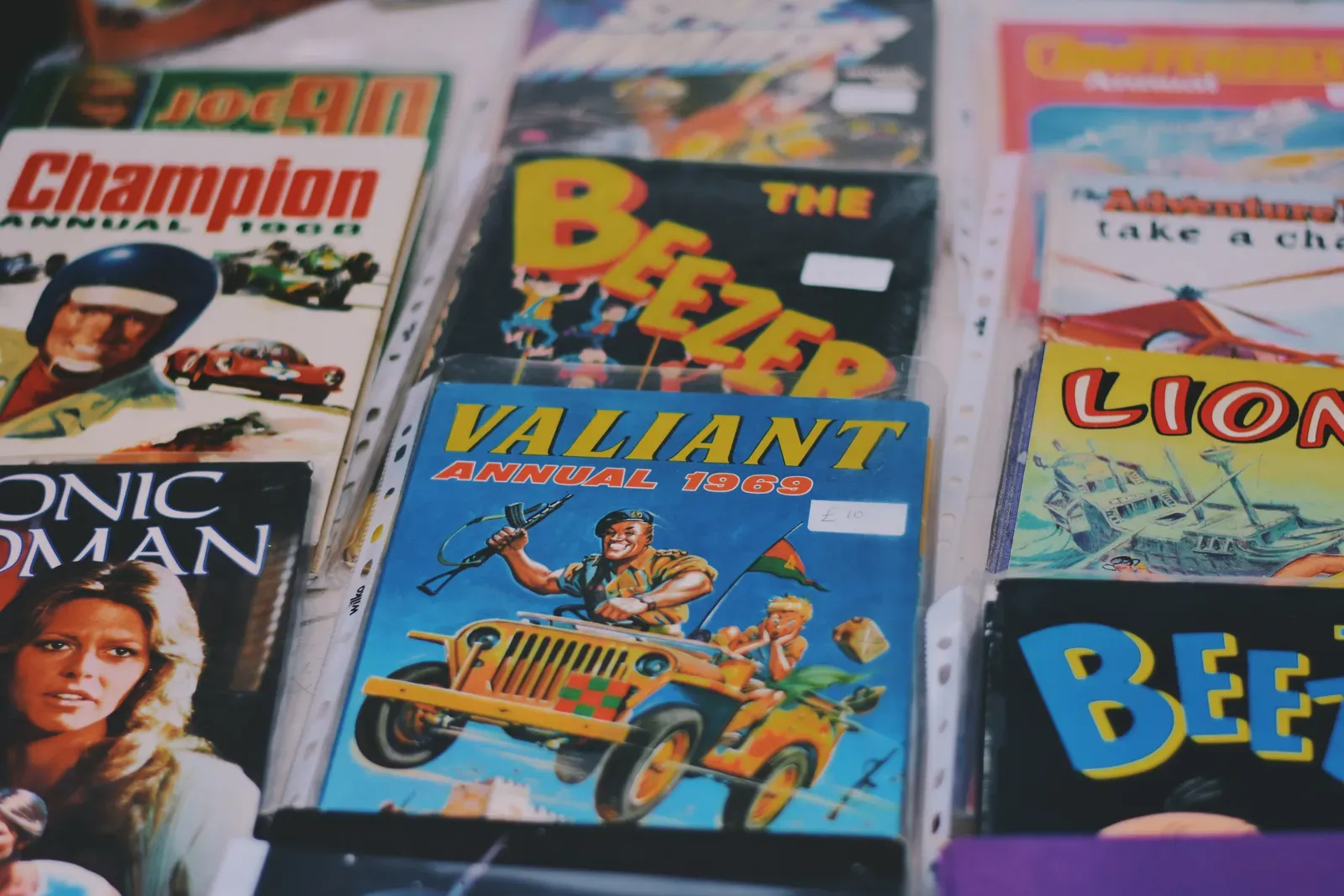
Sort your books by era, then pull out any key issues and anything in strong condition. Store them upright in bags with backing boards, away from heat, damp, and direct sunlight.
Look up sold prices for each candidate, work out the grading math, and consider a professional opinion for the ones that clear it. The rest can be enjoyed or sold in a bulk lot.