


Some movies fade from memory while their theme songs keep playing on the radio decades later. It’s a strange kind of trade-off in pop culture: a film gives a song its first stage, and then the song outgrows the stage entirely, becoming a wedding staple, a karaoke favorite, or a workout anthem that outlives the plot that inspired it. The ten examples below show just how often the soundtrack ends up outshining the screen.
1. “Eye of the Tiger” by Survivor (Rocky III, 1982)


Rocky III sees Sylvester Stallone’s boxer defending his title against trash-talker Clubber Lang, played by Mr. T, while being retrained by his former rival Apollo Creed. The film did fine at the box office, but the song became something else entirely. “Eye Of The Tiger” raced to number one on the pop charts and remained there for six consecutive weeks, five weeks longer than the theme song for the original Rocky.
The song also earned a Grammy Award for Best Rock Performance by a Duo or Group with Vocal and received an Academy Award nomination for Best Original Song. Decades on, most people who can hum the opening riff have never sat through Rocky III in full. It’s become shorthand for grit itself, used in gyms, sports arenas, and motivational speeches with no reference to Clubber Lang at all.
2. “Kiss from a Rose” by Seal (Batman Forever, 1995)


This is one of the strangest cases on this list because the song wasn’t written for the movie at all. Contrary to popular belief, the song was not written for Batman Forever. It actually appeared in The NeverEnding Story III a year earlier. It was originally released in 1994 as the fourth and final single from Seal II, and it was a fast flop, bottoming out of the charts in a couple of weeks.
Director Joel Schumacher rescued it almost by accident. It topped the US Billboard Hot 100 for one week in August 1995 and went to number four on the UK Singles Chart. At the 1996 Grammy Awards, it won awards for Record of the Year, Song of the Year, and Best Male Pop Vocal Performance. Batman Forever is remembered today mostly for its neon excess, but Seal’s ballad became a genuine standard.
3. “I Will Always Love You” by Whitney Houston (The Bodyguard, 1992)

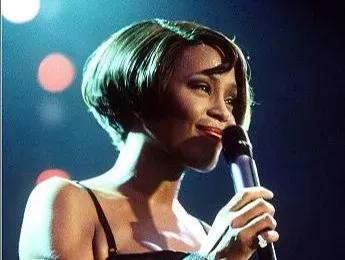
Dolly Parton wrote the original version years earlier, but Whitney Houston’s cover for The Bodyguard turned it into one of the best-selling singles of all time. The film, a modest romantic thriller pairing Houston with Kevin Costner, did solid box office business but never achieved classic status among critics. The song, however, spent fourteen weeks at number one on the Billboard Hot 100, a record that stood for years.
It’s the kind of vocal performance people study and imitate at every talent show imaginable, completely detached from the plot about a pop star and her security detail. Whitney Houston’s rendition has become the default version most listeners think of, eclipsing even Parton’s original in cultural memory for a generation of fans.
4. “My Heart Will Go On” by Céline Dion (Titanic, 1997)

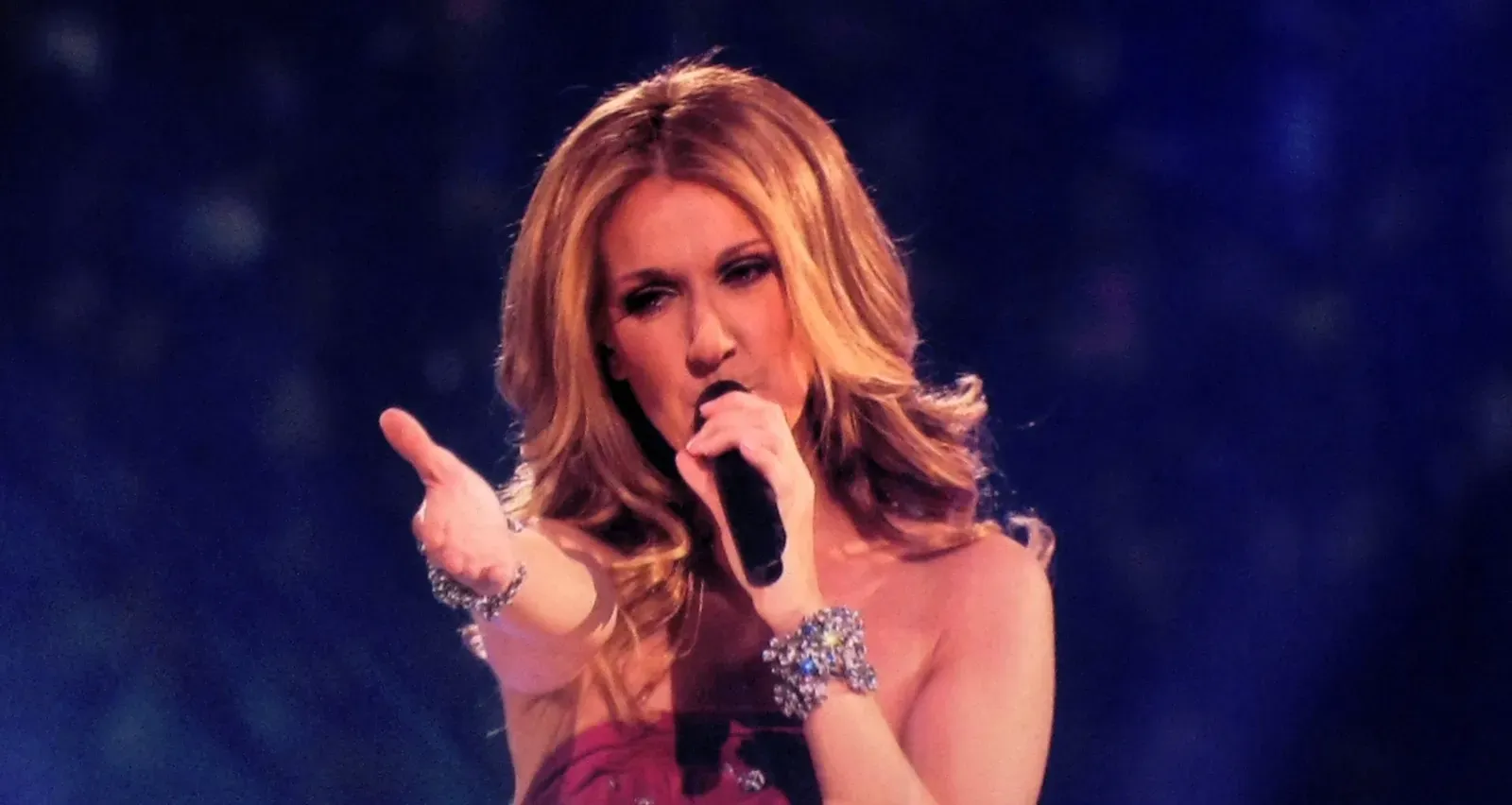
Titanic was already a cultural phenomenon in its own right, so this entry is a bit different. Still, the song managed to become something separate from the film, a genre unto itself that gets requested at weddings and parodied endlessly without any need to reference Jack, Rose, or the iceberg. James Horner composed the melody almost against director James Cameron’s initial wishes, reportedly worried a pop song would cheapen the score.
The gamble paid off in a way few could have predicted. The single topped charts in dozens of countries and became one of the best-selling singles in history, turning Céline Dion into a household name well beyond the film’s already massive audience. Even people who’ve never watched the ship sink know every syllable of the chorus.
5. “Take My Breath Away” by Berlin (Top Gun, 1986)

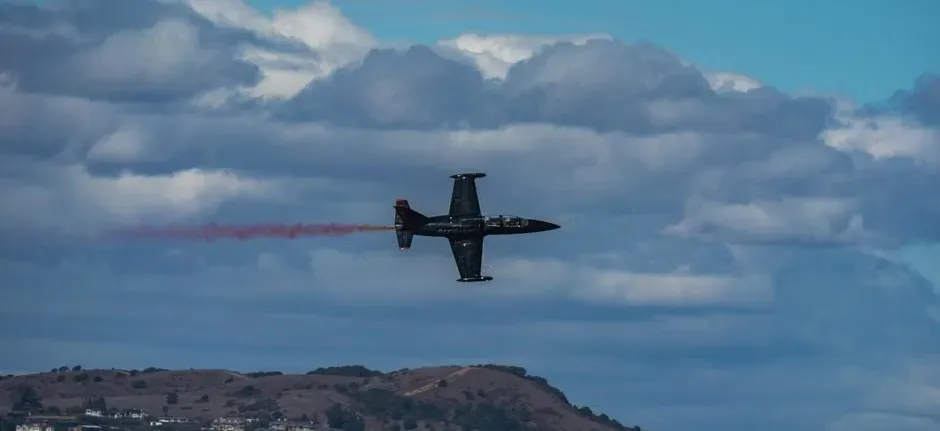
Top Gun made Tom Cruise an even bigger star and gave audiences aerial dogfights that still hold up decades later. Yet the film’s romantic centerpiece, Berlin’s synth-heavy ballad, has taken on a life separate from any specific scene involving Maverick and Charlie. It won the Academy Award for Best Original Song, a rare honor for a synth-pop band that never had another hit close to this size.
The track’s slow-burning atmosphere made it a staple of eighties nostalgia playlists long after most viewers forgot the specifics of the film’s plot. It gets referenced constantly in commercials and streaming service ads, often stripped of any Top Gun imagery at all. For a band remembered almost entirely for one song, that’s a legacy few one-hit wonders manage to achieve.
6. “Flashdance… What a Feeling” by Irene Cara (Flashdance, 1983)

Flashdance was a modest dance drama about a welder who dreams of becoming a professional dancer, memorable mostly now for leg warmers and a bucket of water poured over a chair. The theme song, though, became an aspirational anthem that transcended its dance-movie origins almost immediately. It hit number one on the Billboard Hot 100 and won both an Academy Award and a Golden Globe for Best Original Song.
Irene Cara’s delivery gave the lyrics a triumphant urgency that made the song a staple at graduations, motivational events, and fitness classes for years afterward. Few of the people belting it out at karaoke nights could describe the film’s plot beyond “dancer wants a better life.” The song simply became bigger than the story that spawned it.
7. “Footloose” by Kenny Loggins (Footloose, 1984)


Footloose told the story of a teenager fighting to bring dancing back to a small town that had banned it, a plot that feels almost quaint by today’s standards. Kenny Loggins’ title track, however, became one of the defining songs of the entire decade, reaching number one on the Billboard Hot 100 and staying in heavy rotation on radio for years. It carries an energy that works just as well divorced from the film’s rather specific premise about municipal dance bans.
The song has been used in countless commercials, sitcoms, and even unrelated dance sequences that have nothing to do with the original story. Loggins built much of his solo career around soundtrack work, and “Footloose” remains the song most people associate with him, ahead of the movie’s own title recognition for younger audiences. It’s a rare case where the soundtrack single essentially became the franchise.
8. “(I’ve Had) The Time of My Life” by Bill Medley and Jennifer Warnes (Dirty Dancing, 1987)

Dirty Dancing has plenty of its own staying power as a film, largely thanks to Patrick Swayze and Jennifer Grey, but the closing duet took things further. It won the Academy Award for Best Original Song and hit number one on the Billboard Hot 100, giving both performers a career highlight that outlasted much of their other work. The song’s lift sequence has become so iconic that it’s often referenced without any mention of the film’s actual storyline about class and summer romance.
Wedding bands still play it constantly, often for couples who have never seen the movie at all. It’s used in dance competitions and talent shows worldwide as a standalone romantic anthem. The pairing of Medley’s baritone with Warnes’ higher register created a formula so effective it gets copied in countless other film ballads.
9. “Streets of Philadelphia” by Bruce Springsteen (Philadelphia, 1993)

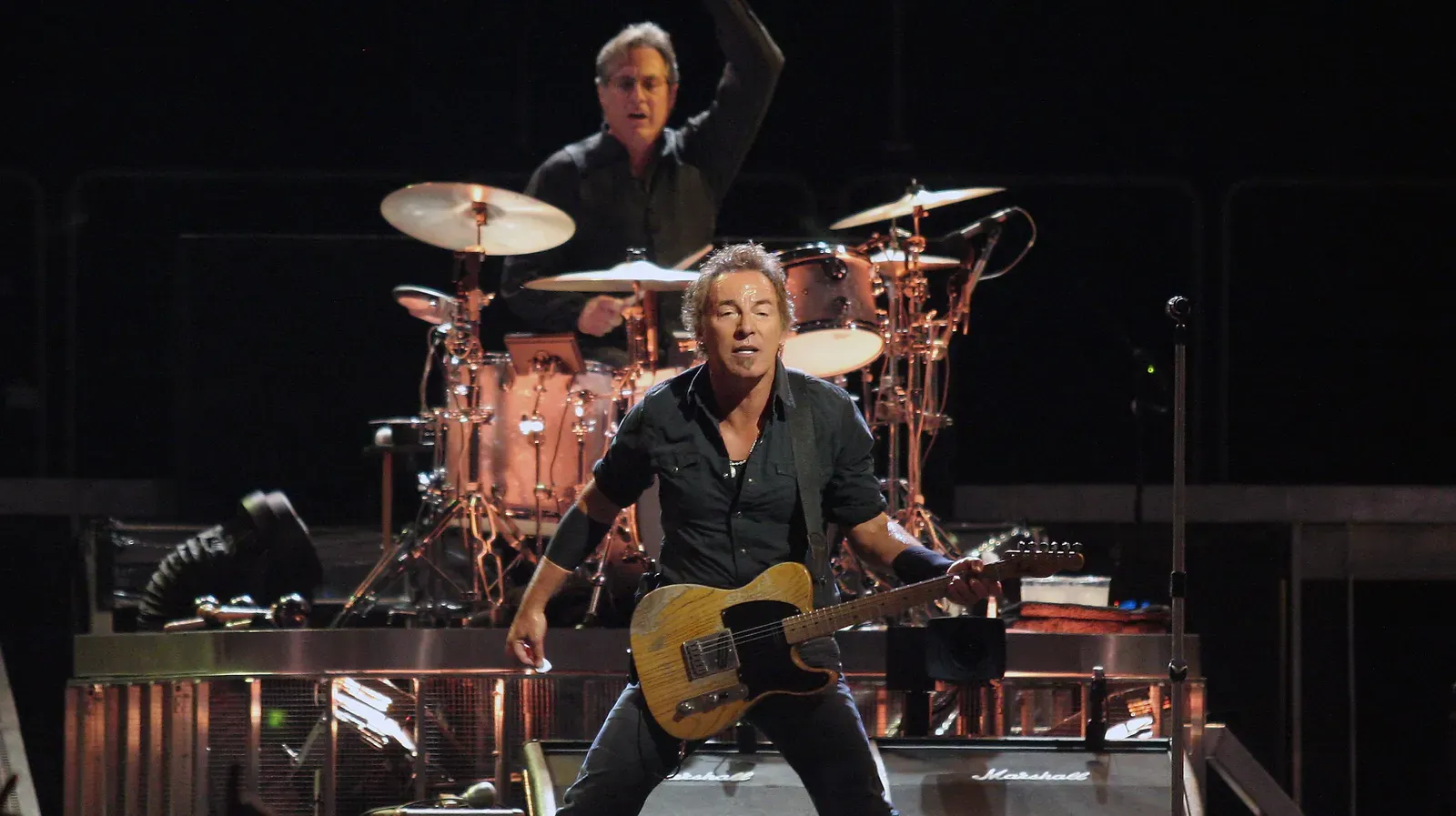
Philadelphia was a serious drama about a lawyer facing discrimination after being diagnosed with AIDS, an important film for its time but not one that draws casual repeat viewings. Springsteen’s stripped-down, synth-driven ballad won the Academy Award for Best Original Song and reached the top of the charts in several countries. Its somber tone and universal themes of isolation gave it a resonance well beyond the specific narrative of the film.
The song became one of Springsteen’s most acclaimed later-career singles, cited frequently among his best work outside his classic rock era output. It’s used regularly in tributes, memorials, and reflective moments in television that have nothing to do with the courtroom drama that inspired it. For an artist with an enormous catalog, that’s a significant distinction to hold onto.
10. “Everything I Do (I Do It for You)” by Bryan Adams (Robin Hood: Prince of Thieves, 1991)

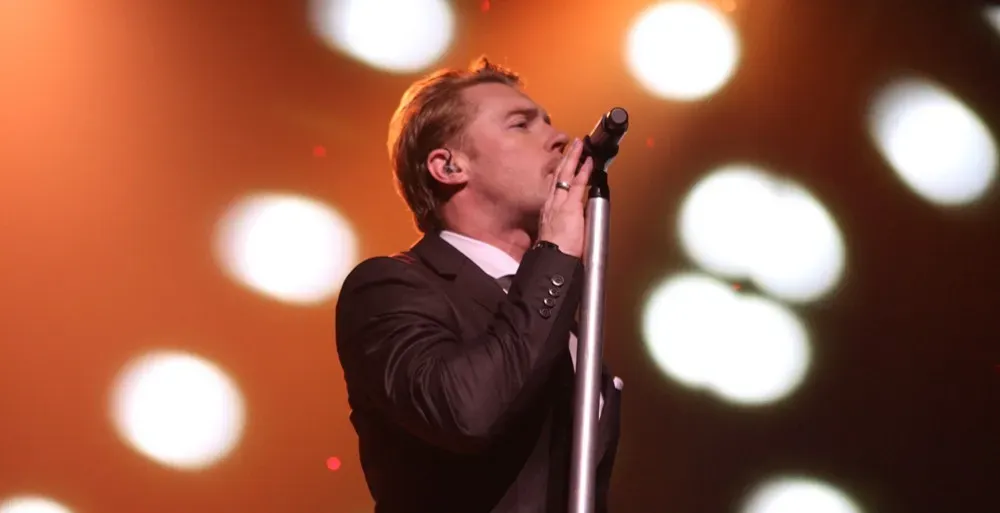
Robin Hood: Prince of Thieves is remembered today mostly for Kevin Costner’s inconsistent accent and Alan Rickman’s scene-stealing villain, a film that critics were mixed on even at the time. Bryan Adams’ power ballad, though, became a genuine global phenomenon, spending sixteen weeks at number one on the UK Singles Chart, a record that stood for years. It also topped charts across much of Europe and North America, turning into one of the best-selling singles of the era.
The song has become a wedding and prom staple that gets requested constantly, completely detached from Sherwood Forest or medieval England. Bryan Adams built an entire era of his career around its success, performing it at countless arena shows long after the film left theaters. Few power ballads from any decade managed to eclipse their source material this thoroughly.
These songs share a common thread. Each one arrived attached to a film, and each one eventually stood on its own, recognized by people who have never watched the movie that introduced it to the world. Sometimes the soundtrack outlives the story, and that’s simply how pop culture tends to work.

