
Every so often, a film arrives to a chorus of critical shrugs or outright scorn, only to spend the next few decades quietly proving everyone wrong. It happens more often than people assume, and the reasons are rarely simple. Sometimes it’s timing, sometimes it’s marketing, and sometimes critics just aren’t ready for what they’re watching yet. The films below all share a strange arc: dismissed or savaged when they opened, then rescued by ordinary viewers who kept watching, renting, and quoting them until the reputation flipped entirely. Here’s how nine movies went from punchline to permanent fixture.
1. The Shawshank Redemption (1994)
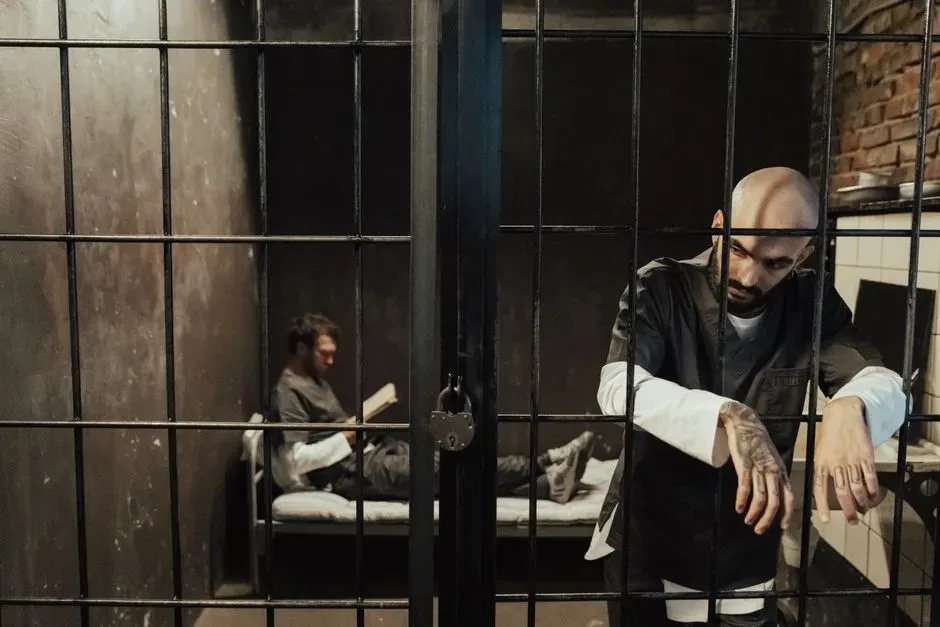
It’s hard to believe now, but Frank Darabont’s stirring, emotional prison drama was indeed a huge disappointment upon its initial release. The film opened in limited release before going wide in mid October, and it netted a measly 2.4 million dollars from nearly 1,000 theaters, leaving it at number 13 for the weekend box office, and by the time it left theaters in November, the movie had only made 16 million dollars, far short of recouping its 25 million dollar budget. Part of the blame reportedly fell on the title itself, which critic Duane Byrge questioned for its ability to connect with mass audiences.
The turnaround came through an unlikely channel. Warner Home Video shipped over 320,000 copies of the film to rental chains in 1995, leading it to become one of the top rented films of the year. Seven Oscar nominations helped too, and cable reruns on TNT sealed the deal. Today it sits at the very top of IMDb’s user rankings, a strange kind of vindication for a movie nobody bothered to see in theaters.
2. Fight Club (1999)

David Fincher’s adaptation of Chuck Palahniuk’s novel landed with a thud. The film failed to meet the studio’s expectations at the box office and polarized critics, with Roger Ebert famously giving it two stars and calling it a celebration of violence. On Metacritic, the reception was merely lukewarm rather than disastrous, but the box office told the real story: earning far less than its budget domestically.
What changed things was home video. Fight Club later found commercial success with its home video release, establishing it as a cult classic and causing media to revisit the film, and in 2009, on its tenth anniversary, The New York Times dubbed it the defining cult movie of its time. The film’s marketing had never quite figured out how to sell a movie that was equal parts satire and bare knuckle brawling, but once viewers could watch it on their own terms, the layers people missed in theaters finally landed.
3. The Big Lebowski (1998)

The Coen brothers followed up the critically adored Fargo with something stranger, and reviewers weren’t quite sure what to make of it. Like many cult movies, The Big Lebowski initially made an inauspicious debut with critics and audiences, and reviews were mixed while it performed poorly in the States, taking just 17 million dollars against a budget of 15 million. One review at the time called it mediocre among Coen brother movies, comparing it unfavorably to the studio’s earlier work.
The film’s second life came slowly, through repeated home viewings rather than any single moment of rediscovery. Lebowski fandom eventually took on a spiritual dimension when Oliver Benjamin, known as the Dudely Lama, founded his own religion based on the film, interweaving quotes from the movie with the ancient wisdom of the Tao and Buddhism. Jeff Bridges’ laid back performance as the Dude became such a cultural touchstone that Lebowski Fest conventions still draw costumed fans decades later.
4. Blade Runner (1982)

Ridley Scott’s dystopian noir opened against stiff competition and came away bruised. Variety’s original review predicted the film’s grim tone and vacuum at its story’s center would make it hard to recoup its budget, and when the film was released in 1982, it received a mixed reception among both critics and fans, as its dark lighting and unique style weren’t to everyone’s liking. Even Roger Ebert, who liked the film more than most at the time, admitted its story faltered even as its visuals dazzled.
The reversal took years rather than months. It was a true cult classic, flopping upon release only to gradually be recognized as a true masterpiece in modern times. Multiple recuts, including the Director’s Cut and Final Cut, helped audiences see the film without the studio mandated voiceover and tacked on ending that had confused original viewers, and now it’s routinely cited as one of the most influential science fiction films ever made.
5. Scarface (1983)
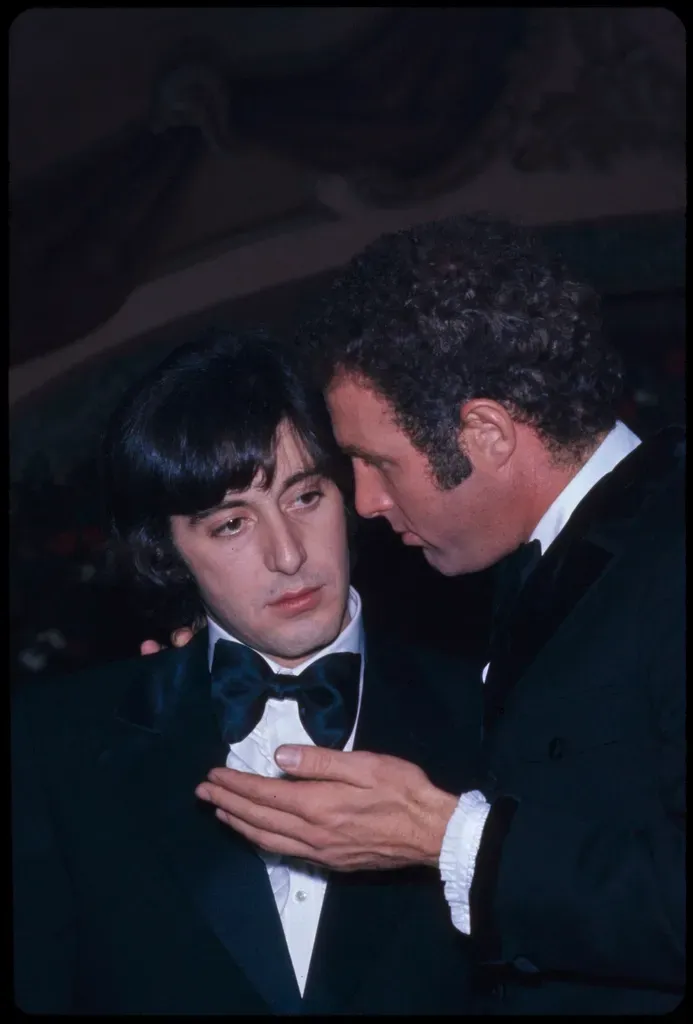
Brian De Palma’s gangster remake, written by Oliver Stone, was not gently received. Initial critical response was negative due to its extreme violence and depiction of stereotypes, and critic John Powers, who reviewed it at the time, later admitted he panned it for taking Howard Hawks’ original and remaking it as something trashy and excessive to the point of camp. It also underperformed relative to expectations, landing well outside the top box office draws of its year.
Decades of reappraisal changed the conversation entirely. In the years that followed, some critics reappraised the film, and it has been referenced extensively in pop culture, especially in hip-hop culture, as well as comic books, television programs, and video games. Its home video run helped cement the shift, as it quickly became a bestseller on VHS. What once read as excess now reads as prophecy about the culture that followed it.
6. It’s a Wonderful Life (1946)

Frank Capra’s holiday drama, now treated as an essential piece of American cinema, opened to a tepid box office and reviews that ranged from polite to indifferent. It lost money for its studio and was considered a disappointment for both Capra and star Jimmy Stewart at the time. Some critics found its sentimentality heavy handed, a charge that has followed the film ever since even as audiences came to embrace exactly that quality.
Its rescue came from an accident of copyright law. When the film’s copyright lapsed, television stations were able to air it for free, and it became a holiday season staple almost by default rather than design. That constant exposure did what the original release never managed, turning a financial disappointment into one of the most beloved films ever made about an ordinary life.
7. The Thing (1982)

John Carpenter’s remake of the 1951 science fiction film arrived the same summer as Steven Spielberg’s E.T., and the timing could not have been worse. Audiences wanted a friendly alien that summer, not a shapeshifting horror that dissolved its cast in gruesome practical effects. Reviews at the time criticized the film as excessively gory and nihilistic, and it underperformed badly at the box office against its more optimistic competition.
Home video and cable reruns slowly rebuilt its reputation among genre fans who appreciated what critics initially missed: some of the finest practical effects work ever put on film, paired with a genuinely paranoid, claustrophobic atmosphere. It’s now regularly ranked among the best horror films of its decade, a complete reversal from its theatrical reception.
8. The Rocky Horror Picture Show (1975)
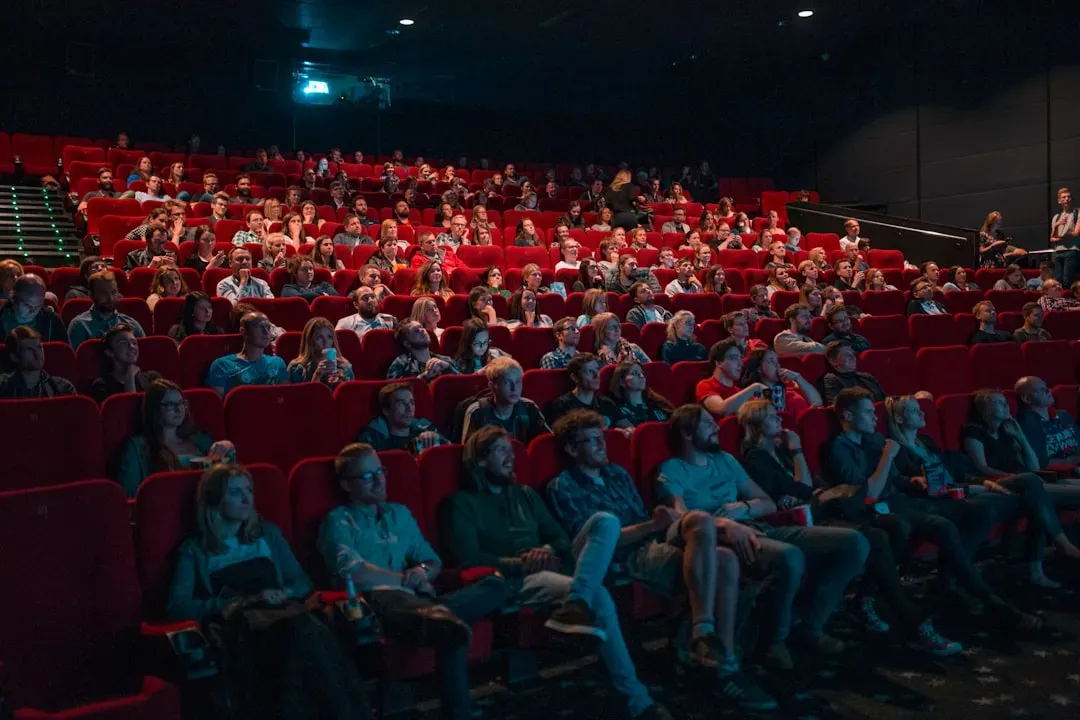
This musical comedy horror hybrid bombed so badly in its initial wide release that 20th Century Fox nearly buried it entirely. Critics were baffled by its campy tone, and mainstream audiences largely stayed away from what looked, on paper, like an odd novelty act rather than a coherent film. Standard theatrical runs ended almost as quickly as they began.
What saved it was the midnight movie circuit, where a small but devoted crowd began showing up in costume, shouting lines back at the screen, and turning screenings into interactive events. That grassroots ritual, rather than any critical reassessment, is what transformed the film into arguably the most successful cult movie phenomenon in cinema history, one that still fills theaters with audience participation screenings today.
9. Office Space (1999)

Mike Judge’s workplace comedy arrived quietly and left almost as quietly, earning modest reviews and an underwhelming box office take against its already small budget. Critics at the time found it amusing but slight, a minor comedy without much staying power in a year crowded with bigger releases. It came and went from theaters without making much of a dent.
Cable television changed everything. Frequent reruns turned the film’s deadpan humor about cubicle culture, printer rage, and soul crushing meetings into something an entire generation of office workers recognized instantly. Lines from the film entered everyday workplace vocabulary, and what started as a box office footnote became a defining comedy about corporate life for anyone who has ever hated their job. These nine films prove that a cold reception on opening weekend rarely settles the matter for good. Critics work under deadline pressure, judging a film against the expectations of its moment, while audiences get to revisit a movie years later with none of that baggage. Home video, cable reruns, and eventually streaming gave each of these films a second chance that their initial theatrical runs never allowed, and in every case, viewers ended up seeing something the critics missed the first time around.
Partner offer
Planning a trip to Vegas?
Compare hotel rates and show tickets on VEGAS.com.