Most bookshelves hold at least one thick classic with a bookmark stuck somewhere near page 100. It usually sits there for years, neither returned nor completed. Length is only part of the reason, because plenty of readers happily finish long modern novels.
What these books share is a mix of demanding structure, unfamiliar context, and a reputation that raises expectations. Here are ten famous long classics that readers often abandon, along with the specific features that tend to slow people down.
Moby-Dick by Herman Melville

Published in 1851, this novel follows Captain Ahab’s obsession with the white whale. Readers often get through the famous opening and the voyage’s early chapters without trouble. Then the book starts to wander.
Melville stops the plot to describe whale anatomy, whaling equipment, and the classification of whales. These chapters are deliberate and central to the book’s ambitions, but they interrupt the story. Many readers stall here, though skimming a few of them is one common way to reach the dramatic final chase.
War and Peace by Leo Tolstoy
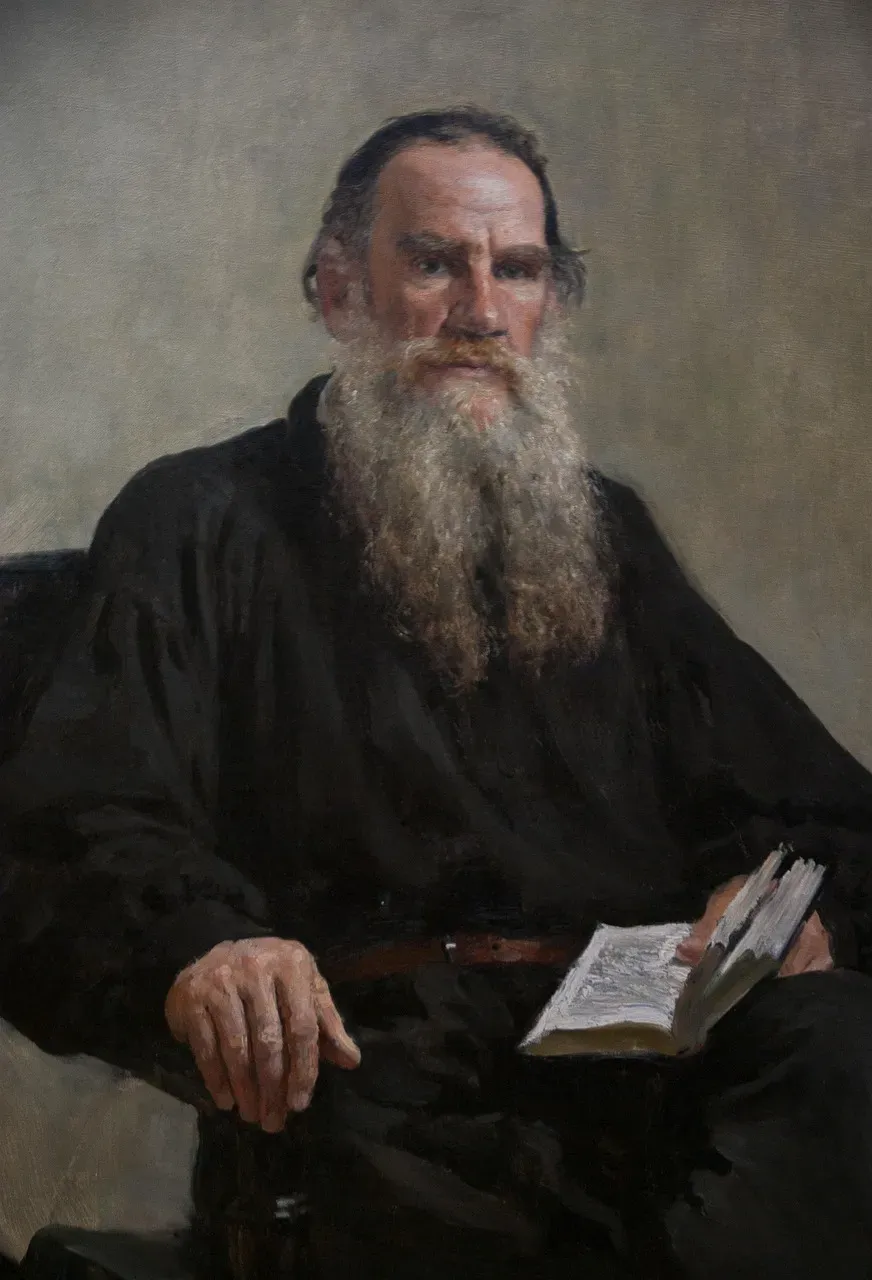
Tolstoy’s novel appeared in installments in the late 1860s, and it follows several Russian families through the Napoleonic wars. Standard editions run well past a thousand pages. The cast is enormous, with hundreds of named characters.
Russian naming conventions add to the difficulty, since one person may appear under a full name, a nickname, and a patronymic. Many editions include a character list, and using it helps a great deal. The battle scenes and the historical essays also test patience, yet the family storylines reward readers who keep going.
Ulysses by James Joyce
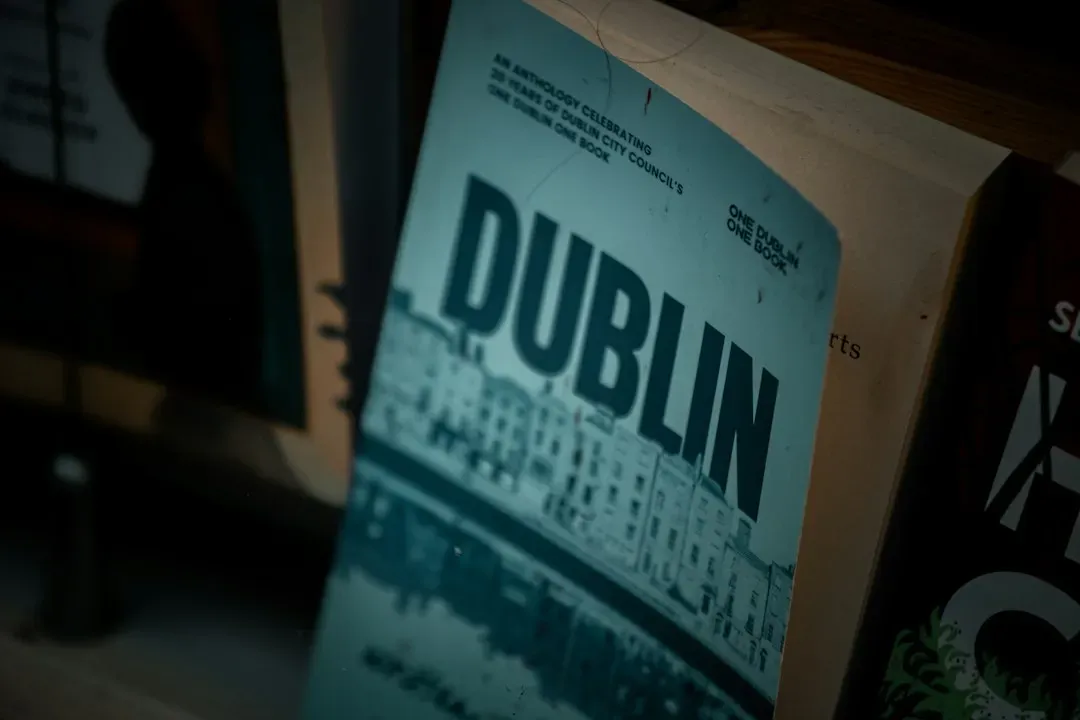
Joyce’s 1922 novel takes place over a single day in Dublin, June 16, 1904, now celebrated as Bloomsday. It has eighteen episodes, each written in a different style. The first few chapters set a high bar for attention.
Readers often struggle with the stream of consciousness, the dense allusions, and the shifts in form. Because it loosely parallels Homer’s Odyssey, many people feel they need that background first. A guide or annotated edition can make the experience far less intimidating.
Les Misérables by Victor Hugo
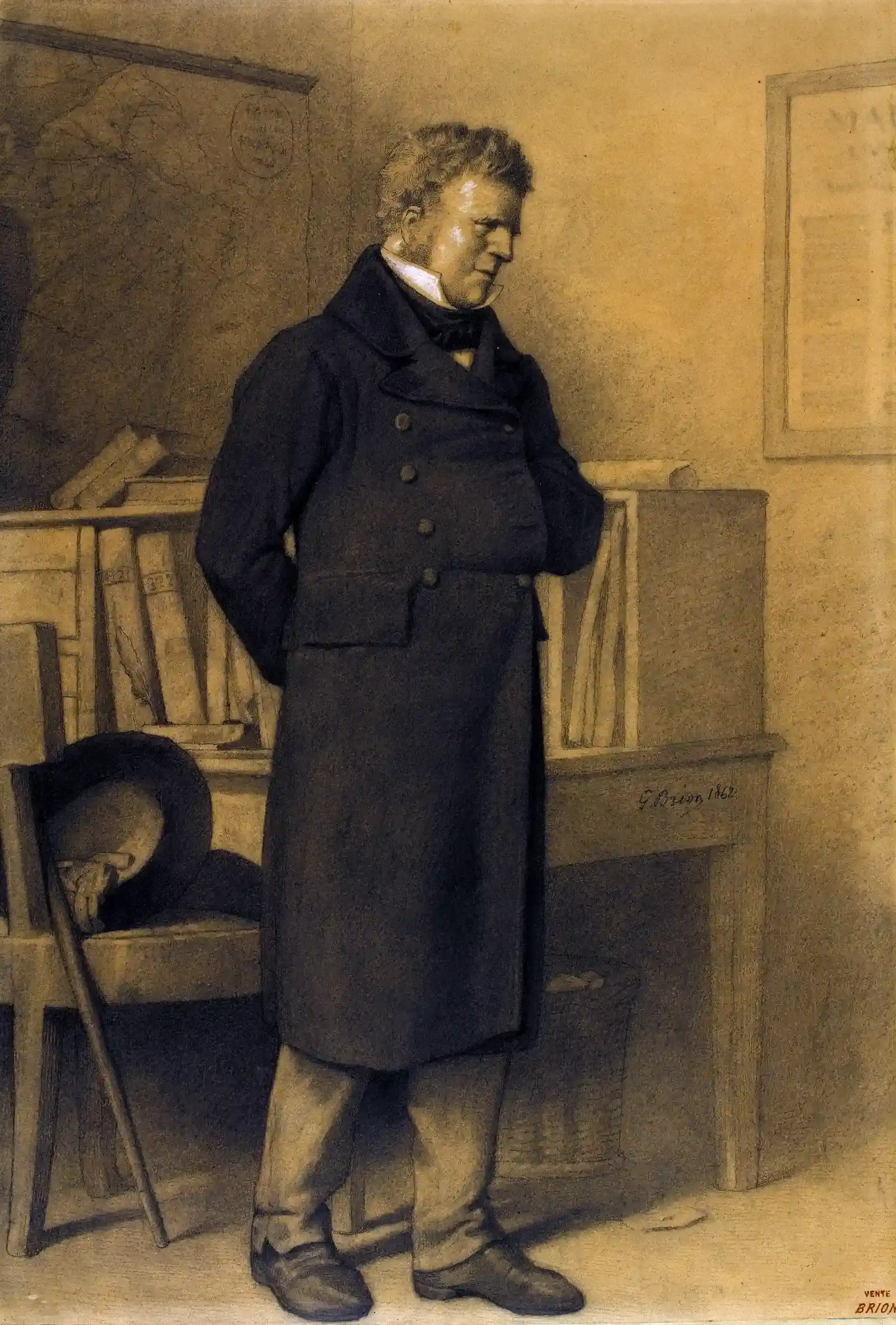
Hugo’s 1862 epic follows Jean Valjean, a former convict, across decades of French history. Unabridged editions commonly top twelve hundred pages. Many readers have only met the story through the stage musical or films.
The full novel contains long digressions, including an extended account of the Battle of Waterloo and a look at the Paris sewers. Hugo treats these as essential to his picture of society. Still, they can feel like detours when the plot is gripping, which is why some abridged editions cut them.
Don Quixote by Miguel de Cervantes
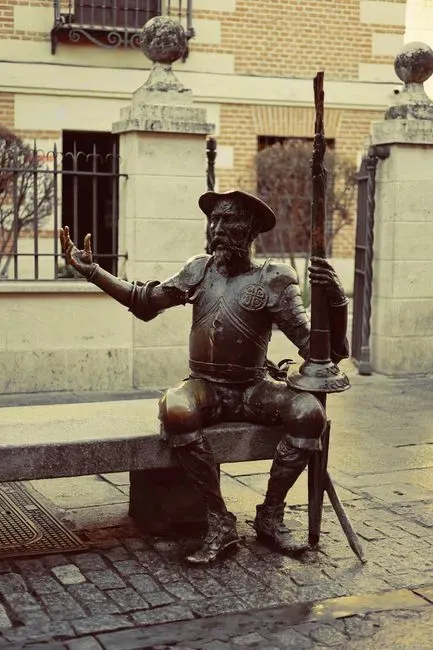
This Spanish work was published in two parts, in 1605 and 1615, and is often called the first modern novel. The premise is easy to love: a man who has read too many chivalric romances sets out to become a knight. The opening chapters are funny and inventive.
Partner offer
Over its length, though, the structure becomes episodic, with one misadventure following another. Humor from the early seventeenth century can also require footnotes to land. A good modern translation makes a real difference to how readable it feels.
In Search of Lost Time by Marcel Proust
Proust’s work was published in seven volumes between 1913 and 1927. It is often named as one of the longest novels in literature. The first volume, Swann’s Way, is the usual starting point and is where most readers stop.
The sentences are famously long and winding, and the plot moves slowly because memory and perception are the real subjects. The book asks for a different reading pace than most fiction. Readers who treat it as a long, slow companion rather than a race tend to get the most from it.
The Brothers Karamazov by Fyodor Dostoevsky

Dostoevsky’s final novel was published in 1880 and centers on a murder in a Russian family. It is part crime story, part philosophical argument about faith, doubt, and morality. The tension builds well, but the early sections move at a measured pace.
Some chapters, such as the Grand Inquisitor episode, are dense theological debates inside a novel. Readers who expect a straightforward mystery may lose interest. Those who accept the philosophical detours often find that they are the heart of the book.
Middlemarch by George Eliot
Eliot published Middlemarch in installments in 1871 and 1872, and it portrays life in a provincial English town. It has no battles or chases. Its drama comes from marriages, money, ambition, and moral choices.
The narrator is observant and often reflective, which gives the book depth but slows its momentum. Readers who want fast plotting may drift away in the opening chapters. Those who settle into its rhythm often describe it as deeply rewarding.
The Count of Monte Cristo by Alexandre Dumas
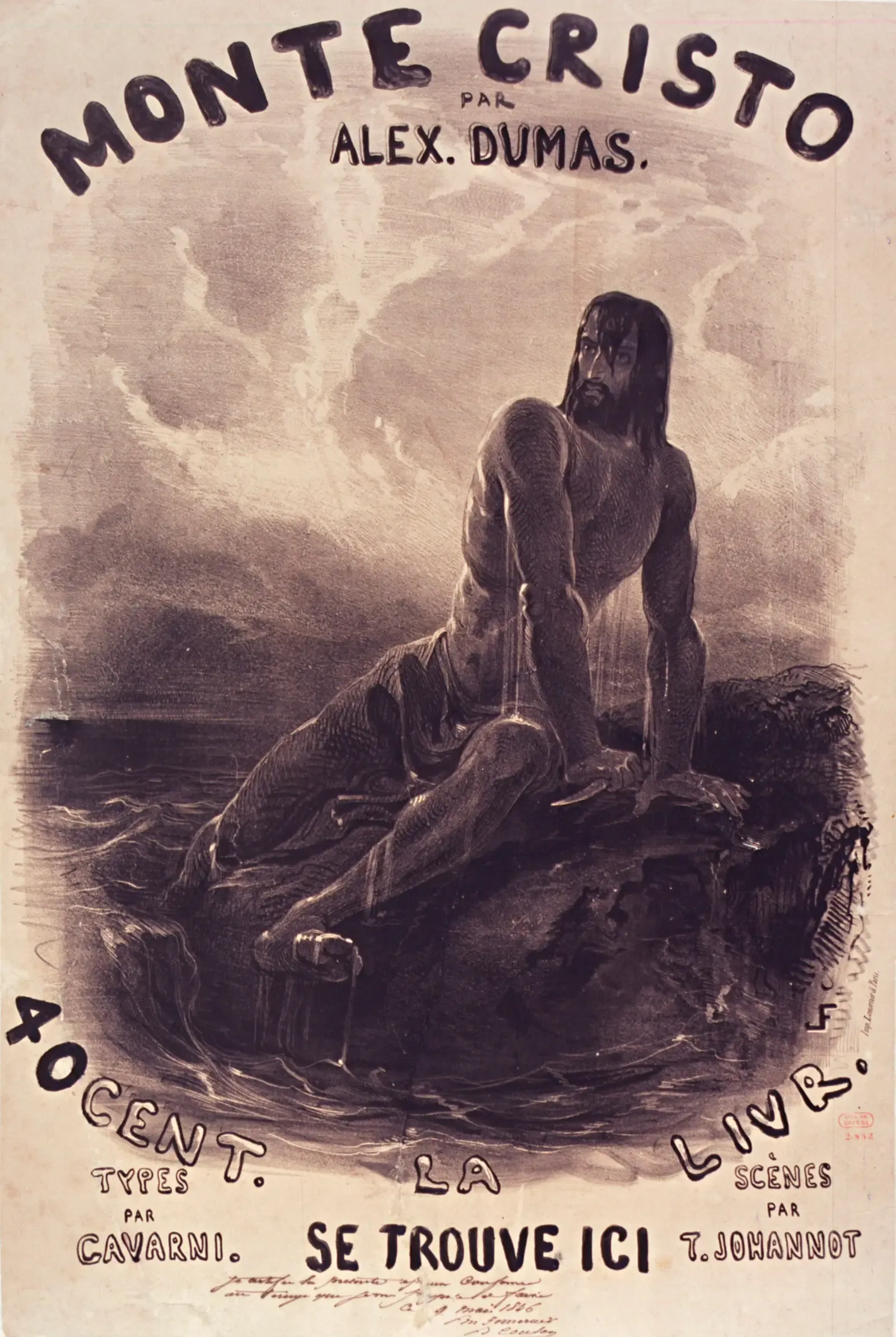
Dumas’s adventure of betrayal and revenge was serialized in the mid 1840s. It is far more plot driven than most books on this list, and its pace can be thrilling. Even so, the unabridged text is very long.
Many English editions are shortened, so readers may not realize how much has been trimmed. The full version includes many subplots and side characters that can slow the central revenge story. Starting with a complete, well regarded translation gives a better sense of what Dumas intended.
Anna Karenina by Leo Tolstoy
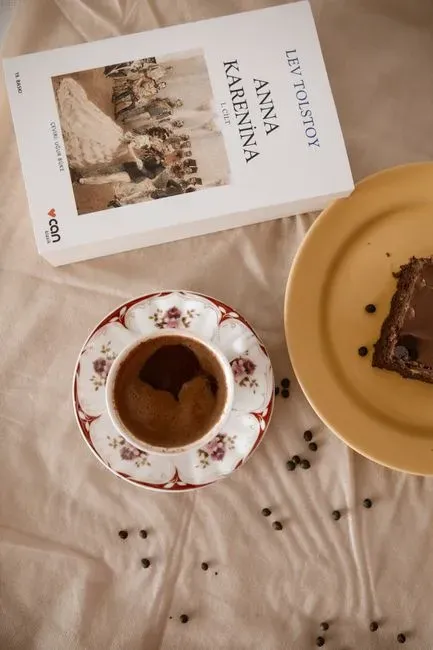
Tolstoy’s 1870s novel is often considered easier to enter than War and Peace. It weaves the tragic affair of Anna with the quieter story of Levin, a landowner searching for meaning. The opening is one of the most recognized in literature.
Readers often lose steam in Levin’s chapters, which cover farming, politics, and spiritual questions at length. These passages may feel disconnected from Anna’s story at first. Together, though, the two threads form the full design of the novel.
Partner offer
Planning a trip to Vegas?
Compare hotel rates and show tickets on VEGAS.com.