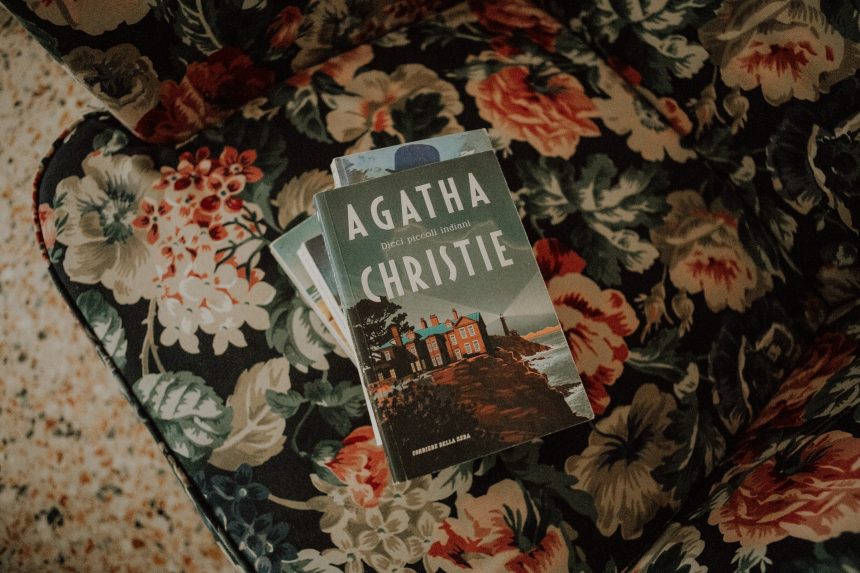
Some stories don’t just surprise you, they rearrange everything you thought you knew about the book you were holding. A great plot twist works like a hinge, swinging the whole narrative in a direction that feels both shocking and, somehow, inevitable once you see it. This list looks at the twists that have earned a permanent place in literary memory, the ones readers still talk about decades or centuries later.
Agatha Christie’s narrator confession in “The Murder of Roger Ackroyd”
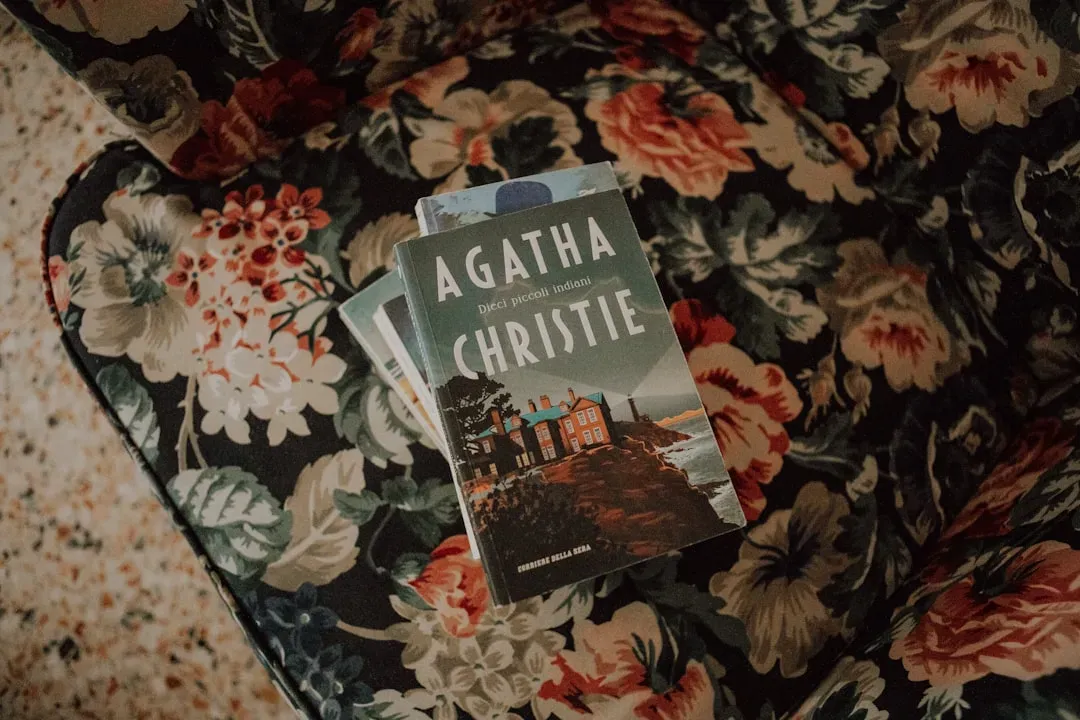
Published in 1926, this novel broke one of crime fiction’s unspoken rules by making the trusted narrator the killer. Christie had used first person narration to build sympathy and credibility, then quietly withheld the truth through selective omission rather than outright lying. The reveal caused a stir among critics at the time, some accusing her of cheating the reader, though most eventually recognized it as a technical triumph.
What makes the twist endure is how fairly it plays within its own rules. Every clue is technically present on the page, hidden in plain sight through careful phrasing. It remains a touchstone for writers studying unreliable narration, referenced constantly in discussions of detective fiction structure.
The identity reveal in “Fight Club” by Chuck Palahniuk

Published in 1996, this novel builds an entire narrative around an unnamed narrator and his charismatic acquaintance Tyler Durden, only to reveal that Tyler exists solely inside the narrator’s fractured mind. The twist recontextualizes every scene of violence, chaos, and rebellion as symptoms of a single unraveling psyche rather than events happening between two people. Palahniuk plants small inconsistencies throughout, moments where other characters seem to address the narrator and Tyler as one person.
The 1999 film adaptation brought this twist to a much wider audience and cemented it in pop culture, but the novel’s version lands with a quieter, more disturbing intimacy. Readers going back for a second pass often find the book reads like an entirely different story once they know the truth. It’s become a shorthand reference point whenever critics discuss split identity as a narrative device.
The truth about Rebecca in Daphne du Maurier’s novel
Published in 1938, “Rebecca” spends its early chapters building the image of a dead first wife as flawless, beloved, and impossible to replace. The second Mrs. de Winter, and by extension the reader, assumes Rebecca was a paragon that everyone still mourns. The novel then reveals that Rebecca was manipulative and cruel, and that Maxim de Winter actually killed her rather than grieving her loss.
This twist works because du Maurier reframes the entire emotional atmosphere of the book retroactively. The Gothic dread that seemed rooted in comparison and inadequacy turns out to be rooted in guilt and concealment instead. It’s a masterclass in using atmosphere to disguise plot mechanics until the exact right moment.
The nature of the island in “Life of Pi” by Yann Martel

Published in 2001 and awarded the Booker Prize that year, this novel presents a fantastical survival story involving a boy and a tiger stranded together at sea. Near the novel’s end, Pi offers an alternate, far grimmer version of events involving human violence rather than animal companionship, then asks his interviewers which story they prefer. The twist never definitively confirms which account is true, leaving readers to sit with the discomfort of choosing a narrative themselves.
This ambiguity is precisely why the book has generated so much sustained discussion in literature courses and reading groups. Rather than resolving the mystery, Martel turns the reader into a participant in deciding what kind of truth they’re willing to accept. The 2012 Ang Lee film adaptation preserved this dual structure, which helped introduce the twist to audiences who hadn’t read the source material.
Amy’s disappearance in “Gone Girl” by Gillian Flynn

Published in 2012, this novel alternates between Nick Dunne’s present day narration and Amy Dunne’s diary entries describing a marriage in decline. Midway through, the book reveals that Amy is alive, that the diary entries were fabricated, and that she orchestrated her own disappearance to frame her husband. The structural trick, using an unreliable diary rather than an unreliable narrator directly, gave Flynn room to mislead readers without technically breaking narrative fairness.
The twist landed with such force that it became a cultural reference point for discussing manipulative or scheming characters, generating think pieces well beyond typical literary criticism. Flynn has spoken about wanting to subvert the “cool girl” trope through Amy’s psychology, a detail that adds another layer once the reveal is known. The 2014 film adaptation, directed by David Fincher, kept the twist’s placement nearly identical to the book.
Severus Snape’s true loyalty in the Harry Potter series
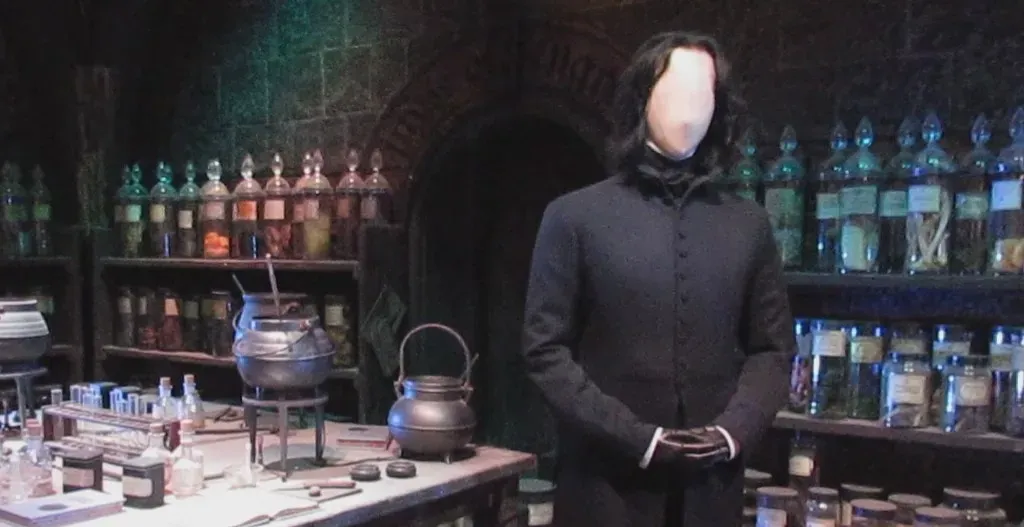
Across seven books published between 1997 and 2007, J.K. Rowling positioned Snape as an ambiguous, often hostile figure whose motives readers were meant to distrust. The final volume, “Harry Potter and the Deathly Hallows,” reveals that Snape had been secretly loyal to Dumbledore and protecting Harry the entire time, driven by long buried feelings for Harry’s mother. The reveal recontextualizes seven books’ worth of tense classroom scenes and cryptic behavior into acts of quiet, painful sacrifice.
Rowling planted small clues across multiple volumes, including specific memories revealed through the Pensieve device late in the series. Because the series was published over a full decade, readers had years to theorize, which made the eventual confirmation feel like the resolution of an enormous shared mystery. It remains one of the most discussed twists in contemporary popular fiction, still debated in fan communities and literary analysis alike.
The governess’s reliability in “The Turn of the Screw” by Henry James
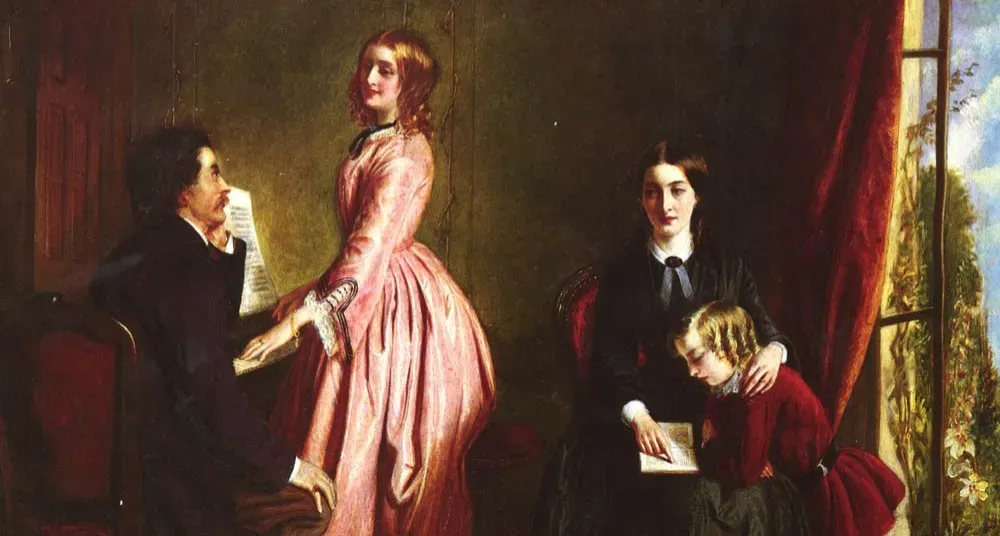
Published in 1898, this novella never technically reveals a single definitive twist, and that’s exactly the point. The governess narrating the story insists she sees ghosts threatening the children in her care, but James never confirms whether the hauntings are real or a product of her deteriorating mental state. This deliberate ambiguity functions as its own kind of twist, since readers spend the entire book assuming they’ll eventually get clarity that never actually arrives.
Literary scholars have debated the governess’s reliability for well over a century, with interpretations shifting significantly depending on the era and critical lens applied. Some readings frame the story as a straightforward ghost story, while others treat it as an early psychological study of repression and hysteria. The novella’s refusal to resolve its central mystery is often cited as an influence on later psychological horror and unreliable narration in fiction.
The revelation in “We Need to Talk About Kevin” by Lionel Shriver

Published in 2003, this epistolary novel is structured as letters from a mother, Eva, to her estranged husband, discussing their son Kevin’s violent crime at his school. Throughout the letters, readers assume Eva’s husband, Franklin, is simply absent or unwilling to respond. Near the novel’s conclusion, it’s revealed that Franklin and their daughter were killed by Kevin as well, meaning the letters were written to someone already dead.
This twist forces a complete reread of every letter’s emotional register, since Eva’s restrained, almost clinical tone takes on a very different weight once her full loss becomes clear. Shriver uses the epistolary form itself as the vehicle for the deception, similar to how Flynn later used diary entries in “Gone Girl.” The novel’s unflinching examination of maternal ambivalence and blame made it a frequently discussed book club selection well after its original publication.
The true narrator in “American Psycho” by Bret Easton Ellis
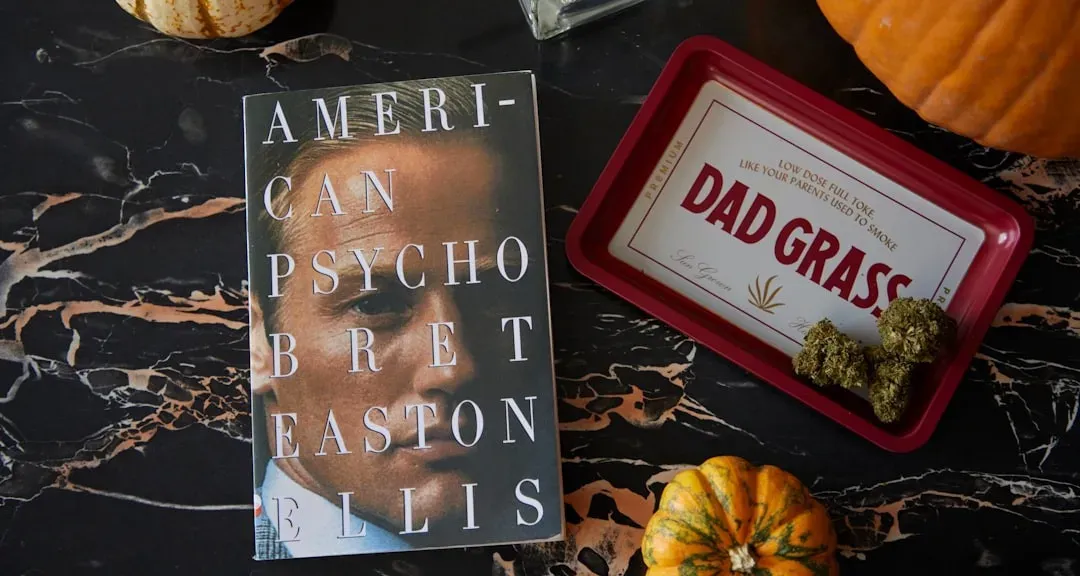
Published in 1991, this novel follows Patrick Bateman, a wealthy investment banker who narrates increasingly graphic accounts of violence and murder. The twist, subtle rather than explosive, emerges gradually as the novel suggests that many or possibly all of Bateman’s confessed crimes never actually happened outside his own mind. Other characters seem to misremember conversations, confuse Bateman’s identity with colleagues, or simply fail to notice evidence that should be impossible to miss.
Ellis never confirms this interpretation outright, which has kept debate alive among readers and critics for decades about how much of the book is meant to be taken literally. The ambiguity turns the novel into a commentary on identity and consumerism as much as a horror story, since Bateman’s interchangeability with his peers becomes part of the twist itself. This unresolved quality has made the book a frequent subject of renewed critical attention, including reassessments tied to its themes of image and social performance in more recent cultural commentary.
The final chapter shift in “Atonement” by Ian McEwan

Published in 2001, this novel follows the long term consequences of a false accusation made by a young girl, Briony, that destroys the lives of two other characters. The final section reveals that Briony, now an elderly novelist, fabricated a happier ending within the story readers have just finished, since the real fates of the two lovers were far more tragic. This twist operates on a meta level, forcing readers to reconsider the entire preceding narrative as fiction within fiction, written by a character seeking her own atonement.
McEwan uses this structure to raise questions about whether fiction can ever truly make amends for real harm, a theme that gives the twist emotional weight beyond simple narrative surprise. The 2007 film adaptation preserved this structure closely, and critics have consistently pointed to the ending as central to the novel’s reputation. It remains a frequently cited example of how metafictional twists can deepen thematic meaning rather than simply shock for its own sake.