Every great villain earns their moment. It usually comes near the end, when the mask drops and the real motivation spills out in a few unforgettable minutes of dialogue. Some of these speeches have become so quoted that they overshadow the films they came from, while others sneak up on you precisely because they feel so restrained.
This ranking looks at monologues that shaped how audiences think about villainy on screen, from theatrical grandstanding to quiet, unsettling confessions. The list moves from decent but overexposed to genuinely transformative, based on writing quality, performance, and lasting cultural impact.
12. Gordon Gekko’s “Greed Is Good” Speech in Wall Street
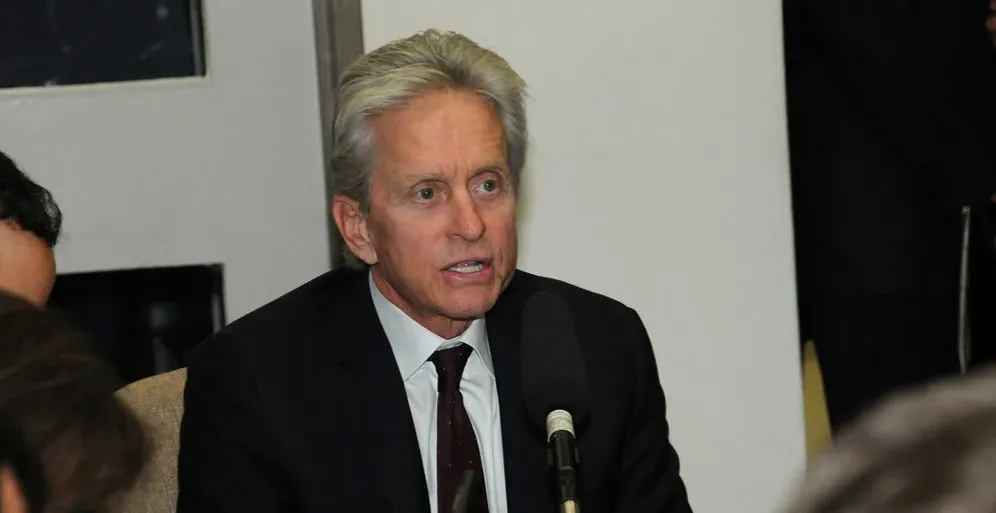
Michael Douglas delivers this speech with the confidence of a man who has never once doubted himself, and that’s exactly why it works. The 1987 film turned a boardroom pitch into a defense of unchecked capitalism, and the line itself became shorthand for an entire era of financial excess. It sits lower on this list only because its power comes more from cultural timing than from psychological depth.
Gekko isn’t tortured or complicated in the way later cinematic villains would become. He’s a salesman selling a philosophy, and the monologue plays almost like a TED talk decades before TED talks existed. It’s iconic, but it’s also a little one-note compared to what came later in the genre.
11. Agent Smith’s “Human Beings Are a Disease” Speech in The Matrix
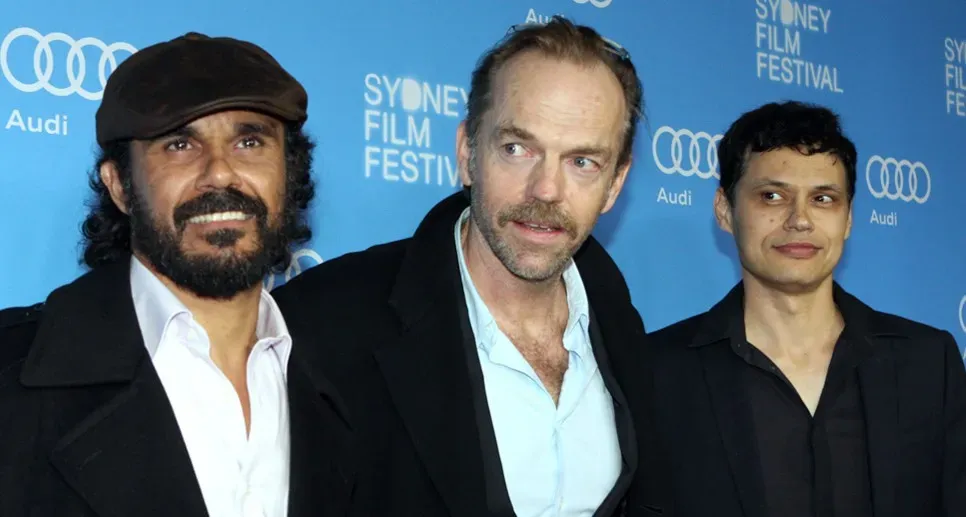
Hugo Weaving’s delivery in the 1999 film gives Agent Smith an eerie, clinical detachment that makes his contempt for humanity land harder than shouting ever could. The comparison of humans to a virus spreading across the planet is blunt, almost cold in its logic, and that coldness is the point. It’s a monologue built on philosophy rather than personal grievance, which makes it intellectually interesting even if it lacks emotional heat.
What keeps it from ranking higher is that Smith’s motivations remain fairly abstract throughout the trilogy. He’s less a character than a concept given a voice, and while that concept is chilling, it doesn’t carry the same rewatch value as monologues rooted in personal history or trauma.
10. Colonel Hans Landa’s Interrogation in Inglourious Basterds
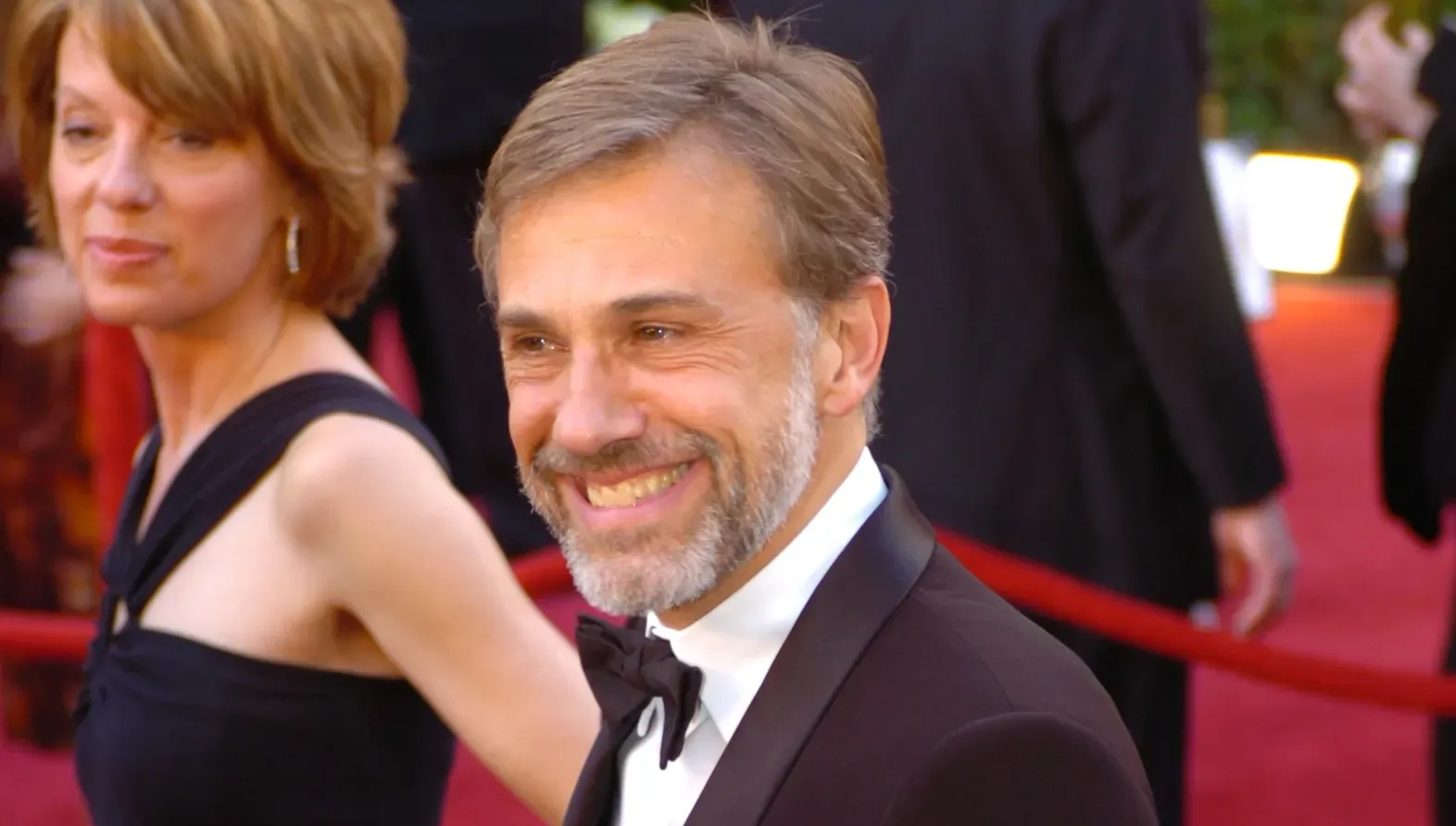
Christoph Waltz won an Oscar for a performance built almost entirely on scenes like the opening farmhouse interrogation in the 2009 Quentin Tarantino film. Landa’s charm is the weapon here, a slow, polite unraveling of a French farmer that reveals genocidal intent hidden under perfect manners. Tarantino’s dialogue does the heavy lifting, but Waltz’s line readings turn menace into something almost seductive.
It ranks a bit lower on pure monologue terms because it’s structured as a conversation rather than a single uninterrupted speech. Still, the tension it builds scene by scene rivals any traditional villain monologue, and it introduced a new kind of screen villain built on manners rather than menace.
9. Anton Chigurh’s Coin Flip Speech in No Country for Old Men
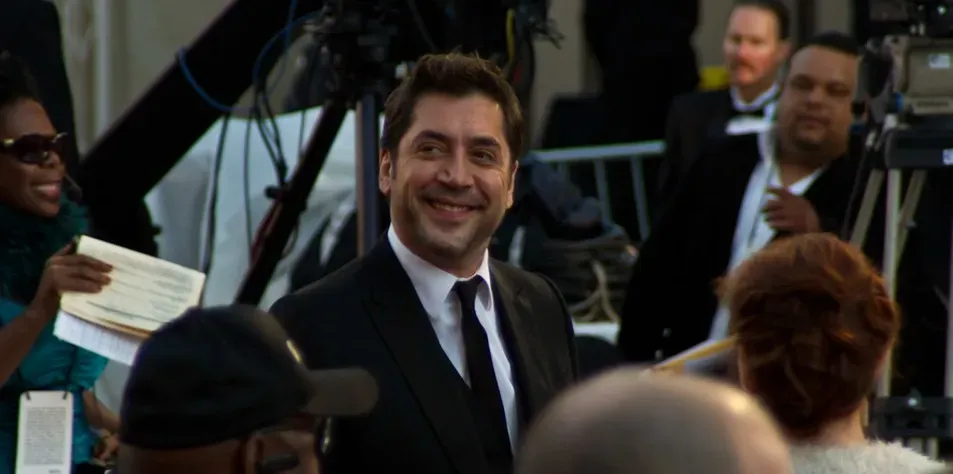
Javier Bardem’s Anton Chigurh doesn’t rant or explain grand schemes in the Coen Brothers’ 2007 film. Instead, he offers a gas station clerk a coin flip that decides whether he lives, framing chance itself as a kind of moral order. The scene works because Chigurh genuinely believes fate has already decided everything, and he’s simply the instrument carrying it out.
This monologue earns its place through minimalism rather than volume. There’s no shouting, no grand reveal, just a terrifyingly calm insistence that the coin has already traveled its whole life to reach this moment. It’s proof that a villain’s most memorable speech doesn’t need a single raised voice.
8. Bill’s “Superman” Monologue in Kill Bill: Volume 2
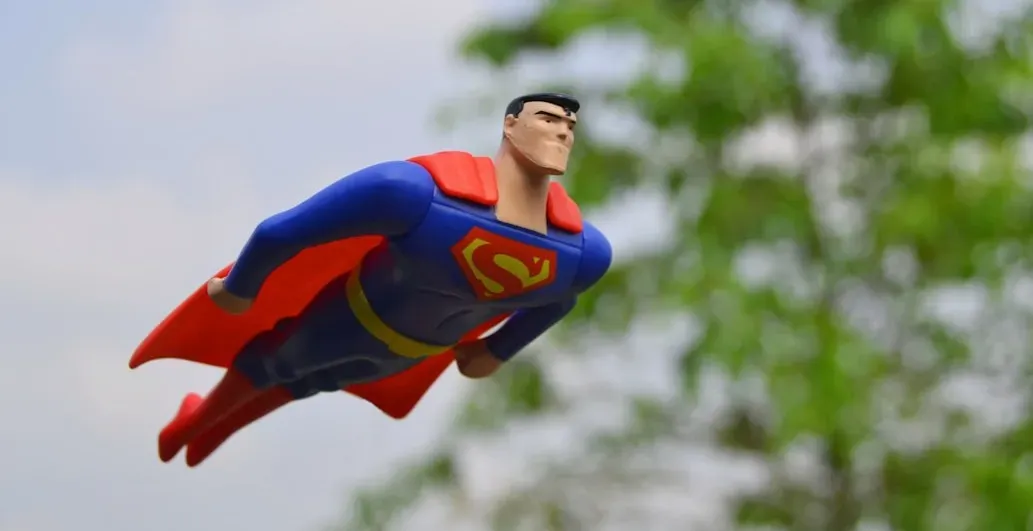
David Carradine’s Bill delivers an unusually philosophical speech in the 2004 Tarantino film, comparing Superman’s alter ego Clark Kent to how the protagonist, known as The Bride, sees herself compared to who she really is. It’s a strange choice for a villain monologue, more literary criticism than threat, yet it reveals exactly how well Bill understands the woman he’s about to fight. The comparison lands because it’s specific and oddly tender, which is rare for a film built on revenge and bloodshed.
The monologue ranks solidly in the middle because its emotional register is so different from the rest of the film around it. It slows everything down for a conversation about identity rather than violence, which some viewers find brilliant and others find oddly disconnected from the story’s momentum.
7. Norman Bates’ Closing Scene in Psycho
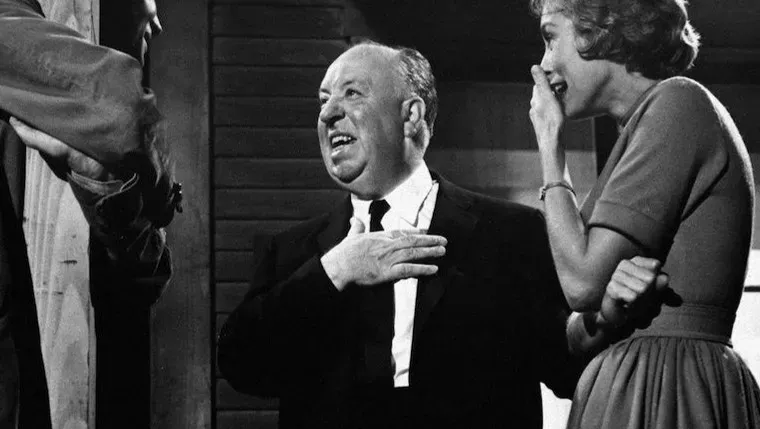
Alfred Hitchcock’s 1960 classic doesn’t give Norman Bates a traditional villain monologue so much as an internal one, delivered in voiceover as his mother’s psychology fully overtakes his own. Anthony Perkins plays the final scene with a stillness that’s more disturbing than any scream, sitting wrapped in a blanket while his mind narrates thoughts no longer entirely his own. It remains one of the earliest examples of psychological horror using restraint instead of spectacle to unsettle an audience.
Partner offer
Its influence on decades of screen villains that followed is hard to overstate. Nearly every “quiet, unsettling confession” style monologue on this list owes something to what Hitchcock and Perkins built in that closing sequence, even when later filmmakers pushed the theatricality further than Hitchcock ever did.
6. The Joker’s “Why So Serious” Monologue in The Dark Knight
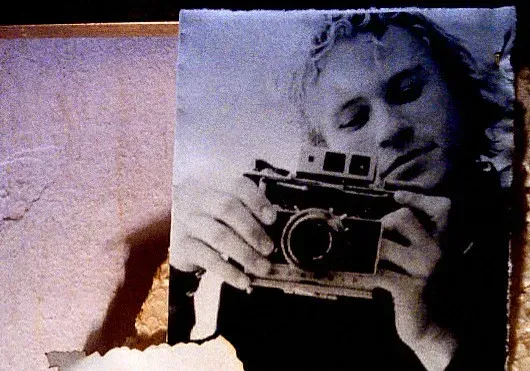
Heath Ledger’s Joker tells a different origin story for his scars almost every time he speaks, and that instability is the entire point of his 2008 performance in Christopher Nolan’s film. The “why so serious” speech works because it never resolves into a single truth, leaving Batman and the audience unsure what’s real and what’s manipulation. Ledger’s posthumous Academy Award recognized a performance that redefined what a comic book villain could be on screen.
What separates this monologue from more generic villain speeches is its unpredictability. There’s no clear ideology being preached, no grand plan being revealed, just chaos delivered with a smile, which made the character genuinely frightening in a way few blockbuster villains had managed before.
5. Hannibal Lecter’s Dinner Party Speech in The Silence of the Lambs
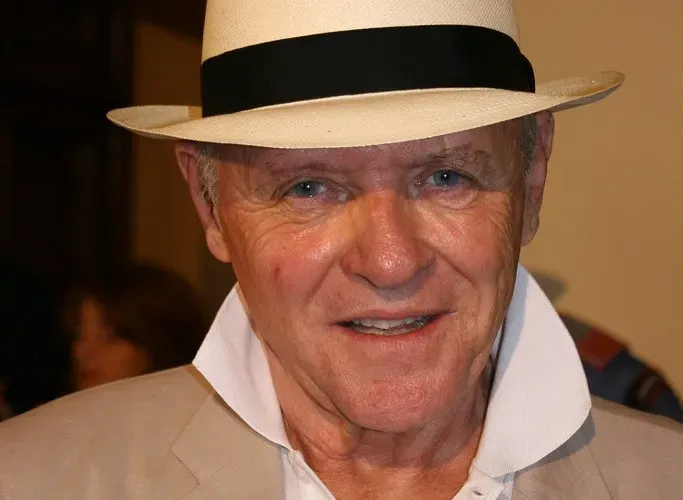
Anthony Hopkins appears on screen for a limited amount of time in the 1991 film, yet his performance was enough to win the Academy Award for Best Actor, an extraordinarily rare feat for a role with such little runtime. His measured dissection of Clarice Starling’s psychology during their early interviews turns interrogation into intimacy, using intelligence rather than physical threat to unsettle both her and the audience. The quiet menace of his speech patterns, all careful pauses and precise vocabulary, set a new template for cinematic intelligence as horror.
Lecter’s monologues rank highly because they reward multiple viewings. Every detail he shares about himself or others carries double meaning, and his ability to read people through conversation alone remains one of the most influential character traits in villain writing since the film’s release.
4. Darth Vader’s Reveal in The Empire Strikes Back
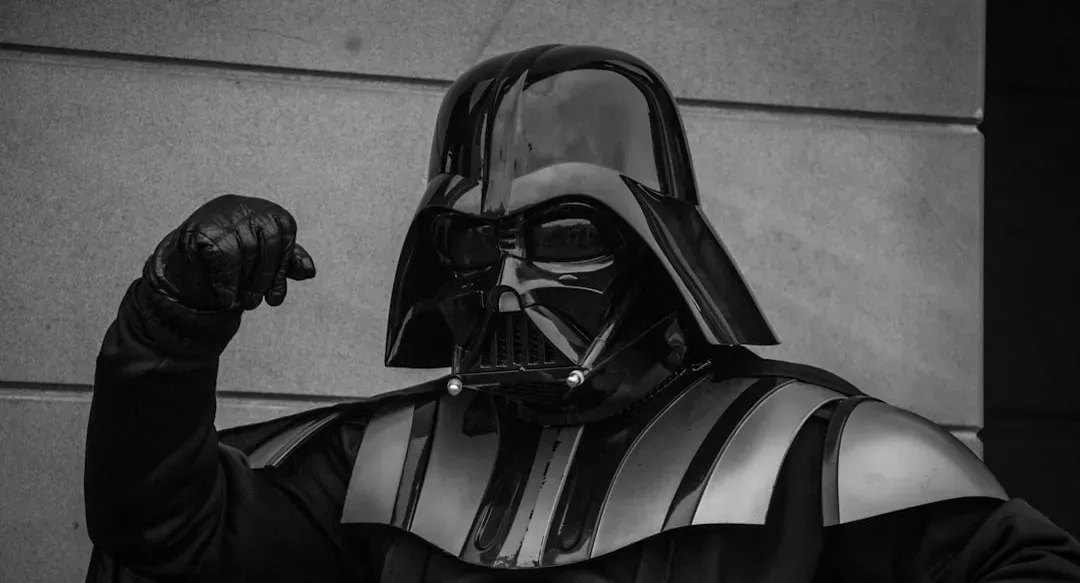
The 1980 line delivered by James Earl Jones didn’t need volume or spectacle to become one of the most quoted moments in film history. Vader’s calm, almost gentle delivery of devastating information to Luke Skywalker turned a simple plot twist into a defining moment of American cinema. The restraint in the performance is what makes it land so hard, a villain revealing intimate truth without ever raising his voice.
Its ranking this high reflects both cultural saturation and genuine craft. Few monologues have been referenced, parodied, and analyzed as extensively, yet the original scene still holds up because the emotional stakes were built carefully across the entire preceding film.
3. Amon Goeth’s Balcony Scene in Schindler’s List
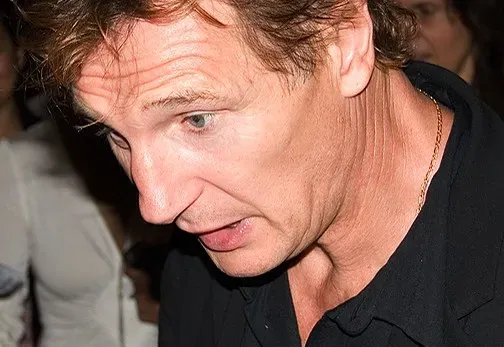
Ralph Fiennes plays a real historical figure in Steven Spielberg’s 1993 film, and the monologues given to Amon Goeth are disturbing precisely because they’re grounded in documented atrocity rather than fictional villainy. His casual conversations about power, delivered while committing horrific violence from his balcony, show how banal and unremarkable cruelty can look from the perpetrator’s side. Fiennes received an Academy Award nomination for a performance built on unsettling calm rather than theatrical menace.
This monologue ranks near the top because it carries weight beyond entertainment value. It forces audiences to confront a real historical horror through a character study that never allows the viewer the comfort of seeing Goeth as a cartoonish monster, which makes the speech far more disturbing than any fictional villain rant.
2. Michael Corleone’s Transformation Across The Godfather
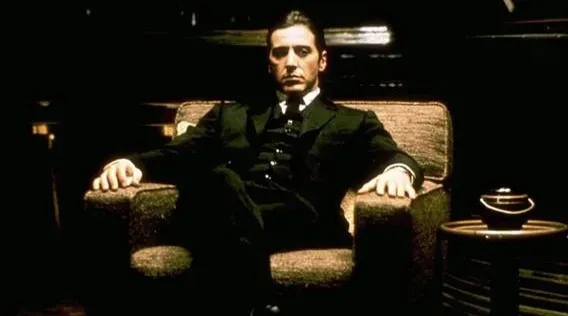
Al Pacino’s Michael Corleone isn’t a traditional villain in the way most names on this list are, but his gradual monologues across the 1972 film, particularly his justification to Kay near the film’s end, chart one of cinema’s most complete moral collapses. The quiet lie he tells her, paired with the door closing on her face in the final shot, functions as a monologue in spirit even without a single dramatic speech. The character’s arc from reluctant outsider to ruthless family patriarch remains a benchmark for morally complex screen writing.
Ranking Michael this high acknowledges how the film reshaped audience expectations for villainy entirely. Viewers don’t just watch him become dangerous, they understand exactly why, which makes his quiet moments of self-justification more haunting than any loud confession could be.
1. Hans Gruber’s Philosophy in Die Hard
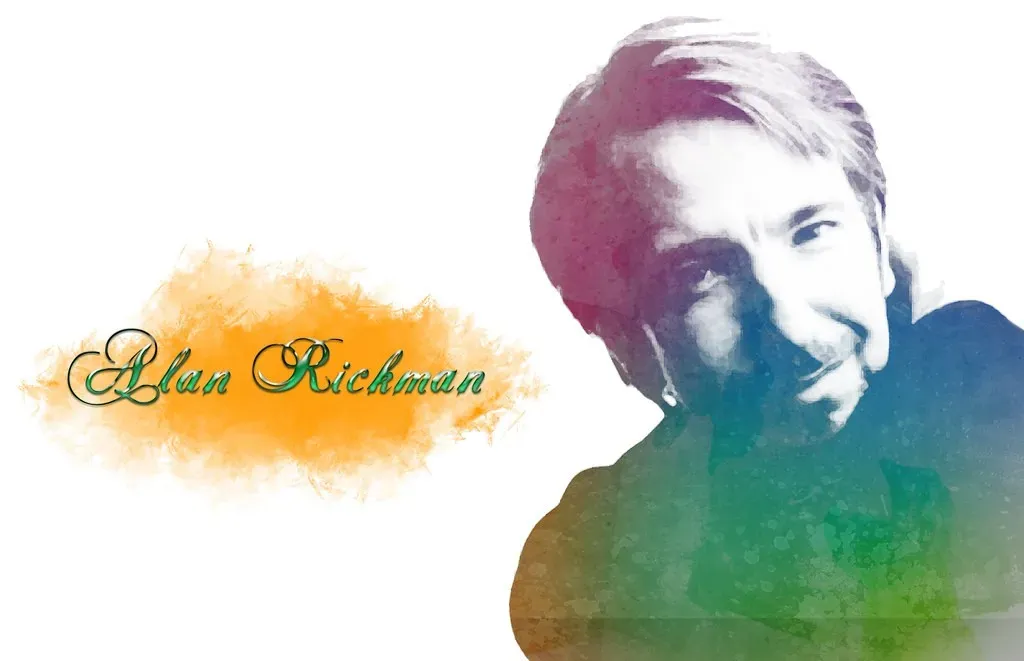
Alan Rickman’s film debut in the 1988 action classic gave audiences a villain whose intelligence and dry wit made every speech feel like a chess match rather than a threat. Gruber’s conversations with John McClane throughout the film reveal a criminal mastermind who genuinely enjoys being underestimated, delivering lines with theatrical precision that elevated an entire genre of action villains. Rickman’s background in British theater is evident in every measured pause and controlled inflection throughout the performance.
Gruber tops this ranking because his monologues do something rare, they entertain, reveal character, and drive tension simultaneously without ever feeling like exposition. Decades after the film’s release, Rickman’s performance is still cited by actors and critics alike as the gold standard for how a villain should speak, think, and command a scene without ever raising his voice unnecessarily.
Partner offer
Planning a trip to Vegas?
Compare hotel rates and show tickets on VEGAS.com.