
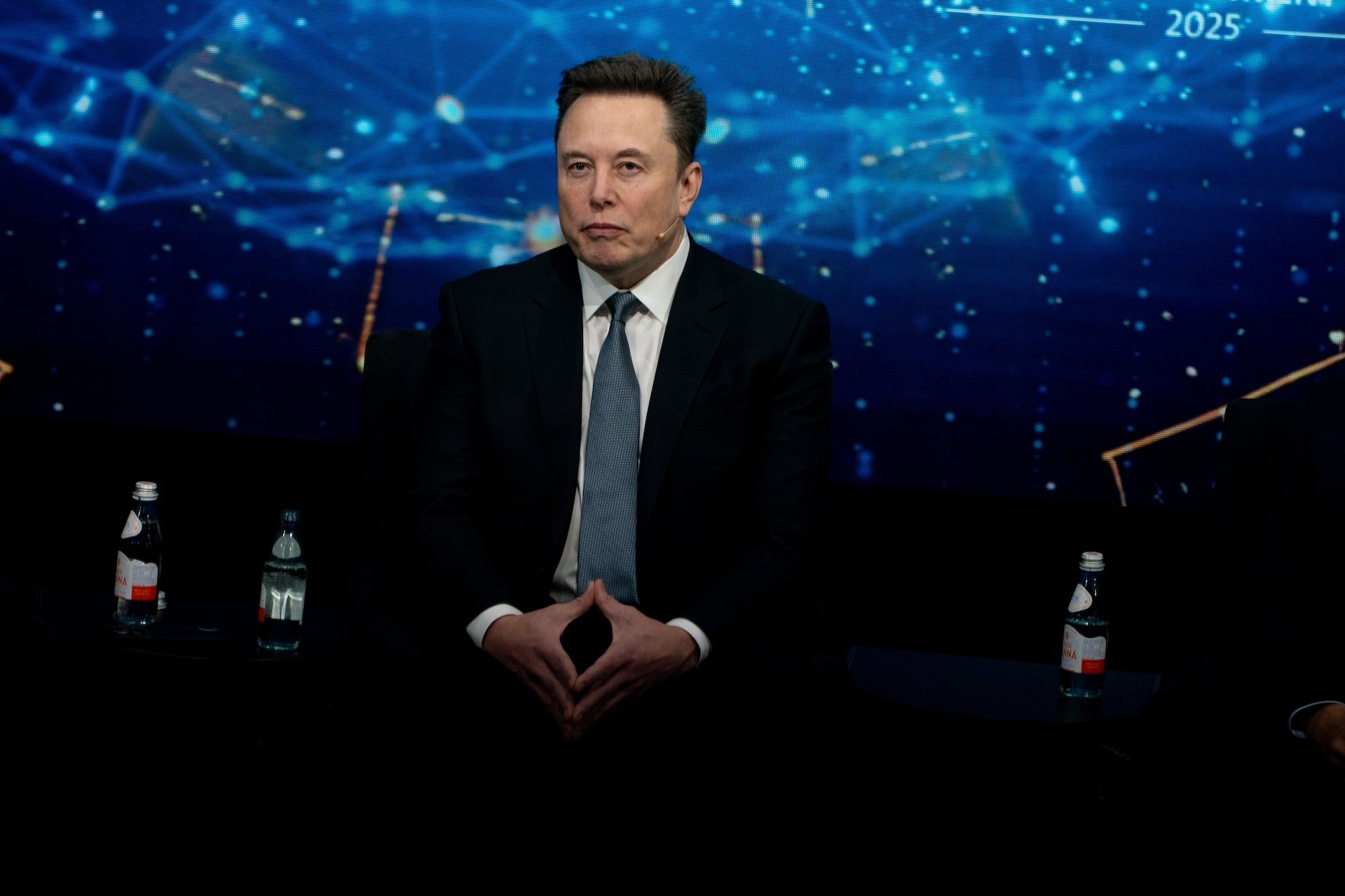
A Surprising Reversal in Cosmic Priorities (Image Credits: Assets.entrepreneur.com)
Elon Musk disclosed that SpaceX now prioritizes constructing a self-growing city on the Moon over immediate Mars ambitions.[1][2]
A Surprising Reversal in Cosmic Priorities
Musk posted on X that the company had already pivoted its focus.[3] He emphasized speed as the key factor. The Moon offers quicker progress than the distant red planet. This marks a departure from his earlier stance. Just last year, Musk dismissed lunar efforts as a distraction from Mars.[1]
SpaceX leaders see this as essential for humanity’s future. Musk argued that securing civilization demands rapid action. Lunar development aligns with that urgency. The announcement surprised observers long attuned to Mars rhetoric. Yet practical realities appear to drive the change.
Why the Moon Trumps Mars for Now
Proximity enables frequent testing and iteration on the Moon. Trips there take days, not months. Mars missions face a 26-month wait between launch windows. Musk noted this cycle delays progress significantly.[3] A self-growing city – capable of expanding with local resources – becomes feasible sooner.
Here are the core reasons for the shift:
- Faster timelines: Moon city in under 10 years versus 20-plus for Mars.[1]
- Iteration advantage: Monthly lunar flights possible, accelerating development.
- Civilization safeguard: Nearer base strengthens humanity’s multiplanetary foothold.
- Existing commitments: NASA contracts bolster lunar infrastructure.[1]
SpaceX’s Roadmap to Lunar Settlement
The company plans an uncrewed Starship landing on the Moon by March 2027.[1] This step tests critical technologies. NASA awarded SpaceX a $4 billion contract for the Artemis program. Starship will ferry astronauts to the surface. Though NASA revenue remains under 5% of total, it provides vital momentum.
| Destination | Timeline | Key Challenge |
|---|---|---|
| Moon | <10 years | Rapid buildup |
| Mars | 20+ years | Launch windows |
Mars efforts resume in five to seven years. Starlink drives most revenue, funding these ventures.
Reactions and Roadblocks Ahead
Experts note Musk’s history of optimistic timelines. Past Mars targets slipped repeatedly. Starship tests faced explosions. Still, progress continues. The pivot aligns with NASA’s Moon-first strategy.[3]
Critics question if this dilutes Mars vision. Supporters view it as pragmatic. Government partnerships grow essential. SpaceX balances commercial and exploratory goals effectively.
- SpaceX prioritizes Moon for speed and security.
- Uncrewed lunar mission targets 2027.
- Mars remains long-term but delayed.
Musk’s bold pivot underscores a pragmatic path to multiplanetary life, starting close to home. What do you think of this lunar focus? Tell us in the comments.