Any list like this starts an argument, and that’s half the fun. British cinema has produced wartime romances, desert epics, kitchen sink dramas and some of the most quoted comedies ever made. Picking only ten means leaving out films that plenty of people love.
This selection leans on critical reputation, awards history and lasting cultural influence. It runs from the 1940s to the 2010s, and it’s a mix of the obvious and the slightly personal. Count how many you’ve watched as you go.
The Third Man (1949)

Carol Reed’s thriller is set in a bombed out, divided Vienna. Graham Greene wrote the screenplay, and Orson Welles and Joseph Cotten star. The tilted camera angles and shadowy streets still look striking today.
Anton Karas played the zither score, which is one of the most recognisable pieces of film music anywhere. The film took the top prize at the Cannes Film Festival in 1949. In 1999 the British Film Institute ranked it first in its list of the top 100 British films of the century.
Brief Encounter (1945)
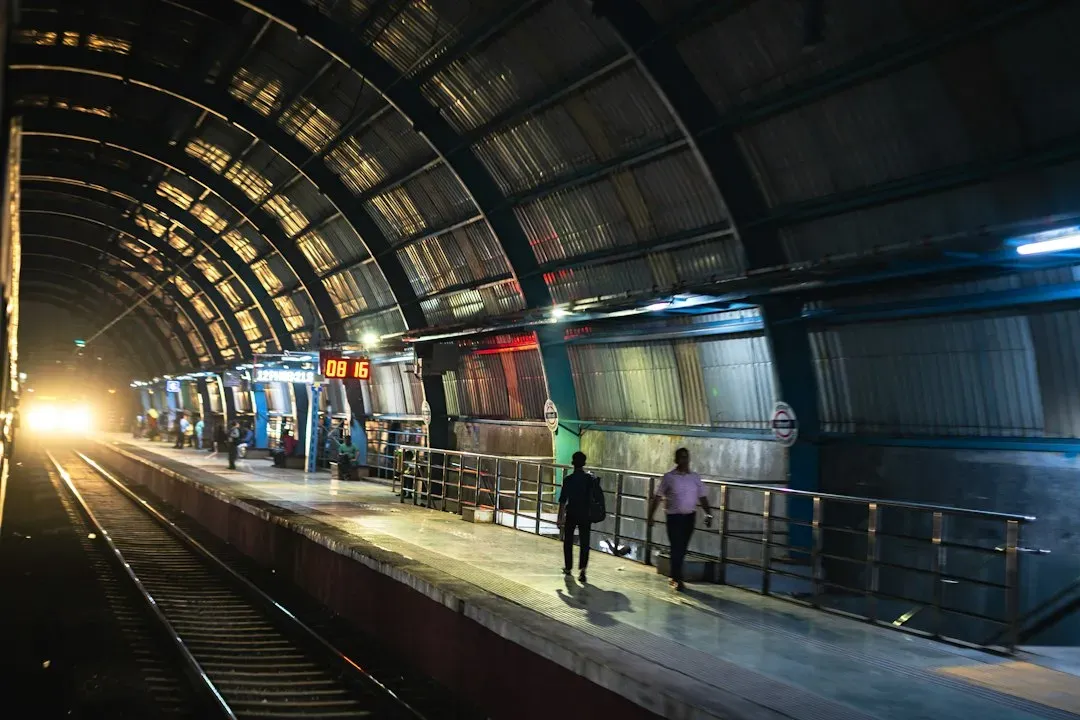
David Lean directed this small, aching love story from a Noël Coward play. Celia Johnson and Trevor Howard play two married strangers who meet on a railway station platform. Most of the drama comes from what they can’t say out loud.
Rachmaninoff’s Second Piano Concerto carries the emotion throughout. Much of the film was shot at Carnforth station in Lancashire, which now has a heritage centre devoted to it. It won the Grand Prix at the first Cannes festival in 1946.
Lawrence of Arabia (1962)

David Lean went bigger here, with a sweeping portrait of T. E. Lawrence and the Arab Revolt. Peter O’Toole became a star in the title role. The film was shot in 70mm, and the desert photography is best seen on a large screen.
It won seven Academy Awards, including Best Picture and Best Director. Directors such as Steven Spielberg and Martin Scorsese have often cited it as an influence. Few British productions have matched its scale.
The Red Shoes (1948)

Michael Powell and Emeric Pressburger made this Technicolor ballet drama about an artist torn between love and her career. Moira Shearer, a real ballerina, plays the lead. The long dance sequence in the middle is still astonishing.
The film’s colour and its willingness to be theatrical influenced later filmmakers. Martin Scorsese has long championed it and helped fund a major restoration. It shows how ambitious British studio filmmaking could be in the years after the war.
Kes (1969)
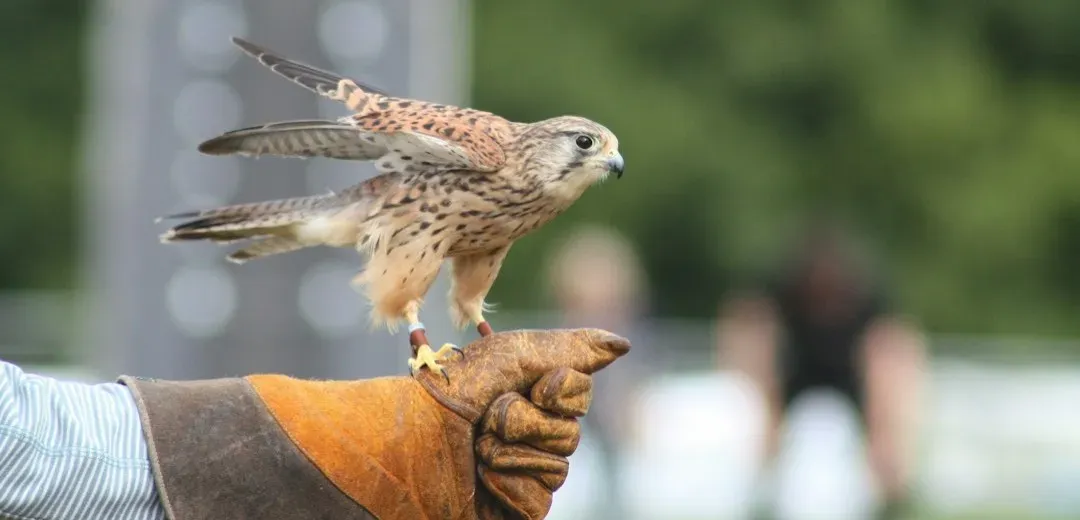
Ken Loach adapted Barry Hines’s novel A Kestrel for a Knave into a plain, moving film about a boy in a Yorkshire mining town. David Bradley plays Billy Casper, a schoolboy who finds purpose in training a kestrel. The cast was largely made up of local people and non professionals.
The film is often held up as the high point of British social realism. It pays close attention to school life, family struggle and limited choices. Its ending is quiet, and it’s hard to forget.
Partner offer
Get Carter (1971)

Mike Hodges directed Michael Caine as a London gangster who returns to Newcastle to investigate his brother’s death. The tone is cold and the violence is brisk. Caine’s performance is controlled and menacing.
The film made striking use of northern England locations, including the multistorey car park in Gateshead that was demolished in 2010. It has been remade, but the original remains the reference point for British crime cinema. Its influence can be seen in many later gangster films.
Monty Python and the Holy Grail (1975)

Terry Gilliam and Terry Jones directed this parody of the King Arthur legend on a tiny budget. The production used actors banging coconuts together because there was no money for horses. That limitation became one of its best running jokes.
Many of its scenes are still quoted by fans decades later. Its blend of absurd humour and medieval mud has a distinctly British flavour. It remains one of the most rewatched comedies in the country.
Withnail and I (1987)

Bruce Robinson wrote and directed this darkly funny story of two unemployed actors in 1969 who escape to the countryside. Richard E. Grant and Paul McGann play the pair, with Richard Griffiths as the memorable Uncle Monty. It’s based loosely on Robinson’s own early years.
The film did modest business on release but grew into a major cult favourite through video and student audiences. Its dialogue is endlessly repeated by devotees. It proves that a small, shabby comedy can outlast bigger productions.
Trainspotting (1996)
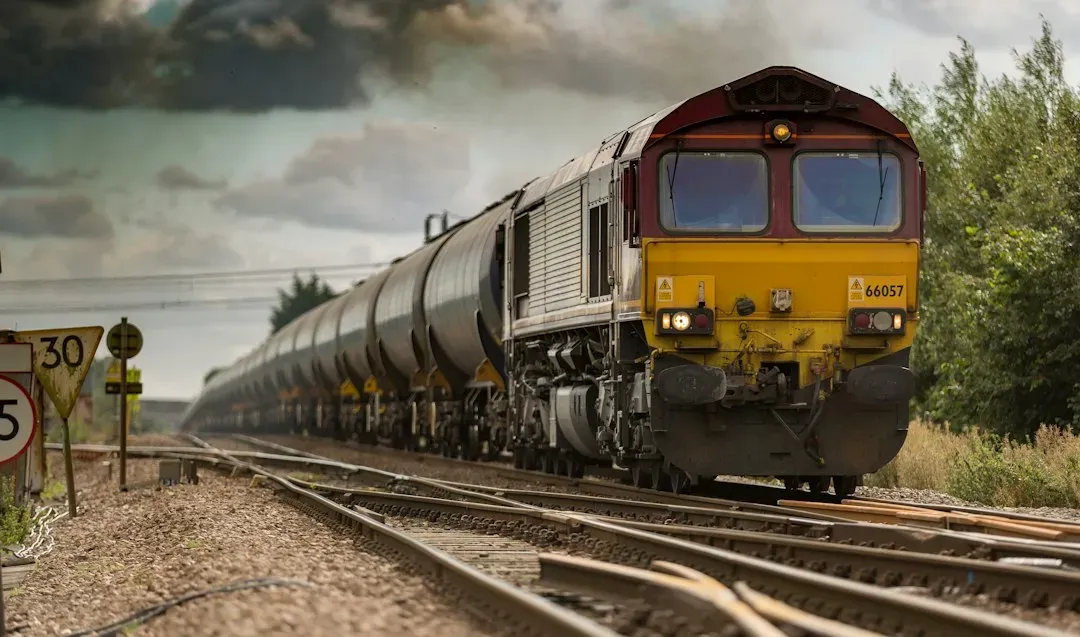
Danny Boyle’s adaptation of Irvine Welsh’s novel follows a group of heroin users in Edinburgh. Ewan McGregor leads the cast, and John Hodge’s screenplay earned an Oscar nomination for adapted writing. The film moves with punk energy and a sharp soundtrack.
It helped define British cinema in the mid 1990s and made stars of its young cast. Critics still debate how it balances dark humour with the harm of addiction. A sequel, T2 Trainspotting, followed in 2017.
Paddington 2 (2017)
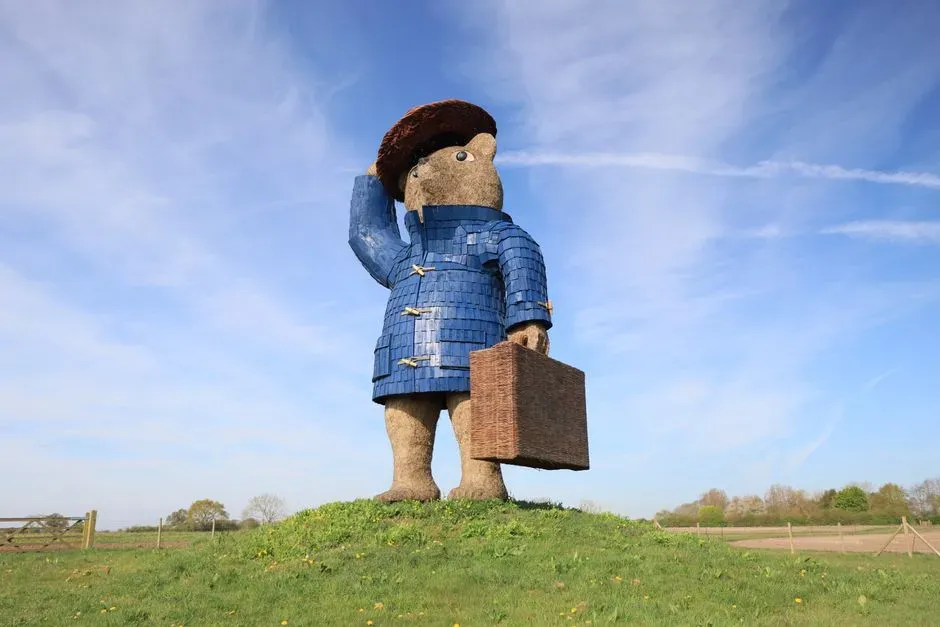
Paul King’s sequel sends the marmalade loving bear to prison after he’s wrongly accused of theft. Ben Whishaw voices Paddington, and Hugh Grant plays the vain actor villain Phoenix Buchanan. The film is gentle, inventive and remarkably funny.
Reviewers widely praised it as a rare sequel that surpasses the original. Its warmth and old fashioned kindness feel very British without being nostalgic for its own sake. Including a family film here says something about how good the genre can be.
Where to Start
If you’ve seen none of these, The Third Man and Kes make good first choices because they’re short and gripping. Lawrence of Arabia is best saved for a long evening. Paddington 2 works for almost any audience.
Partner offer
Planning a trip to Vegas?
Compare hotel rates and show tickets on VEGAS.com.