Music videos used to be treated like tiny Hollywood productions, complete with A list directors, elaborate sets, and budgets that would make an indie filmmaker weep. Labels poured millions into four minute clips assuming the spectacle would translate into radio dominance and record sales. It rarely worked out that cleanly, and some of the priciest videos ever filmed ended up as cautionary tales rather than triumphs. What follows is a look at ten of those cases, videos where the money spent and the results delivered simply did not match up. Some songs vanished from the charts almost immediately. Others sparked controversy that overshadowed the music entirely. Either way, the gap between ambition and outcome tells its own story about the music industry’s love affair with excess.
Scream by Michael Jackson and Janet Jackson
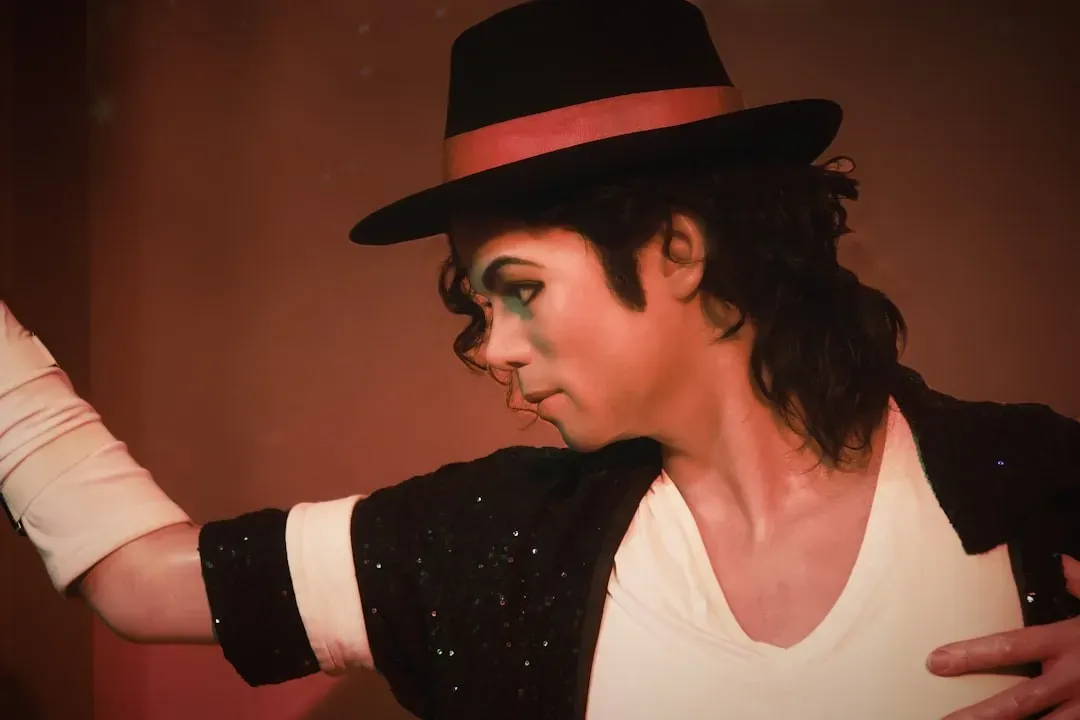
At seven million dollars, this remains the benchmark for extravagant video spending. Scream by Michael Jackson and Janet Jackson, at a cost of $7 million, was listed in the Guinness World Records as the most expensive music video ever made. The siblings appeared in a sleek, futuristic spaceship set designed by Mark Romanek, complete with custom furniture and abstract art meant to symbolize teenage rebellion.
Despite the scale of the production and the star power of two Jacksons sharing a screen for the first time, the single peaked at only number five on the Billboard Hot 100. For a project carrying that price tag and that much anticipation, a number five finish felt underwhelming rather than triumphant. The video is remembered today more as a technical curiosity, a symbol of nineties excess, than as a genuine cultural moment tied to a smash hit.
Die Another Day by Madonna

Commissioned as the theme for the James Bond film of the same name, this clip leaned hard into spy movie aesthetics, fencing duels, and slow motion action. Die Another Day, the theme to the James Bond film of the same name, had total production costs of over six million dollars, making it the second most expensive music video ever. Madonna appeared in multiple guises, part interrogated prisoner, part chess playing spy, in a video meant to reinvent the Bond theme formula.
Critics were not kind. The song is routinely ranked among the weakest Bond themes ever recorded, and the video’s chopped up editing style and heavy use of vocal distortion drew mockery rather than admiration. For a franchise built on glamour and confidence, spending that kind of money only to produce one of the most maligned entries in Bond music history counts as a real misfire.
Estranged by Guns N’ Roses
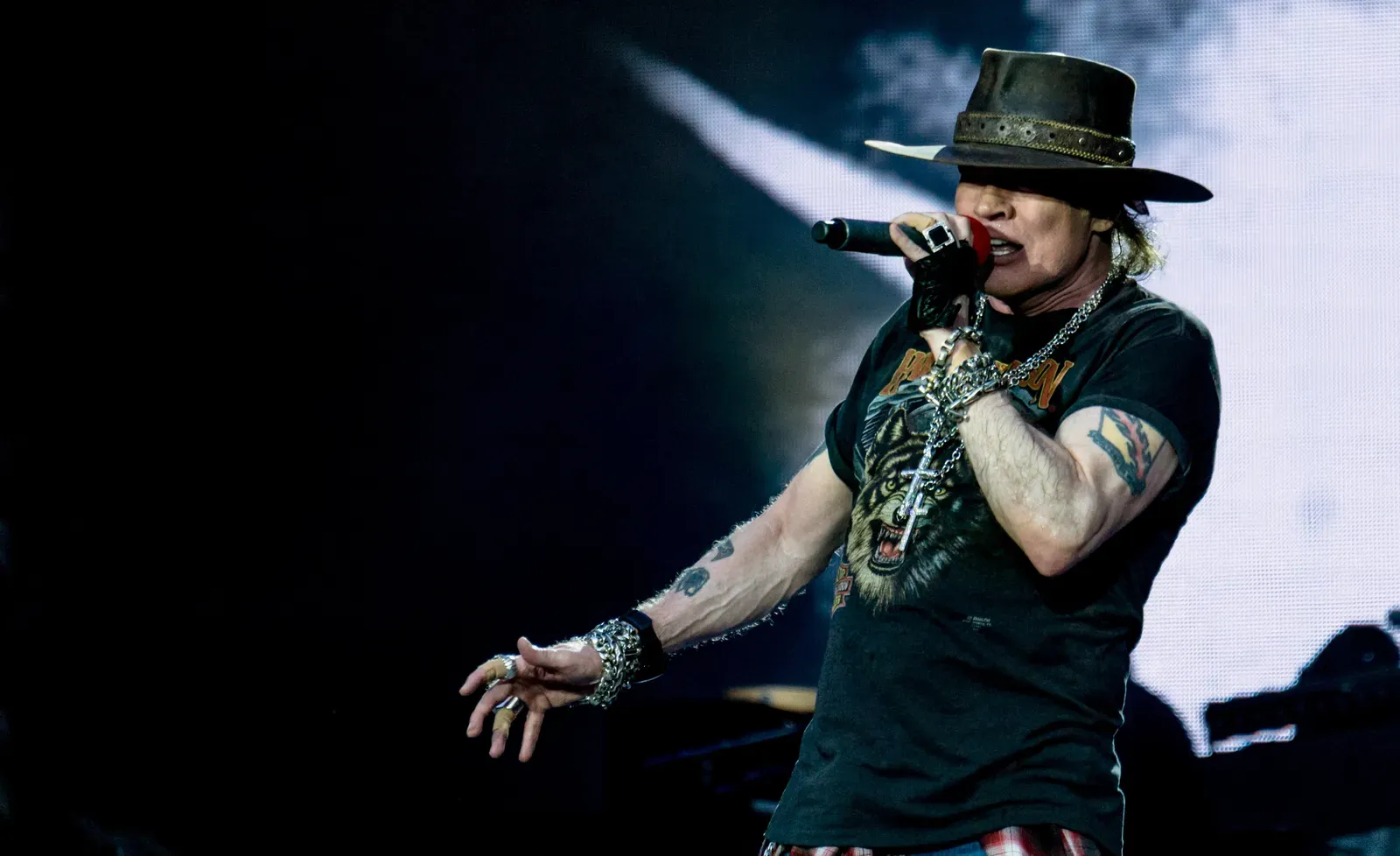
This was the third and final chapter of an unofficial video trilogy pulled from the Use Your Illusion albums. Released in December 1993, the Estranged video is the third and final part of an unofficial Del James trilogy, preceded by Don’t Cry and November Rain, with an estimated budget of $4 million. It featured dolphins, a sinking ship, and Axl Rose diving into the ocean, images that felt more like a fever dream than a coherent narrative.
Unlike its predecessors, which had become MTV staples, Estranged barely registered commercially. The single failed to crack the upper half of the Billboard Hot 100, a stark contrast to the enormous expense behind the footage. By the time it aired, the band was already fracturing internally, and the video’s grandeur ended up documenting a group on its way out rather than launching a hit.
American Life by Madonna
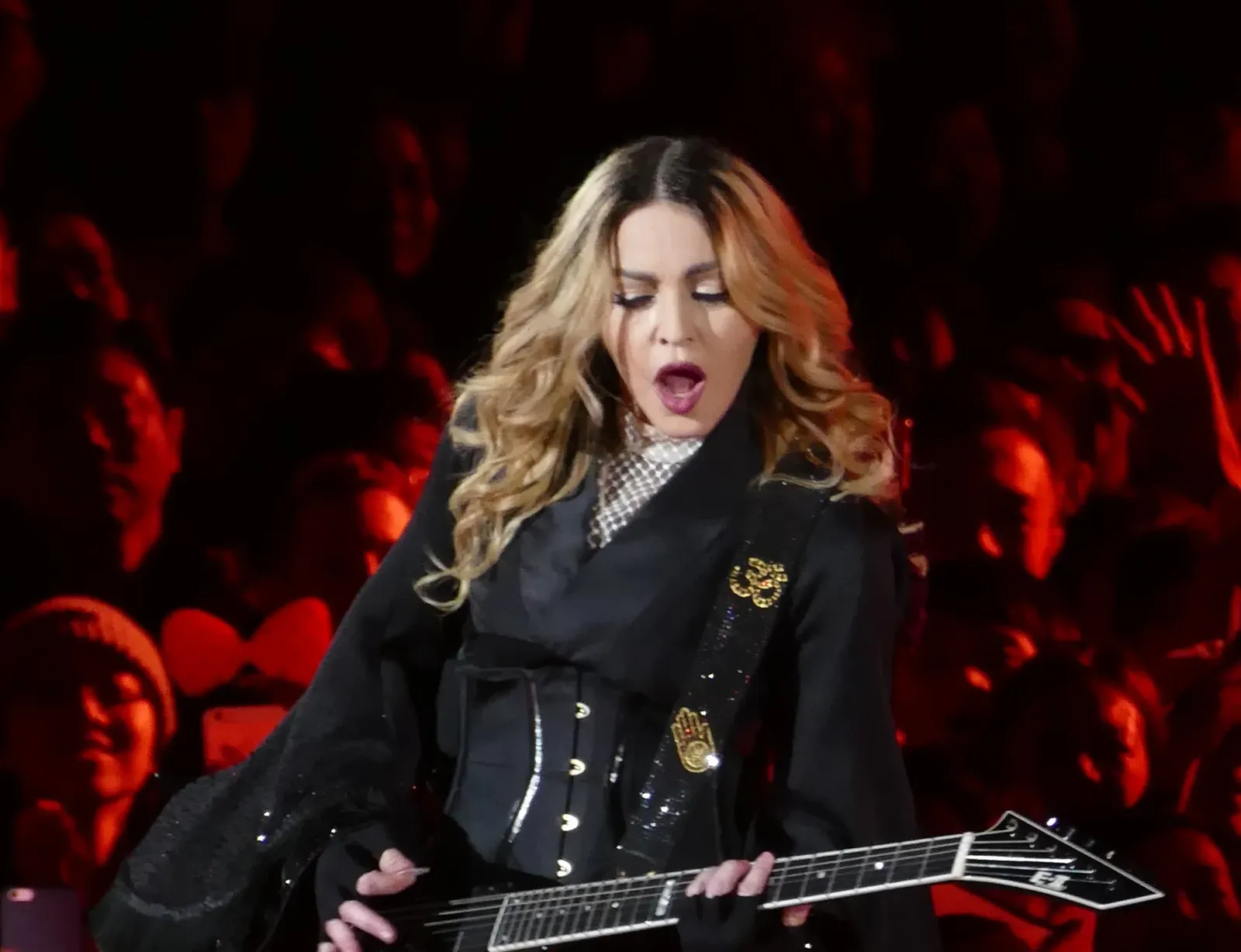
Few videos have collapsed under their own weight quite like this one. Madonna filmed an anti war statement featuring a runway show of wounded soldiers and models in military fatigues, ending with her tossing a grenade at a George W. Bush lookalike who calmly uses it to light a cigar. Provocation didn’t quite translate into sales this time, since American Life was ill timed for release within days of the United States invading Iraq, pairing radio unfriendly critique with an anti war video designed to shake people up.
Madonna pulled the video before its American premiere, replacing it with a tamer version showing her singing in front of rotating national flags. The damage was already done. In terms of sales it was Madonna’s first real flop, her first album to sell less than one million copies in the U.S. and her first not to score any U.S. success on that scale. A video meant to make a bold statement ended up as a symbol of an artist backing away from her own message.
2 Legit 2 Quit by MC Hammer
MC Hammer followed up his massive breakthrough with an even bigger swing, and it did not land. The music video for 2 Legit 2 Quit is an ultra expensive, fourteen plus minute long short film with appearances from Queen Latifah, Danny Glover, Henry Winkler, and other celebrities, tapping out with a $2.5 million budget. The scale of the cameo list alone signaled how confident Hammer’s camp was that this follow up would repeat the success of his previous album.
That confidence proved misplaced. The single and its parent album fell far short of the numbers Hammer had posted before, and critics pointed to the bloated, self indulgent nature of the video as evidence of an artist who had lost the plot creatively. Hammer’s commercial standing never fully recovered, making this one of the clearest examples of a video that tried to buy relevance instead of earning it.
Triumphant (Get ‘Em) by Mariah Carey
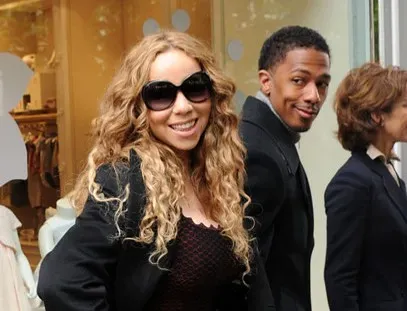
Filmed in a boxing ring setting with Meek Mill playing a fighter and Rick Ross looking on, the clip had the visual polish of a sports drama. One outlet even called it cinematic, comparing it to Rocky and Raging Bull in tone. That polish did not carry over into chart performance in any meaningful way.
Partner offer
Following its lukewarm critical response, Triumphant made little impact after release, debuting on the Billboard Hot R&B/Hip Hop Songs chart at number ninety seven. It never appeared on the main Hot 100 at all. Slant Magazine went so far as to call it the worst lead single, possibly the worst single period, of Carey’s two decade plus career, a brutal assessment for a video clearly built with real money behind it.
Victory by Puff Daddy, The Notorious B.I.G. and Busta Rhymes
Few hip hop videos of the late nineties tried to match Hollywood scale the way this one did. Victory by Puff Daddy, featuring The Notorious B.I.G. and Busta Rhymes, was a 1998 production that cost $2.7 million. Inspired by the film The Running Man, it featured Danny DeVito and Dennis Hopper in a high stakes chase, using pyrotechnics and helicopters previously reserved for pop stars.
The intent was clear: signal that rap videos could command the same budgets as any rock or pop production. The song itself, however, never became one of the defining hits of Bad Boy Records’ catalog, and it faded from rotation faster than the scale of its production suggested it should have. It remains a fascinating artifact of hip hop’s push for mainstream legitimacy more than a genuine commercial triumph.
Cartoon Heroes by Aqua
Aqua had ridden the massive global success of Barbie Girl into a career that briefly made them one of pop’s biggest exports. Cartoon Heroes arrived with a lavish, alien themed video full of coordinated outfits and elaborate set design, clearly meant to extend that momentum into a new era for the group.
These visuals were not enough to make Cartoon Heroes as successful as Barbie Girl, and the song was ultimately a commercial disappointment, with Aqua breaking up in July 2001 shortly after dropping it. The video stands now as a marker of a group’s final creative gasp rather than the comeback single it was clearly designed to be. Big budgets, it turned out, could not manufacture a second Barbie Girl.
Ghosts by Michael Jackson
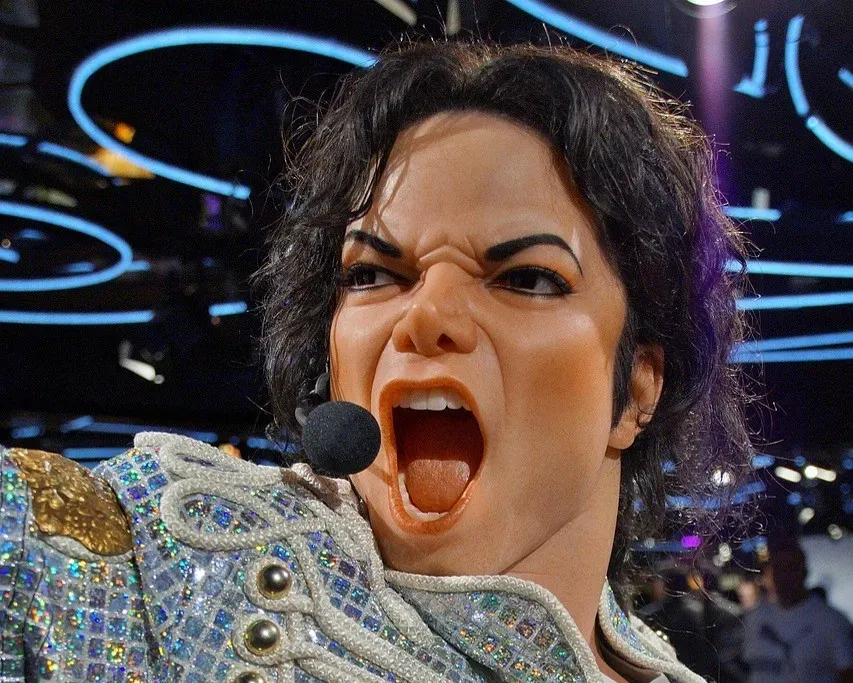
This one barely counts as a music video in the traditional sense, since it runs closer to forty minutes and functions more like a short horror film. Ghosts is believed to have cost fifteen million dollars, making it possibly the most expensive production of all time, though it’s not always listed due to its classification as a short film rather than a standard video. Jackson plays a haunted mansion’s ghostly host battling a small minded mayor, complete with elaborate prosthetics and stop motion dance sequences.
Whatever its artistic ambitions, the accompanying single never became a hit in the way the budget implied it should. It received limited commercial release in several markets and never approached the chart impact of Jackson’s earlier work. The project survives today mostly as a curiosity for fans and film historians rather than as evidence that the spending paid off.
Make Me Like You by Gwen Stefani
This video’s claim to fame is technical rather than narrative. With a budget of four million dollars and direction by Sophie Muller, the entire video was made in a single continuous take, filmed live during the Grammy Awards broadcast, making it the first music video created live on national television. It stands as both the most expensive music video directed by a woman and the most expensive music video of the 2010s.
The logistics were remarkable, with Stefani changing outfits and sets in real time without a single cut. Commercially, though, the song never climbed into the upper tier of the charts the way Stefani’s earlier solo hits had, leaving the video remembered more as a broadcasting stunt than as the launch pad for a comeback smash. It is a reminder that a flawless technical execution does not automatically translate into a hit record.
Final thoughts
Looking back at these ten cases, a pattern emerges that has little to do with talent and everything to do with timing, tone, and audience expectations. Money bought elaborate sets, celebrity cameos, and technical wizardry, but it could not buy a hit single or guarantee critical goodwill. In several cases, the very ambition that made these videos expensive also made them fragile, easy to mock, or too controversial for their own moment.
What lingers from this list is not the size of the budgets but the reminder that spectacle and success are not the same thing. Some of the most memorable music videos in history cost a fraction of what these ten spent, while these bigger swings often ended up as expensive footnotes rather than lasting cultural touchstones.
Partner offer
Planning a trip to Vegas?
Compare hotel rates and show tickets on VEGAS.com.