Science doesn’t always announce itself with fanfare. Some of the most consequential turning points in human understanding began with modest setups, limited budgets, and questions nobody expected to matter much. A contaminated petri dish, a stray chocolate bar, a thin sheet of gold foil – none of these sound like the stuff of revolution.
Yet that’s exactly the pattern that keeps repeating itself throughout the history of science. The experiment launches small, the results arrive unexpected, and the consequences end up reshaping entire fields. Here are eleven cases where that’s precisely what happened.
1. Rutherford’s Gold Foil: A Shot in the Dark That Rewrote Atomic Theory
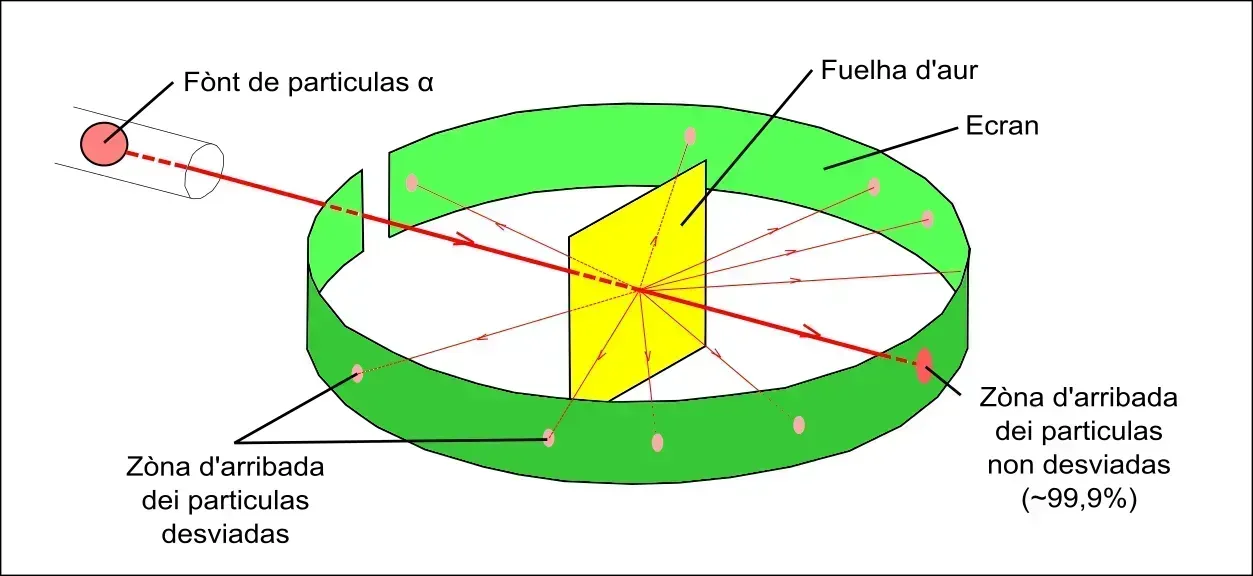
The Rutherford scattering experiments were a landmark series of experiments by which scientists learned that every atom has a nucleus where all of its positive charge and most of its mass is concentrated, deduced after measuring how an alpha particle beam scatters when it strikes a thin metal foil. The experiments were performed between 1906 and 1913 by Hans Geiger and Ernest Marsden under the direction of Ernest Rutherford at the Physical Laboratories of the University of Manchester.
Rutherford, not wanting to neglect any angle of an experiment no matter how unpromising, suggested Marsden look to see if any alpha particles actually scattered backwards. Marsden was not expected to find anything, but nonetheless he dutifully and carefully carried out the experiment. Marsden was to sit in a darkened room, wait for his eyes to adjust, and patiently stare at the screen, expecting to see nothing at all. Instead, he saw lots of tiny, fleeting flashes of yellowish light – on average more than one blip per second. He could hardly believe what he saw. Rutherford’s model, proposed in 1911, described the atom as a tiny, dense, positively charged core called a nucleus, around which the light, negative constituents, called electrons, circulate at some distance.
2. Fleming’s Contaminated Petri Dish: The Messiest Lab That Ever Saved Millions
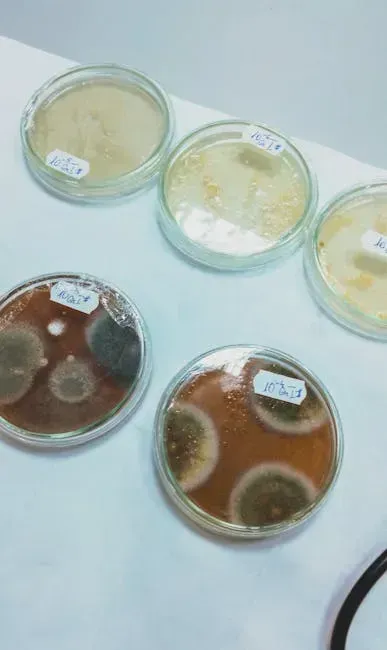
The world’s first antibiotic, which has prevented millions of deaths from infection and disease, was the accidental byproduct of a messy workspace. Alexander Fleming, a bacteriologist in London, returned from a vacation in 1928 to discover that one of the petri dishes in his lab had mold growing on it – the result of unintended contamination. On closer inspection, he saw that the area around the mold was free of bacteria.
Fleming named this bacteria-killing mold juice penicillin after the species of fungus, Penicillium notatum, and published a paper about his discovery in 1929. However, he wasn’t sure if it had any practical use, as it was difficult to purify and stabilize. A decade later, chemists at Oxford University read Fleming’s paper and took up the project of turning penicillin into viable medicine. It was first tested on a patient in 1940, and widespread use began in 1942.
3. The Michelson-Morley Experiment: Looking for Something That Wasn’t There
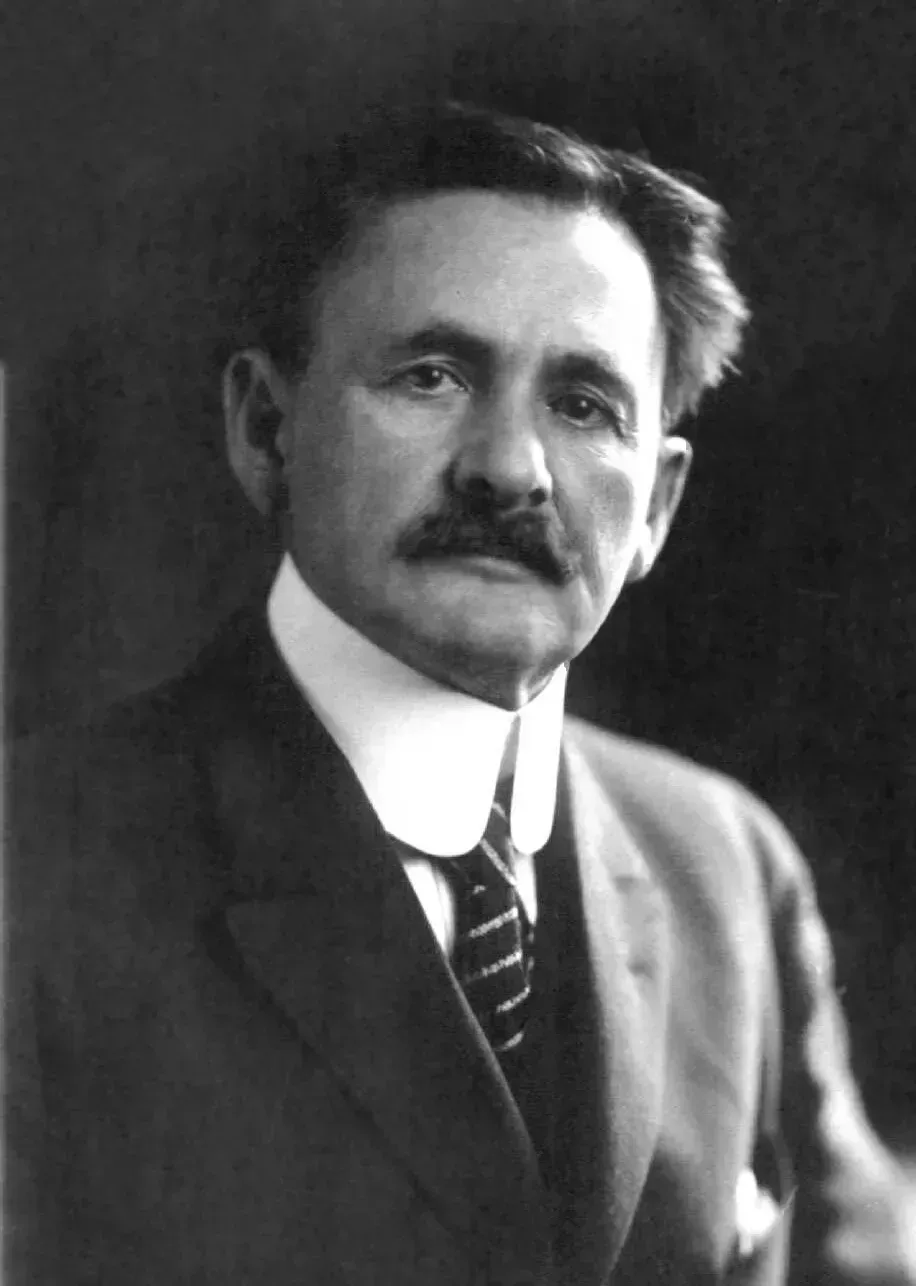
The Michelson-Morley experiment, conducted in 1887, aimed to detect the hypothetical “ether,” a medium once believed necessary for the propagation of light waves. At the time, the prevailing theory suggested that light traveled through this ether at a constant speed, and scientists sought to confirm its existence by measuring the relative motion of the Earth through it. The experiment involved splitting a beam of light into two perpendicular paths, expecting that the speed of light would differ based on the direction of Earth’s movement through the ether. Despite meticulous design and execution, the experiment yielded a null result: no ether drift was detected.
This surprising outcome challenged existing notions of absolute space and time, leading to significant confusion in the scientific community. The implications of these findings contributed to a shift away from the ether theory and played a crucial role in the development of Albert Einstein’s special theory of relativity, which proposed that the speed of light is constant for all observers, regardless of their motion. This incongruous result puzzled the physicists of the world until 1905, when Einstein published his theory of relativity. Viewed in the light of Einstein’s revolutionary work, the null results of the Michelson-Morley experiment were not only predictable but provided experimental confirmation of Einstein’s theory.
4. Röntgen and the Glowing Screen: An Accident That Saw Through Skin and Bone
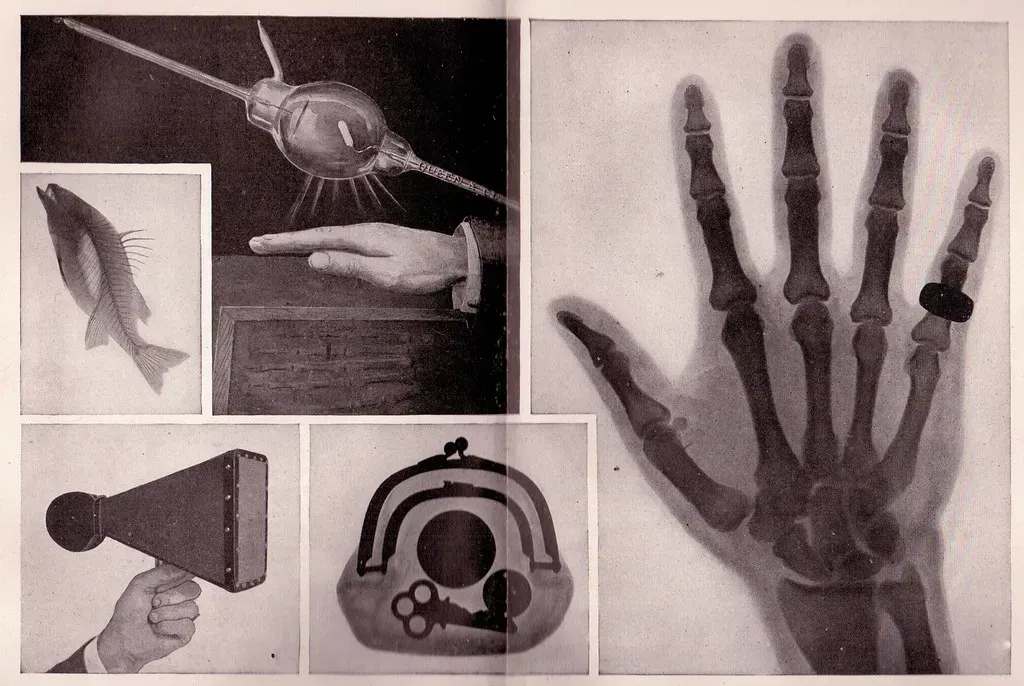
In 1895, German physicist Wilhelm Roentgen was conducting experiments with cathode rays when he noticed a fluorescent glow coming from a nearby fluorescent screen, even though it wasn’t in direct line of sight. Upon further investigation, he realized that he had discovered a new type of radiation, which he named X-rays. Roentgen’s accidental discovery became the foundation of modern medical imaging, revolutionizing diagnostics in the medical field.
In 1895, a German physicist named Wilhelm Roentgen was working with a cathode ray tube. Despite the fact that the tube was covered, he saw that a nearby fluorescent screen would glow when the tube was on and the room was dark. The rays were somehow illuminating the screen. Roentgen tried to block the rays, but most things that he placed in front of them didn’t seem to make a difference. When he placed his hand in front of the tube, he noticed he could see his bones in the image that was projected on the screen. In 1901, the first year of the Nobel Prize, Röntgen won for his accidental discovery of what he called the “X-ray,” which physicians worldwide soon adopted as a standard medical tool.
5. Percy Spencer’s Melted Chocolate Bar: From Radar to the Kitchen Counter
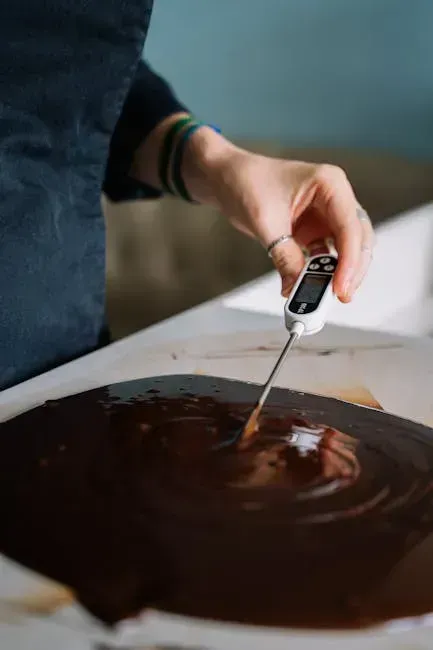
In 1946, Percy Spencer, an engineer for the Raytheon Corporation, was working on a radar-related project. While testing a new vacuum tube, he discovered that a chocolate bar he had in his pocket had melted more quickly than he would have expected. He became intrigued and started experimenting by aiming the tube at other items, such as eggs and popcorn kernels. Spencer concluded that the heat the objects experienced was from the microwave energy.
Soon after, on October 8, 1945, Raytheon filed a patent for the first microwave. The first microwave weighed 750 pounds and stood five feet six inches tall. The first countertop microwave was introduced in 1965 and cost US$500. What started as a puzzling chocolate puddle in an engineer’s pocket became one of the most ubiquitous kitchen appliances in the world – found in kitchens across virtually every continent today.
Partner offer
6. Mendel’s Garden Peas: A Monk’s Quiet Hobby That Founded Genetics

The profound mystery behind the inheritance of physical traits began to unravel a century and a half ago, thanks to Gregor Mendel. Born in 1822 in what is now the Czech Republic, Mendel showed a knack for the physical sciences, though his farming family had little money for formal education. Following the advice of a professor, he joined the Augustinian order, a monastic group that emphasized research and learning, in 1843. Ensconced at a monastery in Brno, the shy Gregor quickly began spending time in the garden.
Working quietly with pea plants across thousands of individual crosses, Mendel identified the basic mathematical patterns by which traits pass from parent to offspring. His work was largely ignored during his lifetime but, once rediscovered in 1900, became the foundation of modern genetics. Every field from hereditary disease research to contemporary gene editing traces its roots directly back to those monastery garden plots.
7. The Discovery of Radioactivity: Becquerel’s Forgotten Uranium Samples

Even though the experiment couldn’t be completed, Henri Becquerel developed the photographic plates and found that the images showed up clear anyway – the uranium had emitted radioactive rays. He theorized and later showed that the rays came from the radioactive uranium salts. Becquerel had originally been trying to study whether sunlight triggered phosphorescent materials to emit X-rays, a hypothesis that turned out to be entirely wrong.
Significant serendipitous findings include the development of insulin, the vulcanization of rubber by Charles Goodyear, and the discovery of Pluto’s moon Charon – but Becquerel’s stumble onto radioactivity in 1896 carried special weight. It triggered an entirely new field of physics, directly inspiring the work of Marie and Pierre Curie, and eventually led to nuclear energy, cancer treatments, and a complete reimagining of what matter actually does at its core.
8. Warfarin from a Cow Field: An Agricultural Mystery That Saved Human Hearts

Warfarin, a common blood thinner, was discovered not in a lab but in a field, where livestock were dying from a mysterious disease. In the 1920s, cattle and sheep that grazed on moldy sweet clover hay began to suffer from internal bleeding. Many previously healthy animals also bled to death after simple veterinary procedures. A Canadian veterinarian, Frank Schofield, determined that the moldy hay contained an anticoagulant that was preventing their blood from clotting. In 1940, scientists at the University of Wisconsin, led by biochemist Karl Link, had isolated the anticoagulant compound in the moldy hay. A particularly powerful derivative of the compound was patented as warfarin, named after the Wisconsin Alumni Research Foundation that funded its development.
What began as a baffling livestock problem eventually became one of the most widely prescribed blood-thinning medications in the world. Warfarin is still used today to prevent dangerous blood clots and reduce stroke risk in millions of patients. Nobody who first noticed those dying cattle imagined they were looking at the foundation of a cardiovascular drug.
9. Spencer Silver’s Failed Adhesive: The Mistake That Became the Post-it Note

It all began when 3M scientist Spencer Silver was trying to create a super-strong adhesive. Instead, he accidentally invented a weak, pressure-sensitive adhesive that didn’t stick well – except when applied lightly. Initially dismissed as a failed experiment, Silver’s “mistake” was later transformed into the iconic Post-it Note after his colleague Art Fry needed something to keep bookmarks in his hymn book from falling out.
It was in 1968, while working for the Midwestern US company 3M, that chemist Spencer Silver received an assignment to invent a new adhesive that was stronger and more powerful than what was current. At the end of his research, the young man had achieved just the opposite: a mixture that adhered but was easily dislodged. At the time, Spencer believed he had failed. In fact, he’d just changed the history of the paper mill. Today, Post-it Notes are sold in more than one hundred countries worldwide.
10. Anaphylaxis in Dogs: How a Re-Dose Led to Understanding Allergies

Charles Robert Richet, a French physiologist, made several experiments testing the reaction of dogs exposed to poison from the tentacles of sea anemones. Some of the dogs died from allergic shock, but others survived their reactions and made full recoveries. Weeks later, because the recovered dogs seemed completely normal, Richet wasted no time in reusing them for more experiments. They were given another dose of anemone poison, this time much smaller than before.
Richet’s conclusions from his findings came to form the theoretical basis of the medical study and treatment of allergies. He eventually proved that there was a physiological state called anaphylaxis that was the antithesis of prophylaxis: when an allergic subject is exposed to an allergen a second time, he or she is even more sensitive to its effects than the first time. Instead of building immunity to the substance through exposure, the allergic subject’s immunity becomes greatly reduced. This discovery unlocked the entire field of immunological research and laid the groundwork for how medicine treats severe allergic reactions to this day.
11. The Plastic-Eating Bacteria: A 2016 Discovery That Surprised Even Its Finders
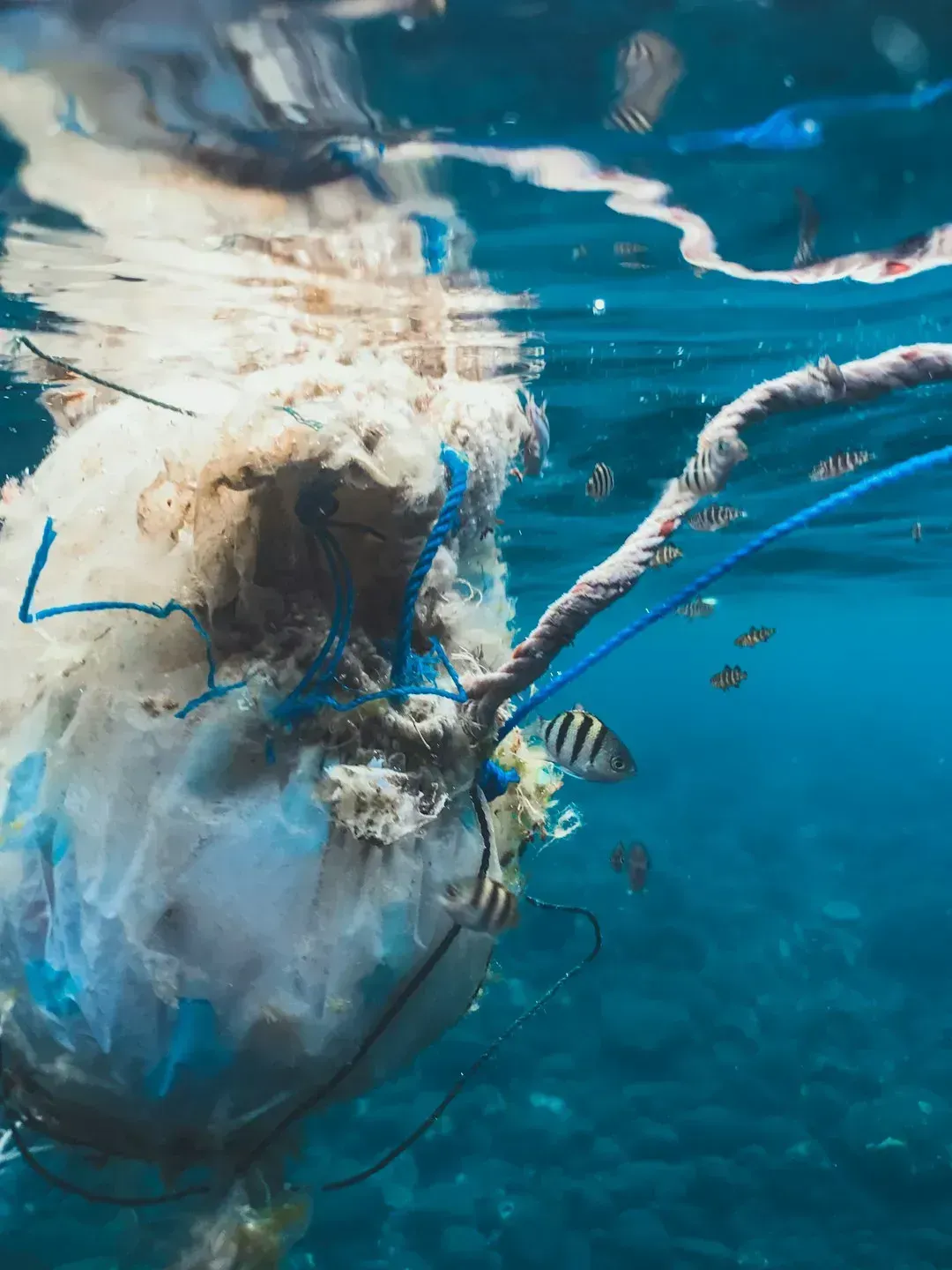
In 2016, scientists in Japan discovered a bacteria that ate plastic. The organisms they found produced two enzymes that help them break down PET within weeks. Scientists called these enzymes PETase and MHETase, and by 2018, they had tweaked the molecule further. The initial discovery came not from a dedicated search for a biological solution to plastic pollution, but from a routine survey of soil and water samples near a plastic recycling facility.
By 2018, they had tweaked the PETase enzyme to see how it had evolved, but tests showed they had inadvertently made the molecule even better at breaking down the PET plastic used for soft drink bottles. In 2020, they turned it into a super enzyme that destroys plastic six times faster. With the world in a plastic pollution crisis, this accidental discovery couldn’t be more urgent for the future of the planet. A finding that started as a footnote in a microbiology paper quietly became one of the most closely watched areas of environmental biotechnology.
Partner offer
Planning a trip to Vegas?
Compare hotel rates and show tickets on VEGAS.com.