There’s a specific kind of frustration reserved for films that do nearly everything right. Not the ordinary disappointment of a bad movie, but the sharper sting of watching something brilliant and then feeling it slip just slightly through your fingers. A single scene, a single decision, and the whole thing shifts from masterpiece to “almost.”
Since it’s so difficult to pull together a movie that works at all, making one that’s completely perfect is near-impossible. Even some of the greatest films ever made, universally praised by critics and audiences alike, are let down by one disappointing scene that threatens to ruin the whole movie. The four films below belong to that curious, maddening category.
American Sniper (2014): The Baby That Broke the Spell

American Sniper is a 2014 biographical war drama directed by Clint Eastwood, following the life of Chris Kyle, who became the deadliest marksman in U.S. military history with 255 kills from four tours in the Iraq War. While Kyle was celebrated for his military successes, his tours took a heavy toll on his personal and family life. The film earned six Academy Award nominations and earned Bradley Cooper some of the finest notices of his career.
Despite winning strong notices from critics and becoming so irresistible to audiences that it ended up netting roughly $547 million at the global box office, American Sniper isn’t regarded as one of Eastwood’s top-tier efforts. The project won an Academy Award for Best Sound Editing amongst six nominations in total, including Best Picture and Best Actor, but if you were to ask a hundred people to name the single most memorable scene from the entire movie, the majority might well answer with the fake baby.
American Sniper screenwriter Jason Hall revealed that the doll was actually plan C. A real baby was hired, only to fall sick during production. The production even had a backup baby, but that arrangement also failed. Eastwood is known as one of the most economical directors around who only shoots a couple of takes before moving onto the next setup, so there was realistically little chance he’d allow his schedule to be disrupted by an absentee baby, necessitating the need for a preposterous stand-in.
The use of that fake baby doll in the scene was so obviously artificial that it became a distraction. At least one media screening of the film saw the audience laugh out loud at how artificial the doll appeared. The prop baby drastically hurts the film. Aside from that one embarrassing scene, the movie is a harrowing and enthralling story and one of Eastwood’s best films, but the prop baby is so distracting that it pulls audiences out of the otherwise immersive experience.
The Departed (2006): When a Rat Overstayed Its Welcome
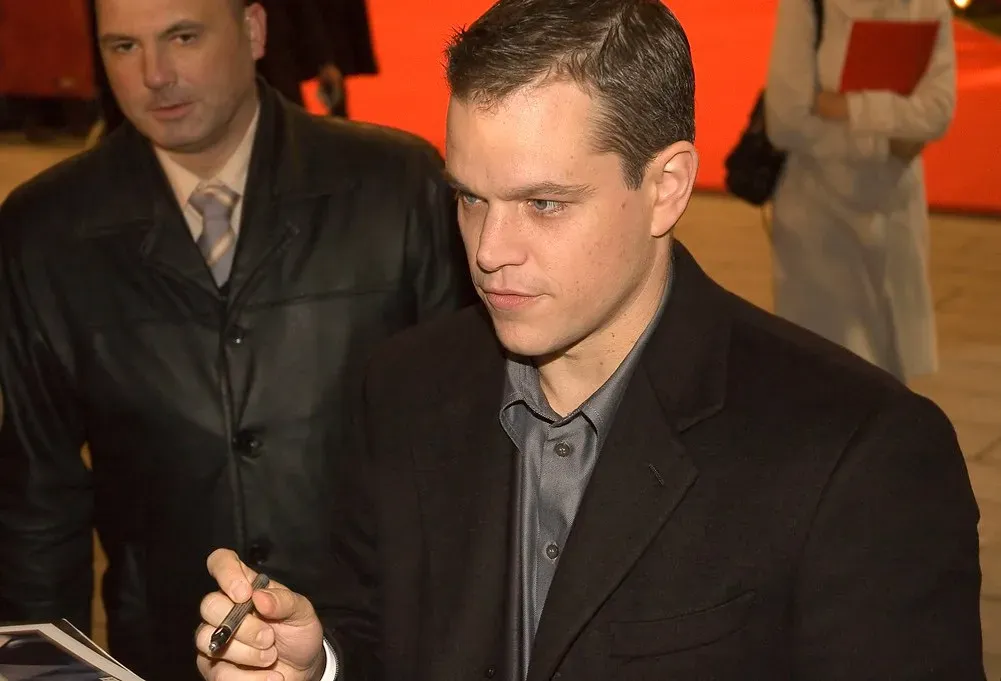
The Departed debuted in theaters in October 2006 and grossed nearly $300 million worldwide. The film won Best Picture and Best Director, giving Martin Scorsese his first and only win in the latter category. It remains one of his most celebrated works, a tightly wound crime thriller stuffed with career-best performances from an extraordinary ensemble cast.
Scorsese’s film, a remake of the Hong Kong action film Infernal Affairs (2002), follows two men on contrasting undercover missions: one, a police officer investigating an Irish mob, and the other, a mole planted by the gangsters inside the police department. The tension is expertly calibrated for nearly the entire runtime, and the climax is genuinely shocking.
It is the final shot of the movie that has garnered the most negativity. The shot of the rat running across the frame has been deemed a pointless and overly obvious bit of imagery to include in the final moment. Some argue that, although it is a small choice by the filmmaker, it takes the audience out of those final moments.
Partner offer
The controversy became so real that director Adam Sacks actually launched a Kickstarter campaign to digitally remove the rat from the last scene. While Sacks considers The Departed “a great Scorsese film,” he wrote that the movie ends “with the painfully on the nose metaphor of an ACTUAL RAT crawling across screen.” He argued it “could be fixed by digitally erasing the rat from the last shot.” The campaign exceeded its funding goal, which says something about how widely the sentiment was shared.
Star Wars: Revenge of the Sith (2005): The “Nooo!” Heard Around the Galaxy
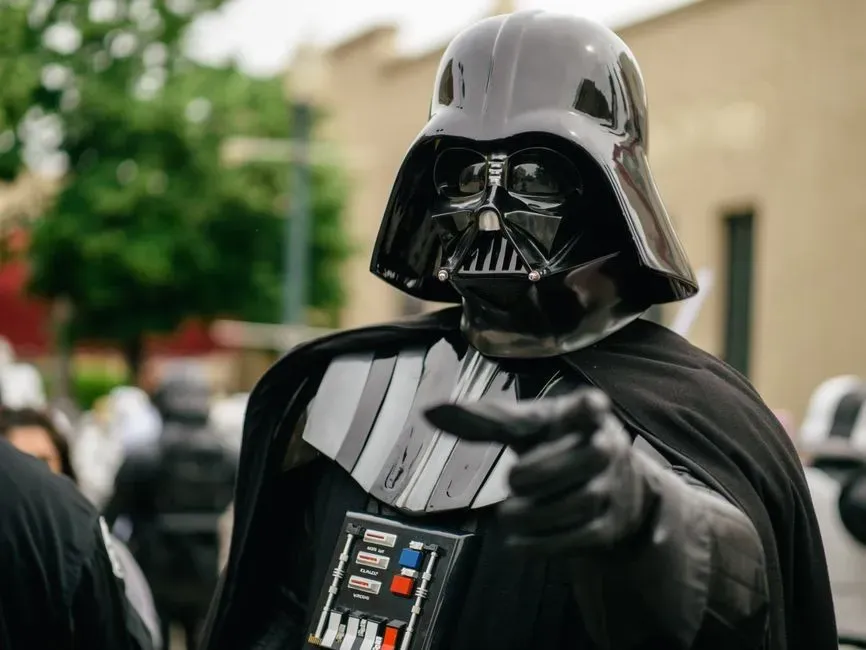
Revenge of the Sith is arguably the best of the Star Wars prequels. Episode III revolved around Anakin Skywalker’s fall from grace and his rise as Darth Vader. The film carries genuine emotional weight across most of its runtime, with Ewan McGregor and Ian McDiarmid delivering performances that anchor even the more melodramatic moments.
After Anakin is reborn as the feared Sith Lord, he infamously lets out a pained “No!” after Emperor Palpatine tells him that Padmé died. This moment took viewers out of the scene entirely. Darth Vader is one of the greatest cinematic villains of all time and was never given to melodramatic emotional outbursts like this one.
The scene functions as a kind of structural collapse. Everything leading up to it, the lava duel, the betrayal of the Jedi Order, the tragedy of Anakin’s corruption, had been building toward something genuinely devastating. Then one theatrical howl unraveled most of it. Fans were even more upset when the same “No!” was added to re-releases of Return of the Jedi at the moment Palpatine is thrown into the Death Star’s reactor.
The scene has since become one of the most parodied moments in modern cinema, which is a strange fate for a film that otherwise succeeded in the nearly impossible task of making Darth Vader feel tragic rather than simply menacing. A quieter, more restrained choice in that single moment might well have secured the film a far more dignified legacy.
Argo (2012): When the True Story Wasn’t Enough
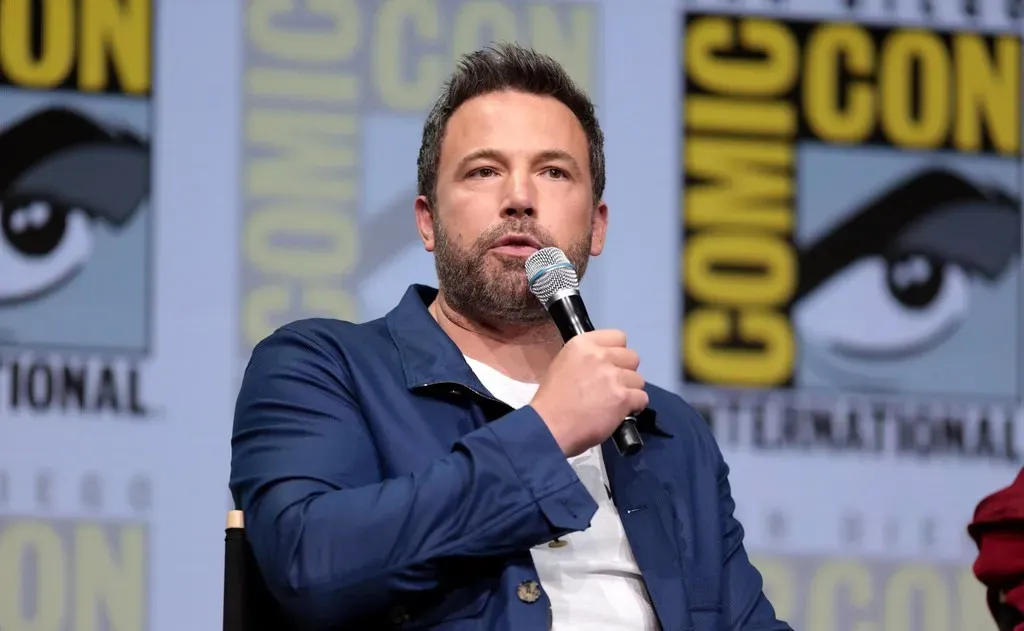
Argo is a fantastic movie based on an even more fantastic true story. Ben Affleck’s tense dramatization of the 1979 Iranian hostage crisis and the CIA’s unlikely extraction plan won the Academy Award for Best Picture, and most of it earns that honor with authority. The performances are grounded, the pacing is patient and precise, and the tension feels earned rather than manufactured.
One thing that isn’t true to the real-life escape portrayed in the film is the chase by the Iranian police of the plane on the runway as the embassy workers escape to freedom. It’s a totally unnecessary addition to “Hollywood up” the ending. The actual escape was, by most accounts, far less dramatic at that precise moment, which is almost part of what made it remarkable.
The fabricated runway chase is not simply inaccurate. It actively undercuts the film’s greatest quality, which is its commitment to procedural realism. For more than two hours, Argo trusts the audience to find tension in logistics and bureaucracy and human fear. Then, in the final stretch, it abandons that trust in favor of a conventional thriller beat that feels borrowed from a different, lesser film.
The irony is that the real story was already almost unbelievable. A fake Hollywood science-fiction film used as cover to extract six American diplomats through one of the most hostile cities on earth. There are very few movies that can best be described as completely perfect. Even some of the great films of all time have a few minor issues, but there are some movies that missed the chance to be flawless due to one blunderous scene that significantly threw off the continuity, tone, or characterization. Argo is a textbook example: a film whose single invented scene exposed the one thing it could not afford to show, a lack of faith in its own extraordinary source material.
Partner offer
Planning a trip to Vegas?
Compare hotel rates and show tickets on VEGAS.com.