Most people treat opening credits as a bathroom break or a chance to settle into their seat. A handful of filmmakers and designers saw that stretch of screen time as a real opportunity. The best sequences set a tone, plant a theme, and sometimes tell a small story of their own.
This ranking runs from ninth place to first. It leans on design influence, how well each sequence fits its film, and how much later work borrowed from it. Every entry below is grounded in documented credits and well known production history.
9. Catch Me If You Can (2002)
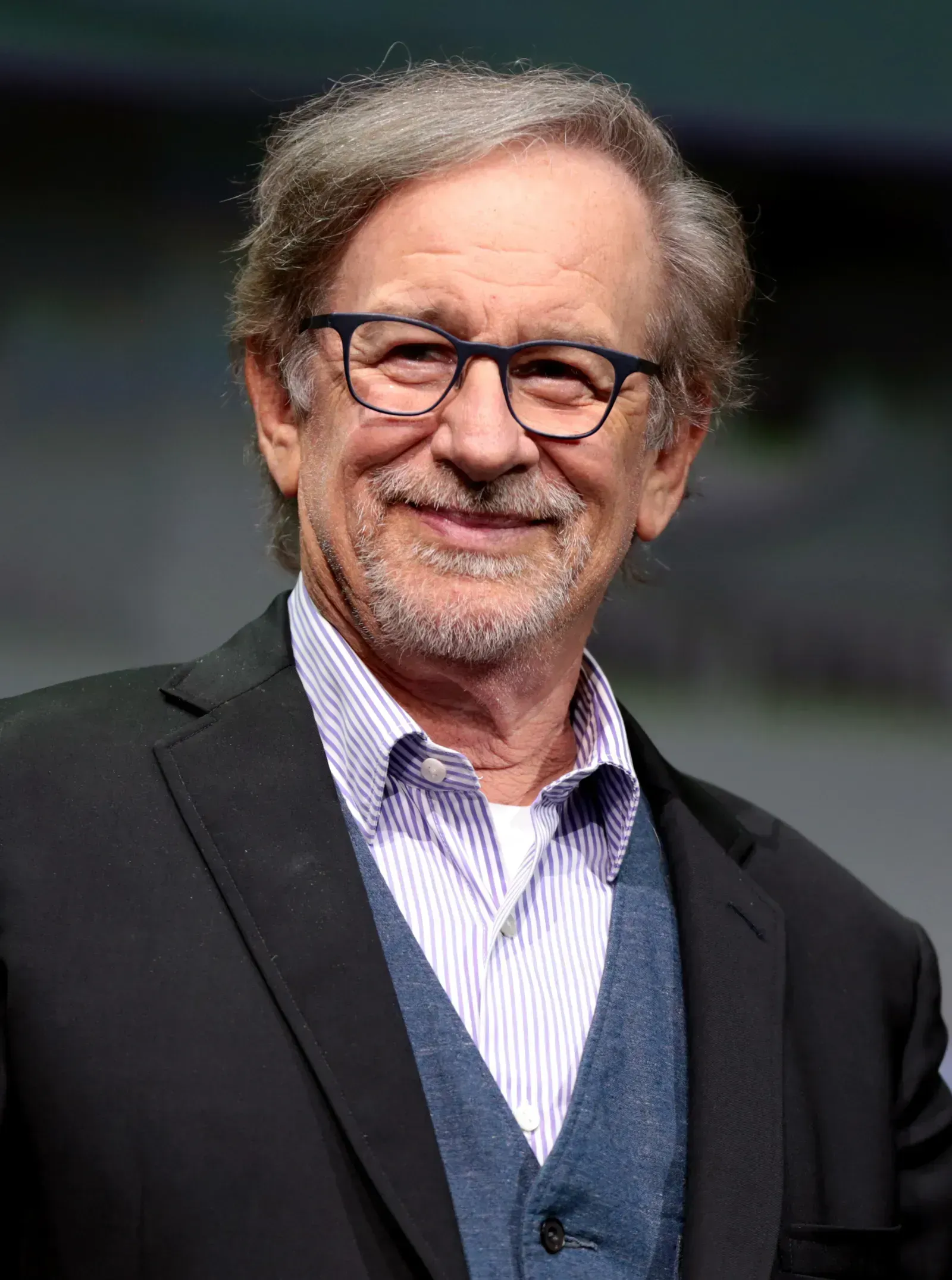
Steven Spielberg’s caper opens with an animated sequence by the French studio Kuntzel+Deygas. It draws on the flat, graphic look of 1960s travel posters and airline advertising. Small cartoon figures chase each other through stylized cityscapes and aircraft interiors.
The sequence works because it mirrors the film’s cat and mouse plot before a single live scene plays. John Williams supplied a light, jazzy score that matches the era. It also helped revive interest in retro animated titles at a time when many films were settling for plain text.
8. Enter the Void (2009)
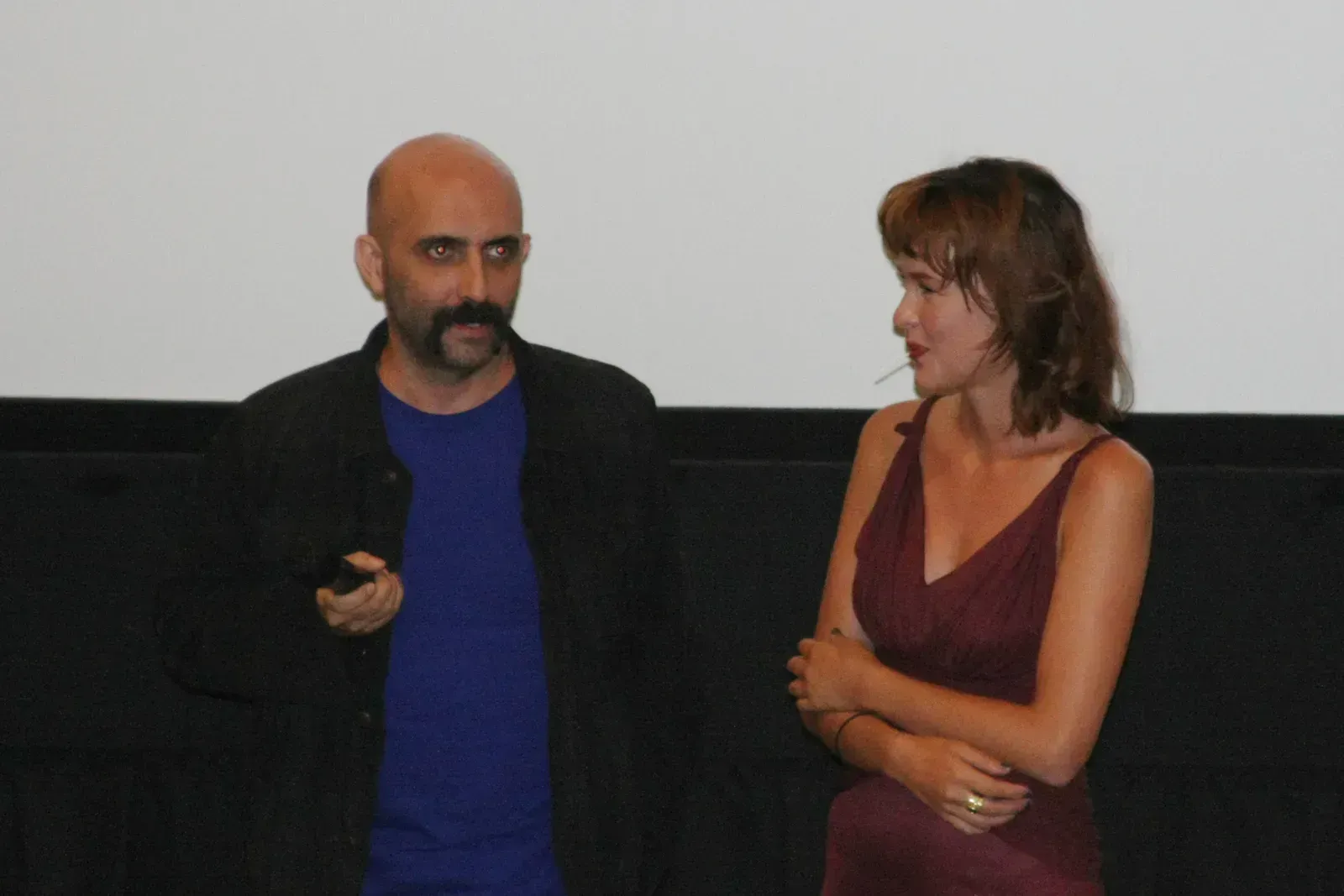
Gaspar Noé’s film throws its title cards at the audience in rapid, flashing bursts of neon lettering. The credits mimic the sensory overload of Tokyo nightlife, with each name hammered onto the screen alongside a pounding electronic track. Many viewers find it exhilarating, and others find it hard to sit through.
That divide is part of the point. The sequence tells you exactly what kind of experience you’ve signed up for, and it does so within minutes. It’s a reminder that credits can be confrontational as well as elegant.
7. The Man with the Golden Arm (1955)
Saul Bass built his reputation here. For Otto Preminger’s drama about heroin addiction, he designed a title sequence of jagged white bars moving against a black background, ending in the shape of a distorted arm. Elmer Bernstein’s jazz score gave the images a restless, nervous energy.
Before this, title sequences were usually static cards, often shown over a curtain. Bass showed that abstract graphics could carry the mood of a film without showing any actors. Designers have been working in that shadow ever since.
6. Goldfinger (1964)
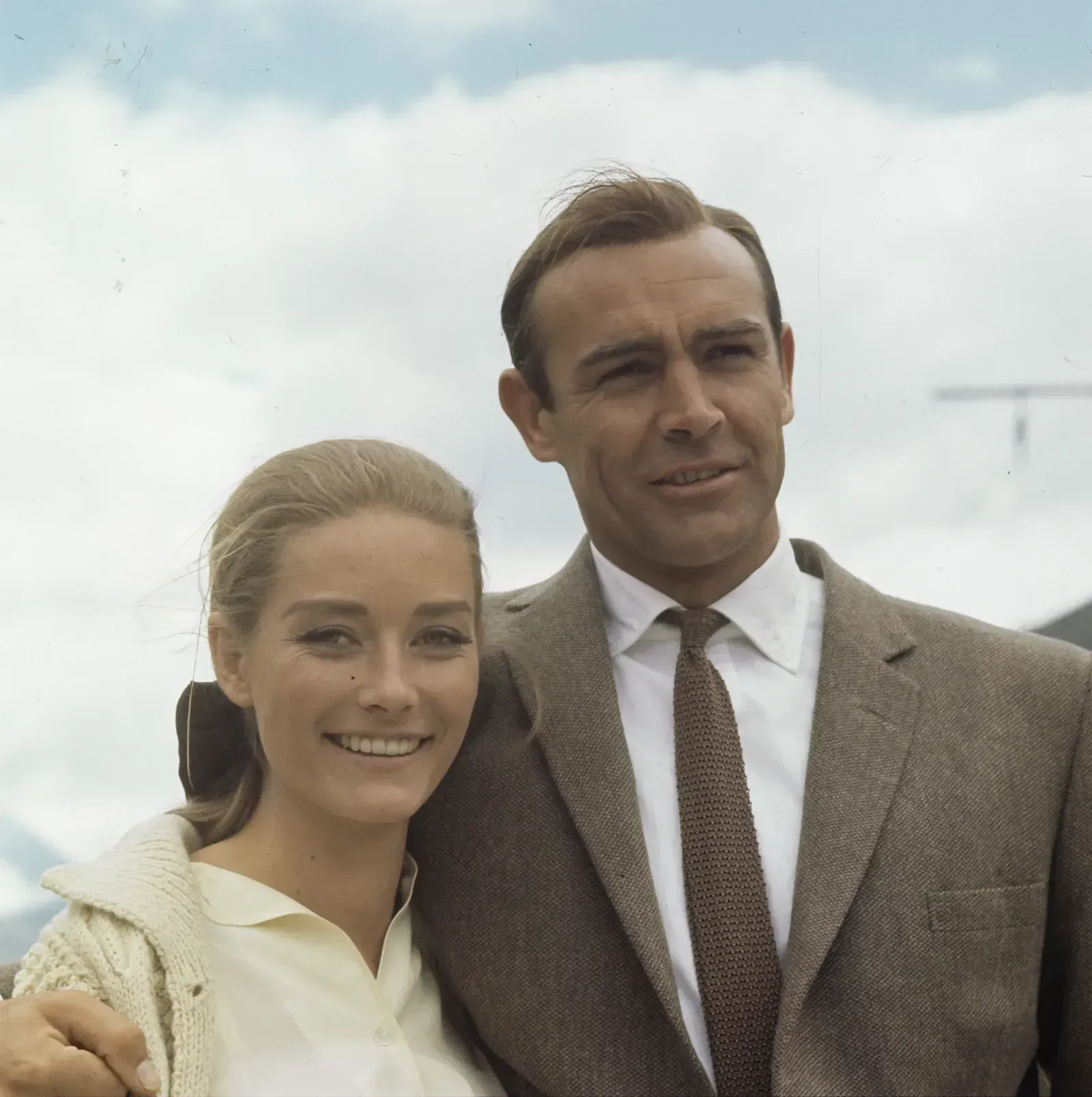
The Bond series eventually made title sequences a signature, and Goldfinger is where the formula clicked. Designer Robert Brownjohn projected clips from the film onto the bodies of models, so the images wrapped around skin and fabric. Shirley Bassey’s powerful vocal on the theme song completed the package.
The template of silhouettes, gold tones, and a big theme song became a franchise habit for decades. Later entries added computer effects, but the basic idea started with this low tech projection trick. It still looks striking today.
5. Superman (1978)
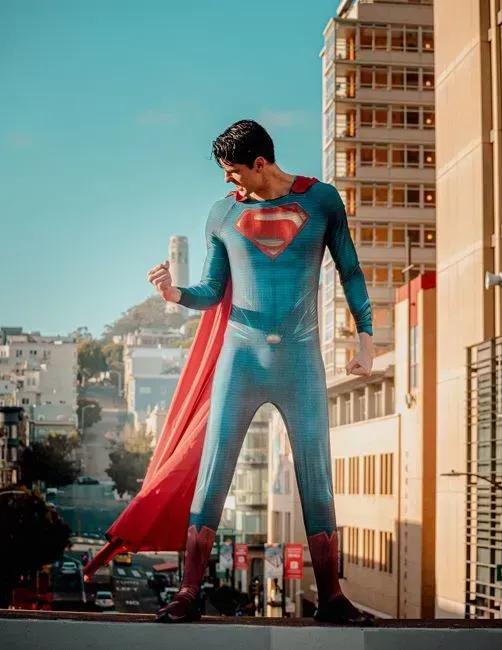
Richard Donner’s Superman opens with credits that rush toward the audience through space, the letters streaking past as if the viewer were flying. Richard Greenberg’s studio created the effect, which was ambitious for the late 1970s. John Williams’s soaring march gave it a sense of scale that few superhero films have matched.
The sequence promised wonder before the story even began. It also proved that credits could be a spectacle in their own right, something audiences were happy to sit through. Plenty of later blockbusters have tried to recreate that feeling.
4. Star Wars (1977)
The famous crawl needs no elaborate animation. Yellow text on a starfield scrolls into the distance, introducing the story while John Williams’s fanfare blasts from the speakers. George Lucas took inspiration from the serial adventures he grew up watching, which used similar text introductions.
Its influence is huge, and the simple format has been imitated and parodied endlessly. It also broke with convention by delivering story setup instead of a list of names. The film’s actual credits were held back until the end.
3. Se7en (1995)
Kyle Cooper designed this unsettling sequence for David Fincher’s serial killer thriller. Scratchy, jittery close shots show a person making notebooks, cutting photographs, and slicing fingertips, all edited to feel like a nightmare. A remix of a Nine Inch Nails track adds to the dread.
Cooper’s work here is widely credited with inspiring a wave of edgy, hand made title design in the late 1990s. It gives you a portrait of the killer without a single line of dialogue. Few sequences set up a villain so efficiently.
2. Psycho (1960)
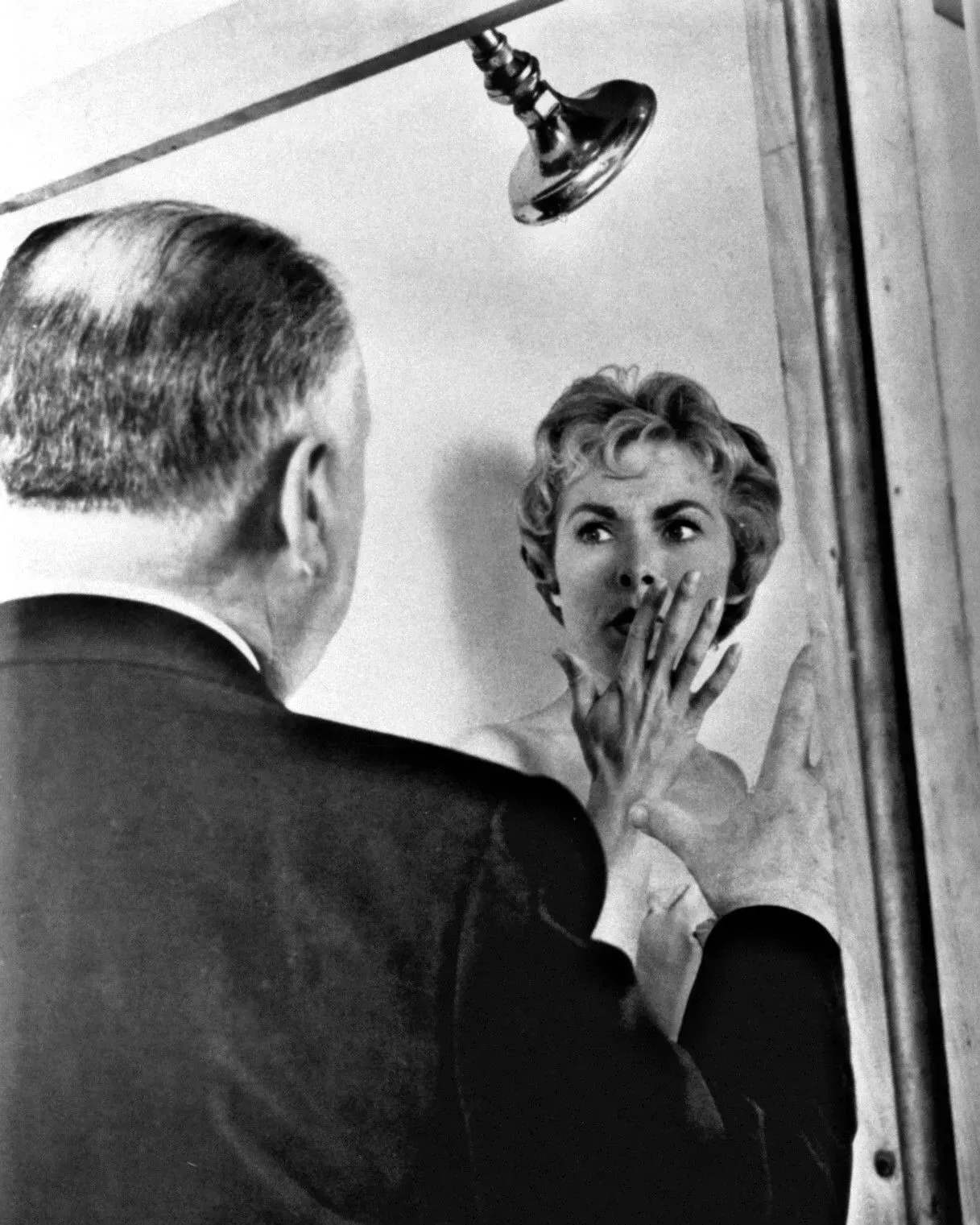
Saul Bass returned for Alfred Hitchcock with a sequence built from horizontal and vertical lines. Gray bars slide across the screen and slice the names apart, while Bernard Herrmann’s screeching string score drives the tension. The splitting of text mirrors the fractured mind at the center of the story.
It’s economical, precise, and a little frightening before any character appears. Herrmann’s music became one of the most recognized pieces in film history. The pairing of visuals and score remains a model for how credits and composition can work together.
1. Vertigo (1958)
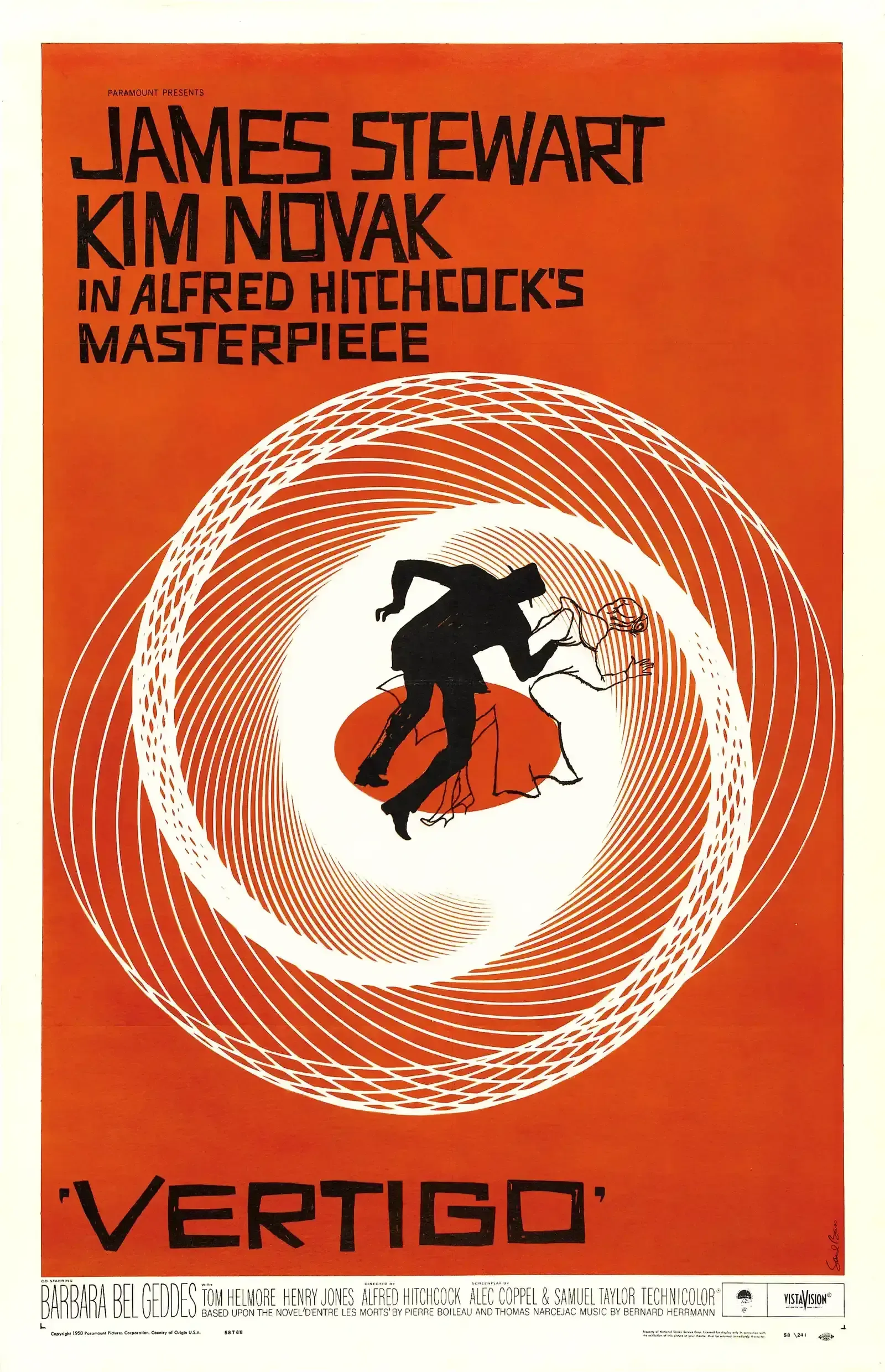
Bass and Hitchcock collaborated again, and this is their finest hour. The sequence begins with a tight shot of a woman’s face, moves into one eye, and then releases swirling spiral patterns. The spirals were created with the help of animator John Whitney, and they’re often cited as an early example of computer generated graphics in a mainstream feature.
Bernard Herrmann’s circling, hypnotic music matches the imagery, and the spirals foreshadow the film’s themes of obsession and disorientation. Nothing here is decorative. Every element connects to the story that follows, which is why it tops this list.
Where to Watch Them
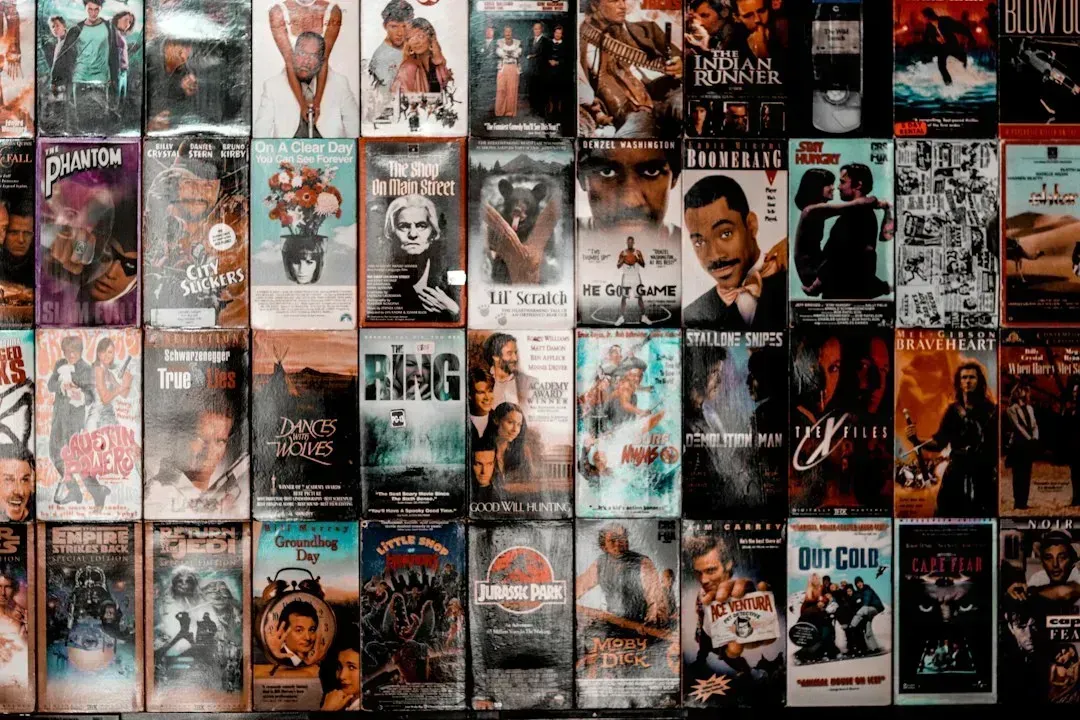
Most of these sequences are easy to find. Full films are available through rental and streaming services, and availability changes by region and over time, so check current listings. The Vertigo, Psycho, and Man with the Golden Arm titles are also widely discussed in design books about Saul Bass.
If you only have a few minutes, start with Vertigo and finish with Se7en. The thirty seven years between them show how far title design traveled while keeping the same aim: to make the first minutes of a film matter.