Most auditions vanish into casting archives, watched once, forgotten twice. Every so often, though, a single tape does something stranger. It does not just win an actor the part. It rewires how the director sees the character, and sometimes the entire film gets rebuilt around whatever happened in that room or on that grainy camera. That kind of moment is rare, but it is not myth. Hollywood has a documented history of performers walking into a casting session with material nobody asked for, and walking out having changed the shape of a movie. Here are some of the clearest examples, along with the industry shift that has made this kind of surprise more common than it used to be.
When an Audition Becomes a Pitch
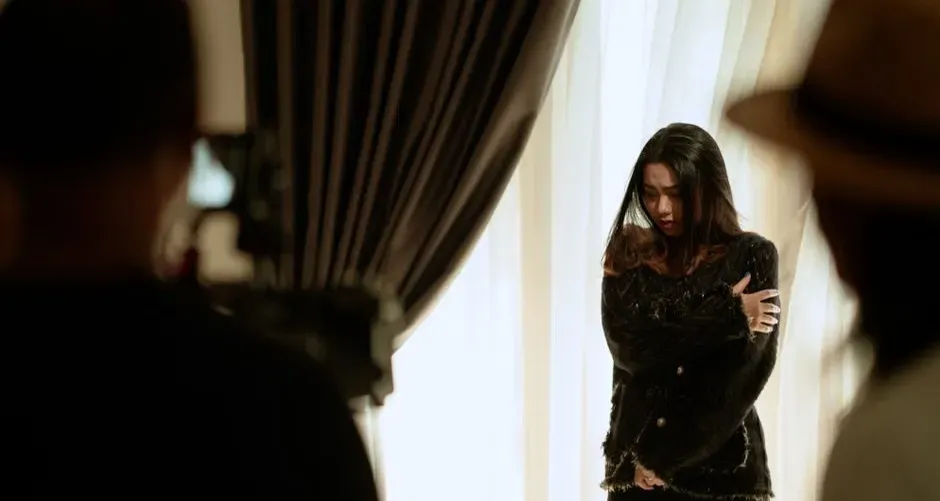
Most casting sessions exist to answer a narrow question: can this actor deliver the lines as written. Occasionally the answer arrives alongside something the filmmakers never asked for, a voice, a rhythm, or a physical choice that reframes the whole part. When that happens, the audition stops functioning as a filter and starts functioning as a pitch.
Studios do not plan for this. Scripts get locked, budgets get approved, and shooting schedules get built around a version of a character that exists only on paper. A performance strong enough to unsettle that plan has to be genuinely unexpected, which is exactly why the handful of times it has happened are still talked about years, even decades, later.
Heath Ledger’s Joker Test That Quieted the Skeptics
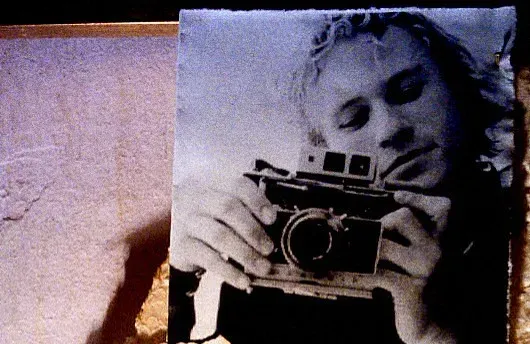
Before a single scene of The Dark Knight was shot, Christopher Nolan built his confidence in Heath Ledger through a hair, makeup, and costume test rather than a traditional scripted audition. Nolan told Josh Horowitz on Happy Sad Confused that Ledger’s Joker truly revealed himself during a hair and makeup test, where the actor’s movement, wardrobe, makeup, and eerie improvisations transformed the character before filming even began. There was no dialogue track, just Ledger experimenting in front of a camera with no sound.
That quiet session mattered because the casting itself had already caused real friction behind the scenes. Jonathan Nolan, who helped write the script, later admitted that both he and Warner Bros. did not get the decision to cast Ledger, and that Christopher Nolan simply stuck to his guns despite the doubt. The test footage gave Nolan something concrete to point to, and Ledger’s close-up image from that session became the first iconic glimpse of the Joker released to audiences.
Robert Downey Jr.’s Off-Script Iron Man Session
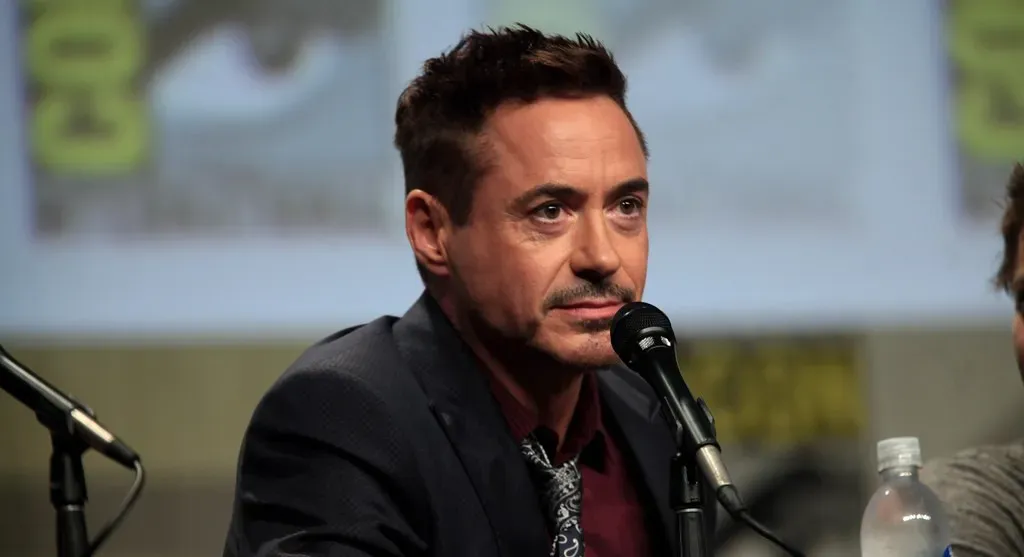
Robert Downey Jr.’s path to Tony Stark is well known, but what happened once cameras started rolling is arguably the more telling story. According to co-star Gwyneth Paltrow, Downey would tell director Jon Favreau each morning that he was not saying the scripted lines, and the two of them would throw out the scenes and improvise instead, either in Favreau’s trailer or on set, leaving Paltrow to wait and see what her own dialogue would even be.
This was not a one-off quirk. The loose, self-aware tone that became Tony Stark’s signature grew directly out of that process, and Marvel kept leaning on it for years afterward. Robert Downey Jr.’s Iron Man is considered one of the most iconic castings in movie history, largely because of his skill with improvisation. Lines that started as ad-libs on that first film became a working method Marvel repeated across the franchise, including emotionally loaded moments built directly from his suggestions in later sequels.
Tom Hiddleston’s Thor Audition That Built Marvel’s Best Villain
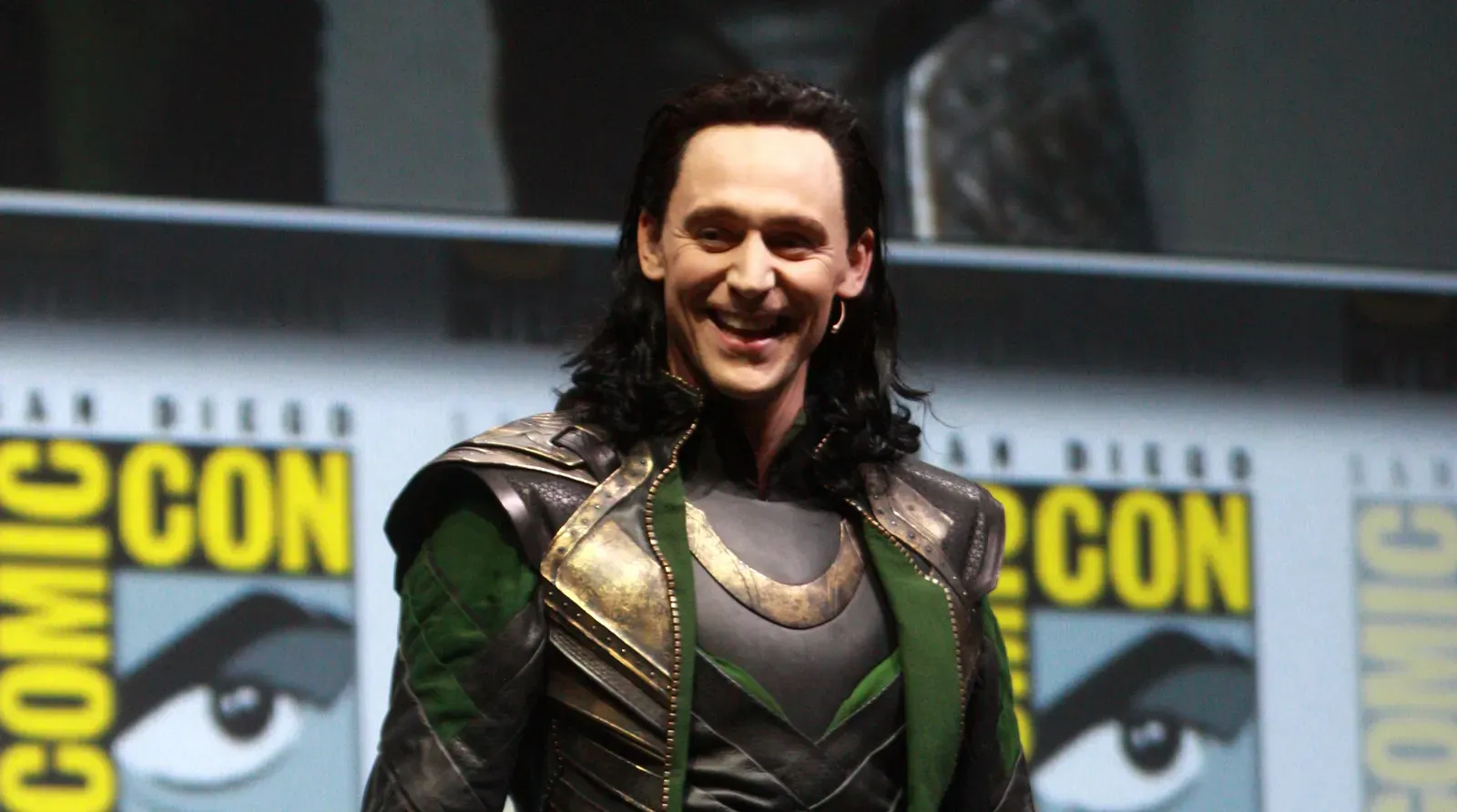
Tom Hiddleston never actually read for Loki. He spent months preparing for Thor himself, training to bulk up and doing screen tests in a long blond wig. He trained rigorously to get into the Thor physique and did screen tests with long blond hair and Mjolnir, in an audition process that lasted three months by his own account.
Kenneth Branagh watched that audition and saw something better suited to the villain than the hero. Hiddleston later said Branagh had a life-changing effect on his career, able to tell Marvel executives to trust him because he would deliver, which completely changed the course of what became available to Hiddleston as an actor. A role originally meant to be a supporting antagonist in one film turned into one of the franchise’s most durable characters, eventually earning its own streaming series more than a decade later.
Alan Rickman’s Stage Turn That Shaped Hans Gruber
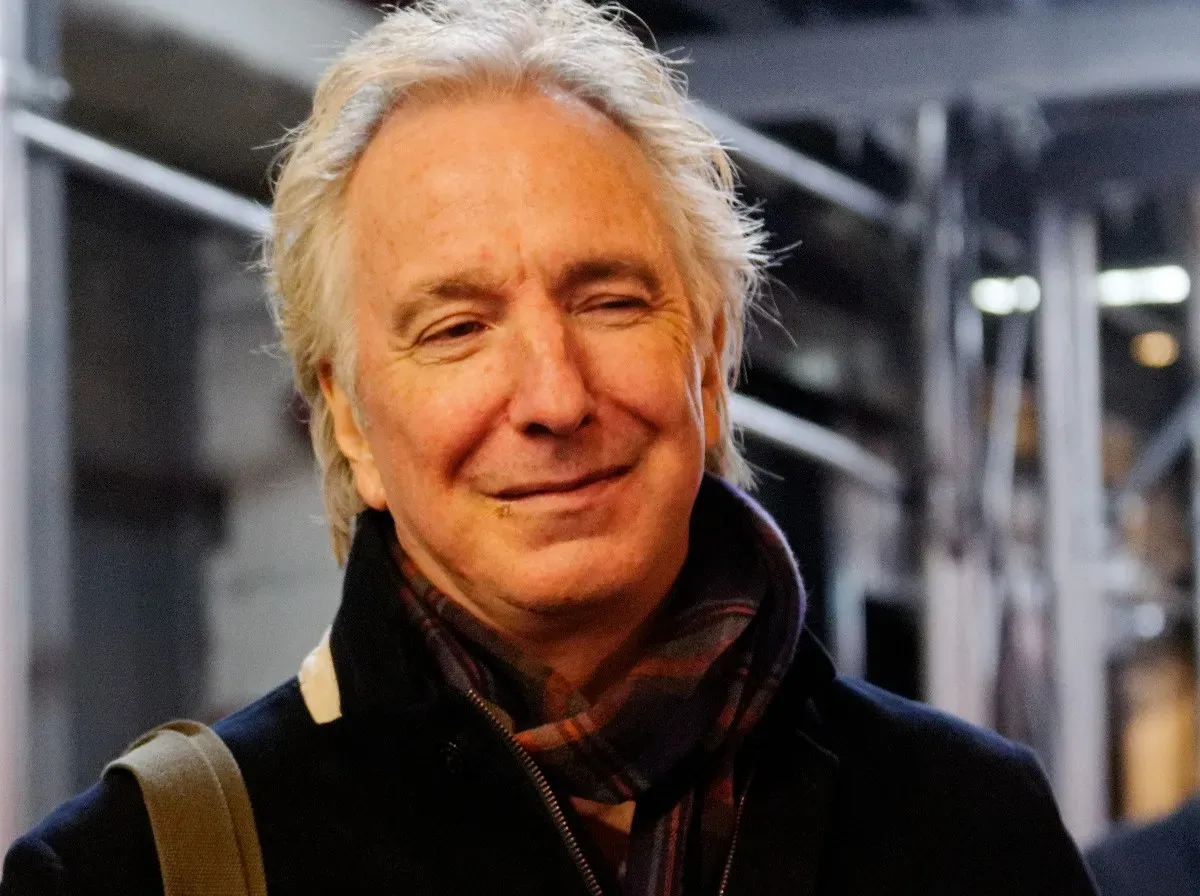
Alan Rickman’s film debut came without a conventional movie audition tape at all. Producer Joel Silver made the decision after watching him on stage. It was his role as Valmont in Les Liaisons Dangereuses that got Alan Rickman the part, since Silver saw his performance and thought he had found his man.
The screenplay for Die Hard had reportedly been written with Hans Gruber closer to a straightforward heavy. Screenwriter Steven E. de Souza wrote the screenplay with the mindset of Gruber functioning almost as the film’s protagonist. Rickman’s stage-honed precision gave that intent somewhere to land on screen, and critics noticed immediately. Upon its 1988 release, initial reviews were mixed on Willis’s performance while John McTiernan’s direction and Rickman’s charismatic portrayal of the villain were specifically praised.
Nick Mohammed’s Switch From Higgins to Nate on Ted Lasso
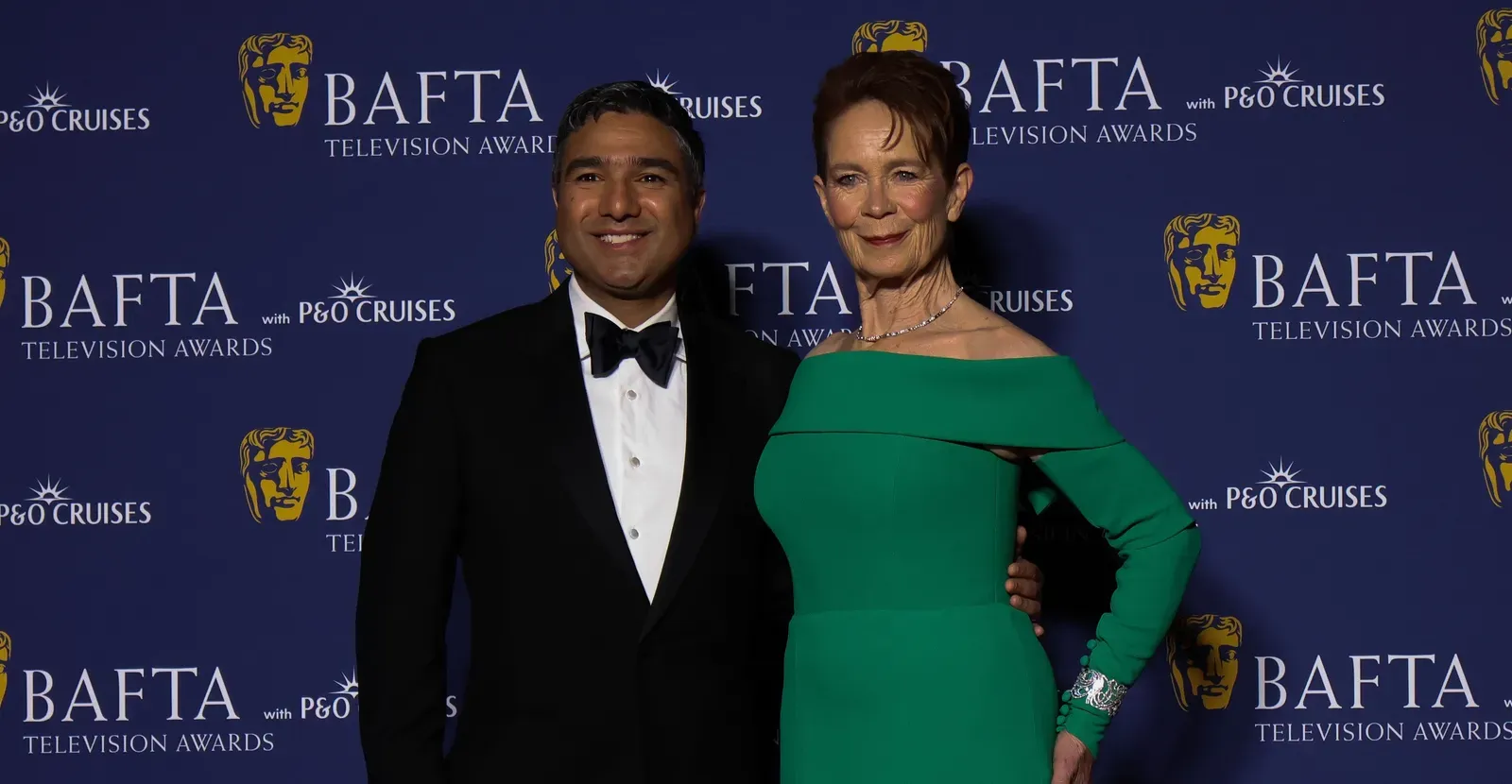
Television casting works under the same pressure, sometimes with even faster turnarounds. On Ted Lasso, actor Nick Mohammed originally read for a completely different role than the one he ended up playing. Casting director Theo Park was the one who convinced Mohammed to resubmit for the part of Nate after he had originally auditioned for Higgins.
That reassignment turned out to matter enormously to the show’s arc, since Nate grew into one of the series’ most closely watched characters over three seasons. The show’s cast has described that decision as proof of the constant advocacy casting teams do behind the scenes, insisting they simply knew he belonged in the show. It is a smaller story than a full script rewrite, but it shows the same basic mechanic: a tape lands in the wrong file, and someone with enough authority moves it to the right one.
Whiplash and the Short Film That Earned a Feature
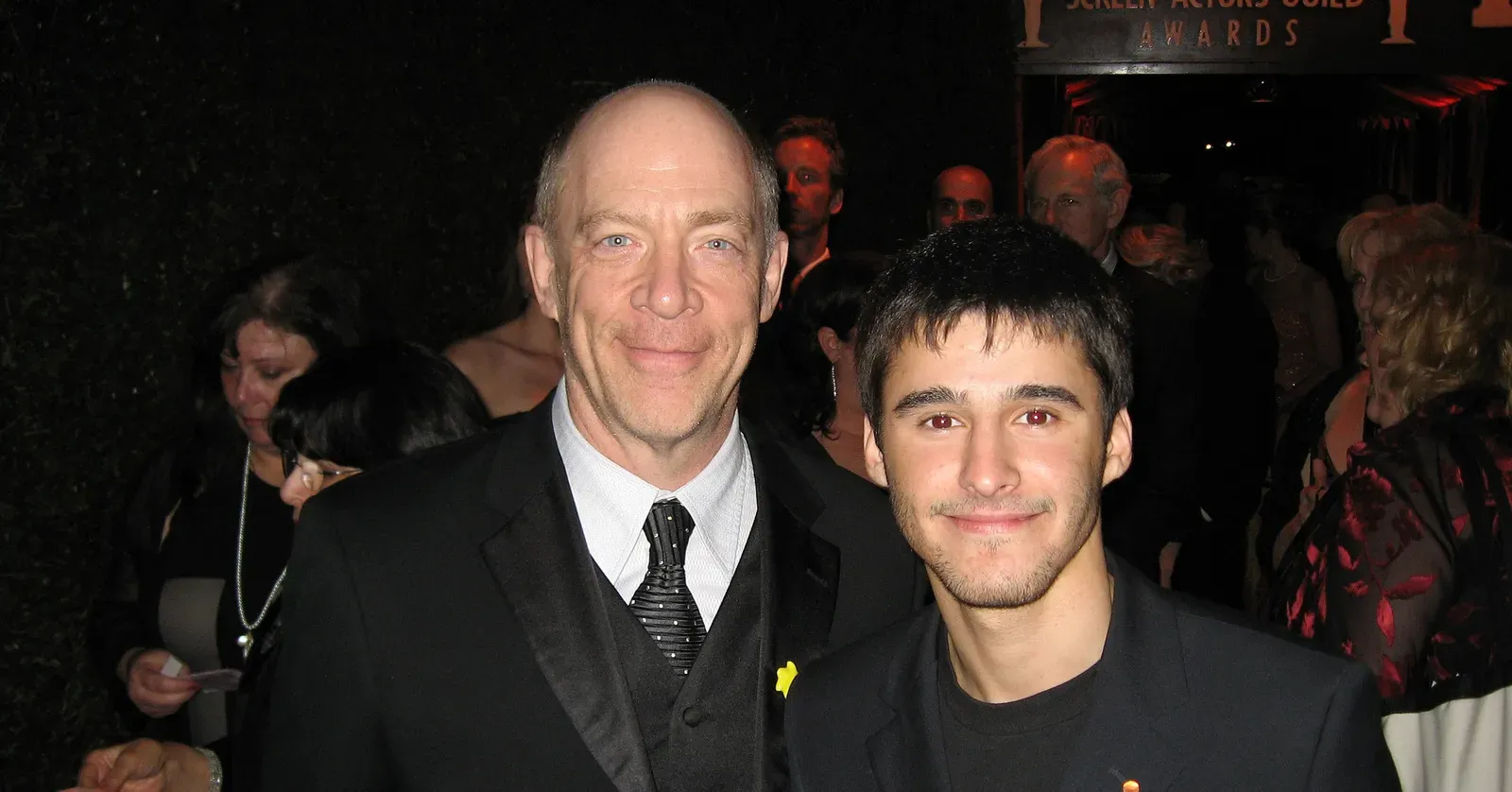
Before Whiplash became a full feature, it existed as a short film that filmmaker Damien Chazelle used to prove the concept could work. J.K. Simmons played the terrifying music instructor in that short, and his performance became the evidence financiers needed to commit to a full production. The short circulated on the festival circuit and picked up serious attention before a single frame of the feature was shot.
That sequence, short first, full film second, is unusual in mainstream filmmaking, where scripts are typically greenlit long before an actor is attached. Simmons carried the same intensity into the feature version, and the character stayed essentially unchanged because the short had already proven exactly how far that performance could be pushed. It is a reminder that sometimes the audition tape is not a five minute clip but an entire short film, built specifically to convince someone with a checkbook.
The Self-Tape Boom Reshaping How Directors Cast

The mechanics of auditioning itself have shifted dramatically over the past several years, and that shift changes how often these surprise moments can even happen. Most auditions now require actors to self-tape, a major change from the past when actors typically went into a casting office for their first read, with first round auditions moving almost exclusively online.
This has expanded the pool dramatically. Self tapes have changed casting substantially, since a casting office used to see perhaps ten actors a day and can now see double or triple that number. More volume means more chances for an unusual choice to slip through and catch a director’s attention, which is part of why the last decade has produced more of these standout, script-altering tapes than earlier eras of in-person-only casting.
Why Studios Keep Rewriting Around a Performance
None of these examples happened because a studio set out looking for a reason to change its plans. Every one of them started with an executive or director who had already committed to a version of the character on paper, then watched an actor do something that made the paper version feel smaller by comparison. The pattern that repeats across Ledger, Downey, Hiddleston, and Rickman is not that the studios were careless with their scripts, but that each of these actors offered something specific enough to be worth the disruption.
Casting directors describe this as a difference between an actor who plays it safe and one who commits to a genuinely bold reading, even at the risk of missing the mark. That willingness to risk being wrong, rather than being forgettable, is what turns an ordinary audition into the rare kind that ends up altering a production’s direction. It is a small percentage of tapes out of thousands, but it is consistent enough across decades of filmmaking to count as a real, recurring phenomenon rather than industry folklore.
Final Thoughts
What connects Ledger’s silent makeup test, Downey’s refusal to say his lines, and Hiddleston’s audition for a role he never got is not luck exactly, though luck plays a part. It is that each of them showed up with a version of the character that the people in the room had not yet imagined, and were confident enough to commit to it fully. Scripts get treated as fixed documents until someone proves, on camera, that they were never quite finished.