
Standing at the rim of the Grand Canyon for the first time, most people go quiet. The talking stops, the phone lowers, and something shifts. That shift is not poetic metaphor. It is a measurable neurological event, and scientists have spent the last two decades trying to understand exactly what happens when the human brain encounters something it cannot fully contain.
For most of psychology’s modern history, awe was considered too vague and too culturally variable to study rigorously. Researchers focused instead on fear, joy, anger, and sadness – the so-called basic emotions with clear evolutionary utility. Awe sat in an awkward corner, associated more with religious experience and poetry than with measurable brain states. That is changing fast.
What Awe Actually Is – And What It Isn’t

Awe is an extraordinary emotion felt when encountering exceptional objects, such as vast landscapes, masterpieces in art, or sublime lives. It is distinct from simple pleasantness, excitement, or even beauty. Most researchers now treat it as its own category.
Psychologist Dacher Keltner characterizes awe experiences by two phenomena: “perceived vastness” and a “need for accommodation.” Perceived vastness can arise from something physically large and imposing, like the Grand Canyon or the pyramids, or from conceptual vastness in the presence of genius or immense prestige. With this perceived vastness comes the need for cognitive accommodation. When an experience violates our normal, predicted view of the world, it prompts the brain to adjust.
Awe is a complex emotion that encompasses conflicting affective feelings inherent to its key appraisals, but it has been studied as either a positive or negative emotion, which has made its ambivalent nature underexplored. Understanding that duality – the mix of wonder and something close to unease – helps explain why standing before something enormous feels both exhilarating and slightly destabilizing.
The Brain Networks That Awe Interrupts

The default mode network (DMN) is a system of connected brain areas that shows increased activity when a person is not focused on what is happening around them. The DMN is especially active when one engages in introspective activities such as daydreaming, contemplating the past or the future, or thinking about the perspective of another person.
Research shows experiencing awe can reduce activity in the default mode network, a brain network linked to daydreaming and mind-wandering. This reduction can make us feel more connected to something greater than ourselves. In psychology, this state is often described as a “small self,” where our concerns and stresses are momentarily set aside.
Using whole-brain fMRI analysis, researchers found that several brain regions considered part of the default mode network, including the frontal pole, the angular gyrus, and the posterior cingulate cortex, were more strongly activated during ordinary absorption. That was less the case when participants were watching awe-inducing videos. The researchers suggest that during awe, levels of self-reflective thought were significantly reduced.
Awe’s Signature in the Frontoparietal Cortex

To address whether and how awe’s ambivalent nature is represented neurologically, researchers conducted a study using virtual reality and electroencephalography. Behaviorally, the subjective ratings of awe intensity for VR clips were accurately predicted by the duration and intensity of ambivalent feelings.
Hidden Markov modeling revealed that multiple band powers, particularly in the frontoparietal channels, were significantly associated with differentiation of valent states during awe-inducing VR watching. These findings consistently highlight the salience of ambivalent affect in the subjective experience of awe at both behavioral and neural levels.
Awe also activates regions associated with salience detection and reward, including the anterior insula and the ventral striatum. These are structures that become active when something genuinely important is happening, when the brain decides that the current moment deserves full attentional resources. The brain, in other words, treats a vast landscape as a priority signal.
The Inflammation Connection: Awe and the Immune System

Researchers have linked positive emotions – especially the awe felt when touched by the beauty of nature, art, and spirituality – with lower levels of pro-inflammatory cytokines, which are proteins that signal the immune system to work harder. This connection between emotional experience and immune function is one of the more surprising threads in current awe research.
While cytokines are necessary for herding cells to the body’s battlegrounds to fight infection and trauma, sustained high levels of cytokines are associated with poorer health and such disorders as type-2 diabetes, heart disease, arthritis, and even Alzheimer’s disease and clinical depression.
Empirical studies find experiences of awe to be associated with increased vagal tone, reduced activation of the sympathetic nervous system, and lower inflammation, as indexed by the biomarker interleukin-6. These are not trivial effects. They represent genuine biological changes triggered by an emotional encounter with scale.
Natural Landscapes: Mountains, Oceans, and Open Sky

In a study conducted at Yosemite National Park, participants were asked to draw a picture of themselves after visiting the tunnel viewpoint, a section of the park that provides a wide scenic view of the entire valley – an undeniably awe-inducing experience. The results were telling.
An amplified focus on the self has been found to be associated with a variety of mental health struggles, including depression, anxiety, body-image problems, and social problems such as aggression and bullying. Awe, by contrast, reduces the focus on the self. Across diverse methodologies, including lab studies, daily diaries, and in-vivo nature studies, awe diminishes self-focus.
In daily-level analyses, researchers found that the more daily awe people experienced, the less stress, fewer somatic health symptoms, and greater well-being they felt. Daily experiences of awe can benefit individuals during times of acute and chronic stress. You don’t need a trip to Patagonia to access this. The scale just needs to register as genuinely vast to the observer.
Man-Made Structures That Trigger the Same Response

The Gothic vault rising to 48 meters at its apex in Beauvais Cathedral in northern France was not merely a decorative achievement – it was, in a functional sense, a form of neurological engineering. Pilgrimage routes were designed to deliver travelers into spaces of overwhelming scale after long periods of confined, exhausting, and deliberately monotonous travel, maximizing the contrast effect that amplifies the emotional impact of awe. The suffering of the journey was, in part, a preparation of the nervous system for the destination.
Certain stimuli are widely regarded as awe-inspiring. Natural wonders such as the Grand Canyon and human-built structures like the Great Pyramid of Giza draw visitors from across the world. The brain processes the physical scale of a cathedral nave or a skyscraper canyon in ways that closely parallel its response to geological formations.
Contemporary researchers have found that the most reliably awe-inducing stimuli share specific geometric and perceptual properties: fractality, depth cues suggesting vast scale, and what researchers describe as perceptual surprise – a mismatch between what the observer expected and what they actually encounter. This is why a tunnel that opens suddenly into a vast space – architectural or natural – tends to hit harder than a gradual reveal.
Partner offer
Awe as a Clinical Tool: Growing Evidence
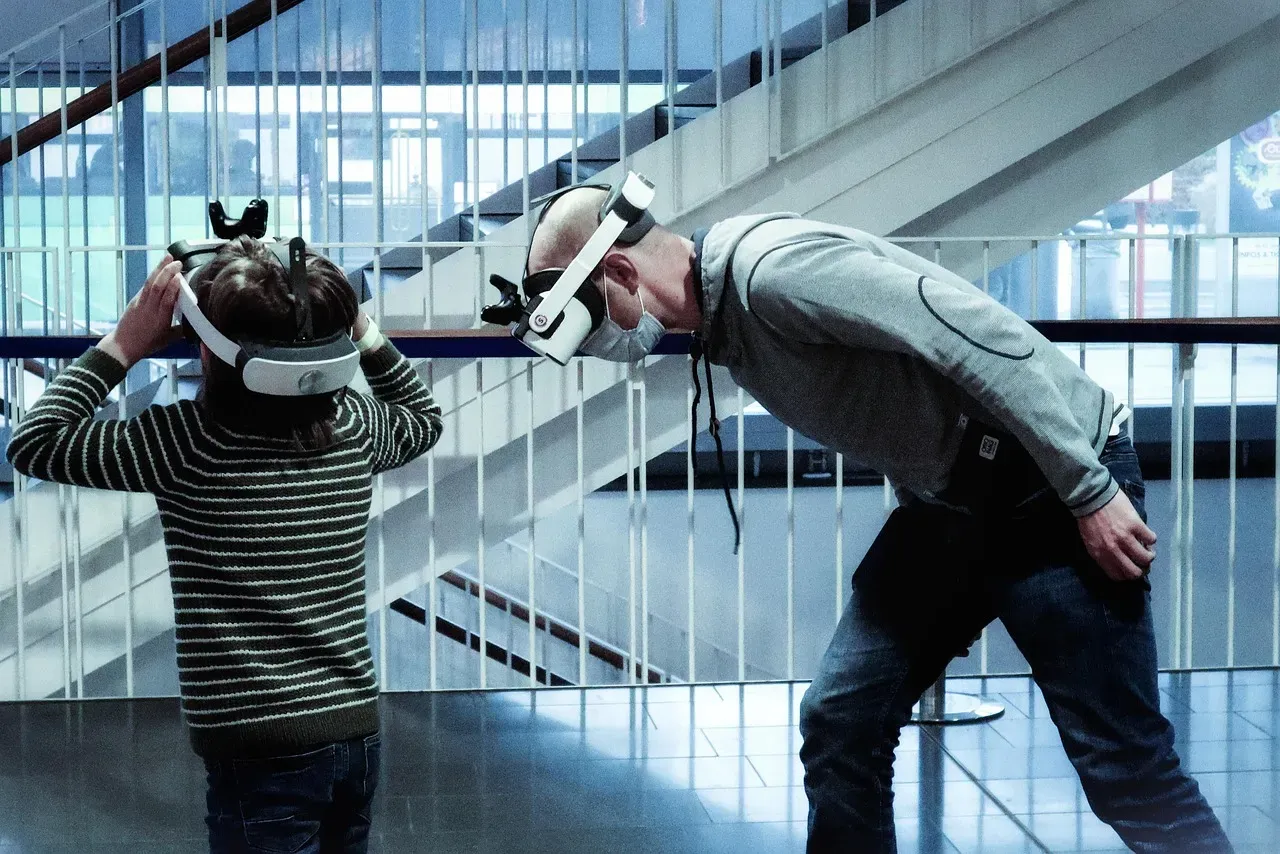
Results from a randomized controlled clinical trial revealed significant improvements in psychological health for those in the awe intervention group compared to a control group: including decreased stress, decreased depression symptoms, and increased well-being. This is the first trial of its kind to test awe as a structured clinical intervention.
The large effect sizes found in this study are encouraging for the potential generalization of these findings, and position awe as a promising avenue to improve psychological health in chronic clinical conditions. Researchers are careful to note the need for replication, but the direction of evidence is consistent.
At Nuvance Health, study participants engage in VR meditation sessions before brain surgery. These sessions involve wearing a VR headset and experiencing guided meditation and visuals designed to evoke feelings of awe and relaxation. Researchers are measuring subjective anxiety reduction in this phase, and intend to measure objective changes in inflammatory markers and vital signs, such as heart rate, in the next phase of the study.
Awe, Time Perception, and the Feeling of Spaciousness
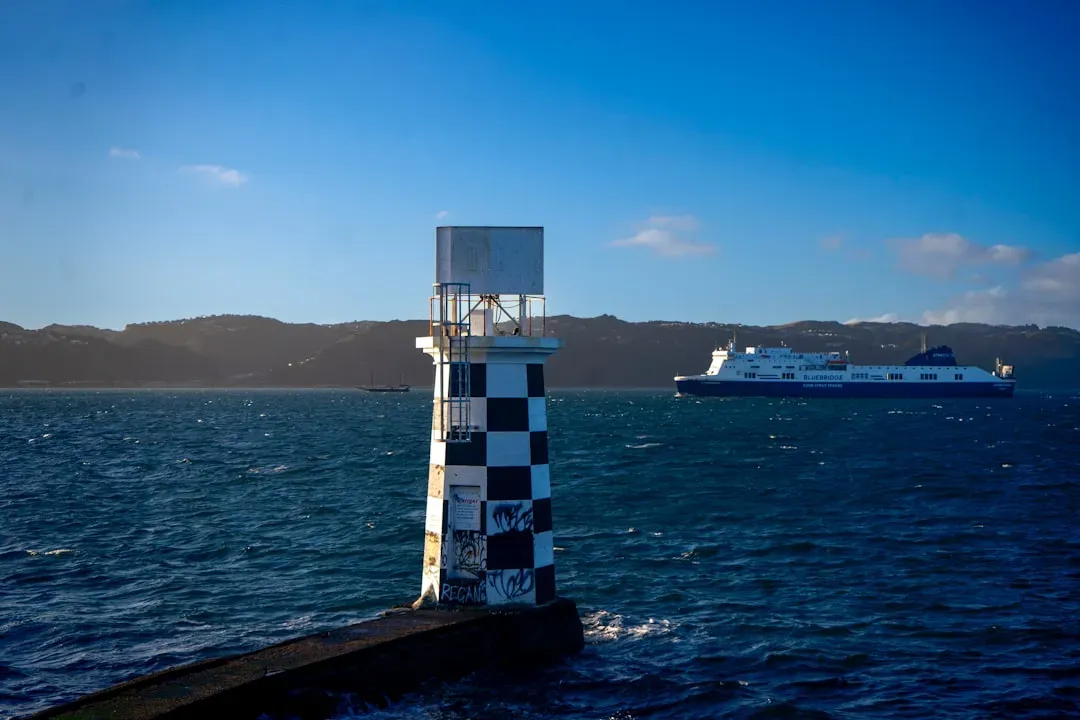
Looking out over the Pacific Ocean or the Grand Canyon can lead to a sense of vastness. As a perceptual phenomenon, vastness poses a unique challenge because traditional measures of distance are not capable of explaining such large spatial extents. Vastness may lead to a sense of awe, and awe in turn can dilate one’s experience of time.
In a series of experiments, participants reproduced the perceived duration of images varying in vastness and rated them in terms of the awe experienced as if they were in those spaces. Greater vastness led to higher awe scores and longer duration estimates, with awe mediating the relationship between vastness and time.
This has a practical implication that’s easy to overlook. People who report feeling chronically rushed or time-starved may be partly describing a deficit of awe rather than simply a surplus of obligations. The perception of having more time is, in part, a downstream effect of having encountered something genuinely large.
Awe, Resilience, and Meaning-Making

Awe engages five processes – shifts in neurophysiology, a diminished focus on the self, increased prosocial relationality, greater social integration, and a heightened sense of meaning – that benefit well-being. The social dimension is worth pausing on. Awe doesn’t just turn attention outward from the self; it tends to turn it toward others.
Developing and sharing awe narratives has been shown to serve as a gateway to many resilience practices and to initiate an upward spiral of wellbeing. This is why people who witness something vast together – a solar eclipse, a mountain summit, an extraordinary building – often describe it as a bonding experience. The shared smallness appears to be part of the mechanism.
Researchers propose that awe is a meaning-making emotion. In addition to a sense of vastness and a need for accommodation, awe appears to be characterized by a subjective sense of meaning and self-understanding, which may stem from the cognitive effects of awe-eliciting stimuli. It doesn’t just reset stress levels. It can recalibrate how people understand their own lives.
Can You Cultivate Awe Without Traveling Far?
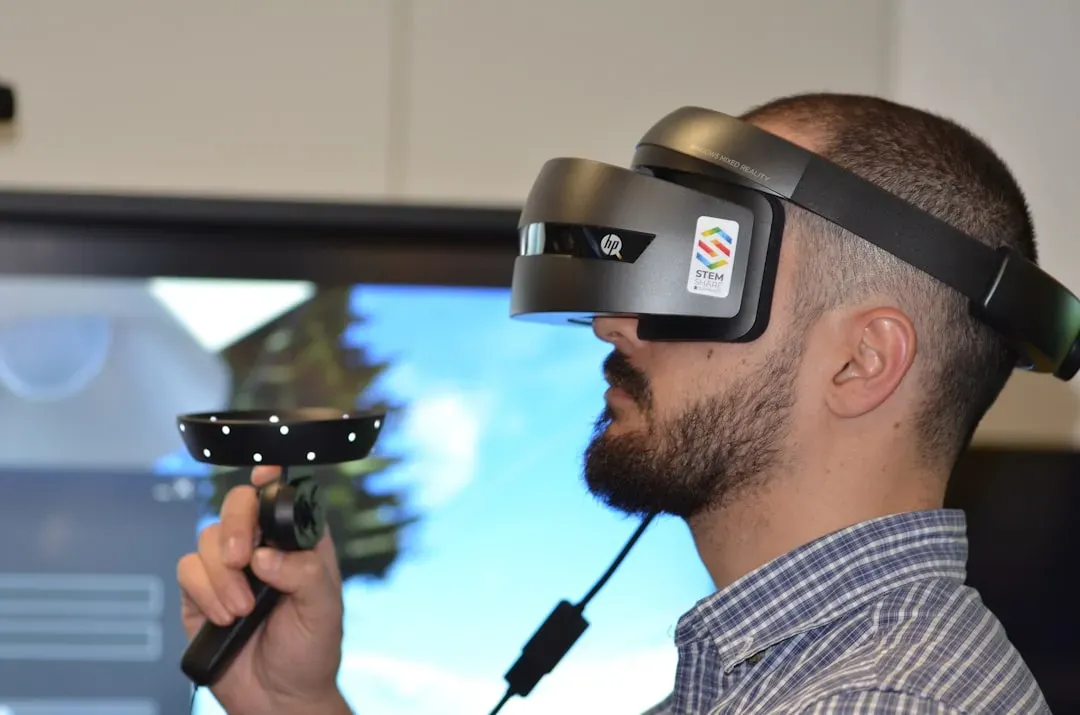
The use of virtual reality has been identified as one of the most effective techniques for eliciting awe, in addition to more personalized methods for inducing the emotion, such as autobiographical recall. This opens a realistic pathway for people who cannot easily access grand natural landscapes.
Studies by neuroscientist Andrea Gaggioli and colleagues in Italy found that virtual reality experiences designed to induce awe – placing subjects at the edge of vast simulated canyons or inside representations of the observable universe – produce measurable reductions in cortisol and increases in oxytocin. The body responds to perceived vastness as though it has genuinely encountered something transformative, even when the vastness is entirely synthetic.
Opportunities to experience awe are not limited to encounters with rare natural events like eclipses – they are all around us if we take the time to notice. The most common way people experience awe is through the courage, strength, and kindness of others. The architecture of a grand library, the ceiling of a concert hall, a wide river plain at dusk – none of these require a plane ticket. They require attention.
Conclusion: Vastness as a Form of Mental Maintenance
The awe-related shift towards safety and belonging promotes a mindset of curiosity and exploration and the adoption of behaviors associated with cognitive health, such as taking on new challenges and becoming more socially engaged. Notably, the overall profile of awe largely reflects many of the leading indicators of cognitive health, including a lack of chronic inflammation, good stress management, and active engagement in social communities.
The emergent science of awe has mapped its characteristics as a distinct emotion in its patterning of cognition, behavior, and physiology. These discoveries bring into focus how a complex state such as awe, often considered ineffable and even beyond measurement, leads to shifts in health and well-being.
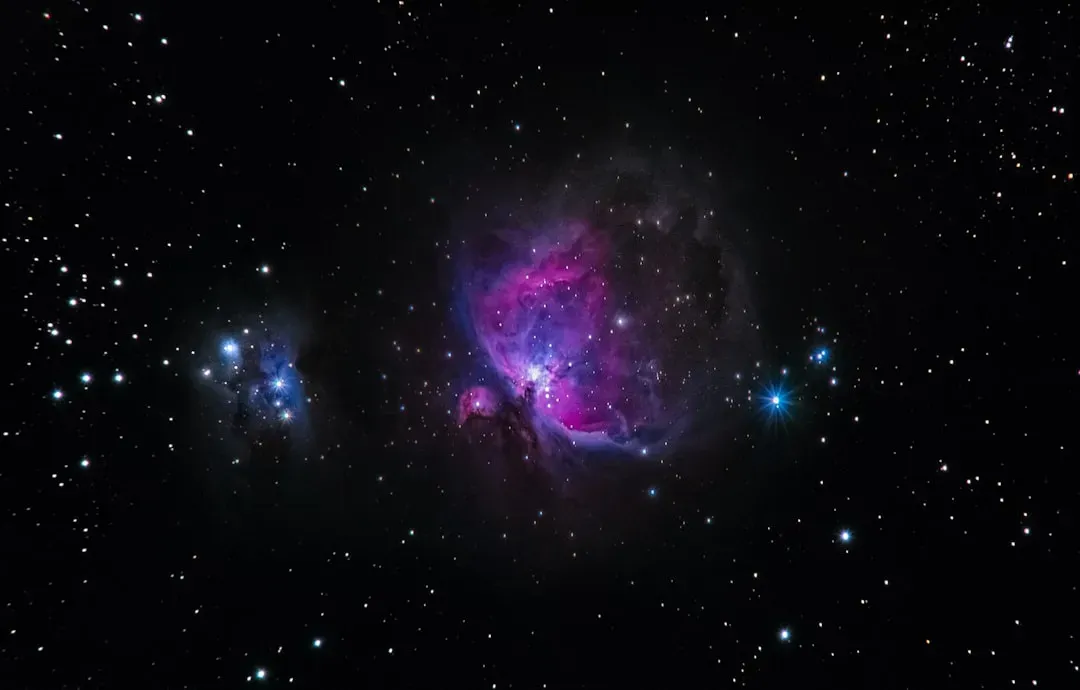
The most useful takeaway may be this: seeking out scale – whether it’s a canyon at sunset, a cathedral nave, a coastal cliff, or even a well-chosen photograph of deep space – is not a luxury or an aesthetic preference. Based on the current body of research, it is closer to maintenance. The brain appears to need periodic encounters with things larger than itself in order to function well. That is a strange and quietly important fact about what it means to be human.
Partner offer
Planning a trip to Vegas?
Compare hotel rates and show tickets on VEGAS.com.