Book challenges aren’t new, but the scale of them has changed. Since 2021, the American Library Association has tracked a sharp spike in censorship attempts, and it counted 4,235 unique titles challenged in 2025, the second highest total it has documented. The record is 4,240, set in 2023.
Behind those totals are individual novels, some of them decades old and some barely out of the box. The ten below turn up again and again in school and library disputes, for different reasons and with different results. Each one shows a slightly different side of the debate.
To Kill a Mockingbird by Harper Lee
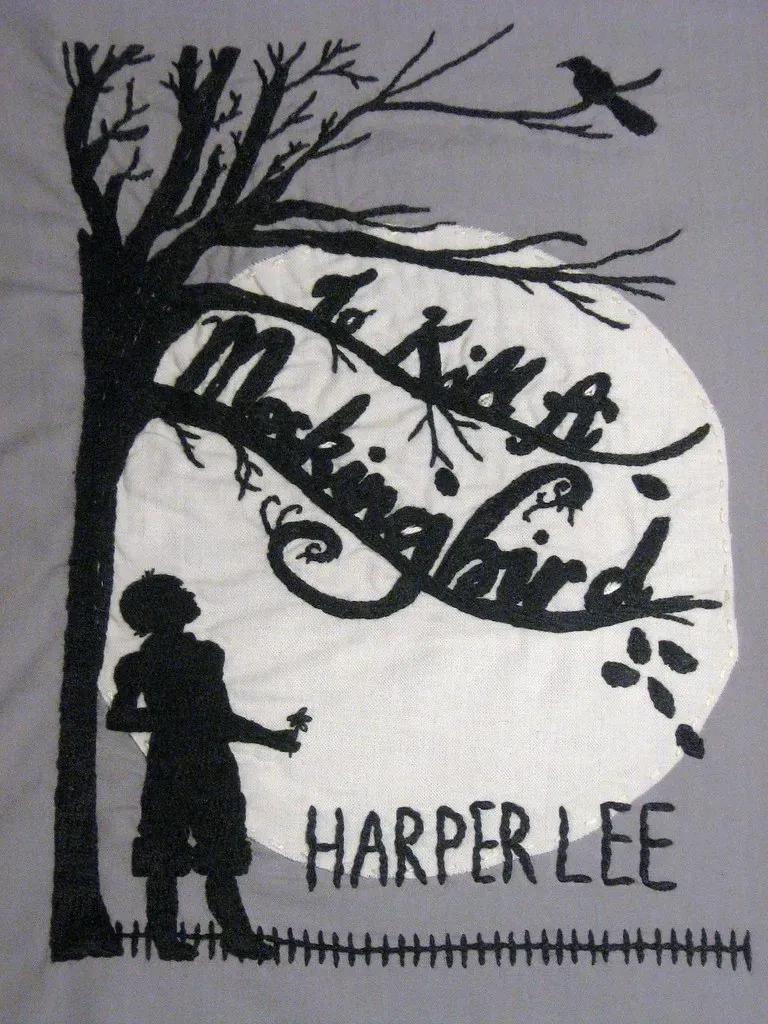
Harper Lee’s 1960 novel is a fixture of American English classes. It follows Scout Finch as her father, the lawyer Atticus Finch, defends a Black man falsely accused of rape in 1930s Alabama.
Complaints about it have a long history. They usually focus on racial slurs and the way the story handles race. Critics have also argued over whether it centers a white savior. Defenders say its portrayal of injustice is exactly why students should read it.
A Clockwork Orange by Anthony Burgess
This one topped recent school data. PEN America ranked A Clockwork Orange first among the most banned books of the 2024 to 2025 school year, with 23 bans. The American Library Association also placed it in a tie for eighth on its 2025 list.
The novel is a dystopian satire. Its teenage protagonist, Alex, causes mayhem before undergoing aversion therapy meant to curb his violent tendencies. The violence and the invented slang are what most often draw objections.
The Perks of Being a Wallflower by Stephen Chbosky
Stephen Chbosky’s epistolary novel has been a regular on challenge lists for years. The American Library Association recorded 33 challenges against it in 2025. That put it second on the year’s list.
The story follows a shy high school freshman writing letters about friendship, trauma, and growing up. Objections tend to center on sexual content, drug use, and its handling of abuse. Supporters point out that many teens read it as a story about getting help.
Sold by Patricia McCormick
Sold took the top spot on the American Library Association’s list for 2025. The group counted 36 challenges against it. It also appeared in PEN America’s school data, where it tied for third with 20 bans in the 2024 to 2025 school year.
The novel is written in short, spare verse and tells the story of a young girl from Nepal who is trafficked into sex work in India. Challengers cite its subject matter. Advocates say it gives teenagers a window into a real and serious human rights problem.
Last Night at the Telegraph Club by Malinda Lo
This historical novel has become a frequent target. It’s set in 1954, at the height of the Red Scare, when seventeen year old Lily Hu visits a lesbian bar. The American Library Association counted 23 challenges to it in 2025, and PEN America recorded 19 school bans.
It won the National Book Award, which makes the pattern notable. The objections nearly always concern its LGBTQ themes. The ALA noted that a large share of challenged titles in 2025 involved the experiences of LGBTQ people and people of color.
Partner offer
A Court of Thorns and Roses by Sarah J. Maas
Maas is one of the most challenged authors working today. PEN America named her the third most frequently banned author of the 2024 to 2025 school year. Her first Court of Thorns and Roses book drew 22 challenges in the American Library Association’s 2025 count.
These are romantic fantasy novels aimed at older teens and adults. Challenges typically cite sexual content, which is often the argument for moving them out of younger students’ reach. Their popularity, boosted by BookTok, probably means more people are noticing them.
The Bluest Eye by Toni Morrison
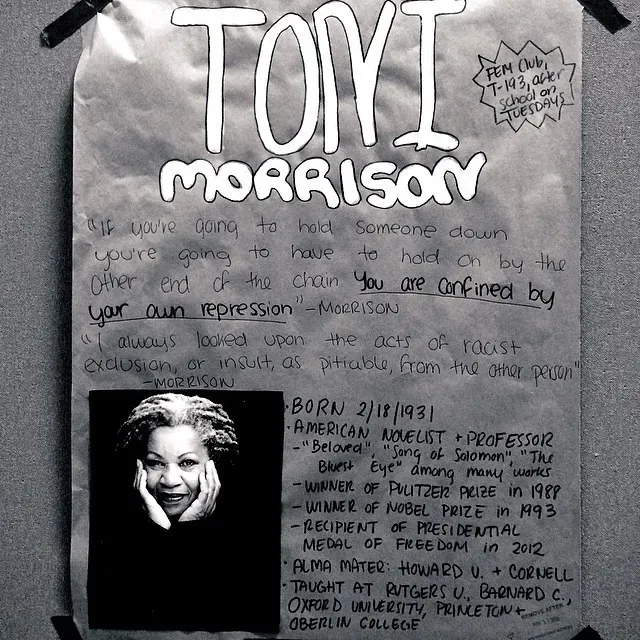
Toni Morrison’s first novel, published in 1970, is a regular on school challenge lists. PEN America listed it among books banned in twelve or more school districts during the 2024 to 2025 school year.
The story follows Pecola Breedlove, a Black girl in Ohio who longs for blue eyes as a way out of cruelty and neglect. It deals frankly with incest and sexual violence. Teachers who assign it often say the difficult material is exactly what makes it literature worth discussing.
The Handmaid’s Tale by Margaret Atwood
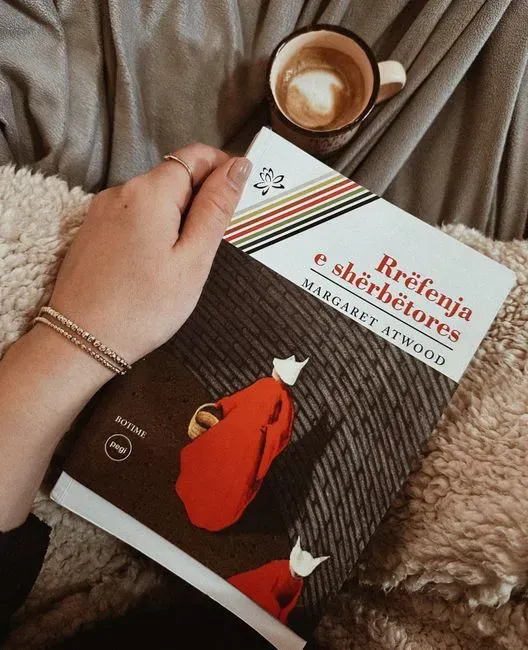
Atwood’s 1985 novel imagines a theocratic regime that strips women of their rights. PEN America counted it among titles banned in twelve or more districts in 2024 to 2025. That’s a striking fate for a book often taught as a warning about authoritarianism.
Challenges usually point to sexual content and religious themes. Defenders say the book’s purpose is the opposite of what critics fear. It remains a staple of high school dystopian units, even where it has been pulled from some shelves.
The Hate U Give by Angie Thomas
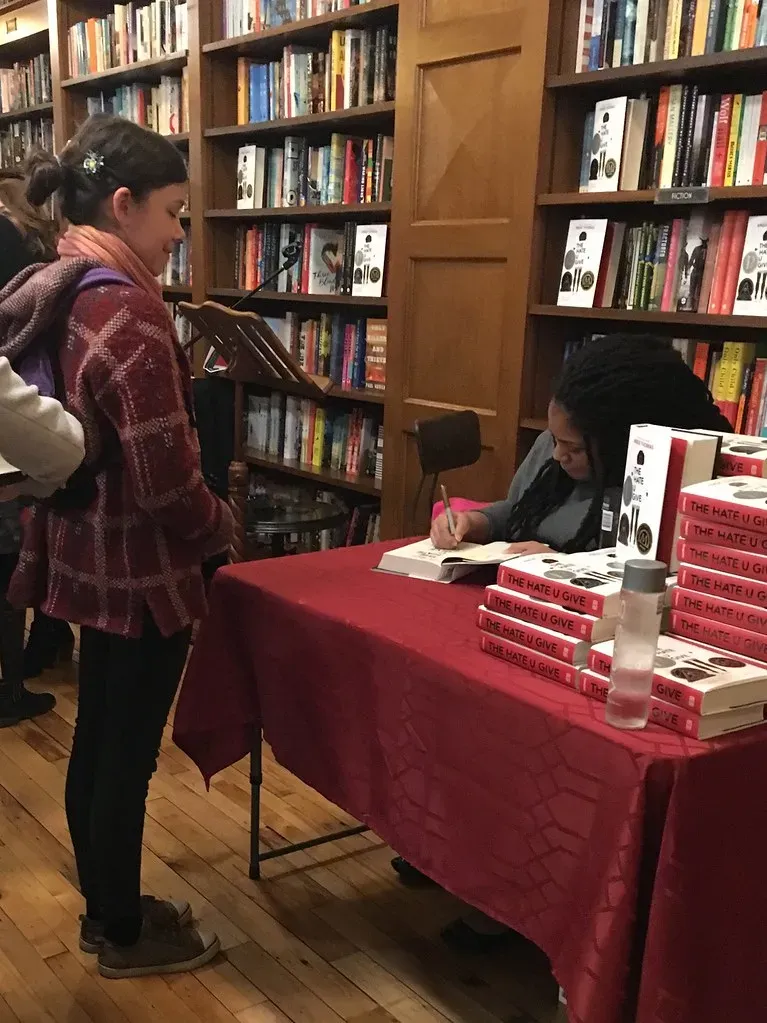
Angie Thomas’s 2017 novel follows Starr Carter, a teenager who witnesses a police shooting of her unarmed friend. It, too, appeared on PEN America’s list of books banned in twelve or more school districts in the 2024 to 2025 school year.
Objections tend to focus on profanity, drug references, and its view of policing. Supporters argue it’s an accessible entry point for conversations about race and justice. It’s also widely read outside school, which gives it a large audience whatever any district decides.
The Kite Runner by Khaled Hosseini
Khaled Hosseini’s 2003 debut follows two boys in Kabul and the guilt that haunts one of them for decades. PEN America also listed it among titles banned in twelve or more districts in 2024 to 2025.
Complaints focus on a scene of sexual violence against a child. Teachers often respond that the novel treats the act as a moral wound, not entertainment. Its picture of Afghanistan before and after the Taliban is a large part of its classroom appeal.
Where the Numbers Stand
The scale of removal has grown alongside the number of challenges. The American Library Association documented 5,668 books banned from libraries in 2025, with another 920 restricted through measures like relocation or parental permission requirements.
School bans are concentrated in a few places. PEN America’s data puts Florida first for book bans with 2,304 instances, followed by Texas with 1,781 and Tennessee with 1,622. The ten novels above are just a sample of a much larger list.
Partner offer
Planning a trip to Vegas?
Compare hotel rates and show tickets on VEGAS.com.