Music has always pushed boundaries. That’s kind of the whole point. From the very first time a radio DJ nervously dropped a needle on something scandalous, popular music has been in a constant negotiation with the culture around it. What shocks one generation becomes the nostalgia of the next, and what one era celebrated freely can leave a later audience genuinely uncomfortable. That tension is part of what makes music history so fascinating.
Some songs, however, have aged in ways their creators never anticipated. A handful of certified classics – anthems that filled stadiums, topped charts, and defined entire decades – contain lyrics, themes, or framing that would almost certainly prevent them from gaining mainstream traction if released today. This isn’t about moral superiority over the past. It’s about acknowledging that culture shifts, sometimes dramatically, and that some of the most beloved songs in history carry baggage that the modern music industry simply wouldn’t package and sell.
“Brown Sugar” – The Rolling Stones (1971)
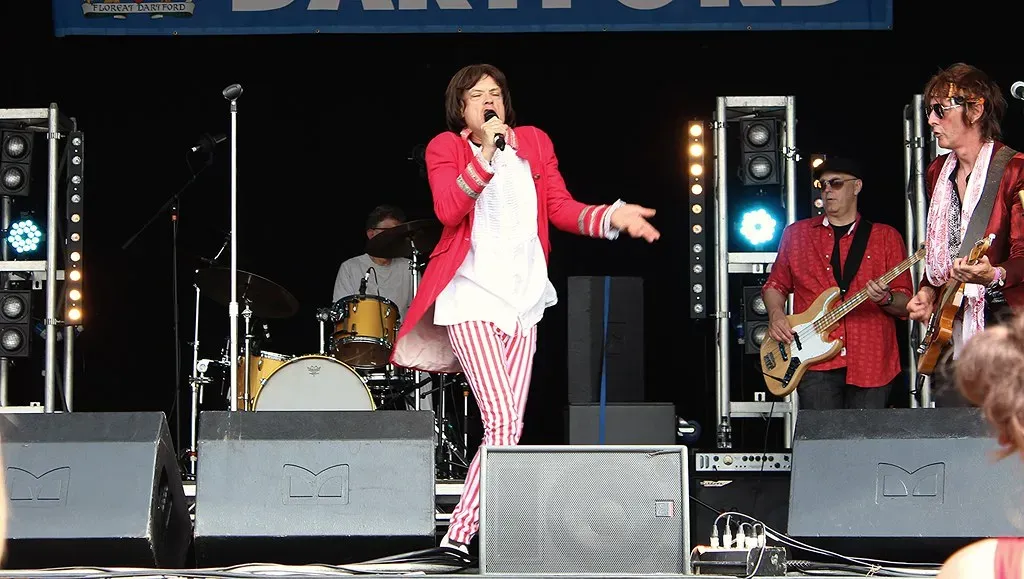
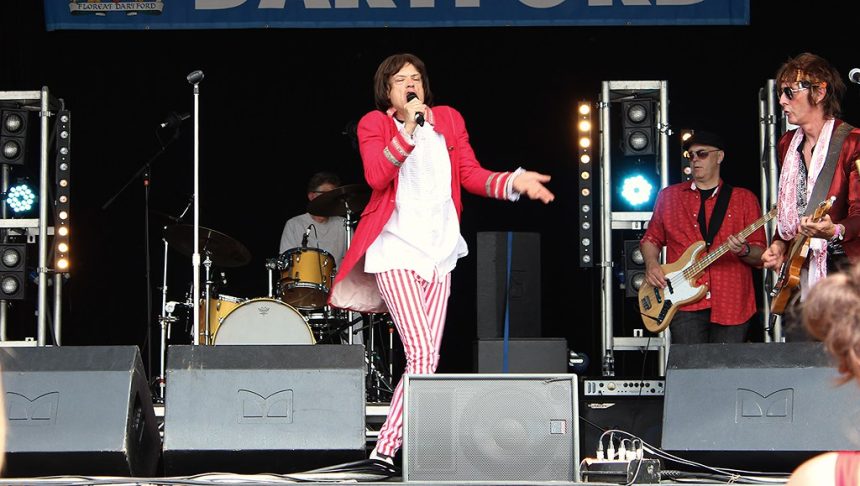
Few songs illustrate the gap between past and present more starkly than this one. “Brown Sugar” was written primarily by Mick Jagger and served as the opening track and lead single from the album Sticky Fingers. It became one of the band’s most played live songs for half a century. For many years, “Brown Sugar” was the band’s second-most-played song on tour, only behind “Jumpin’ Jack Flash.” That’s a staggering run for a song that eventually became too hot to perform.
The lyrics explore the sexual exploitation of a Black woman by slave traders and slave owners in America’s South, presenting a sexualized view of a marginalized group. The band retired the song from their tour over “conflicts” surrounding the controversial lyrics that depict slavery, rape, and drugs, as guitarist Keith Richards confirmed. Back in 1995, Mick Jagger himself told Rolling Stone that he wouldn’t have written the song then, due to the problematic themes in the lyrics. That admission came more than two decades before the song was finally shelved from live performances.
“Money for Nothing” – Dire Straits (1985)
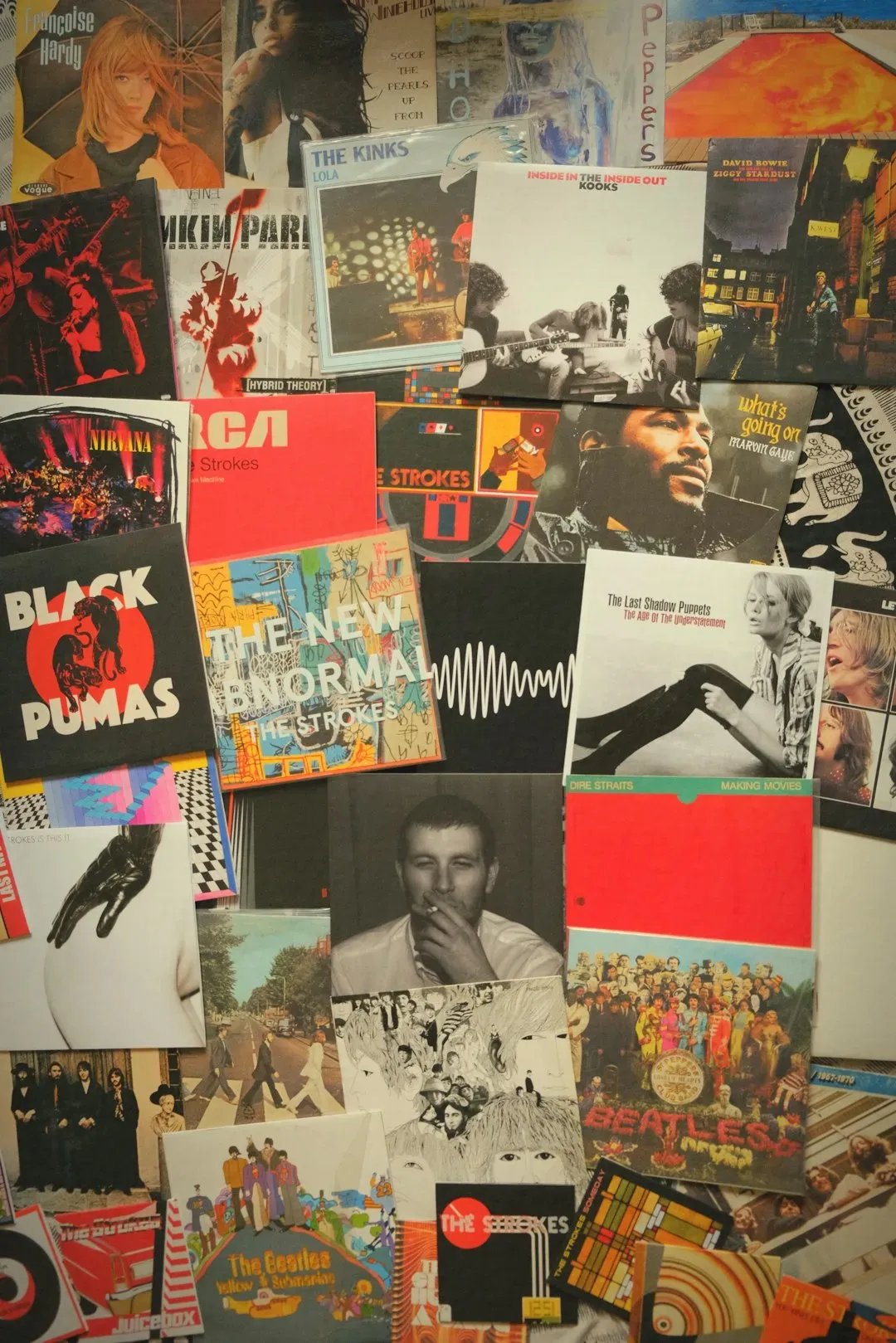
On the surface, “Money for Nothing” reads as a sharp satire of MTV-era rock stardom. The song’s lyrics are written from the point of view of two working-class men watching music videos and commenting on what they see. It was Dire Straits’ most commercially successful single, peaking at number one for three weeks on both the US Billboard Hot 100 and Top Rock Tracks chart. The guitar riff alone secured its place in rock history. The problem is what the fictional narrator says while he watches those music videos.
In January 2011, the Canadian Broadcast Standards Council ruled that the unedited version of the song was unacceptable for airplay on private Canadian radio stations, as it breached the Canadian Association of Broadcasters’ code of ethics and their equitable portrayal code. The CBSC concluded that “like other racially driven words in the English language, ‘faggot’ is one that, even if entirely or marginally acceptable in earlier days, is no longer so.” The ban was eventually reviewed and partially lifted, but the episode made clear that the song’s unedited form had a legitimacy problem that no amount of context could fully resolve.
“Lucy in the Sky with Diamonds” – The Beatles (1967)
The Beatles were genuinely avant-garde, and their landmark 1967 album Sgt. Pepper’s Lonely Hearts Club Band was a cultural event unlike almost any before or since. But it arrived with a cloud of suspicion from day one. The album sparked a great deal of controversy upon its release due to its numerous perceived drug references, with over half of the songs commonly believed to contain drug-related themes – specifically “Lucy in the Sky with Diamonds,” which many believed to be a crafty acronym for the drug LSD.
The BBC banned the song from airplay, though John Lennon always maintained the title was inspired by a drawing made by his son Julian. Whether you believe that or not, the song’s swirling, kaleidoscopic imagery – the tangerine trees, the marmalade skies, the girl with the kaleidoscope eyes – reads unambiguously as a chemically altered state of consciousness to virtually any modern listener. A streaming-era release framed this way would face scrutiny from platform moderation teams, radio gatekeepers, and parent groups almost immediately. The whimsy doesn’t disguise it anymore.
“He Hit Me (And It Felt Like a Kiss)” – The Crystals (1962)

Written by Gerry Goffin and Carole King, “He Hit Me (It Felt Like a Kiss)” by The Crystals talks about and perhaps even glorifies domestic violence. It was inspired by the news that Goffin and King’s babysitter was being beaten regularly by her boyfriend. When the babysitter was asked why she accepted the situation, she said that she got hit because her boyfriend loved her so much. The songwriters translated that into a pop record. That is a remarkable creative decision by any standard.
Partner offer
While the title and refrain might be ironic, they don’t always read as such and have caused a great deal of protest. Later, Carole King even expressed regret about having anything to do with the song. It’s worth noting that even by 1962 standards this record was considered too disturbing for radio – many stations refused to play it at the time. In today’s environment, where awareness of domestic violence and coercive control is vastly higher, there is essentially no pathway for a track with this framing to reach mainstream audiences. Carole King’s regret, expressed decades later, speaks volumes.
“Walk on the Wild Side” – Lou Reed (1972)

Lou Reed’s most commercially successful single is a warm, wry, quietly compassionate portrait of the denizens of Andy Warhol’s Factory scene in New York City. For its time, it was genuinely radical in its sympathetic depiction of transgender women and gay men at a moment when mainstream culture offered them virtually no representation. His well-known 1972 song “Walk on the Wild Side” has recently come under some scrutiny for its lyrics. The song’s complications come from a specific word used in the chorus – a racial slur directed at Black women – which Reed employed to evoke the street language of the era.
That word is the central issue. It appears in the most memorable, most hummed part of the whole track. Reed was writing with documentary intent, capturing the raw vernacular of a specific underground subculture, but intent and impact are two different things. No label today would release a song with that term in its most repeated hook. No streaming platform would promote it in a curated playlist. The song occupies a genuinely difficult space – it was compassionate and progressive in some ways while being casually harmful in another – and that contradiction is exactly what makes it so instructive as a cultural artifact.
“Relax” – Frankie Goes to Hollywood (1984)
The irony of “Relax” is that being banned is what made it a smash. The song exploded onto the UK charts in 1983 with pulsing synths and lyrics thick with sexual innuendo. Its subject matter – overtly about orgasm – was impossible to miss, though the band cheekily dodged questions. In January 1984, BBC DJ Mike Read denounced the song on-air and refused to play it, and shortly after, the BBC officially banned it from radio and television.
Far from hurting sales, the scandal supercharged the single’s appeal: listeners rushed to hear what was considered too obscene for airplay. “Relax” shot to number one and stayed there for weeks, cementing Frankie Goes to Hollywood as icons of provocative 1980s pop. Here’s the twist, though: the exact mechanism that made it a hit then – the BBC ban, the moral panic, the novelty of something being forbidden – simply doesn’t exist in the same form today. With millions of songs available on-demand and no centralized broadcast gatekeeper to rebel against, the controversy engine that drove “Relax” to the top of the charts has no modern equivalent. Without the ban, it might have just been a dance track.
“One in a Million” – Guns N’ Roses (1988)

Guns N’ Roses were never strangers to controversy, but “One in a Million” stands apart from their catalog as something critics and commentators found genuinely indefensible rather than merely provocative. Riding the explosive popularity of their debut album Appetite for Destruction, Guns N’ Roses released the 1988 album GN’R Lies, and critics immediately panned “One in a Million,” deeming it racist and homophobic due to singer Axl Rose’s use of slurs targeting both Black people and gay men. The song was not a deep cut buried on a B-side – it was a prominent track on a major release from one of the biggest rock bands in the world.
The backlash was immediate and has only intensified with time. A 2018 anthology did not feature the song, seemingly because of the contentious lyrics. That quiet omission from a career retrospective says more than any statement ever could. The song has essentially been erased from the band’s official narrative. In 2026, releasing a song with this content under a major label would be commercially catastrophic and professionally career-ending before the first week of sales data came in. The rock-god immunity that let Axl Rose get away with it in 1988 expired a long time ago.
What These Songs Tell Us

It would be easy to use this list as a cudgel – to dismiss these artists as relics or to pretend the past was uniformly worse than the present. That’s not the point. Several of these songs were, in their own context, acts of genuine artistic daring. Lou Reed’s song treated transgender people as full human beings at a time when mainstream culture pretended they didn’t exist. Frankie Goes to Hollywood brought unapologetically queer sexuality into the UK top forty. Even the most troubling entries on this list emerged from specific cultural moments with their own logic and their own blind spots. Many famous songs were banned from radio due to controversial lyrics or perceived provocative themes, and reasons for bans included drug references, sexuality, violence, politics, and blasphemy.
What these seven songs collectively demonstrate is that culture is not static, and neither is the music industry’s tolerance for certain kinds of content. Some songs set out to be controversial, while others stumble into the territory. Musicians occasionally use their art to make a political point, challenge religious beliefs, or express something salacious enough to warrant being banned from radio and television stations. The songs on this list are icons precisely because they were products of their time – and that specificity is both their strength and their limitation. History doesn’t erase great music. It just changes what we hear in it.
Partner offer
Planning a trip to Vegas?
Compare hotel rates and show tickets on VEGAS.com.