
Pull up any streaming service today and search for a coming of age movie, and you’ll get something slick, fast paced, and probably narrated by a TikTok trend. Rewind to the 1980s, though, and school movies looked like an entirely different species. Kids smoked in bathrooms, computers took up half a bedroom, and detention meant actually sitting quietly for eight hours instead of scrolling a phone under the desk. For Gen Alpha, born into touchscreens and instant everything, these films can feel like anthropological documents. Below are six of the most iconic school set movies from that decade, and why a kid raised on iPads might squint at them like they’re subtitled in another language.
1. The Breakfast Club (1985)
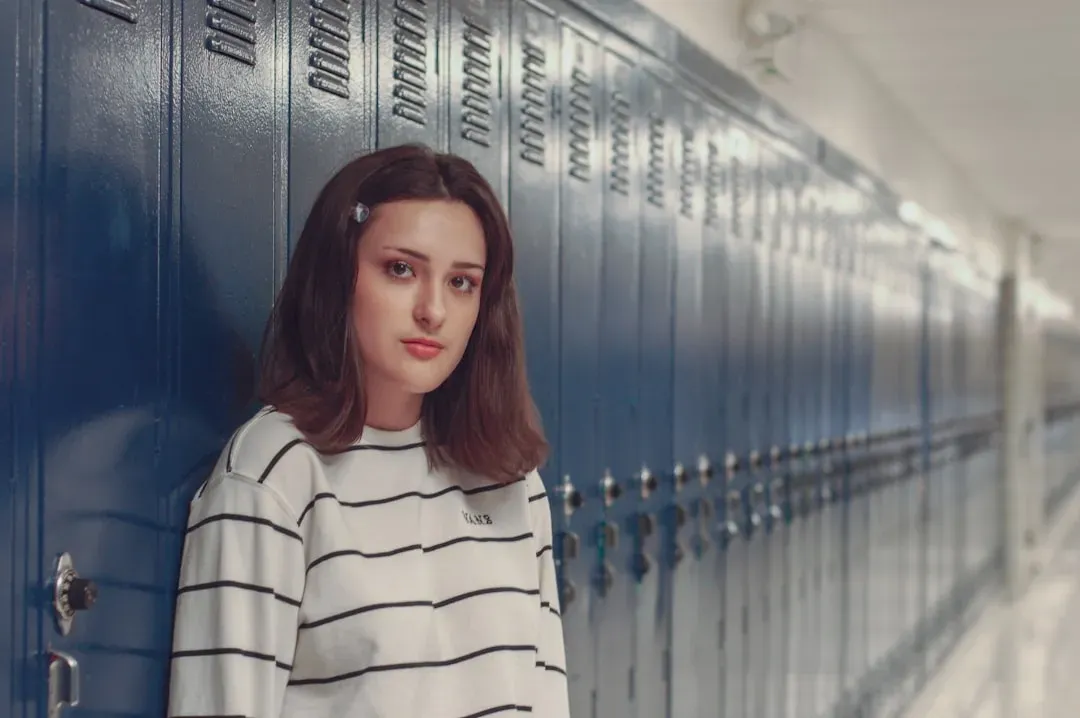
Five teenagers spend a Saturday in detention with basically no phones, no snacks besides what they packed, and definitely no group chat to complain in. The entire plot hinges on forced, uninterrupted face to face conversation, something that feels almost radical by today’s standards. There’s no adult supervision cutting in every ten minutes, no security camera footage being uploaded anywhere. It’s just five strangers stuck in a library for hours, which alone might baffle a generation used to constant digital check ins.
The film also leans hard into distinct high school “tribes,” the jock, the brain, the basket case, the princess, the criminal, categories that felt rigid and understood by every teen watching in 1985. Modern school culture, shaped by social media and more fluid identities, doesn’t sort kids into such clean boxes anymore. A Gen Alpha viewer might also be confused by the casual cigarette smoking indoors, something unthinkable in any school today. The movie remains a touchstone of teen cinema, but its social rules read like an artifact from a stricter, more analog world.
2. Ferris Bueller’s Day Off (1986)
Ferris fakes being sick using nothing but sound effects, a fake illness routine, and a green food coloring trick, all without a smartphone alibi or a text from a friend to back him up. His entire scheme to skip school and roam Chicago for the day works because there’s no way for the school to track his location or verify anything digitally. A kid today would need a burner account, a VPN, and probably a deepfake voice note to pull off something similar, and even then, the school’s attendance app would likely flag him within the hour.
The film also treats a single stolen day of freedom, a Ferrari joyride, a parade cameo, an art museum stop, as a kind of once in a lifetime event. For Gen Alpha, who can access nearly anything instantly through a screen, the idea of a “big day out” built around physically wandering a city without documenting it for followers feels almost quaint. There’s no phone in Ferris’s pocket buzzing with notifications, and that silence is part of what makes the movie feel like it’s from another era entirely.
3. Sixteen Candles (1984)

Molly Ringwald’s character spends much of the film upset that her family simply forgot her birthday amid the chaos of her sister’s wedding, a mix up that today would be nearly impossible with shared calendars, reminders, and phone notifications pinging everyone in the house. The plot’s central misunderstanding relies entirely on information not traveling fast enough, a concept that barely exists anymore. A missed birthday in 2026 would trigger a flood of automated reminders long before anyone forgot.
The house party scene, packed with teenagers who heard about it purely through word of mouth, also feels foreign to a generation that organizes gatherings through group chats and event invites within seconds. There’s no livestream, no story posted from the party, no digital trace at all. For Gen Alpha, a party existing only in the memories of the people who physically showed up might be the strangest concept in the entire film.
Partner offer
4. WarGames (1983)
A teenager accidentally hacks into a military supercomputer using a dial up modem, a device that connects to the internet through actual telephone lines and makes a distinctive screeching sound just to load anything. The film’s entire tension depends on how slow and clunky computer access was in the early 1980s, something that would confuse a kid who has never waited more than a second for a page to load. The idea of manually dialing a number to “get online” is something most Gen Alpha viewers would need explained to them like a foreign custom.
The bedroom setup itself, a bulky beige computer, a chunky monitor, and cables everywhere, looks more like vintage tech store decor than anything resembling a modern laptop or tablet. There’s no wifi, no cloud storage, no app to just open. The film, often credited with popularizing public fascination with hacking and computer security, still holds up narratively, but its hardware is firmly frozen in time.
5. Weird Science (1985)

Two teenage boys build an artificial woman using a home computer and some questionable science fair level engineering, a plot that already feels wildly dated given how differently kids interact with technology and AI today. Modern audiences raised on real AI chatbots and generative tools might find the film’s version of digital creation almost charmingly primitive, all flashing lights and cassette tape style drama instead of anything resembling actual code. The special effects, while fun for their era, look distinctly analog next to today’s CGI heavy blockbusters.
Beyond the tech, the film’s approach to gender dynamics and teenage humor reflects very specific mid 1980s sensibilities that haven’t aged particularly gracefully. Certain jokes and character choices that seemed harmless at the time might raise eyebrows or need context for younger viewers watching now. It’s a movie that requires a bit of historical framing to fully make sense of its tone and choices in 2026.
6. Real Genius (1985)

Set at a fictional elite science school modeled loosely on places like Caltech, the film follows brilliant students building a laser for what they believe is a research project. The lab equipment, chalkboards covered in equations, and room sized computers all reflect a pre digital research world that looks almost nothing like a modern STEM classroom filled with laptops and 3D printers. There’s a tactile, physical quality to the science in this movie that feels distant from how kids learn and experiment today.
The film’s climax, filling a professor’s house with popcorn using the laser, works as a fun visual gag but also highlights just how different “cool tech” looked in 1985 compared to now. A kid who’s grown up with drones, VR headsets, and AI tutors might see the movie’s futuristic gadgets as impressively retro rather than cutting edge. Real Genius remains beloved among fans of eighties nerd culture, even if its version of scientific innovation now reads more like a time capsule than a preview of things to come.
Watching these films today isn’t just nostalgia, it’s a small history lesson in how differently teenagers once moved through the world. No instant messaging, no constant documentation, no algorithm deciding what’s cool that week. For Gen Alpha, that absence of connectivity might be the most foreign detail of all, stranger even than the fashion or the hairstyles.Partner offer
Planning a trip to Vegas?
Compare hotel rates and show tickets on VEGAS.com.