There’s a strange kind of magic in a vocal take that never needed a second try. Most studio sessions involve hours of retakes, punch-ins, and pitch corrections before a vocal sounds “finished.” Yet a handful of iconic recordings captured something raw and immediate on the very first pass, and those performances became some of the most recognizable moments in music history.
John Lennon’s ragged scream on “Twist and Shout”
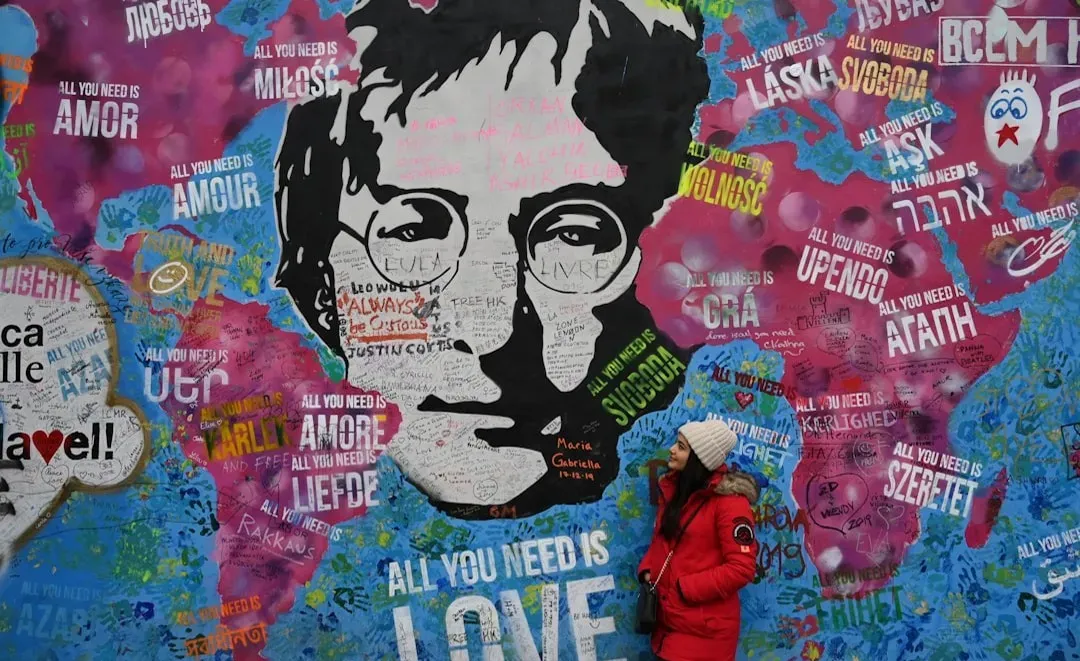
The Beatles recorded most of their debut album Please Please Me in a single, grueling day, and by the time they reached the final song of the session, John Lennon’s voice was already wrecked. The Beatles’ first album, Please Please Me, came together very quickly, with much of the album recorded in a single day, and because of how much it would strain John Lennon’s voice, “Twist and Shout” was saved for the final song of the session. He pushed through anyway, delivering a vocal that sounds like it’s tearing at the edges.
It was recorded around 10 p.m. that night, and although Lennon wasn’t happy with the take, his voice was too strained to make it through another; he can actually be heard coughing at the end of the song. According to accounts of the session, Lennon suffered from a bad cold and was attempting to preserve his voice by taking cough drops and gargling milk, and one take of “Twist & Shout” is all his voice could muster, with a second attempt failing entirely so the single take was used. The strain in his voice is not a studio effect. It is just a man giving everything he had left.
Eric Burdon and the fifteen-minute session that made “The House of the Rising Sun”
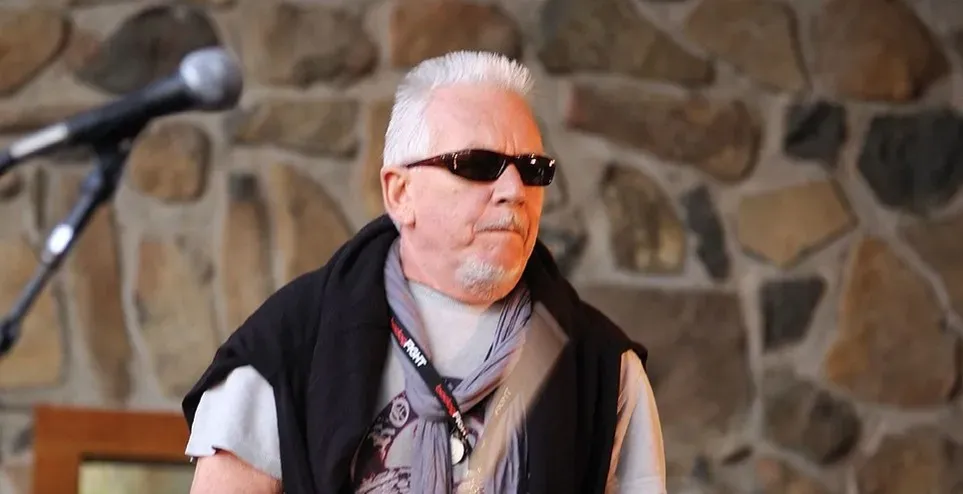
Before The Animals turned it into a rock staple, “House of the Rising Sun” had circulated for decades as a traditional folk tune. “The House of the Rising Sun” was known as a folk song before The Animals made it famous with their version, and the band used a day off from touring with Chuck Berry to record the track on May 18, 1964, which they did in a single take in just 15 minutes.
What made the single take work wasn’t luck so much as repetition on the road. The band felt they had played it live so many times while on tour that they had perfected it, and everything, vocals and instrumentals, was taped live, contributing to the song’s raw sound. That live-off-the-floor approach is a big part of why the recording still sounds so unpolished and immediate more than sixty years later.
Donna Summer’s single pass through “I Feel Love”
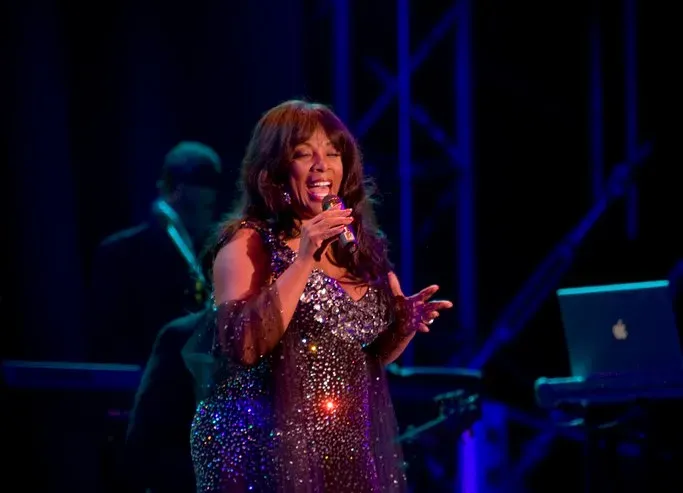
The instrumental side of “I Feel Love” was anything but simple. Donna Summer recorded “I Feel Love” for her fifth album, I Remember Yesterday, with co-producers Giorgio Moroder and Peter Bellotte, and the Moog synthesizer featured on the track fell out of tune after just 20 to 30 seconds, requiring frequent retuning, so it was recorded in short bursts. Her vocal, however, arrived in one clean shot.
Summer’s vocals were done in a single take, a practice that was actually fairly typical for her. Some accounts of the session describe her arriving from performing in the Hair musical and delivering the vocal almost on instinct. Summer swept in and banged the song’s sensual and emotional mood in one take. The result helped define the sound of disco and later influenced electronic music for decades.
Celine Dion’s demo vocal that became the final version of “My Heart Will Go On”
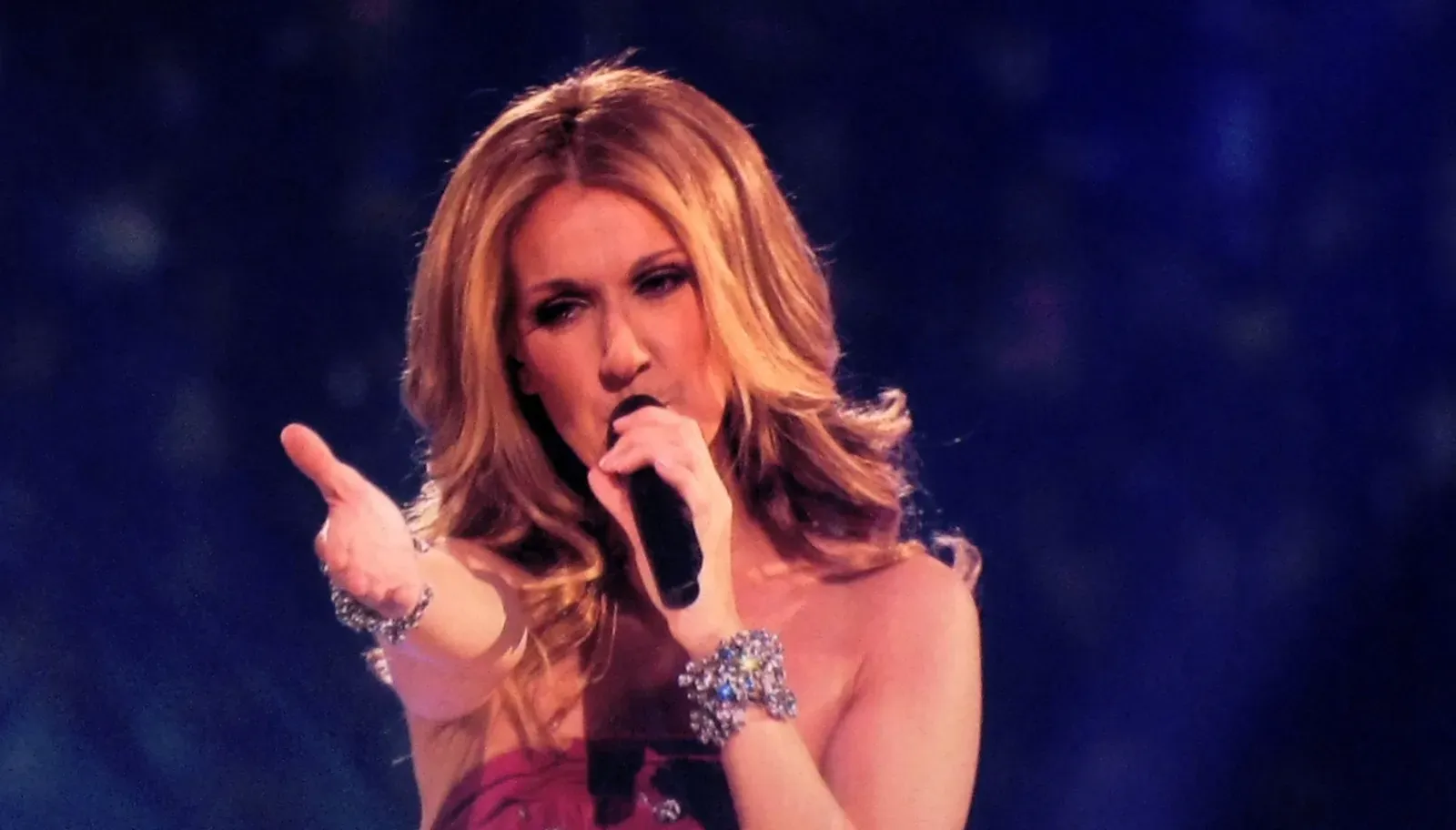
It’s easy to assume a vocalist as technically precise as Celine Dion would layer take after take until every note sat perfectly. When it comes to a vocal powerhouse like Celine Dion, one might expect that she’d record multiple takes to get a song just right, but it’s also not much of a surprise that for the epic Titanic ballad “My Heart Will Go On,” she nailed it in just one try.
Partner offer
What’s notable is that the take wasn’t even meant to be the final product. Dion’s first recording of the song was intended to be a demo. The performance turned out so strong that producers kept it, and it went on to become one of the best-selling singles of all time, forever tied to a film that dominated the box office in the late nineties.
Jack Ely’s mumbled classic on “Louie Louie”
Few one-take stories involve as many logistical headaches as The Kingsmen’s version of “Louie Louie.” They were a bunch of teenagers from Portland, Oregon, who recorded it as a promo to try and get a gig on a cruise ship, and it cost either 36 or 50 dollars for an hour’s session, so the producer rushed them through.
Singer Jack Ely didn’t exactly have ideal recording conditions either. There was a slight problem for singer Jack Ely: the only microphone for him was hanging several feet above him from the ceiling, and he also wore dental braces. The muffled, half-shouted vocal that resulted became one of the most famous garage rock performances ever, and The Kingsmen didn’t figure that their ragged one-take performance captured a sort of frenzied mania that immediately translated to their audience, with Ely’s mush-mouth vocals helping perpetuate an urban legend of obscenity that helped propel the song to success.
Michael Stipe’s booming delivery on “Losing My Religion”
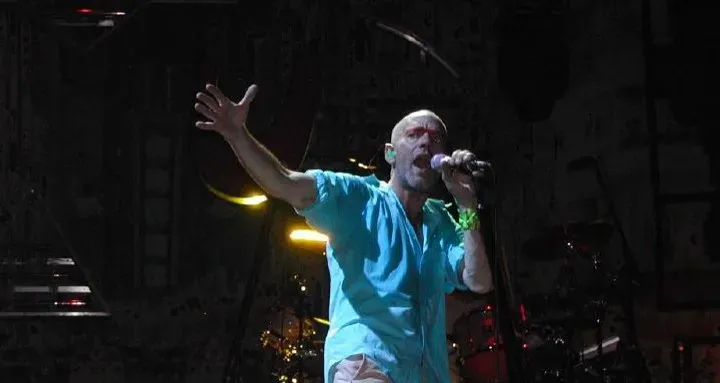
R.E.M.’s biggest hit paired an orchestral arrangement with a vocal that had to hold its own against a full symphony. R.E.M.’s Michael Stipe recorded his vocals on “Losing My Religion” in just one take, while the rest of the song was recorded by the Atlanta Symphony Orchestra in various takes.
The contrast between a meticulously layered orchestral bed and a single, unrepeated vocal pass is part of what gives the song its strange tension. That’s certainly impressive, and the song went on to be R.E.M.’s signature hit. It remains one of the more unusual single-take stories precisely because so much of the instrumentation around that vocal was built with painstaking care.
Randy Bachman’s joke vocal that became “You Ain’t Seen Nothing Yet”
Not every one-take vocal was recorded with commercial intent. Bachman-Turner Overdrive’s “You Ain’t Seen Nothing Yet” began its life as a kind of throwaway instrumental that Randy Bachman most definitely did not intend for the whole world to hear, in fact writing it as a joke of sorts about his brother, Gary, who had a stutter.
The plan was small and personal at first. The plan was to record one take of it, stutter vocal included, and send it to Gary only. That private joke turned into a chart-topping single, proving that sometimes the most casual, least self-conscious vocal take is the one that connects with the widest audience.
Final thoughts
Partner offer
Planning a trip to Vegas?
Compare hotel rates and show tickets on VEGAS.com.