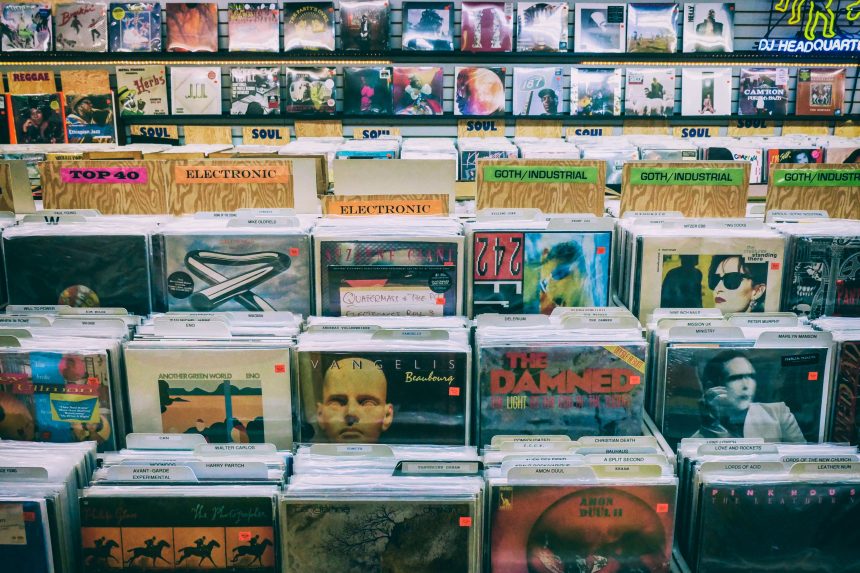
Every so often, a record disappears from stores almost as fast as it arrived. Sometimes it’s a legal threat, sometimes a retailer boycott, and sometimes the artist themselves gets cold feet at the last possible minute. What follows are nine cases where an album’s shelf life got cut short almost immediately, and the surprisingly varied reasons behind each one.
The Beatles and the butcher cover that backfired
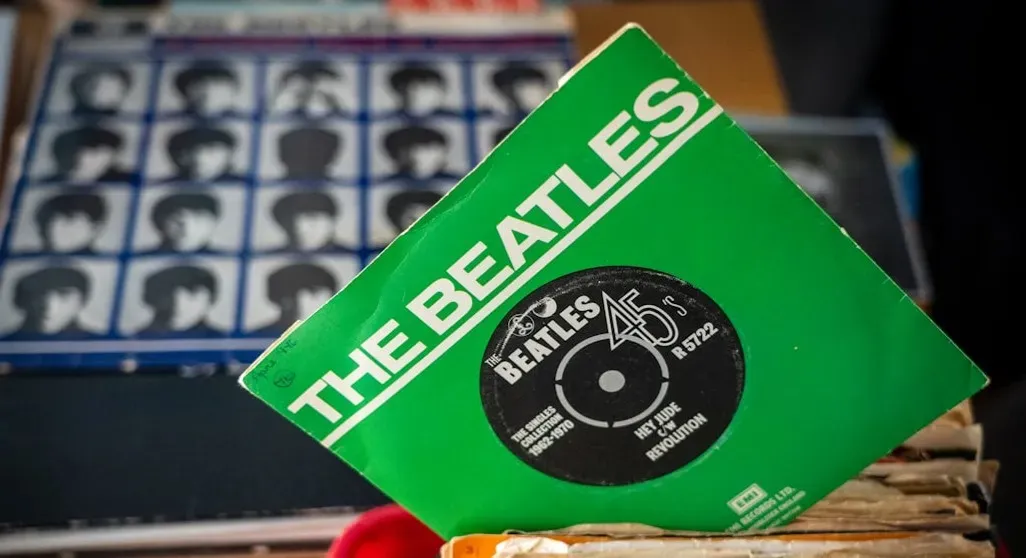
In 1966, Capitol Records released Yesterday and Today with a cover showing the band dressed as butchers, surrounded by raw meat and dismembered doll parts. The image was meant as commentary, but retailers and fans saw something closer to shock value gone wrong. The cover was swiftly pulled from shelves just days after its release, according to reports from Udiscovermusic.
The backlash moved fast and hit hard. The intense public reaction forced Capitol to retrieve over 50,000 copies, as PBS later reported. A tamer photo replaced the original, and the butcher cover became one of the most sought-after collector’s items in Beatles history, proof that a pulled album can sometimes become more famous for its absence than its presence.
Scorpions and a cover that never should have happened
German rock band Scorpions released Virgin Killer in November 1976 through RCA. The original cover featured a nude ten-year-old girl, which stirred controversy in the United Kingdom, the United States, and elsewhere. Retailers in several countries simply refused to stock it as is.
As a result, the album was re-issued with a different cover in some countries. The controversy didn’t stay buried in the seventies either. In December 2008, the Internet Watch Foundation blacklisted content on English Wikipedia related to the album, due to the presence of its controversial cover artwork. A single image from decades earlier managed to trigger a modern-day internet censorship fight, which says something about how long these decisions can echo.
Guns N’ Roses and the cover Geffen wouldn’t risk
Before Appetite for Destruction became the best-selling debut album in American chart history, its original artwork almost sank the whole release. The band had licensed a Robert Williams painting depicting a robotic assailant being punished by an avenging figure, a striking piece of art but a tough sell for mainstream stores. Guns N’ Roses’ breakthrough took longer than expected, partially because a string of retailers refused to carry the album, blaming a gruesome original cover image that depicts the interruption of a robot rape by an avenging metal angel.
Even the painter saw trouble coming. Williams told Revolver magazine that he suggested the band pick something else for the cover because he knew they were going to get in trouble with it. Geffen ultimately swapped the artwork for the now-iconic skull and cross design, tucking the original painting inside the sleeve instead, and the album went on to sell more than 30 million copies worldwide.
Prince and the album he decided the world didn’t need
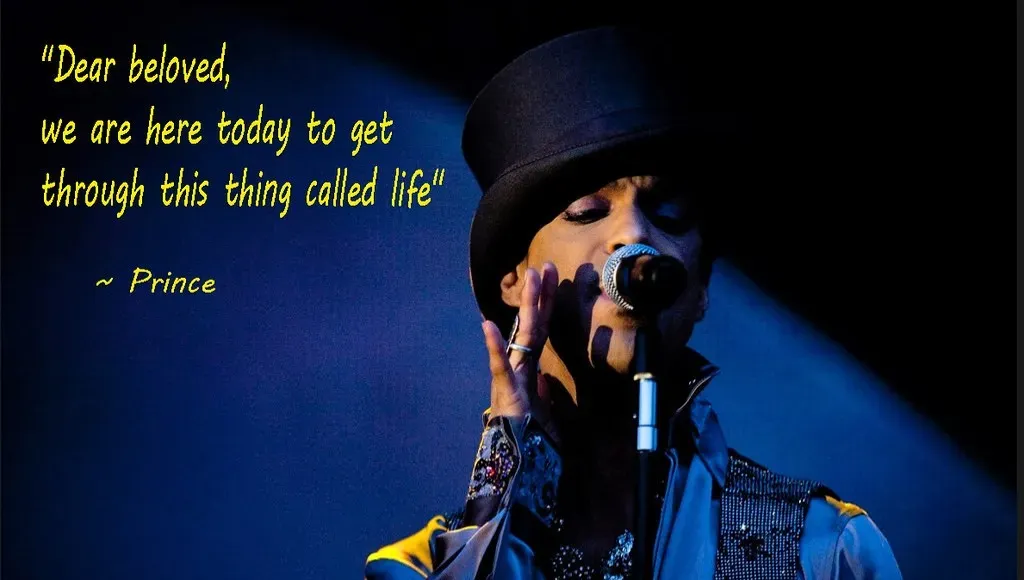
Unlike most entries here, Prince’s pulled record wasn’t stopped by a label or a retailer. It was stopped by Prince himself. Slated for release on the 8th of December 1987, Prince pulled it at the eleventh hour.
The scale of the recall was staggering for its time. At his direction, more than 500,000 copies were destroyed, on CD, cassette, and LP. Advance copies had already leaked though, and immediately after the decision to pull The Black Album from stores, the album emerged on the streets in bootleg form, arguably becoming popular music’s most legendary bootleg since the Beach Boys’ aborted 1967 album Smile. It finally saw an official release in 1994, seven years after Prince changed his mind about the world hearing it.
Insane Clown Posse and a boycott that moved fast
The Great Milenko had one of the shortest shelf lives in modern music retail history. The album was pulled from shelves mere hours after its release. The label behind it, Hollywood Records, was owned by Disney at the time, and that ownership became the problem.
The record was pulled and the group dropped from the label’s roster after the Southern Baptist Church called for a boycott of Disney due to its anti-family products and policies. The band’s manager didn’t hold back about what he thought was really going on. “I think Disney is bowing to pressure from the Southern Baptists,” Alex Abbiss told The Chicago Tribune at the time. Within a matter of hours, a fourth studio album went from new release to withdrawn product.
Partner offer
Godsmack and the sticker that came too late
Godsmack’s self-titled debut is a slightly different story, since the pull wasn’t about a cover or a title. It was about lyrical content that hadn’t been flagged properly before release. The album sold well despite being initially pulled from the shelves in some stores due to concerns over some of its lyrical content, and the band and its record label later added a Parental Advisory sticker, with some stores ordering amended copies.
Frontman Sully Erna later reflected on how the whole episode played out. He told Rolling Stone that the record had been in the marketplace for more than a year without a parental advisory sticker, calling it “the one and only complaint.” Rather than hurting the album, the controversy seemed to feed curiosity, and the record went on to be certified five times platinum decades later.
Kingdom and a cover that echoed the wrong text
Not every pulled album involves lyrics or nudity. Sometimes it’s a design choice that nobody in the room caught before it went to print. In September 2023, K-pop group Kingdom found themselves recalling their seventh mini-album because of how the cover looked next to a very different kind of text.
The first production copies of the album were being pulled off the shelves and discarded amid a controversy over the album cover’s resemblance to the Quran. The agency behind the group moved quickly to contain the fallout. GF Entertainment announced that concerns had been expressed that the cover, due to go on presale on Sept. 21, bore a striking similarity to the Quran, and decided to recall, discard, and redesign all 70,000 initial production copies. The corrected version returned to presale just days later, a rare case of a full physical recall handled within a single week.
The parody Christmas album that ran into a copyright wall
Rated X Mas is a less famous case, but it’s a clean example of how quickly copyright law can end a record’s run in stores. The album spoofed well-known Christmas songs, which put it directly in the sights of the rights holders behind the originals.
Warner Music Group sued the album’s distributor, alleging that it infringed on the copyright of the Christmas songs being spoofed, and the case was settled with the album being pulled from shelves and all remaining unsold copies forfeited and destroyed. The album eventually found new life decades later. It was re-released digitally to streaming services in December 2023, and reissued again in December 2025. A record that couldn’t survive on physical shelves quietly found its way back through streaming instead.
Alanis Morissette and a retailer’s protest, not a scandal
This one stands apart from the rest because there was no obscenity claim, no lawsuit, and no lyric controversy. When Morissette signed an exclusive deal giving Starbucks the first six weeks of sales for her acoustic Jagged Little Pill reissue, one of Canada’s biggest music retailers decided to fight back. HMV pulled all albums and DVDs by Alanis Morissette from store shelves to protest a deal that gave the coffee chain exclusive rights to sell her new album for the first six weeks of its release.
Other retailers piled on with their own frustration. A Sunrise Records executive said they were upset that the album was being made available on an exclusive basis to a chain that doesn’t really sell music, after helping make her a household name in the country for almost 20 years. It’s a reminder that sometimes an album disappears from stores not because of what’s on the record, but because of who gets to sell it first.
What these nine cases actually have in common
Look across all nine stories and a pattern starts to form. Very few of these pulls were about the music itself. They were about a cover image, a legal dispute, a distribution deal, or a corporate parent company trying to avoid bad press.
In several cases, the album that got yanked from shelves ended up more famous for the controversy than it might have been on its own merits. Scarcity, it turns out, tends to build its own kind of legend, whether that was ever the artist’s intention or not.
Partner offer
Planning a trip to Vegas?
Compare hotel rates and show tickets on VEGAS.com.