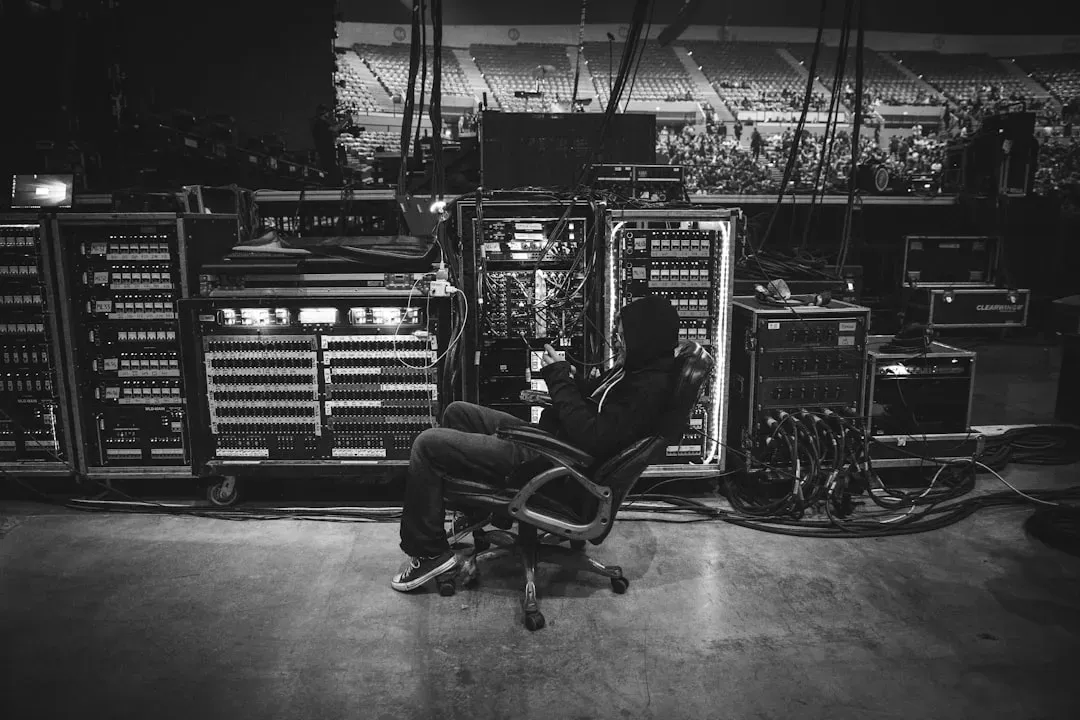
Every arena show looks the same from the seats: lights, sound, a few thousand phones held up in the dark. What happens two hundred feet away, behind a door marked “Talent Only,” runs on a completely different set of habits. Tour managers, the people who actually keep an artist moving from city to city, have quietly built a system of unwritten and written rules that decide whether a night goes smoothly or turns into a scramble twenty minutes before doors open. Most of what gets discussed online about backstage life leans toward gossip: kittens, koi ponds, gold-plated straws. The real story is less flashy but more useful. It’s a set of habits that professionals, from arena headliners to mid-level touring acts, actually rely on to keep a production running night after night.
1. Nothing backstage happens without the rider being read first
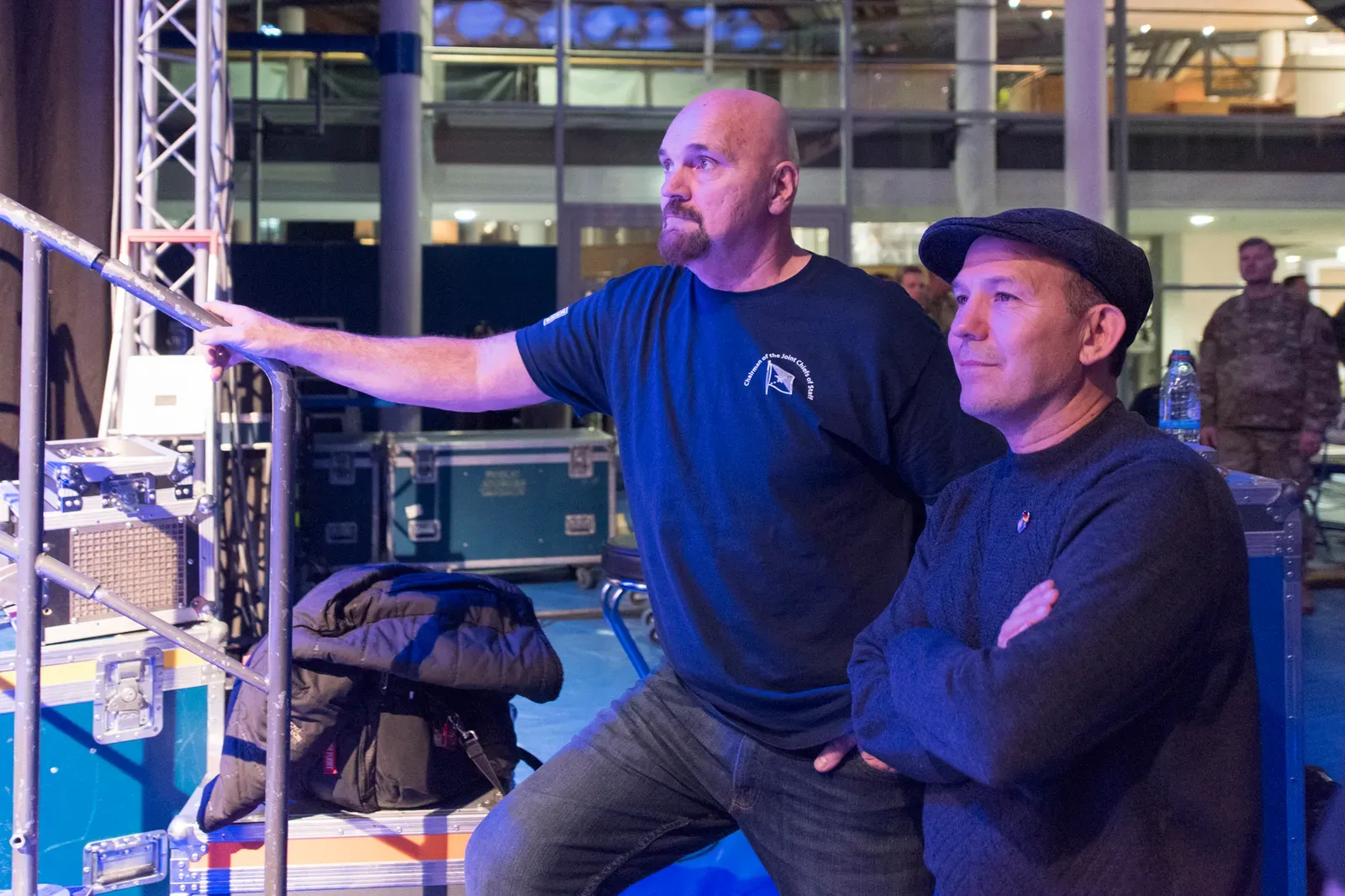
The single rule every tour manager will name first is simple: if it isn’t in the rider, it doesn’t exist. A touring rider is an addendum to an artist’s contract that includes specific requirements for performing at a venue, and it “rides” on top of the main performance contract. This document covers everything from monitor placement to sandwich orders, and venues are expected to treat it as binding, not as a wish list.
What makes this rule stick is accountability on both sides. Tour manager Diederik Visser has noted that riders often spark discussions among the booker, promoter, and artist, and it is essential to identify which requests an artist considers non-negotiable and communicate them clearly in advance. Big stars don’t leave this to chance; their teams send the paperwork early and expect venues to have actually opened it before the tour bus pulls in.
2. The old M&M test still works, and artists still use it
The most famous backstage rule in music history isn’t about luxury at all. Van Halen’s contract famously required a bowl of M&Ms backstage with all the brown ones removed, and for decades fans assumed it was pure rock star excess. For years people thought Van Halen were being total rock star divas, but they actually had a good reason: the band assumed a lot of places didn’t read the rider, so they put the rule in as a test to see if venues had actually read the contract.
Frontman David Lee Roth later explained the stakes plainly. He said Van Halen was the first act to bring 850 par lamp lights around the country, and if he came backstage and saw brown M&Ms on the catering table, he “guaranteed the promoter had not read the contract rider,” which meant a serious line check was needed. Versions of this trick are still quietly used today. Tour managers plant small, easy-to-spot details in riders specifically to gauge whether a venue’s crew paid attention to the heavier technical demands buried further down the page.
3. Small personal comforts get more attention than big egos
Contrary to the diva stereotype, some of the biggest names in music keep their personal requests almost boring. Taylor Swift’s rider reportedly asks for little more than Kleenex, Neutrogena soap, and a newspaper. It’s a detail tour managers often point to as proof that scale of fame and scale of demands don’t automatically move together.
Adele’s list runs a bit more specific but still modest by industry standards. Her tour rider reportedly includes Marlboro Lights, a lighter, and chewing gum, and she is said to ban honey from being served backstage. Tour managers treat these small, consistent preferences as easy wins: cheap to fulfill, quick to check off, and a low-cost way to keep an artist’s routine steady across dozens of tour stops.
4. Personal ethics and lifestyle choices get written into the contract

For some artists, the rider isn’t about comfort at all. It’s a statement of values that venues are contractually required to respect. Paul McCartney’s long-standing vegan lifestyle is one of the clearest examples of this in the touring world.
McCartney’s tour riders have historically required no furniture backstage made from animal skin such as leather, and neither faux leather nor animal prints are allowed. A more detailed version of this rule goes further. His rider reportedly states there will be no meat or meat by-products served in the dressing rooms, production office, or backstage area at all. Tour managers working with artists like this treat the rule as absolute, since it reflects a personal boundary rather than a preference that can be traded away during negotiation.
5. Guest lists and backstage access follow strict, non-negotiable protocol
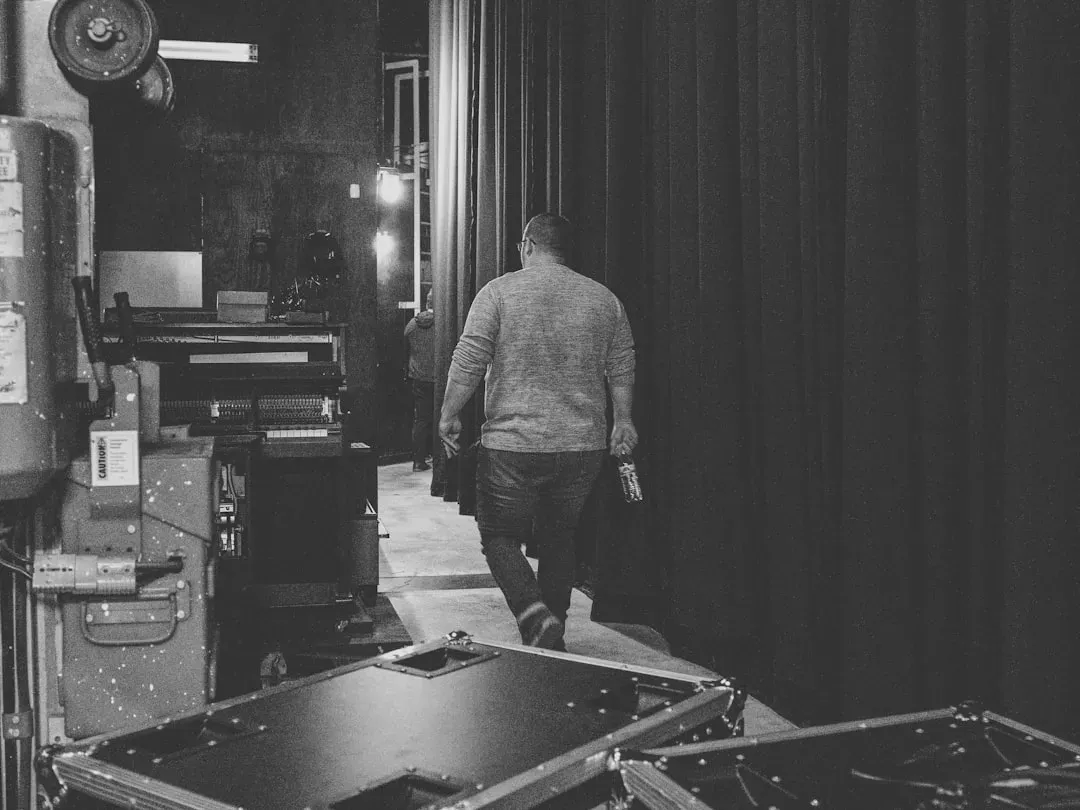
Security is one area where tour managers rarely compromise, because a single unscheduled visitor backstage can create real safety and logistical problems. Riders typically spell out exactly who is allowed where, and access lists get enforced to the letter on show night.
A well-run rider specifies how many guests each band member gets, who controls the guest list, and how many AAA passes, stage passes, and photo passes are being issued, all of which saves arguments at the door every night of the tour. Some artists take access rules further still. In Justin Bieber’s case, hygiene concerns extend into access protocol, since his rider reportedly requires every doorknob he might touch to be disinfected every two hours, a habit that adds a physical layer to the usual security sweep.
6. Hospitality riders stay practical, not extravagant, at almost every level

Despite the headlines about koi ponds and kittens, most working tour managers will say the typical hospitality rider is genuinely modest. Drinks sections are generally kept reasonable and practical, with water on stage treated as non-negotiable and only a modest amount of alcohol expected backstage, since demanding specific craft beers or enough food to feed a small village is considered unreasonable unless an act is selling out arenas. This scaling matters because it protects an artist’s professional reputation with venues.
The document itself also has to stay current to be taken seriously. Riders with old dates or outdated information look unprofessional, which is why many now include an expiration date to signal the artist is maintaining current expectations. Tour managers who keep riders lean and updated tend to get faster, smoother cooperation from venue staff than those who let bloated, outdated documents circulate for years.
7. Every amendment gets documented, signed, and locked in writing

Riders are living negotiations, not fixed demands handed down from on high. A rider will inevitably come back with notes from promoters as shows and offers roll in, getting marked up, signed, and returned, and once a team accepts the amendments, a representative countersigns and the deal is locked. Nothing moves forward on a verbal handshake alone.
This paper trail exists because riders carry real legal weight. Everything is ultimately looked over by management and business managers, with someone qualified approving the language on topics that could be picked apart by another team’s lawyers, since the rider is a legal document attached to the performance contract. Tour managers who skip this documentation step are the ones most likely to end up in a dressing room argument over who agreed to what.
8. A little humor keeps the whole backstage operation sane
Not every rule is about strict enforcement. Some of the most respected acts in the industry use humor as a deliberate management tool, and Foo Fighters are the clearest example of this approach in action. Instead of making weird demands, the band sends venues a funny, illustrated coloring book that explains their needs, including diagrams on how to make the perfect sandwich and inside jokes about their favourite snacks.
This isn’t just a gimmick; it’s a functional communication tool that lowers tension between artist and crew before a single soundcheck happens. Iggy Pop’s 2006 tour rider ran eighteen pages and clearly wasn’t taking itself too seriously, including requests like “somebody dressed as Bob Hope”. Tour managers who work with acts like these say the playful tone actually makes venue staff more attentive, not less, because a document that’s fun to read gets read more carefully than a dry list of demands.
What this actually says about life on the road