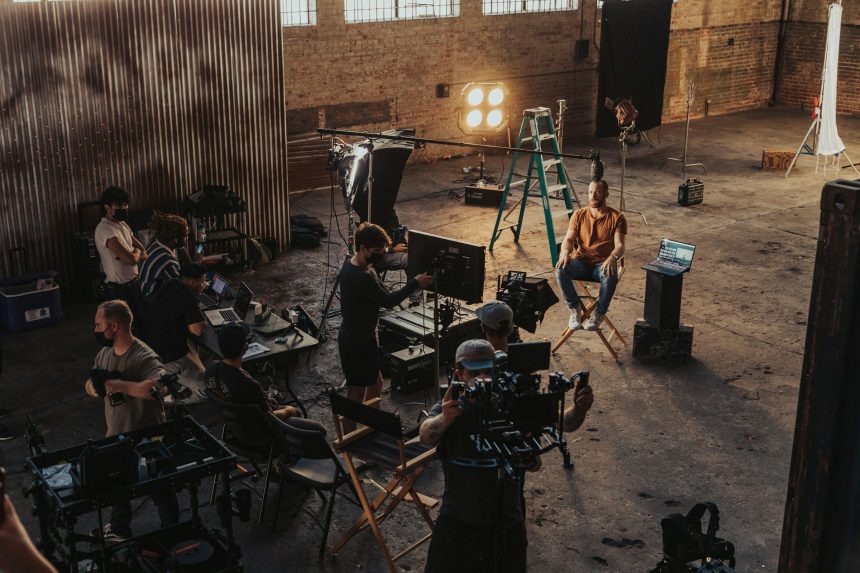
Most people picture a film set as a place where one person shouts two words and everyone obeys. In practice, a director’s vocabulary is much larger, and much of it is borrowed from a long tradition of set etiquette. Those phrases keep dozens of people synchronized, and they often matter as much as the famous pair.
Some of these calls come from the director, while others come from the assistant director, who usually relays them to the crew. The exact wording varies by country, studio and personality. Still, a handful of calls turn up on nearly every professional production.
Rolling and Speed

Before “action” comes a short sequence of calls. The assistant director may ask for quiet, and the camera and sound departments then confirm they are recording. “Rolling” is commonly used to say the camera is running, and “speed” is often used by the sound recordist to confirm the audio recorder is up to speed.
The terms date from the era of film cameras and tape recorders, when machines needed a moment to reach a steady pace. Digital gear doesn’t need that wait, yet the habit has stuck. Crews tend to keep it because a familiar order of calls prevents mistakes.
Mark It and Slate

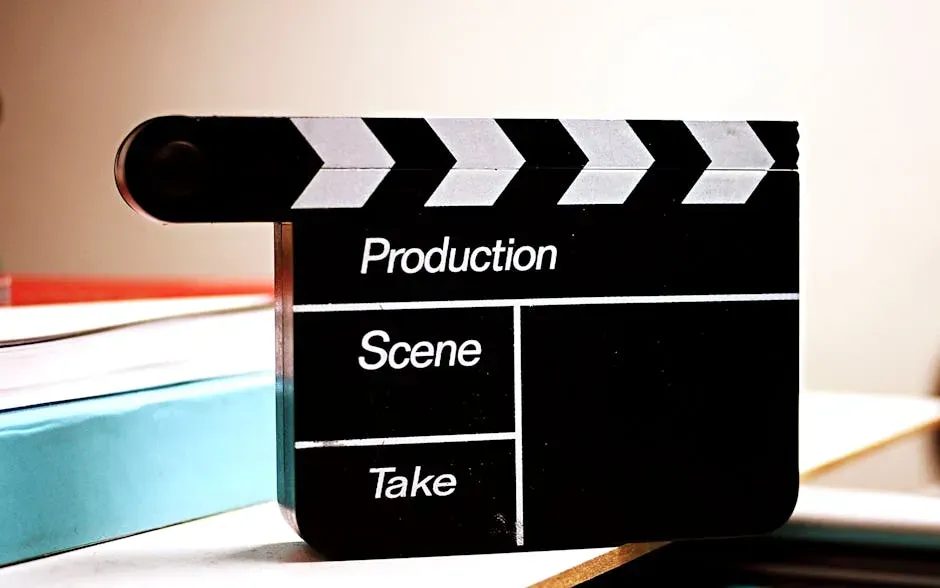
After the cameras roll, a crew member calls the scene and take number and claps the slate. “Mark it” is the usual cue for that clap. The sharp sound and the visible clapper give editors a shared reference point for lining up picture and audio.
Sometimes a slate is held upside down at the end of a shot, which is called a tail slate. Crews announce this so the editor knows what to expect. Timecode slates now do much of the work electronically, but the spoken call remains common.
Hold for Sound and Quiet on Set
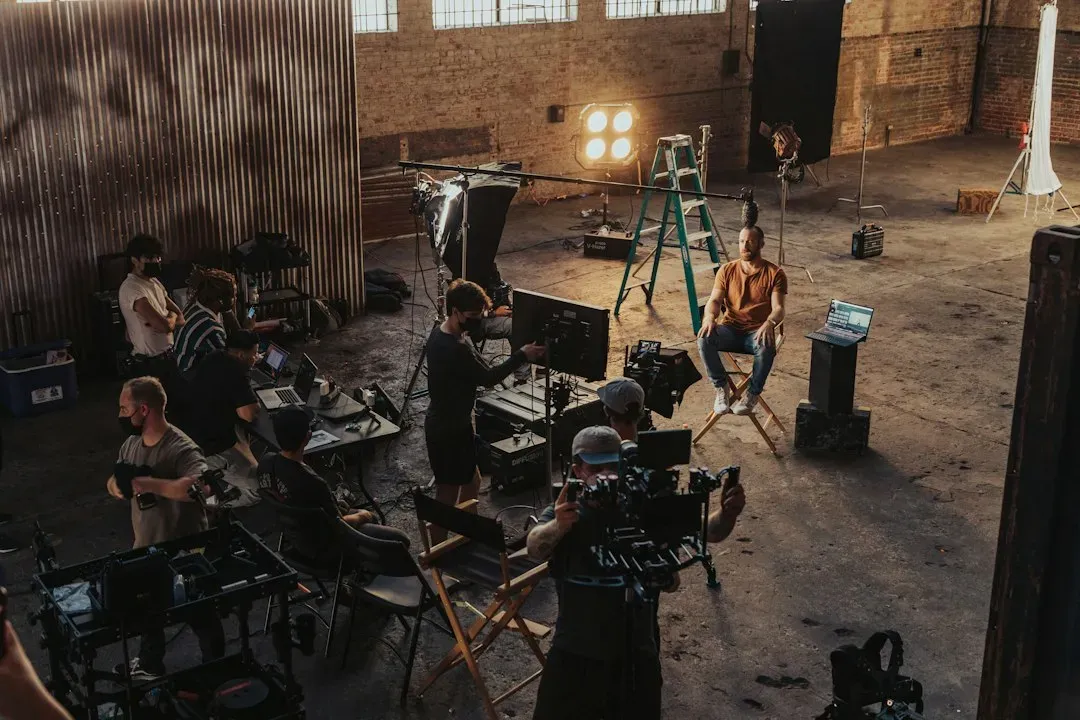
A call such as “hold for sound” asks everyone to stop moving and making noise, often because of an aircraft, a siren or an unwanted rustle. “Quiet on set” or “settle” is the more general request before a take. Production sound teams depend on these pauses, since clean dialogue is hard to repair afterward.
If noise ruins a take, the production sound mixer can flag it. Dialogue can be replaced later in a studio, but that process, called ADR, is costly and many directors prefer to avoid it. A few seconds of patience on location is usually cheaper.
Going Again and Reset
When a director wants another take right away, they may say “going again” or “one more.” If the whole scene needs to be repeated from the start, the call is typically “back to one” or “reset.” Everyone then returns to the opening positions, and props, costumes and hair are checked against continuity.
Continuity matters because scenes are shot out of order and from many angles. A glass that is half full in one shot must be half full in the next. A crisp reset call helps departments restore those details quickly.
Partner offer
Check the Gate and Moving On

“Check the gate” originated with film cameras, where hair or debris in the gate could ruin a shot. The camera crew inspected the gate, and only then did the assistant director announce that the production was moving on. Today the phrase is still used, even when the camera is digital and no physical gate is involved.
“Moving on” signals that the director is satisfied and the crew can start the next setup. A related call is “new deal,” which tells everyone the next shot or location is coming. Those calls help departments know when to start moving lights, cameras and cables.
Back to One and Last looks
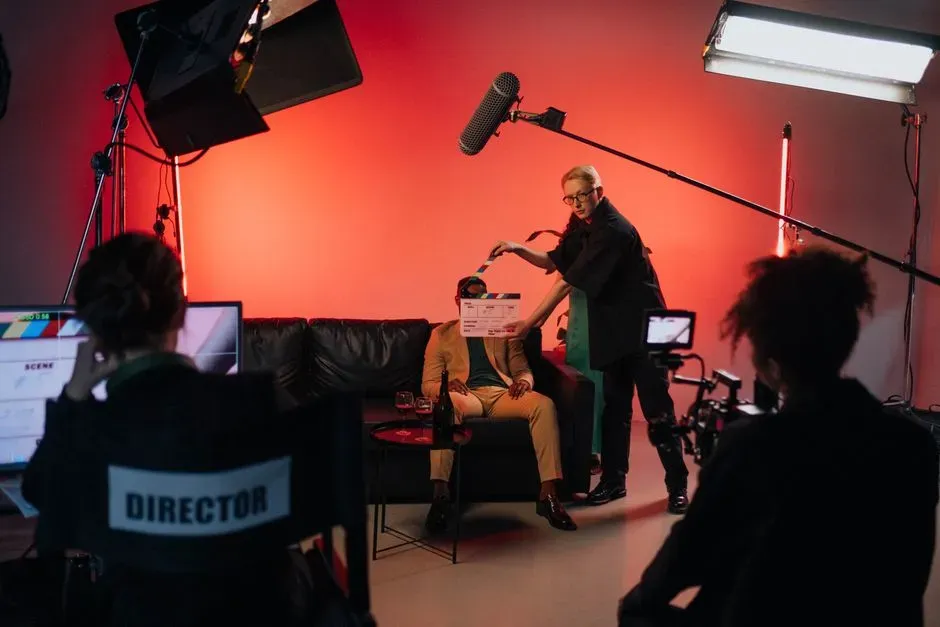
Before a take, the director or assistant director may call for “last looks.” This allows makeup, hair and wardrobe teams to make final touches on actors. It is a short moment but a valuable one, because small flaws are hard to fix in the edit.
Once last looks are done, the crew clears the frame. The call keeps people from wandering into shots at the wrong time. It also gives actors a brief moment to settle before cameras roll.
Wild Lines and Room Tone

“Wild line” refers to dialogue recorded without the camera running, often to capture a clean version of a line spoiled by noise. “Room tone” is the call for everyone to stay silent while the sound team records thirty seconds or so of the location’s ambient sound. Editors use that recording to fill gaps and smooth cuts between takes.
These calls tend to come at the end of a setup. They are easy to forget, yet editors rely on them. A set without room tone can sound oddly hollow once the dialogue is stitched together.
Flying In and Fresh Instructions to Actors
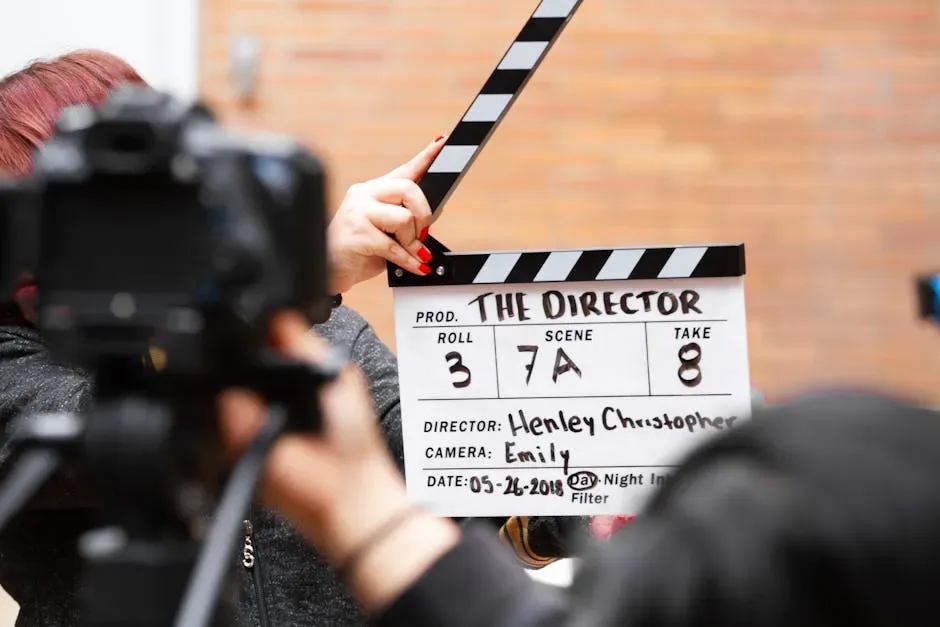
Directors also use plain, practical language with performers. They may ask for a bit more energy, a different pace, or a smaller reaction. Many directors give these notes privately rather than in front of the crew, which helps actors feel at ease.
Some directors replace “cut” with their own phrases or let a scene run on after the scripted lines end. That approach can produce unplanned moments that editors later use. Whatever the style, the aim is to get usable footage while keeping the set calm.
That’s a Wrap and Martini Shot
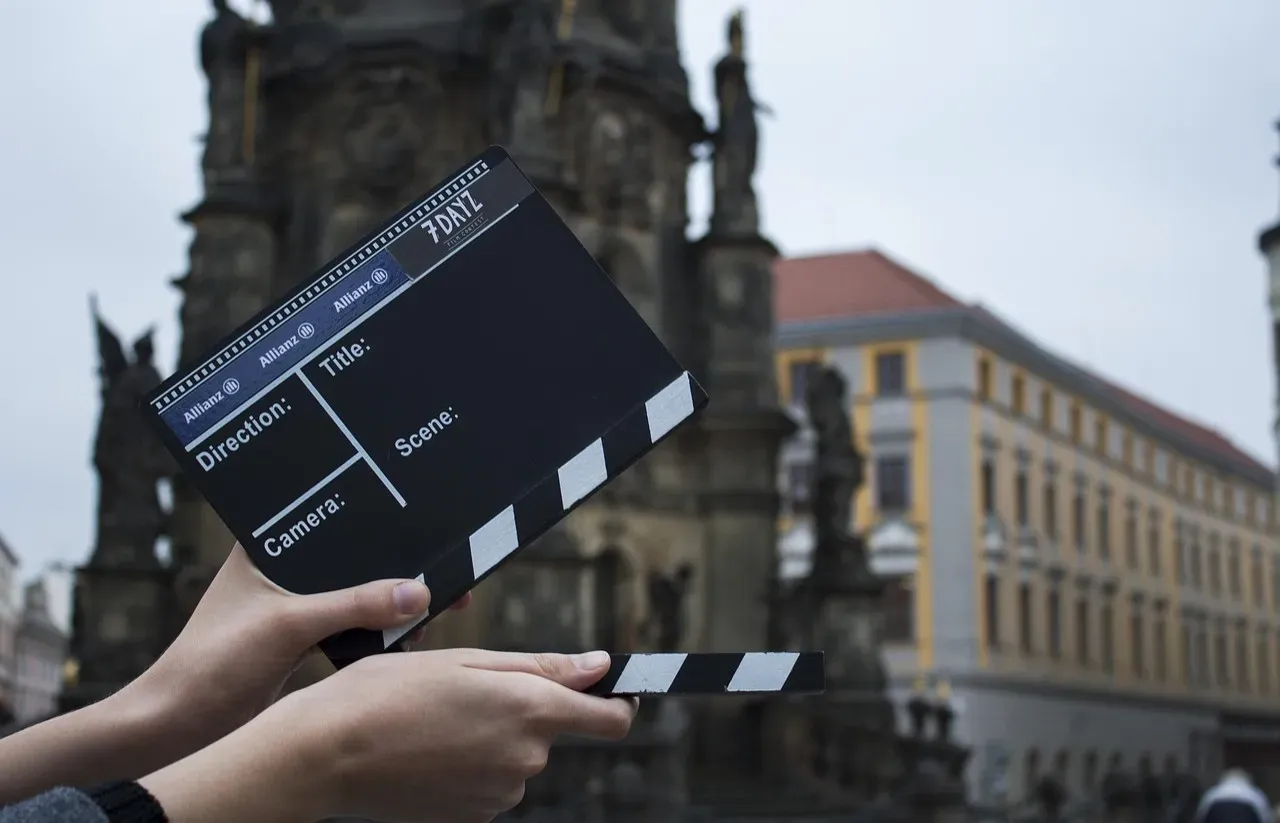
“That’s a wrap” tells the crew that filming is finished for the day or for the whole production. The final shot of the day is often called the “martini shot,” and the one before it is the “Abby Singer,” named for a production manager known for announcing the next to last setup. Both terms are common industry slang.
After the wrap call, crews begin packing equipment and the paperwork for the day is finalized. Cast members may be released, and the schedule for the next call time is confirmed. It is a small ritual, but one that tells everyone the day’s work is done.
Partner offer
Planning a trip to Vegas?
Compare hotel rates and show tickets on VEGAS.com.