Some of the most memorable places in cinema have never appeared on a map. Screenwriters invent small towns because a made up name carries no baggage and can stand for anything, from American warmth to quiet menace.
Below are nine invented towns, each tied to a well known film. Every entry gives the movie, the year, and a few details about how the place was built or filmed.
Bedford Falls
Bedford Falls is the home of George Bailey in Frank Capra’s It’s a Wonderful Life, released in 1946. James Stewart plays Bailey, a man who stayed put while everyone else left. The town is placed in upstate New York, and the story follows his crisis on Christmas Eve.
The film also shows an alternate version of the town called Pottersville, which is how Bailey sees what life would have been without him. The town was not a real location. It was constructed as a large outdoor set at the RKO ranch in Encino, California, which was a big undertaking for its time.
Maycomb
Maycomb is the sleepy Alabama county seat in To Kill a Mockingbird, the 1962 film adapted from Harper Lee’s novel. Gregory Peck played the lawyer Atticus Finch, a role that won him the Academy Award for Best Actor. The story unfolds during the Great Depression and centers on a trial that divides the town.
Maycomb is widely understood to be modeled on Lee’s hometown of Monroeville, Alabama. The film itself was shot in California, where the production team rebuilt Southern streets on a Universal backlot. The result looks lived in rather than polished.
Amity Island

Amity Island is the summer resort town threatened by a great white shark in Steven Spielberg’s Jaws, released in 1975. Roy Scheider plays Chief Martin Brody, who wants the beaches closed. The mayor refuses, because the Fourth of July weekend is the island’s biggest earner.
The location was real even though the name was not. Filming took place on Martha’s Vineyard in Massachusetts, and local residents appeared as extras. The production famously struggled with its mechanical shark and ran well over schedule on open water.
Hill Valley
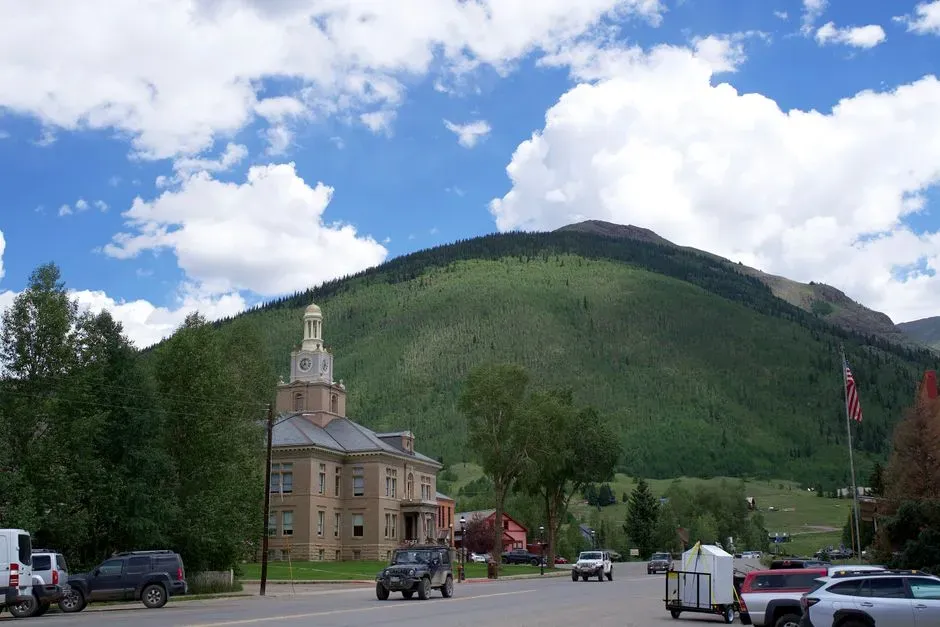
Hill Valley, California, is where Marty McFly lives in Back to the Future, released in 1985. The film moves between 1985 and 1955, so the same courthouse square is shown in two different decades. The town’s clock tower becomes the key to the plot, because a lightning strike on it is Marty’s way back to the present.
The square was filmed on the Universal Studios backlot, a set that had been used in many earlier productions. Because the town needed to look right in two eras, the crew dressed it differently for each timeline. Michael J. Fox and Christopher Lloyd anchor the story.
Haddonfield
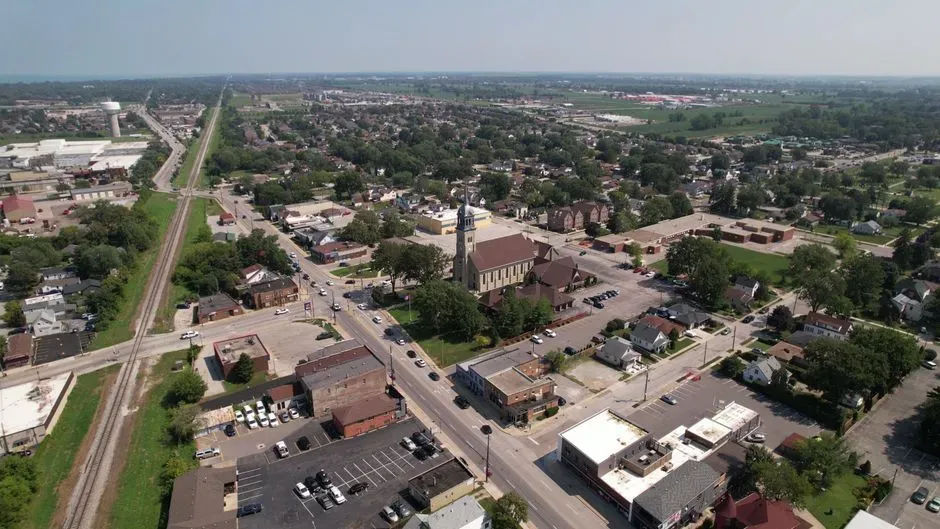
Haddonfield, Illinois, is the quiet suburb where Michael Myers returns in John Carpenter’s Halloween, released in 1978. Jamie Lee Curtis plays Laurie Strode, a teenage babysitter. Part of the film’s lasting effect comes from how ordinary the neighborhood looks.
The story is set in the Midwest, but the movie was shot in and around South Pasadena, California. The production was made on a small budget, and crews even swapped in fall leaves to suggest an Illinois October. That scrappy approach helped define independent horror.
Rock Ridge
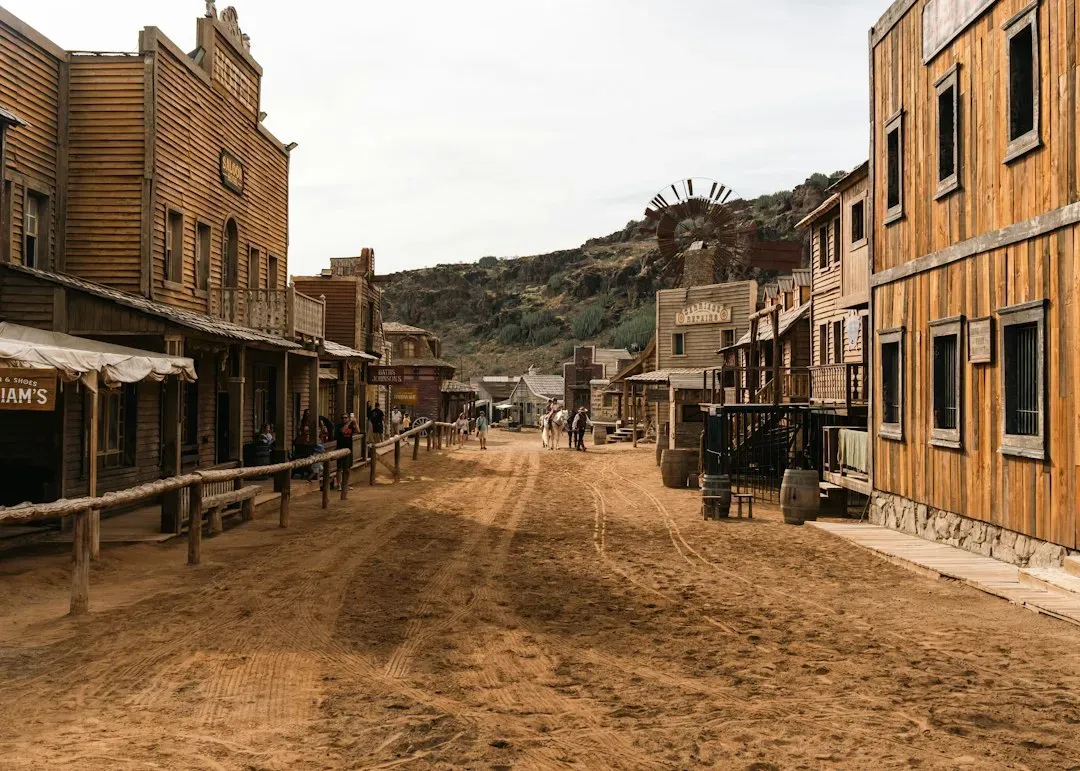
Rock Ridge is the Old West frontier town at the center of Mel Brooks’s Blazing Saddles, released in 1974. A railroad is about to run through it, and a corrupt official wants the land. To cause trouble, he appoints Bart, played by Cleavon Little, as the new sheriff.
The town works as a parody of western conventions, with a name and a look that feel familiar from dozens of classics. Its joke is that nearly every resident shares the same surname, a gag that pokes fun at genre clichés. Gene Wilder and Madeline Kahn also appear in the cast.
Santa Mira
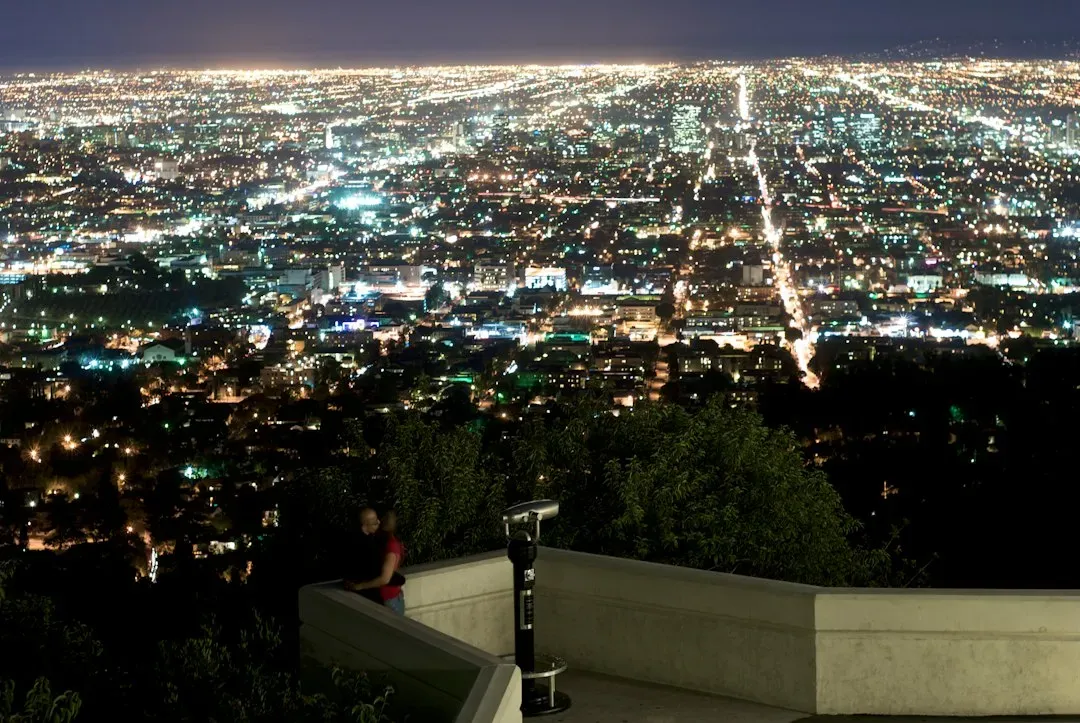
Santa Mira is the California town that slowly stops feeling like itself in Invasion of the Body Snatchers, directed by Don Siegel in 1956. Kevin McCarthy plays Dr. Miles Bennell, who notices that people insist their loved ones have been replaced. The film is often read as a Cold War allegory, though the filmmakers never settled on a single meaning.
Much of it was filmed in Sierra Madre, California, which gave the picture its small town texture. The plain, sunlit streets make the paranoia feel more unsettling. Seen today, the movie holds up as a lean thriller.
Bomont
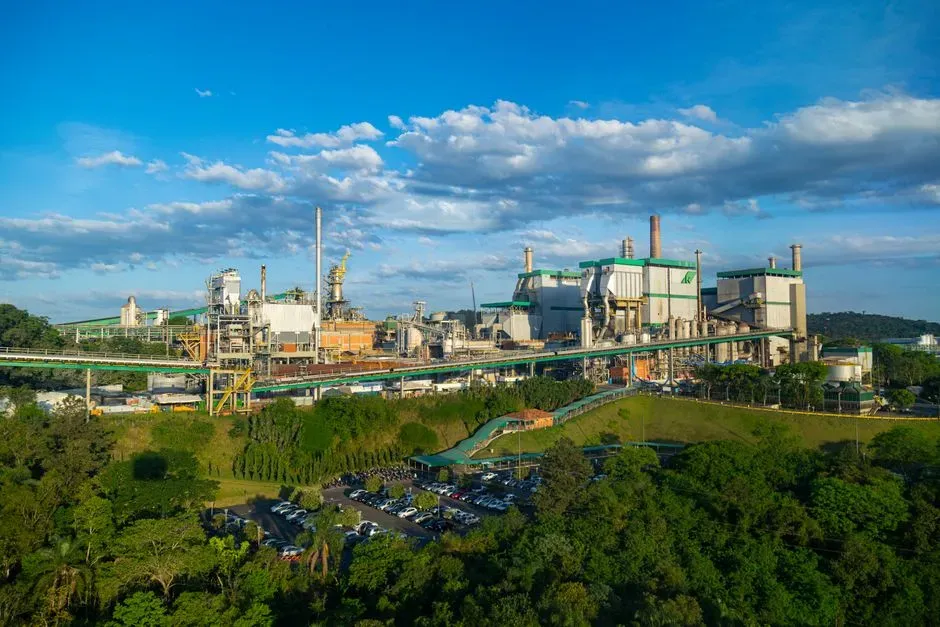
Bomont is the town where dancing is banned in Footloose, released in 1984. Kevin Bacon plays Ren McCormack, a teenager from Chicago who moves there and challenges the rule. The law is tied to a local tragedy, and the town’s minister, played by John Lithgow, is its strongest defender.
Bomont is described as being in the American heartland, but the film was shot in Utah. Locations around Lehi and Payson supplied the grain elevator and the high school settings. The story was loosely inspired by a real town in Oklahoma that had restricted dancing for decades.
Brigadoon
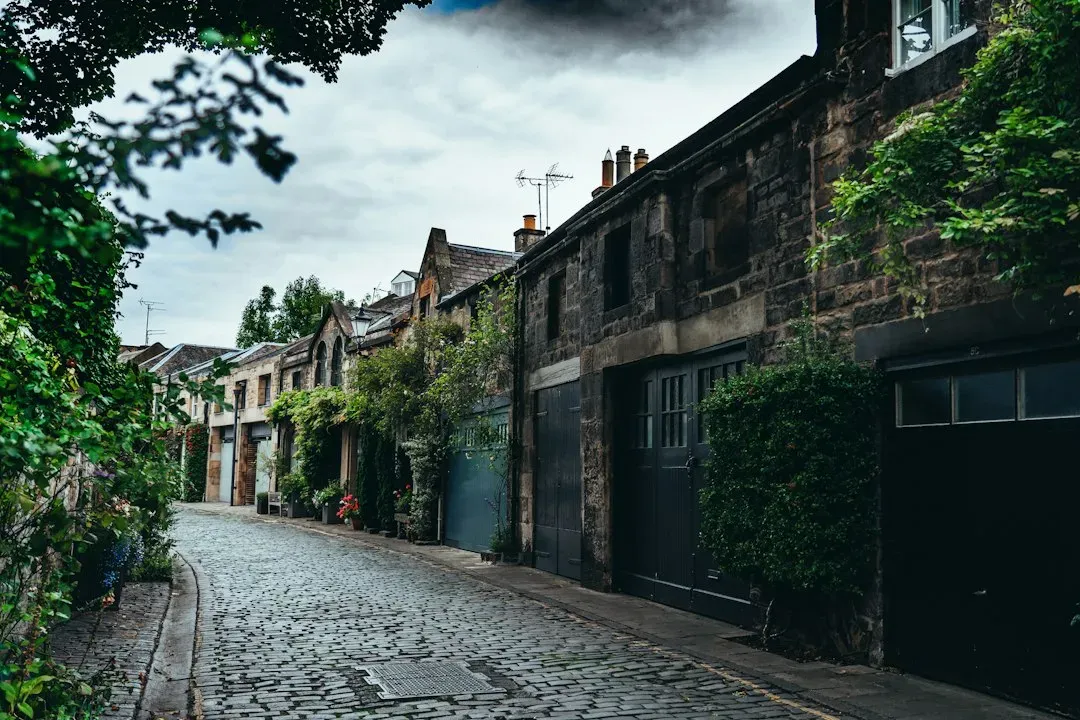
Brigadoon is a Scottish village that appears for just one day every hundred years in the 1954 musical of the same name. Gene Kelly and Van Johnson star, with Vincente Minnelli directing for MGM. Two American hikers stumble across the place and gradually realize something is strange about it.
The film was adapted from a Broadway musical by Alan Jay Lerner and Frederick Loewe. Despite its Highlands setting, it was made on studio soundstages, which gives the village a stylized, dreamlike look. That artificial quality suits a town that exists outside of time.