
Every so often, a familiar song shows up on streaming services looking almost identical to the version you grew up with, except for a small parenthetical tag next to the title. Maybe it says “Taylor’s Version.” Maybe it says “2025 Version” or “Thomas’ Version.” The music sounds nearly the same, sometimes eerily so, yet something behind the scenes has fundamentally changed. These note-for-note re-recordings are not a passing trend or a quirky one-off gimmick. They stem from a mix of legal necessity, financial strategy, personal frustration, and occasionally just an artist wanting to hear their old songs played with modern gear. Understanding why this keeps happening means understanding how little control musicians often have over their own recordings, at least until they decide to do something about it.
The masters versus the composition, a crucial legal distinction

To understand re-recordings, you first need to understand that a song is really two separate pieces of intellectual property. There is the composition, meaning the lyrics and melody, and there is the master recording, meaning the actual captured audio that plays on the radio or streams on Spotify. Artists retain the copyright in the music and the lyrics, which gives them the right to re-record the songs even when they no longer own the original recordings.
The record label typically manages the copyright for the master, while the music artist or songwriter retains the copyright for the musical composition, though this determination is not automatic and depends on the specific contract signed by the artist and the label. That split is the entire reason re-recording is legally possible in the first place. An artist cannot simply reissue their old master tapes without permission, but they can walk back into a studio and record the same songs from scratch.
Taylor Swift and the fight over her first six albums

No case has done more to put re-recordings in the public eye than Taylor Swift’s. In 2005, a then-16-year-old Taylor Swift signed a record deal with Big Machine Records, and her original contract reportedly provided that Big Machine would own the copyright in all of the master recordings of her music. That arrangement is fairly standard for young artists entering the industry, but it left Swift without any real ownership stake in her own early catalog.
On her departure from Big Machine, she wanted to buy the copyright in her master recordings, but agreeable terms couldn’t be met, and the rights were then sold, eventually landing with Shamrock Holdings. By re-recording the songs, she could create entirely new masters that belonged to her. The project rolled out over several years and became one of the most closely watched moves in modern music business history.
Reclaiming financial control over streaming and licensing revenue

Ownership of a master recording is not just a matter of pride. Whoever owns the masters controls everything about how a song is used, collecting the biggest share of streaming royalties, deciding when and where the music gets used, and having the ability to sell that right to anyone without the artist’s permission. For an artist whose old songs still get streamed millions of times a year, that control translates directly into money.
By re-recording her songs, an artist can gain financial benefits from owning the masters while also exercising greater control over the direction of the recordings. When fans switch their listening habits toward the new version, streaming revenue shifts along with them. It is a slow but effective way of redirecting income away from a former label and back toward the person who actually wrote and performed the material.
Undermining the value of masters someone else owns
There is also a more pointed strategic angle to all this. By releasing new recordings, an artist can leverage copyright law to compete directly with the original masters, effectively shifting consumer demand toward versions they own. This does not erase the old masters, but it can dramatically reduce their commercial value.
A Harvard Law School discussion of the strategy noted that no major artist had previously invested the time and energy to re-record their entire catalogue, but the new versions turned out to be major commercial and critical successes. One law professor even illustrated the point to his own class by asking students whether they listened to the originals or the re-recordings, and most picked the latter. That single classroom moment captured just how effectively a re-recording campaign can swap out listener habits.
Settling personal disputes with former bandmates or labels
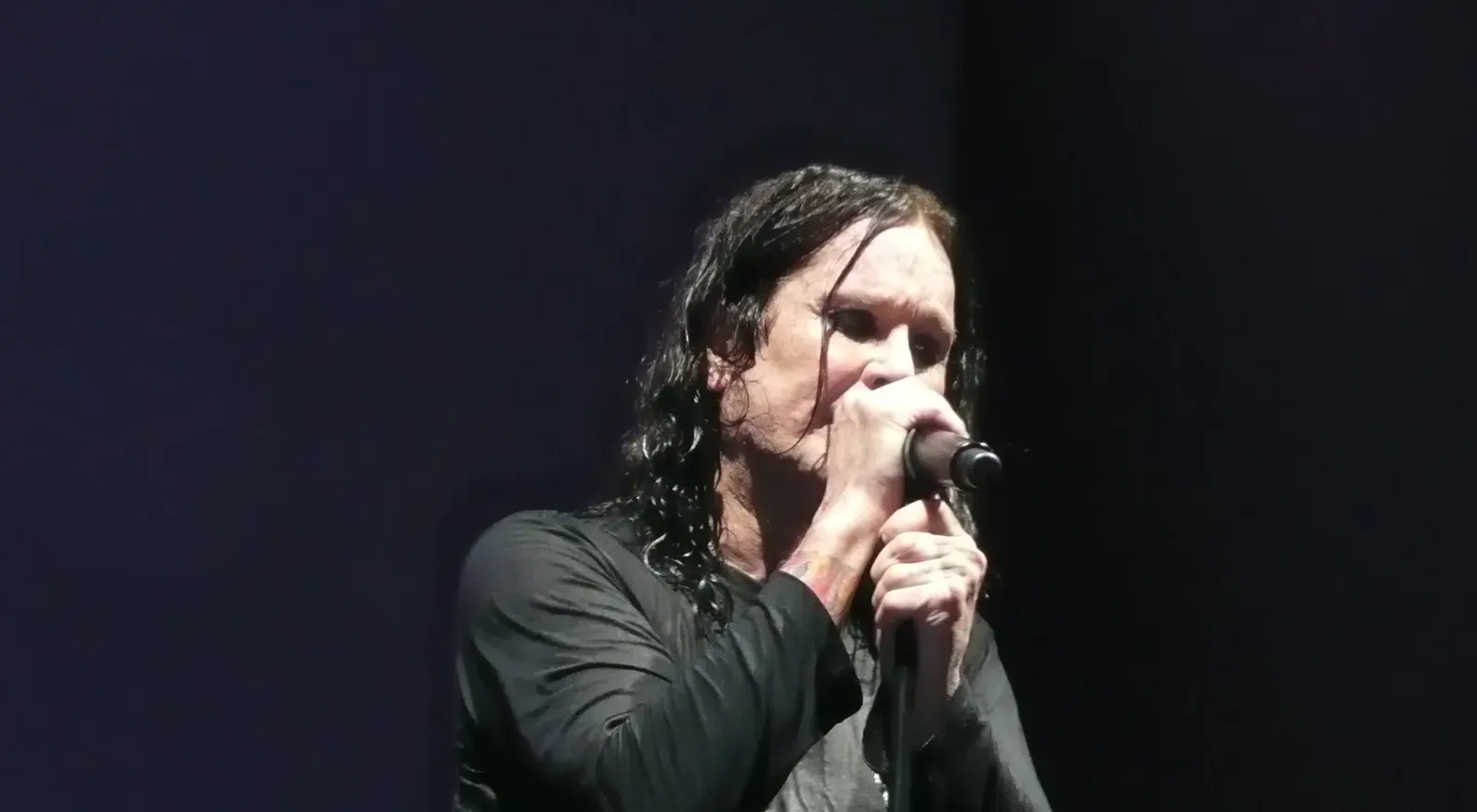
Not every re-recording is about ownership in the copyright sense. Sometimes it is about erasing a person from the credits entirely. Ozzy Osbourne’s camp did exactly this with his early solo albums, Blizzard of Ozz and Diary of a Madman, after former bandmates Bob Daisley and Lee Kerslake sued over unpaid royalties.
The re-issue featured re-recorded bass and drum tracks contributed by Osbourne’s then-bassist and drummer Robert Trujillo and Mike Bordin, a move suspected of being retaliatory as Daisley and Kerslake were engaged in litigation against Osbourne and his wife and manager Sharon. Sharon Osbourne later explained the reasoning bluntly, saying Ozzy wanted to remove them from these recordings because of Daisley and Kerslake’s abusive and unjust behavior, and that the change turned a negative into a positive by adding a fresh sound to the original albums. Fans were far less charitable, and years later the label quietly restored the original mixes for anniversary reissues.
Celebrating anniversaries and reintroducing a catalog

Sometimes the motive is simpler and warmer, tied to a milestone rather than a grievance. Bryan Adams released a pair of albums titled Classic and Classic Pt. II, containing re-recorded versions of songs including “Summer of ’69,” “Heaven,” “Run to You,” and “Please Forgive Me.” British group Simply Red did something similar for their fortieth anniversary.
Simply Red’s album Recollections, released in November 2025, features forty new recordings of previously released songs in commemoration of the band’s forty-year anniversary. German pop duo Modern Talking’s frontman Thomas Anders took an even more ambitious approach. At the end of 2024, to celebrate the band’s fortieth anniversary, he announced a re-recording of the band’s first six albums in 2025.
Modernizing production for contemporary listening habits

Older recordings, especially anything captured on analog tape decades ago, often sound thin or dated on modern streaming setups and phone speakers. A cleaner, punchier re-recording can bridge that gap without requiring a full remix from original session tapes, which may be lost, damaged, or simply unavailable. This is part of why some artists frame these projects as sonic updates rather than purely legal or financial maneuvers.
Critics have noted this pattern across several recent re-recording projects. One common denominator in the re-recording process is cleaner production and generally less edge, something audible on later re-recorded albums where the most bombastic moments have mellowed out. Not every fan welcomes that shift, since a slicker mix can sand down the rough charm that made the original recording distinctive in the first place.
Inspiring imitators across genres
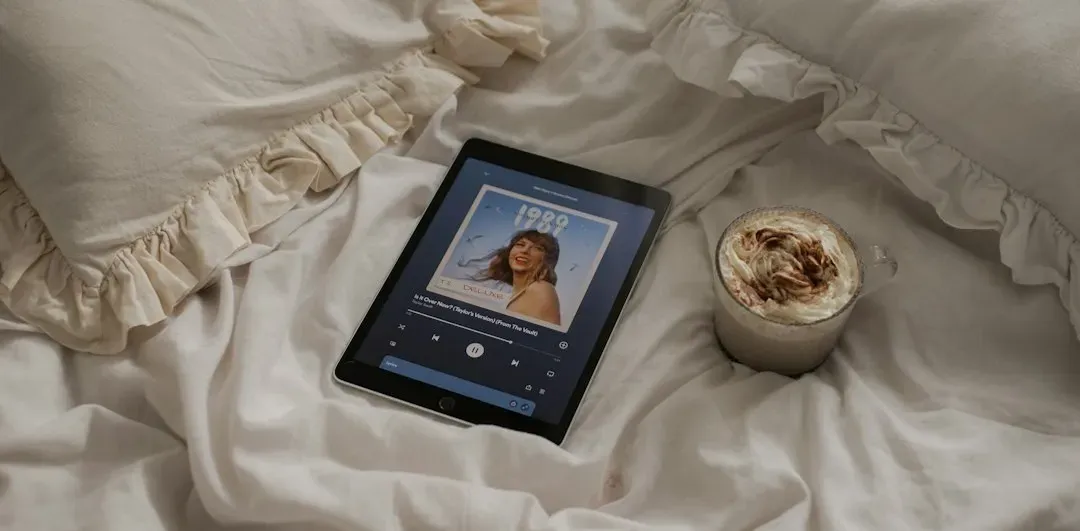
Swift’s success did not go unnoticed by other musicians facing similar master rights disputes. Rock band Five Finger Death Punch and pop-punk act All Time Low both released their own re-recorded tracks in recent years, following a wave that Swift’s campaign helped popularize. Artists re-record for a variety of reasons, including using the process as a method to create new masters for their songs, a tactic that has spread well beyond the pop mainstream.
The results have been mixed. One review pointed out that most of these newer re-recordings kept the same tracks but stripped away the grittier mix of groove and nu metal that originally made certain bands popular, leaving songs sounding noticeably hollowed out. The lesson seems to be that copying Swift’s legal strategy is straightforward, but replicating her ear for what made the originals work is a different challenge entirely.
Reshaping how record labels write future contracts

The ripple effects of these high-profile re-recording campaigns have reached well beyond the artists directly involved. Labels have started paying closer attention to what re-recording clauses they include in new contracts, since a successful re-recording campaign can meaningfully erode the value of a catalog they paid to acquire. Music studios have begun scrutinizing artist contracts more closely to prevent re-recordings that could be detrimental to their bottom line.
At the same time, the negotiating leverage has shifted somewhat in artists’ favor, particularly for established names. If an executive at a major label is trying to sign a top act, the ownership of masters is now something worth offering upfront, since labels want to hold onto everything they can monetize but that option is now on the table, and bigger artists may start asking for it during contract negotiations. Whether this becomes standard practice industry-wide or stays limited to a handful of superstar cases remains to be seen.
Not every re-recording is welcomed by fans

Despite the commercial success of several high-profile projects, plenty of listeners remain skeptical of the whole concept. Purists often argue that a re-recorded track, no matter how technically accurate, cannot fully replicate the specific studio conditions, mixing choices, and even performer age and voice that shaped the original recording. Small details in phrasing, tone, or instrument tone can end up feeling slightly off to longtime fans who know the original recording intimately.
One music writer summed up the divide well, arguing that many artists’ attempts at this style didn’t learn the nuances of what made Taylor’s Version mostly work, even when they clearly had similar good intentions. That gap between technical accuracy and emotional accuracy seems to be where most re-recording projects ultimately succeed or stumble.
The takeaway for artists and fans alike