Somewhere in a casting office, a headshot gets tucked into a drawer instead of the trash. Nobody tells the actor this happens, and most never find out until years later when a phone call arrives out of nowhere. Hollywood likes to sell the audition process as a single afternoon of nerves and a callback sheet, but the real story is often slower and stranger than that.
Some of the industry’s most memorable roles came not from a quick yes, but from a director or casting director quietly filing an actor away for later. What follows are documented cases where the wait between a first read and a final offer stretched across years, sometimes because of scheduling, sometimes because of stubbornness, and sometimes because someone simply refused to forget a face.
Timothy Dalton and the Bond role that waited seventeen years
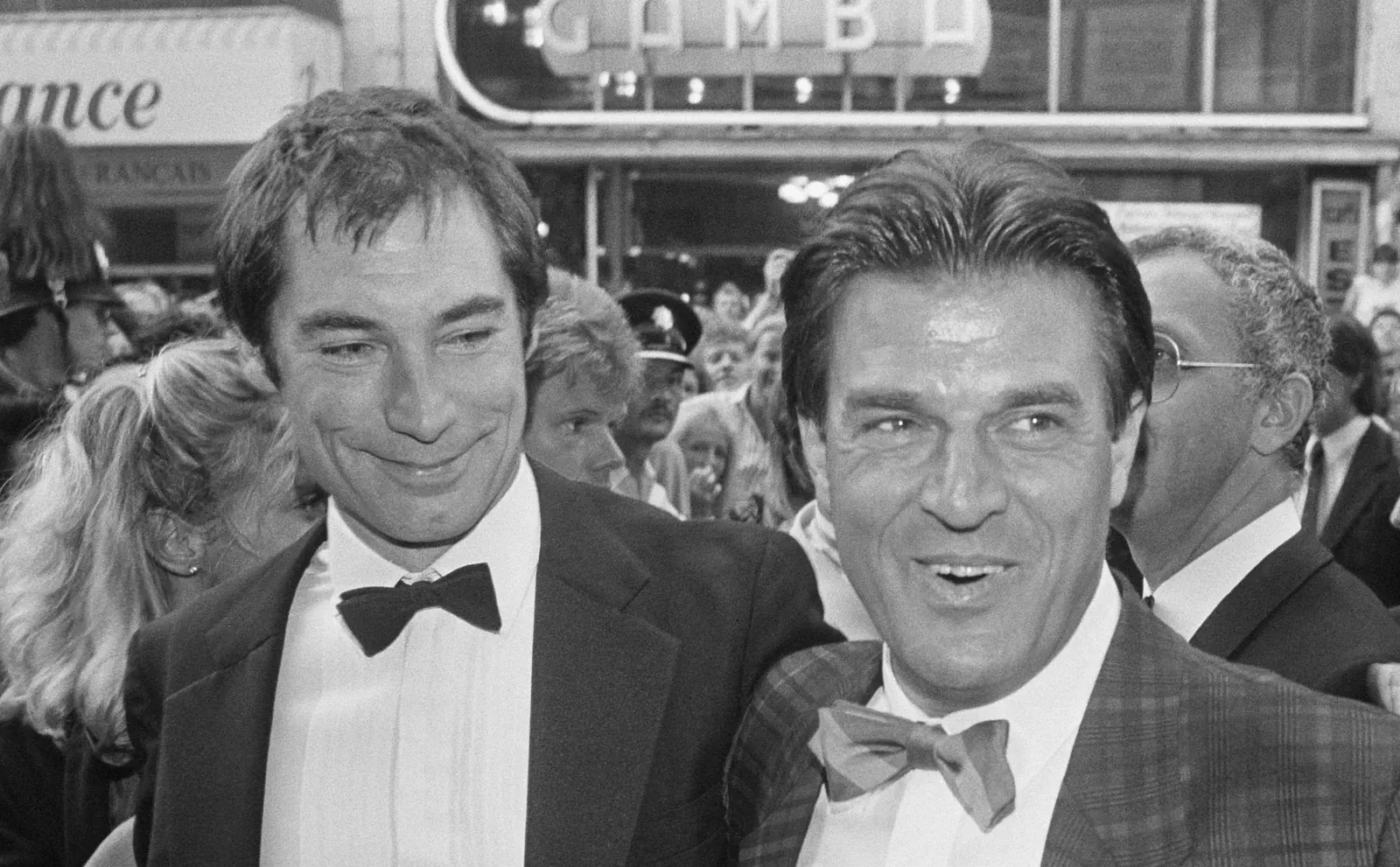
Long before Timothy Dalton ever wore the tuxedo, producers were already circling him for James Bond. He was considered for the role between 1969 and 1972 but thought himself too young and did not wish to follow Sean Connery. That should have been the end of it.
Instead, the producers came back again. He declined the role again in 1979, before finally being cast in 1986. Few casting sagas in film history stretch that long, and Dalton’s eventual arrival in The Living Daylights proved the studio had been right to keep asking.
Chadwick Boseman’s road from a rejected audition to Wakanda
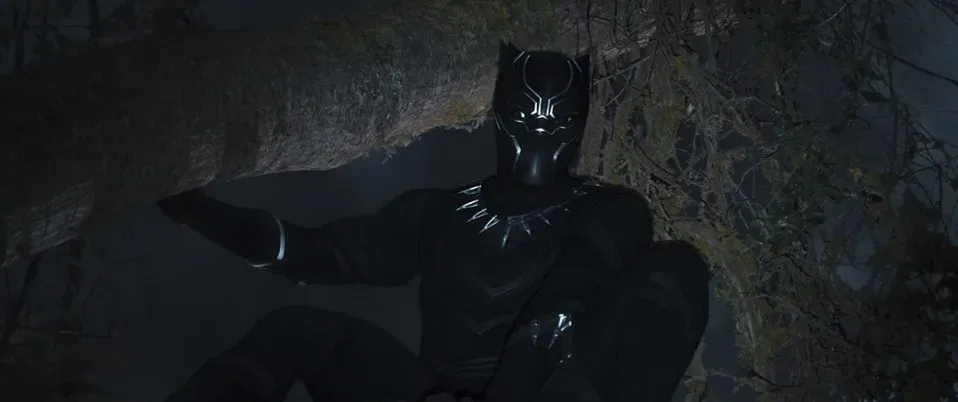
Before Chadwick Boseman became T’Challa, Marvel had already turned him down once. On “The Tonight Show Starring Jimmy Fallon,” Boseman revealed that he originally auditioned for the role of Drax the Destroyer. That part went to Dave Bautista in Guardians of the Galaxy.
The award-winning actor mentioned that he initially didn’t think he would get the part anyway, and while his prediction came true, the attempt was a great entryway for him to make Marvel history. Casting director Sarah Finn apparently kept the audition in mind, and years later Boseman returned to the same universe as its most famous king.
Heath Ledger and the villain Christopher Nolan waited to offer him
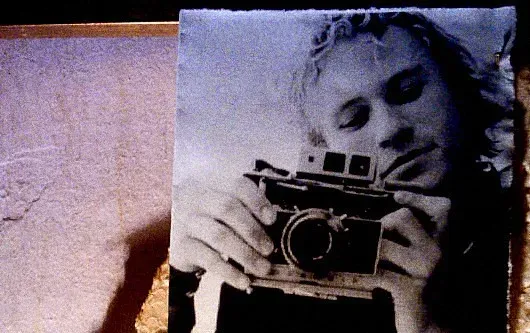
Christopher Nolan’s relationship with Heath Ledger did not begin with the Joker. The two had crossed paths earlier in Nolan’s career, and the director simply did not let the connection go cold. Nolan did not forget about Ledger, and approached him again a few years later, resulting in one of the best performances ever in a superhero movie.
That patience paid off in a way few could have predicted. Ledger’s performance in The Dark Knight became one of the most celebrated villain turns in modern cinema, built on a working relationship that had quietly been years in the making rather than a single successful reading.
Eddie Redmayne’s failed Harry Potter audition and the return years later
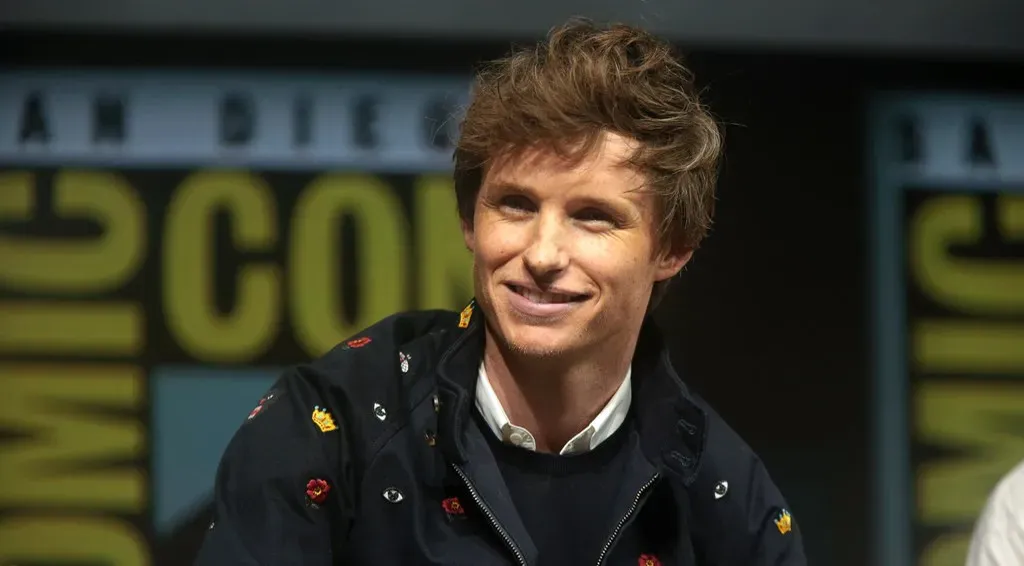
Eddie Redmayne’s history with the wizarding world started with a rejection so complete he did not even get a callback. Redmayne told Empire he auditioned for the part of Tom Riddle while in college, but “properly failed and didn’t get a callback.”
Most actors would have written off the franchise entirely after that kind of miss. Years later his dream of being in a Harry Potter movie came true, when he was cast as Newt Scamander in the Fantastic Beasts spinoff series, proving that one bad audition rarely closes a door for good in an extended cinematic universe.
Maris Valainis and the long climb to Hoosiers
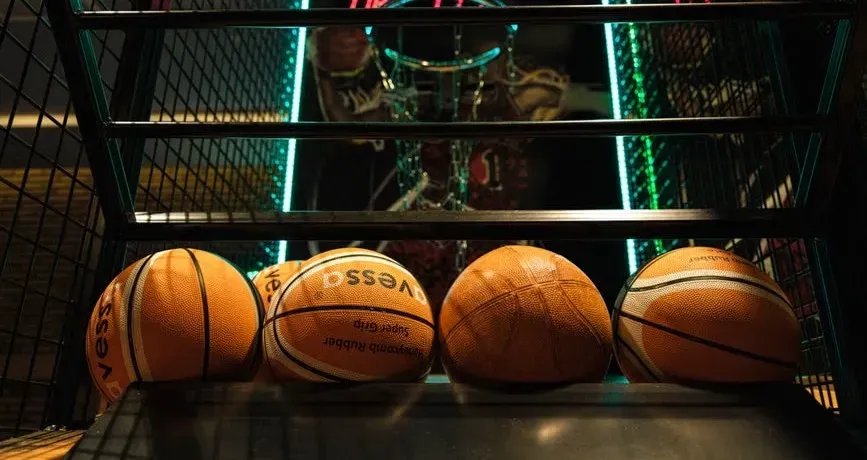
Not every long casting road involves a global franchise. Maris Valainis, a virtual unknown before Hoosiers, had already failed at something else entirely before he even got near a film set. Although Valainis had been cut each of the three times he tried out for his high school basketball team, he impressed the filmmakers enough that he was invited back the next day to read lines.
The process did not stop there. After several rounds of callbacks, he landed the part of star player Jimmy Chitwood, and of the eight actors cast as team members, Valainis was one of only two who had never played high school basketball. It is a reminder that persistence sometimes matters more than a resume.
Sebastian Stan’s detour from Captain America to Bucky Barnes
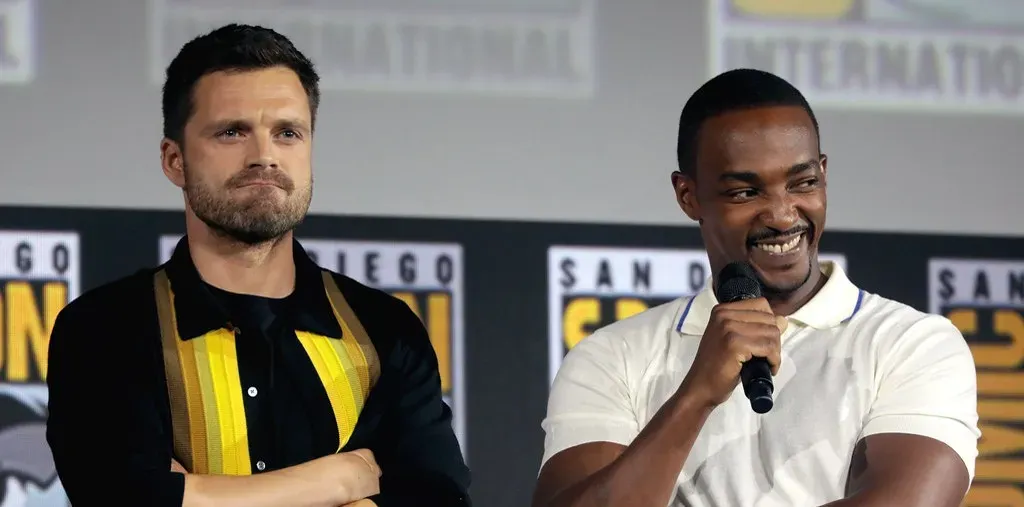
Sebastian Stan walked into his Marvel audition wanting the shield, not the metal arm. He originally auditioned for Captain America but was told he was not “right for the part,” with the role going to Chris Evans and Stan ultimately landing Bucky Barnes instead.
What began as a consolation prize turned into one of the more layered arcs in the Marvel Cinematic Universe. Stan has since said the outcome worked out in his favor, since Bucky’s tragic, decades spanning story gave him far more to work with than a straightforward hero ever would have.
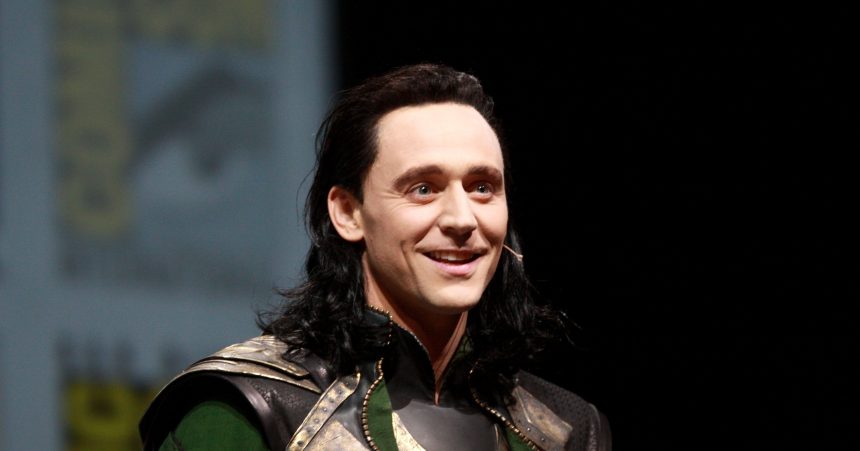
Tom Hiddleston’s Thor tryout that became Loki instead
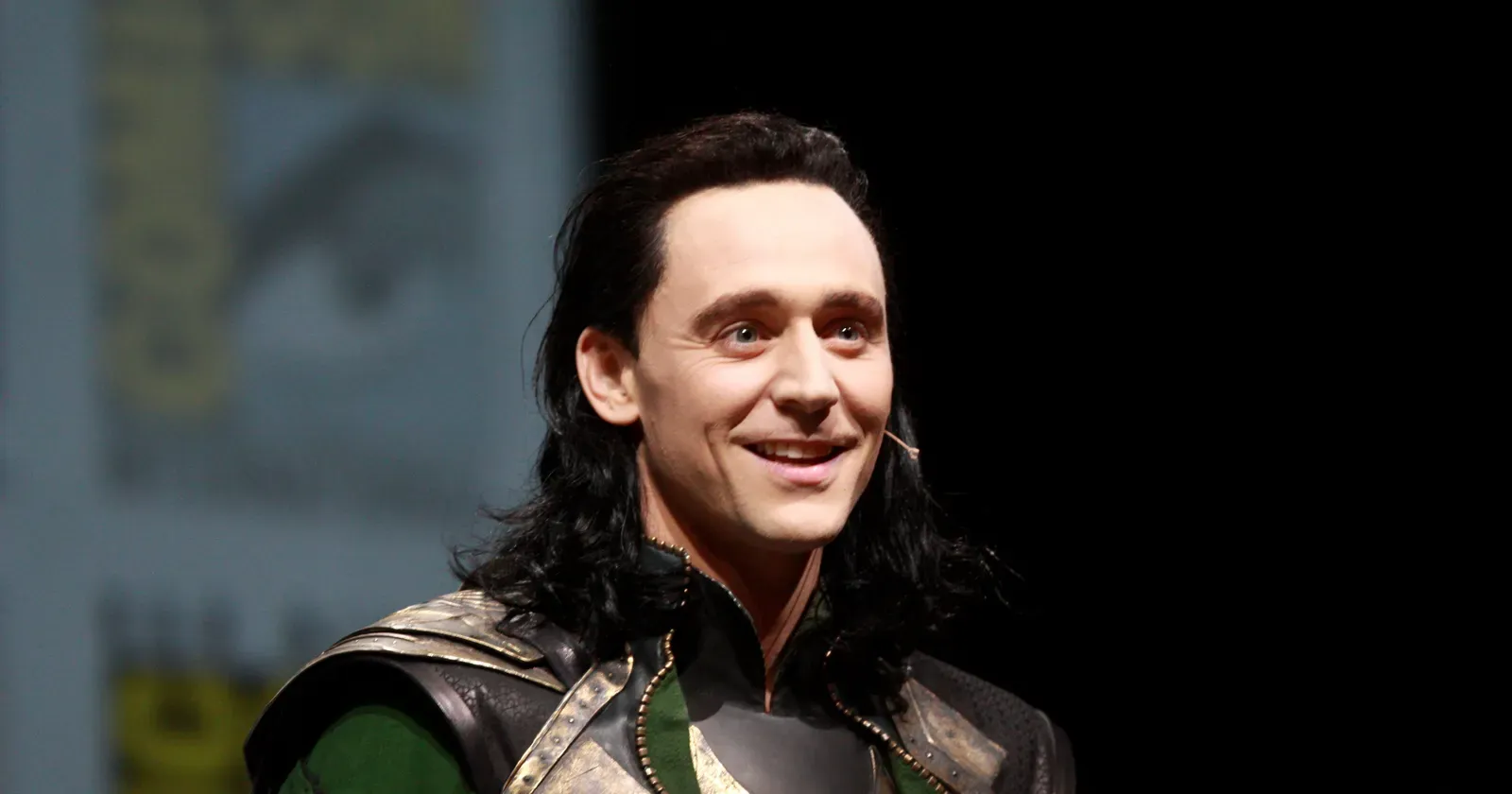
Tom Hiddleston prepared seriously for a role he never got. He trained physically and filmed a hammer wielding screen test for the title role in Thor, fully expecting to be in the running for the god of thunder himself.
The fit was not quite right, and Marvel saw something different in him. He was offered Loki instead, a part that let him lean into a sharper, more theatrical register drawn from his Shakespearean training, and one that eventually grew into its own solo series years after the initial audition.
John Krasinski’s push to trade Dwight for Jim
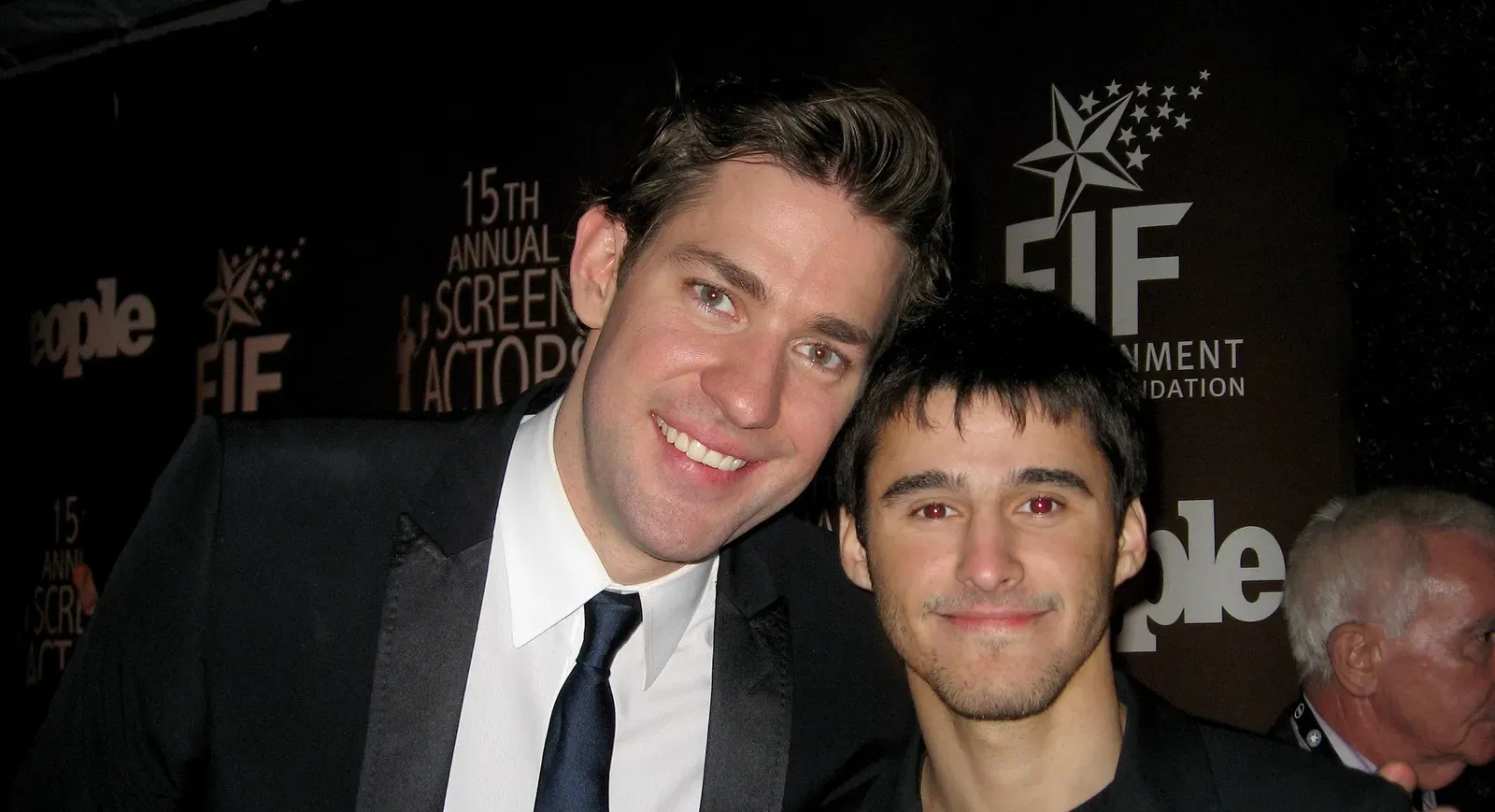
When John Krasinski first showed up to audition for The Office, casting steered him toward the show’s oddball beet farmer rather than its future leading man. He was steered toward reading for Dwight Schrute, but Dwight’s beet farming oddball energy didn’t fit him, since Krasinski wanted to be Jim, the laid back, camera smirking underdog.
Rather than accept the part he was handed, he pushed to be seen for the role he actually wanted. Producers agreed, and the rest is sitcom history, as Krasinski became half of TV’s favorite will they won’t they couple. It shows that sometimes the wait is not about years passing but about an actor simply asking the right people to look again.
Why casting directors remember faces long after the room empties

Industry professionals often point out that a callback is far more meaningful than it looks from the outside. A callback is a positive signal: you passed early barriers such as material, look, and basic fit, and the casting team wants to see more. That signal does not necessarily expire once the specific role is filled.
Casting directors work across many productions over the years, and a strong reading tends to stick in memory long after the original project has wrapped. Many actors land roles months or even years after a great callback because casting professionals remember them. That single fact explains almost every story above, and it is probably why so many actors are told to treat every audition as a first impression rather than a one time shot.
The takeaway for actors still waiting on the phone to ring

The stories above share a common thread that has nothing to do with luck. Dalton, Boseman, Ledger, Redmayne, Valainis, Stan, Hiddleston, and Krasinski all walked into rooms, did not get an immediate yes, and stayed in the business long enough for someone to circle back.
For every actor sitting by a silent phone right now, the lesson is less about magic and more about math. A missed role today does not erase the impression left behind, and in an industry built on long memories, a closed door has a way of reopening when nobody expects it.