Music has a way of capturing a moment in time better than any history book. Certain records did more than sell copies. They shaped how Americans thought about race, war, love, and identity, and their influence still echoes through playlists and radio stations today.
Picking just ten is a nearly impossible task, but these albums stand out for how deeply they’ve woven themselves into the fabric of American culture. Each one tells a story that goes beyond the music itself.
1. Marvin Gaye, What’s Going On (1971)
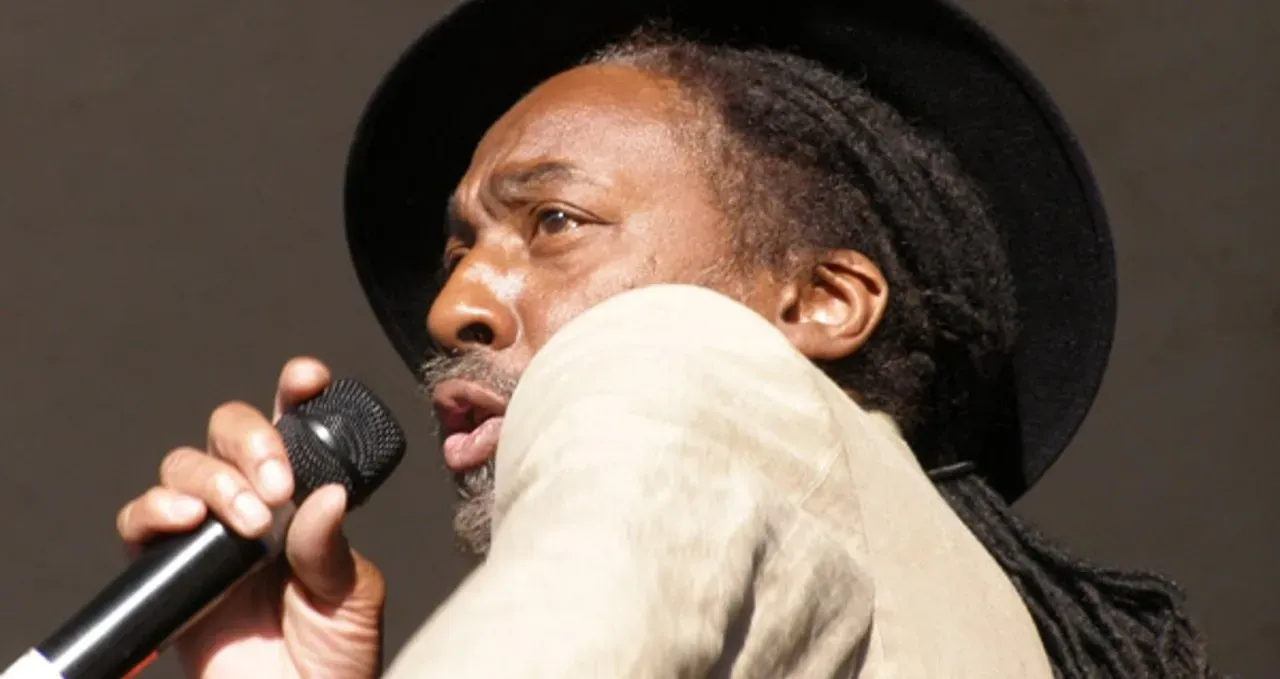
Marvin Gaye recorded this album during a period of personal grief and national unrest, and it shows in every track. Instead of the polished Motown sound he was known for, Gaye delivered a loosely connected suite of songs addressing poverty, police brutality, and the Vietnam War. The title track alone became an anthem for a generation questioning authority.
Rolling Stone has repeatedly ranked it among the greatest albums ever made, and its influence stretches into modern R&B and hip hop. Artists like Kendrick Lamar have cited it as a blueprint for socially conscious songwriting. More than fifty years later, its themes of injustice and disillusionment still feel uncomfortably current.
2. Bob Dylan, Highway 61 Revisited (1965)
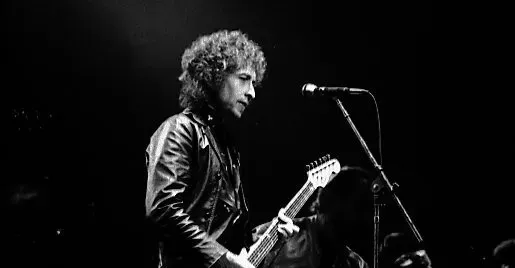
Bob Dylan plugged in an electric guitar for this record and alienated folk purists while simultaneously reinventing American rock music. “Like a Rolling Stone,” the album’s opening track, ran over six minutes long at a time when radio hits rarely exceeded three, and it became a hit anyway. The song’s structure and lyrical density changed what people expected from popular music.
Dylan’s willingness to abandon expectations mid-career set a precedent that countless musicians have followed since. The album captured a restless, questioning America in the mid-1960s, right as the country was grappling with civil rights struggles and growing skepticism toward institutions. It remains a staple in college music courses precisely because of how it merged poetry with rock instrumentation.
3. Nirvana, Nevermind (1991)

Nirvana’s second album arrived almost by accident as a commercial phenomenon, dethroning Michael Jackson from the top of the Billboard charts within months of release. “Smells Like Teen Spirit” gave voice to a generation of young Americans who felt disconnected from the polished pop and glam metal dominating the airwaves. The raw production and Kurt Cobain’s conflicted lyrics resonated with listeners tired of manufactured sincerity.
The album effectively ended the commercial dominance of hair metal overnight and pushed grunge and alternative rock into the mainstream. Seattle became a cultural epicenter almost overnight, and major labels scrambled to sign anything resembling the Pacific Northwest sound. Even decades later, Nevermind is frequently cited in discussions about authenticity in music and the burden of unexpected fame.
4. Fleetwood Mac, Rumours (1977)
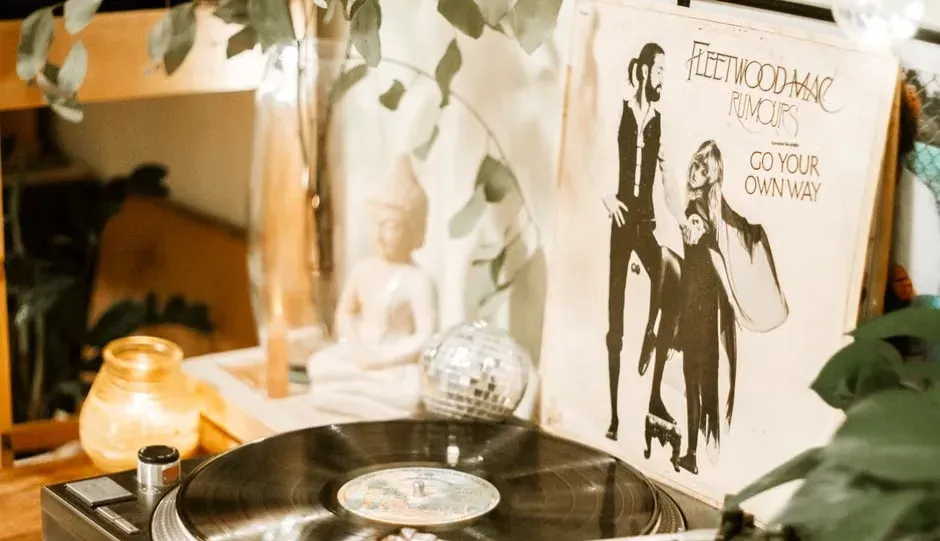
Recorded while the band members were navigating breakups, affairs, and substance struggles within the group itself, Rumours turned personal turmoil into one of the best-selling albums in American history. Songs like “Go Your Own Way” and “Dreams” carried raw emotional honesty wrapped in polished pop production. The tension between band members practically bleeds through the speakers.
The album has sold over forty million copies worldwide and continues to introduce itself to new generations through streaming platforms and social media trends. Its resurgence on TikTok in recent years, sparked partly by a viral video featuring “Dreams,” introduced the record to listeners born decades after its release. Few albums demonstrate as clearly how personal pain can translate into universally relatable art.
5. Kendrick Lamar, To Pimp a Butterfly (2015)
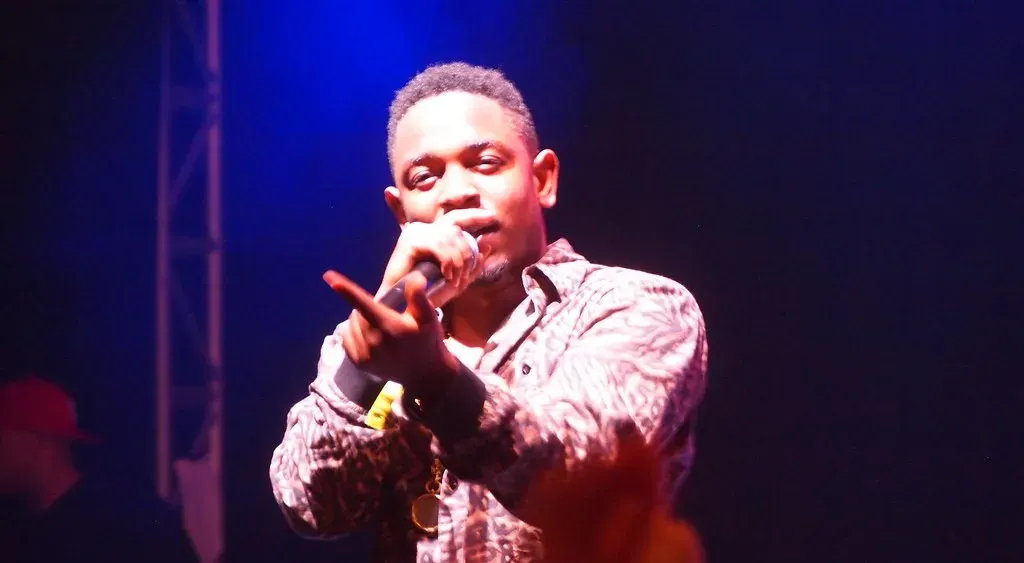
Kendrick Lamar blended jazz, funk, and spoken word into a dense, ambitious statement about Black identity, systemic racism, and self-worth in modern America. The album’s release coincided with heightened national attention on police violence against Black Americans, and the track “Alright” became an unofficial anthem chanted at protests. Its musical complexity drew comparisons to jazz greats rather than typical hip hop production.
Critics widely consider it one of the defining albums of the 2010s, and it won a Grammy for Best Rap Album. The record’s willingness to sit with discomfort rather than offer easy resolutions set it apart from more commercially safe releases. Nearly a decade later, its themes around mental health, fame, and racial trauma continue to resonate strongly with listeners.
6. Johnny Cash, At Folsom Prison (1968)
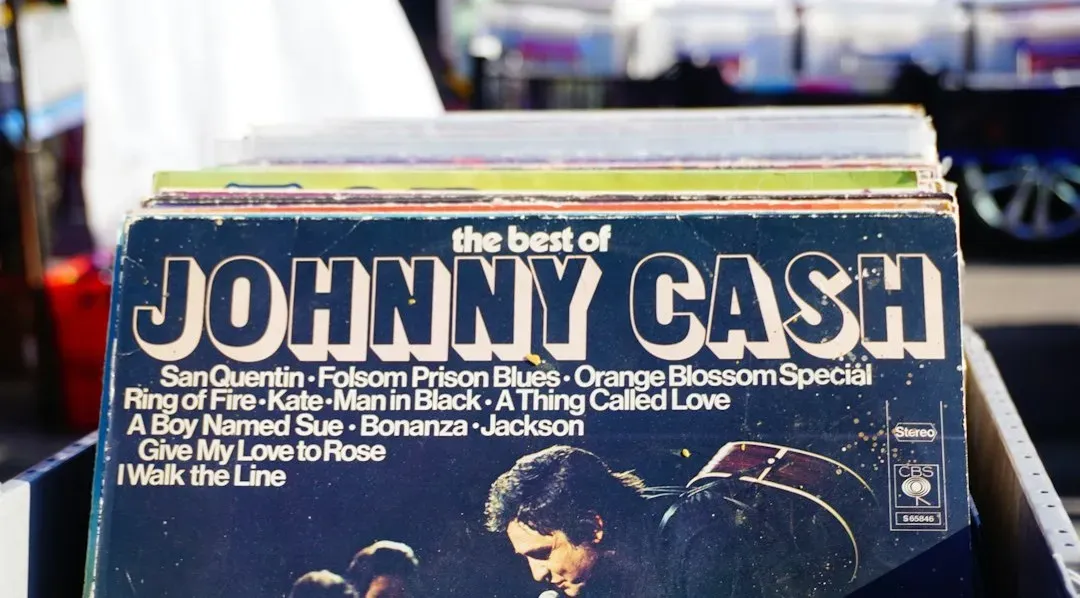
Recorded live inside an actual maximum-security prison, this album captured Johnny Cash connecting directly with an audience most musicians would never consider performing for. The raw energy of the inmates cheering during songs about crime, punishment, and redemption gave the record an authenticity studio albums rarely achieve. Cash’s baritone voice and stripped-down band brought country music into conversation with themes of justice and second chances.
The album revived Cash’s career at a point when it had stalled, and it introduced country music to audiences who previously dismissed the genre as unsophisticated. It remains a touchstone for how empathy and performance can intersect, particularly given Cash’s advocacy for prison reform in later years. Few live albums manage to feel as immediate and unscripted as this one still does.
7. Prince, Purple Rain (1984)
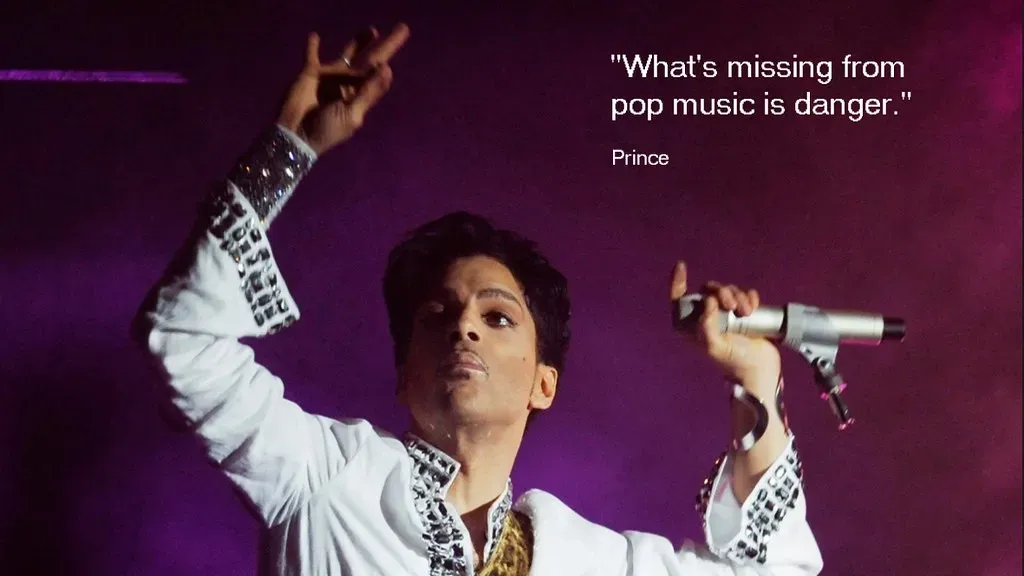
Serving as the soundtrack to his semi-autobiographical film of the same name, Purple Rain showcased Prince’s ability to blend rock, funk, pop, and R&B into something entirely his own. The title track’s guitar solo and emotional swell became one of the most recognizable moments in American music. Prince wrote, produced, and largely performed the album himself, a rarity for an artist working at that commercial scale.
The album spent twenty-four weeks at number one on the Billboard 200 chart and won an Academy Award for Best Original Song Score. It broke down genre barriers in an era when radio formats were still fairly rigid about separating Black and white audiences. Prince’s flamboyant persona and musical versatility opened doors for artists who refused to be boxed into a single category.
8. The Beach Boys, Pet Sounds (1966)
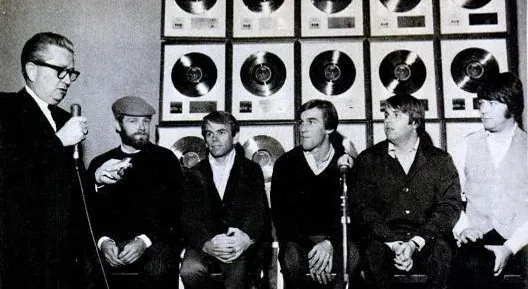
Brian Wilson’s studio experimentation on Pet Sounds pushed pop music into territory it had never explored, layering unconventional instruments like bicycle bells and dog whistles alongside lush vocal harmonies. The album moved away from the surf rock formula that made the Beach Boys famous and toward something more introspective and orchestral. Songs like “God Only Knows” revealed a vulnerability rarely heard in mainstream pop at the time.
Paul McCartney has publicly credited Pet Sounds as a direct influence on the Beatles’ Sgt. Pepper’s Lonely Hearts Club Band, cementing its place in music history as a turning point for album-oriented rock. It proved that pop albums could function as unified artistic statements rather than collections of singles padded with filler. That idea reshaped how the recording industry approached albums for decades afterward.
9. Lauryn Hill, The Miseducation of Lauryn Hill (1998)
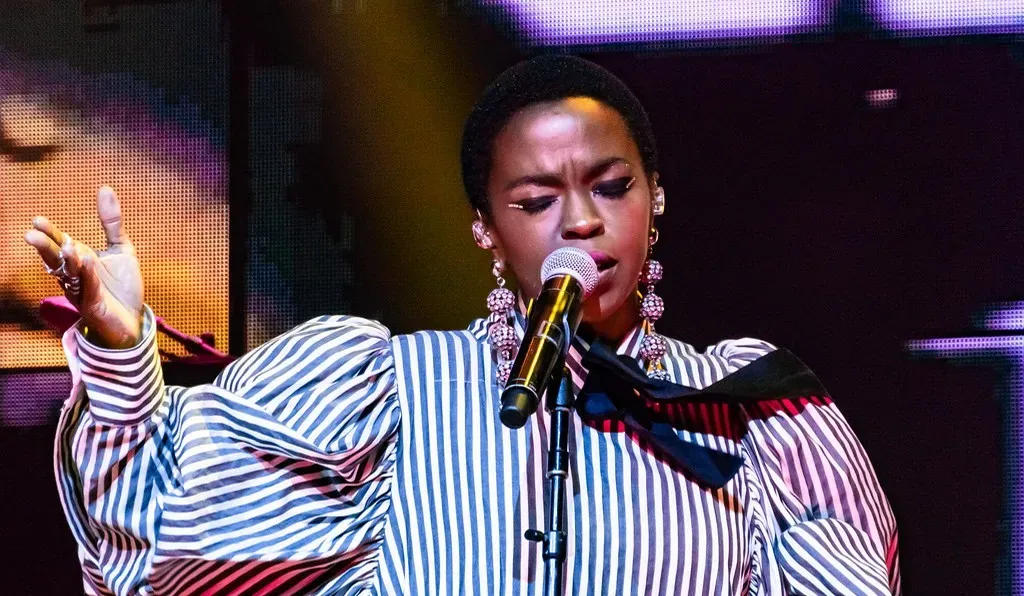
Lauryn Hill’s only solo studio album fused hip hop, soul, and reggae into a deeply personal exploration of love, motherhood, and faith. It became the first hip hop album to win the Grammy for Album of the Year, a milestone that signaled hip hop’s growing acceptance within mainstream award institutions. Tracks like “Doo Wop (That Thing)” balanced sharp social commentary with irresistible melodies.
The album has sold millions of copies and remains frequently cited by younger artists as foundational to their own sound. Its blend of vulnerability and confidence gave listeners, particularly Black women, a rare mainstream reflection of their own complexity. Decades later, Hill’s decision to release only one solo album has only added to the record’s mystique and staying power.
10. Bruce Springsteen, Born in the U.S.A. (1984)
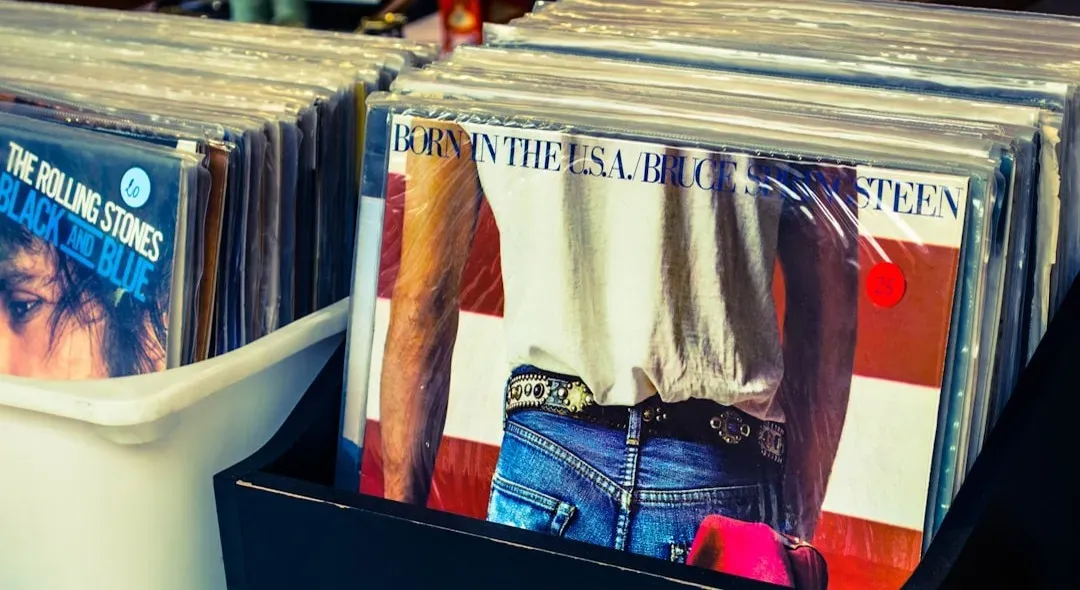
Bruce Springsteen’s most commercially successful album is also one of its most misunderstood, with the title track often mistaken for a patriotic anthem rather than the critique of how America treated Vietnam veterans that it actually is. The record produced seven top-ten singles, a rare feat that reflected its broad appeal across different radio formats. Springsteen’s blue-collar storytelling connected with working-class Americans navigating a changing economy in the 1980s.
The album sold over thirty million copies worldwide and remains a staple at American sporting events and political rallies, often stripped of its original context. Its lasting popularity says as much about the country’s relationship with complicated patriotism as it does about Springsteen’s songwriting. Few albums illustrate as clearly how a song’s meaning can shift once it enters the public imagination.
These ten records span jazz-inflected hip hop, raw folk rock, heartland anthems, and studio experimentation that changed pop music forever. Together they trace a rough outline of American life across six decades, filtered through voices that refused to stay quiet about what they saw around them.