A big reputation doesn’t need a big spine. Some of the most discussed books in English and world literature can be finished in a single evening or a long train ride.
Page counts shift with edition, font and trim size, so the figures below are approximate. What stays fixed is how much these short works have carried through classrooms, film adaptations and decades of argument.
The Great Gatsby by F. Scott Fitzgerald

Published in 1925, Gatsby usually runs to about 180 pages in common paperback editions. Its sales were modest when it first appeared, and Fitzgerald died in 1940 believing it had largely failed.
Its reputation grew in the years after the Second World War, and it became a fixture of American school reading lists. In the United States it entered the public domain in 2021, which opened the door to a wave of new editions and adaptations.
Animal Farm by George Orwell
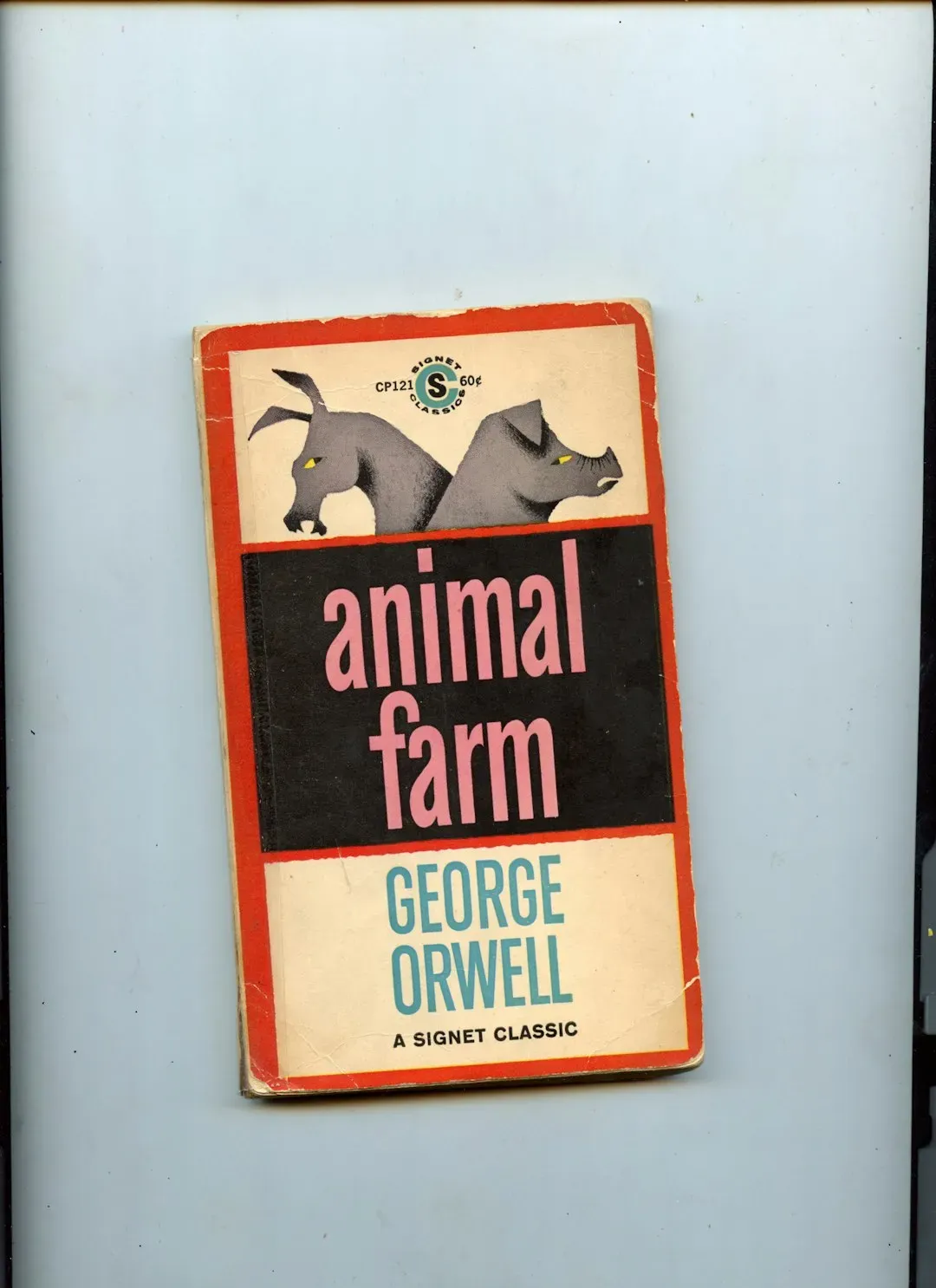
Orwell’s fable appeared in 1945 and is often printed at around 100 to 140 pages. Several publishers turned it down at first, in part because of its satire of the Soviet Union, which was a wartime ally of Britain.
The story uses farm animals to trace how a revolution can slide into tyranny. In 1996 it received a Retro Hugo Award, a sign that its reach goes well beyond political readers.
Of Mice and Men by John Steinbeck

Steinbeck’s 1937 novella follows two migrant farm workers in California during the Great Depression. Most editions come in at roughly 100 to 120 pages, and the structure is tight enough that he conceived it with the stage in mind.
It was adapted for Broadway soon after publication and has been filmed more than once. It also remains one of the books most frequently challenged in American schools, which keeps it in public conversation.
The Old Man and the Sea by Ernest Hemingway

This 1952 novella is about an aging Cuban fisherman and one enormous marlin, and it runs to about 120 to 130 pages. It won the Pulitzer Prize for Fiction in 1953.
When Hemingway received the Nobel Prize in Literature in 1954, the Swedish Academy cited his mastery of narrative art, with this book named among the reasons. Its plain sentences have made it a common model for students learning to write.
Heart of Darkness by Joseph Conrad

Conrad’s story first appeared in serial form in Blackwood’s Magazine in 1899 and later in book form. Editions generally run about 100 pages, and the plot follows a river journey into the Congo.
Its standing has never been simple. Chinua Achebe’s well known 1975 lecture criticized its portrayal of Africans, and that debate is now taught alongside the text. The book also inspired the 1979 film Apocalypse Now, which moved the setting to the Vietnam War.
The Metamorphosis by Franz Kafka

Kafka’s story was published in 1915 and is short enough that many editions give it fewer than 100 pages. A traveling salesman wakes up transformed into a giant insect, and the narrative focuses on how his family reacts.
Kafka reportedly asked that the insect not be drawn on the cover, leaving the creature to the reader’s imagination. The word Kafkaesque has since entered everyday English to describe bewildering, oppressive situations.
The Stranger by Albert Camus

First published in French in 1942, The Stranger usually fills about 120 to 130 pages in English. It follows Meursault, a detached clerk in French Algeria, through a killing and its aftermath.
The novel is a central text of French existentialist and absurdist thought. Camus received the Nobel Prize in Literature in 1957, and the book remains one of the most widely read French novels worldwide.
Siddhartha by Hermann Hesse

Hesse published Siddhartha in German in 1922, and English editions generally run around 120 to 150 pages. The story follows a young man searching for spiritual understanding in ancient India.
Hesse won the Nobel Prize in Literature in 1946. The novel found a huge new readership in the 1960s counterculture, and it still sells steadily to readers curious about philosophy.
Breakfast at Tiffany’s by Truman Capote

Capote’s novella came out in 1958 and typically takes up roughly 100 to 150 pages, depending on whether short stories are bundled in. It centers on Holly Golightly, a young socialite in New York City, as recalled by a neighbor.
The 1961 film starring Audrey Hepburn made the title famous to a far wider audience. The film softened much of the book’s tone, so readers often find the original sharper and sadder.
Candide by Voltaire

Voltaire published Candide in 1759, and most editions run about 100 to 130 pages. It is a satirical adventure that mocks the idea that everything happens for the best.
Authorities in several places condemned the book soon after it appeared, and that notoriety helped it spread. In the twentieth century, Leonard Bernstein turned it into a musical stage work, proof that a quick satire from the Enlightenment can still find new audiences.