
There’s a particular kind of sadness that sits with posthumous fame. The work existed, the talent was real, and the recordings were there all along. Yet somehow the world wasn’t paying attention. For some singers, recognition came not through a breakthrough performance or a viral moment, but through a tragedy – the end of a life that the music world simply wasn’t ready to appreciate in time.
Posthumous fame refers to artists whose cultural impact and recognition grows substantially after their death. These musicians may have released work during their lifetime, sometimes receiving modest attention and sometimes none at all, but their artistic significance only became clear in retrospect. The ten singers below never got to hear the applause they deserved.
1. Otis Redding
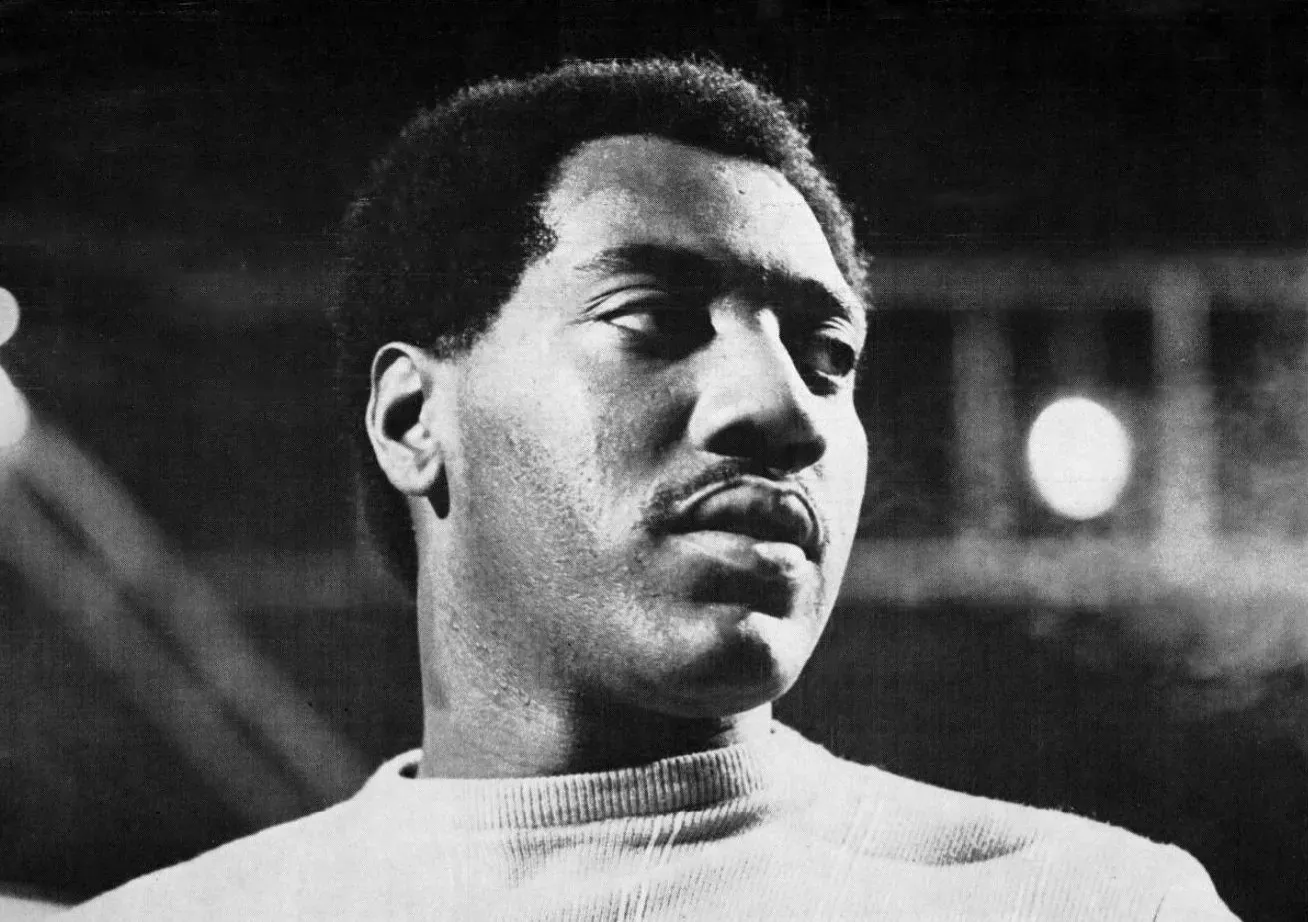
Otis Redding was a budding singer and songwriter whose career was cut short by a plane crash when he was only twenty-six. He had done fairly well with one R&B tune called “These Arms of Mine,” but the song that made him truly famous was “(Sittin’ On) The Dock of the Bay.” Sadly, Redding himself never knew it, for just a few days after recording the song, he was lost in that fateful crash.
The song became the first-ever posthumous record to reach number one on the Billboard charts. It immediately sold more than four million copies, and resulted in people discovering Redding’s genius. Redding is now considered one of the greatest soul singers in history, his lyrics still resonating with the ideology of modern times.
2. Nick Drake

Nicholas Rodney “Nick” Drake was an English singer-songwriter and musician known for his acoustic guitar-based songs. He released three studio albums during his lifetime, but they sold poorly and received little attention. His work gained significant recognition only posthumously, with his albums selling fewer than 5,000 copies in total.
In what has to be one of pop music’s cruelest ironies, cult folk hero Nick Drake, who overdosed on antidepressants twenty-six years before a Volkswagen commercial, is the artist that commercial made famous. The television spot for the Cabrio convertible, which features four star-gazing youths driving to Drake’s 1972 song “Pink Moon,” sent sales of his final studio album dramatically upward. A Volkswagen commercial in 1999 rekindled interest in his music, catapulting his albums to multi-million sales figures and firmly establishing his legacy in music history.
3. Eva Cassidy

Eva Cassidy’s captivating soprano voice and wide range didn’t earn her much notoriety before she died in 1996 of melanoma at age 33. She remained largely unknown during her lifetime, performing in small clubs around Washington, D.C., blending genres like jazz, blues, and folk. The world outside that city had almost no idea she existed.
In 1998, Terry Wogan played her covers of “Fields of Gold” and “Over the Rainbow” on his Radio 2 show. It received an overwhelming response, and the compilation album Songbird reached No. 1 in the UK almost three years after its release. Since then, her posthumous material has sold more than ten million copies.
4. Robert Johnson

Little is known about Robert Johnson’s brief life; he was born in Mississippi and died there, with some wandering in between. He was an itinerant blues singer who made few recordings, though his talent was notable enough to start a legend that he sold his soul to the devil in exchange for his guitar skills. He had very little commercial success and recognition during his lifetime and participated in only two recording sessions.
After his death in 1938, Johnson remained largely unknown until over twenty years later, when Columbia Records released a posthumous album of his work called “King of the Delta Blues Singers.” This sparked new interest in the blues, and although Johnson never knew it, his songs influenced a wide variety of artists including Bob Dylan, Eric Clapton, and the Rolling Stones, and helped shape rock and roll.
5. Jeff Buckley
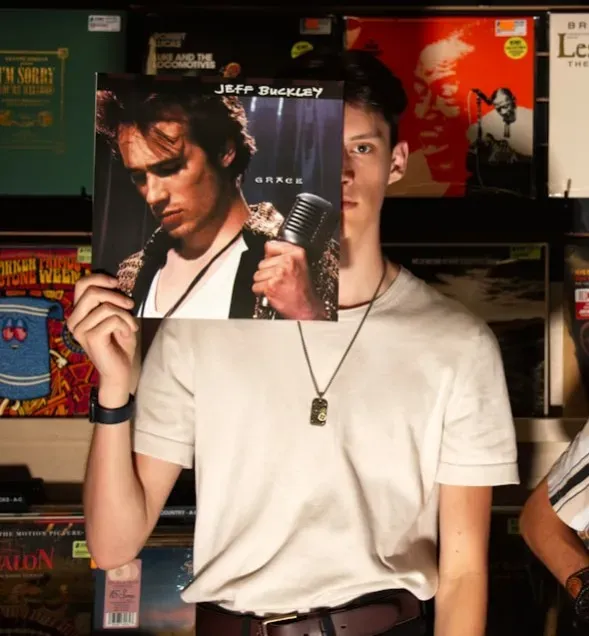
Jeff Buckley had only released a single full-length studio album named Grace in 1994. Initially, the album received modest attention from audiences. His haunting rendition of Leonard Cohen’s “Hallelujah” became an iconic success after his sudden accidental death in 1997.
The younger Buckley enjoyed some commercial and critical success for the only album he released before his death, but nothing like the genuine fame he achieved after he died in an accidental drowning in 1997 at age 30. In 2012, Rolling Stone named his album “Grace” one of the 500 best albums of all time. In 2004, the same publication named Buckley’s cover of Leonard Cohen’s “Hallelujah” as one of the 300 greatest songs of all time.
Partner offer
6. Bradley Nowell
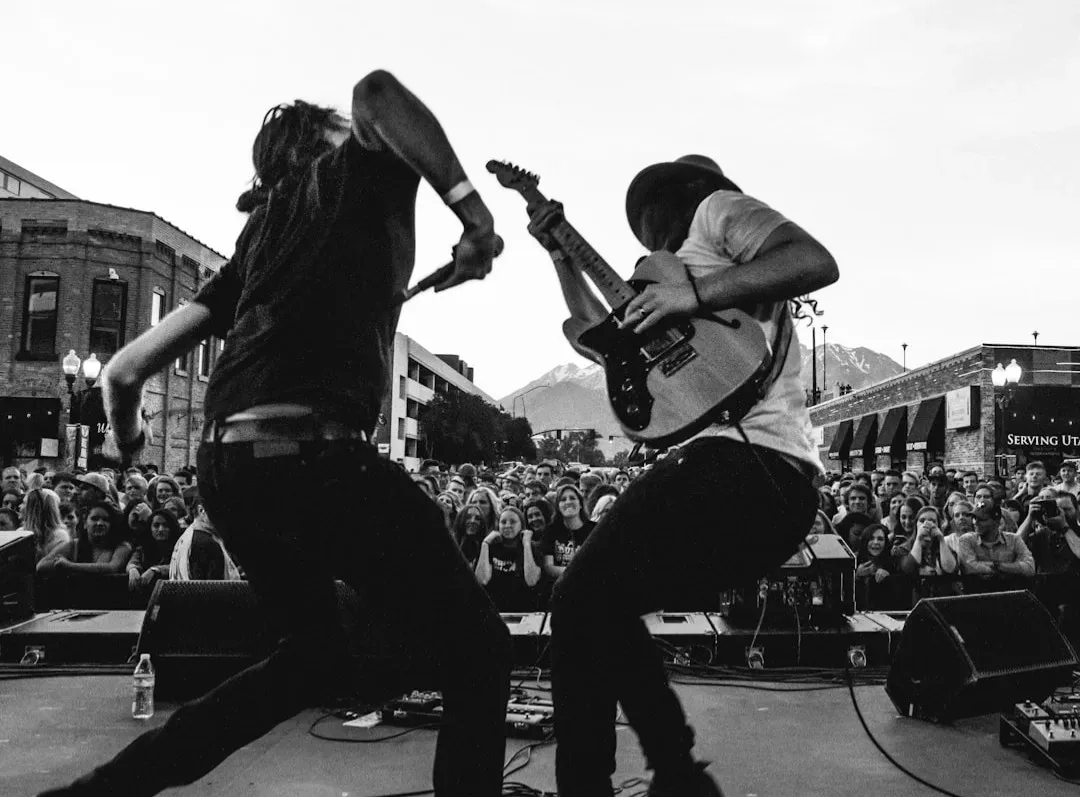
Bradley Nowell was the lead singer and co-founder of the ska punk band Sublime. Their first album, 40oz. to Freedom, and their second album, Robbin’ the Hood, barely saw success. However, their self-titled third album was a major label debut. The much-anticipated album was only two months away from release when Nowell was found dead in a motel room. He died from a heroin overdose.
Sublime’s third album soared to success posthumously, reaching the top 20 on Billboard and selling over 17 million copies worldwide, solidifying Bradley Nowell’s lasting legacy. Sublime became one of the most successful rock acts of 1997, despite the fact their lead singer wasn’t alive for any of that year.
7. Jim Croce
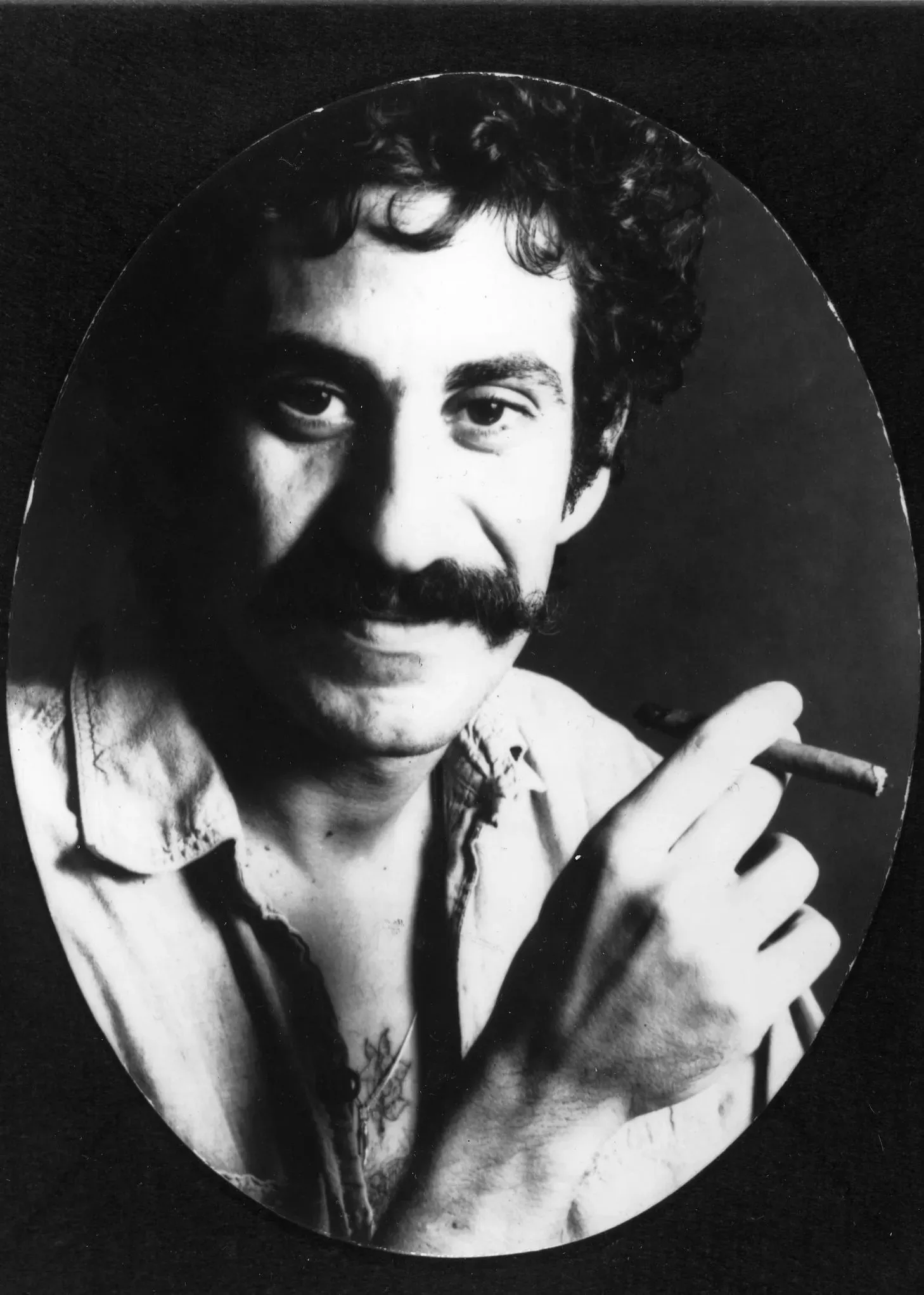
Jim Croce was an American folk singer who released five albums between 1966 and 1973, but most of his success came after his death in 1973. He took up part-time welding gigs in Philadelphia to make ends meet while continuing to create music in his spare time. Fame felt perpetually just out of reach during his lifetime.
Croce’s fame exploded after his death. On December 1, 1973, an album called I Got a Name was released, reaching number two on the charts and resulting in several hit singles. A greatest hits album issued in 1974 went multi-platinum. His music can still be heard in movies ranging from The Hangover Part II, Django Unchained, and X-Men: Days of Future Past.
8. Israel Kamakawiwo’ole

Israel “Iz” Kamakawiwo’ole was a celebrated figure for his music and cultural advocacy before he died in 1997 at 38, but that fame was concentrated almost exclusively in his native Hawaii. He was fascinated by the traditional music of his native Hawaii, and in life he was not well known beyond that state. However, he achieved something quite rare for a singer: he reinvented a classic song. His version of “Over the Rainbow,” which he medleyed with “What a Wonderful World,” became the most-purchased version of the song.
His cover became a mainland hit after it appeared in a commercial series for eToys.com in 1999. The song soon appeared in dozens of movies, TV shows, and trailers, awakening mainstream America to Iz’s talent. The album the iconic medley was featured on, 1993’s “Facing Future,” became the first Hawaiian album ever certified platinum. The YouTube video for the song has over a billion views, and in 2021, the song was inducted into the National Recording Registry as part of the heritage of American recorded sound.
9. Ian Curtis
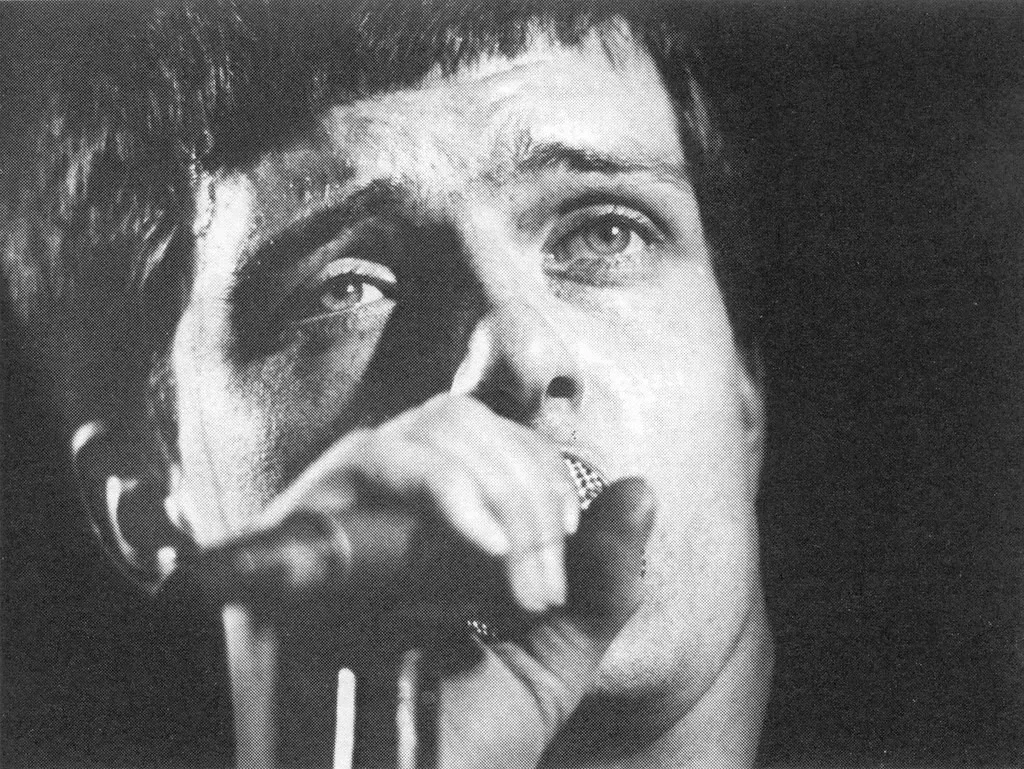
On the morning of May 18, 1980, Ian Curtis died by suicide, one day before the groundbreaking band he fronted, English post-punk pioneers Joy Division, was scheduled to board a transatlantic flight to the states for the start of their first North American tour. Relatively obscure at the time of his death, Curtis’s fame grew posthumously to make him a relatively mythic figure, especially among goth enthusiasts.
In their short run, Joy Division left behind two classic albums that bridged the gap between punk and new wave: 1979’s Unknown Pleasures and 1980’s Closer. “Love Will Tear Us Apart,” released one month before Curtis’s death, would go on to become the band’s highest-charting song and one of the most revered tracks of the 1980s. It ultimately landed on Rolling Stone’s list of the 500 Greatest Songs of All Time. In 2026, both Joy Division and New Order were inducted as one act into the Rock and Roll Hall of Fame.
10. Tim Hardin
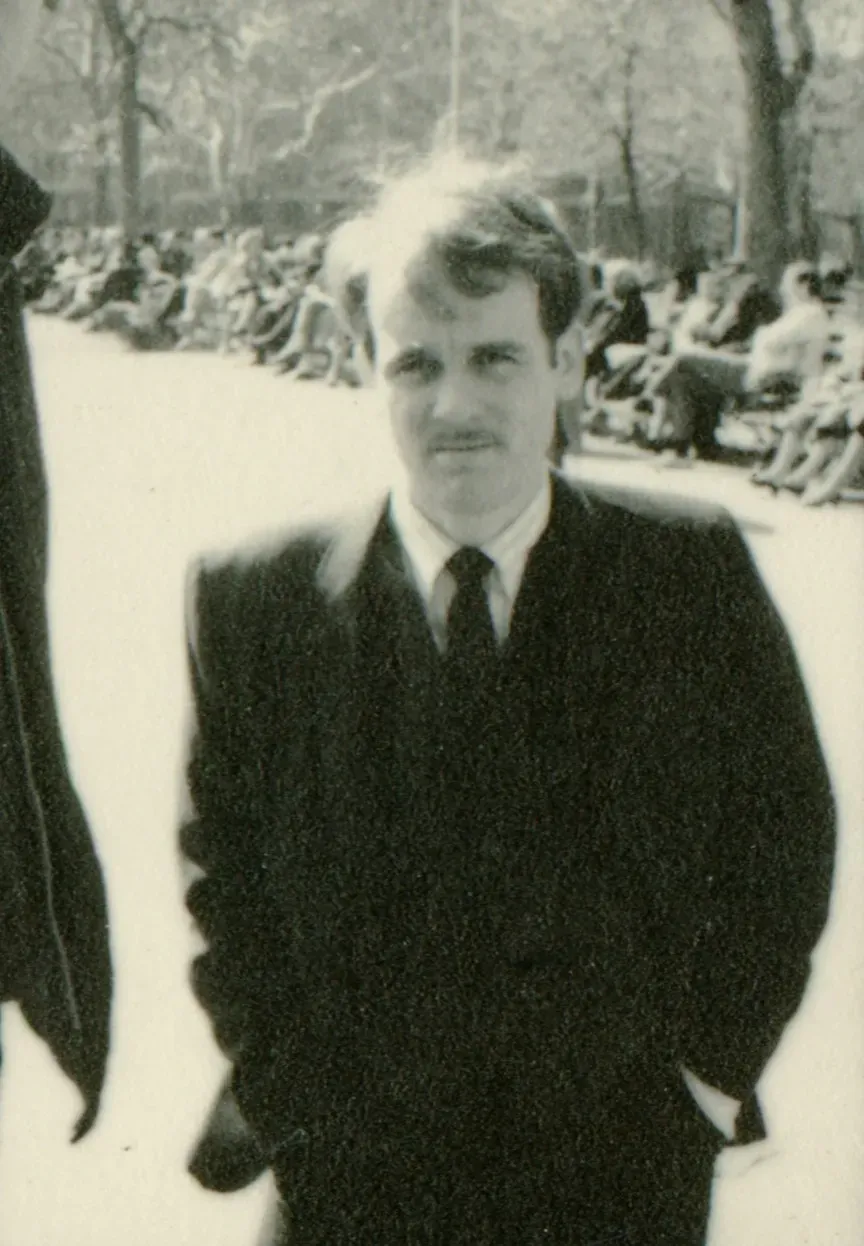
In his prime, singer-songwriter Tim Hardin earned enough acclaim to play at the legendary Woodstock festival, but when he died in 1980 at 39 from a heroin addiction that consumed his entire adult life, he was largely unknown. His presence at one of history’s most celebrated concerts made little difference to his commercial fortunes during his lifetime.
In his lifetime, Hardin’s songs like “If I Were a Carpenter” and “Reason to Believe” only gained prominence when they were covered by more celebrated musicians, many of whom, including Bob Dylan, would reflect on Hardin as one of history’s most underrated artists. His name is rarely said in the same breath as those who covered his work, yet without his songs, some of the most celebrated recordings of the 1960s and 1970s simply would not exist.
What connects these ten singers is something quieter than tragedy. It’s the gap between what was created and what was heard. Streaming platforms and the long tail of cultural memory have given their work a second life that no record label or radio station managed to deliver in time. The music waited, and eventually, the world caught up.
Partner offer
Planning a trip to Vegas?
Compare hotel rates and show tickets on VEGAS.com.