There’s something about a well-designed TV set that sticks with you longer than the plot ever does. Maybe it’s the wallpaper, maybe it’s the kitchen island big enough to host an entire cast, or maybe it’s just the way sunlight always seemed to hit those living rooms just right. For anyone who grew up glued to a television in the 1990s, certain homes became almost as familiar as their own. These weren’t just backdrops. They were characters in their own right, shaping how a generation imagined comfort, family, and everyday life. Here’s a look back at ten houses and apartments that made ’90s kids wish they could climb through the screen.
The Banks family mansion from The Fresh Prince of Bel-Air

The Banks residence represented a version of upper-middle-class Black success that felt aspirational without being unreachable. With its grand staircase, sprawling pool area, and a kitchen that seemed to exist mainly for dramatic entrances, the house became inseparable from the show’s identity. Will Smith’s arrival from Philadelphia gave viewers a fish-out-of-water lens into a lifestyle most kids had never seen up close.
The mansion used for exterior shots is a real property in Los Angeles, and it has remained a point of fascination for fans decades later. Tourists still seek it out, even though the interior scenes were filmed on a soundstage. That contrast between the fantasy of television and the reality of a single, very ordinary residential house has only added to its mythology.
The brownstone from Full House

San Francisco’s Full House brownstone offered a different kind of appeal. It wasn’t flashy, but it felt warm, lived-in, and full of personality, much like the Tanner family itself. The exterior at 1709 Broderick Street became a real tourist destination, and the show’s premise of a widowed father raising three daughters with help from friends made the home feel like an extended family hub rather than just a house.
Inside, the show leaned into cozy, cluttered domesticity, with a kitchen that always seemed to be mid-conversation and a living room built for family meetings. When Fuller House revived the franchise on Netflix starting in 2016, that same house became a bridge between generations, proving its pull hadn’t faded.
Carlton and the Banks’ guest house energy aside, the Seaver home from Growing Pains

The Seaver house captured a specific brand of suburban East Coast comfort that felt both aspirational and relatable. It was large enough to house four kids and a therapist’s home office, yet it never felt like it was showing off. The wood paneling, the staircase landings, and the constantly busy kitchen gave it a lived-in quality that matched the show’s family-first tone.
Part of the appeal was practical. This wasn’t a mansion; it was a house that suggested hard work and stability rather than inherited wealth. That distinction mattered to kids watching, many of whom recognized their own neighborhoods more in the Seaver home than in flashier sitcom sets.
The loft-style apartment from Friends

Though Friends is often remembered as a show about twenty-somethings rather than kids, its apartments captured the imagination of viewers of all ages, including plenty of ’90s children who dreamed of growing up into that exact life. Monica and Rachel’s spacious purple-walled apartment, improbable for entry-level earners in New York City, became a design touchstone anyway. The oversized windows, the eclectic furniture, and that endlessly recognizable orange couch at Central Perk turned television set design into aspirational interior decorating.
Joey and Chandler’s apartment across the hall added another layer, with its foosball table and general chaos representing a different, messier kind of freedom. Together, the two spaces gave young viewers a preview of adulthood that felt exciting rather than intimidating. It’s part of why the show’s sets are still referenced in home design conversations decades later.
The Winslow house from Family Matters
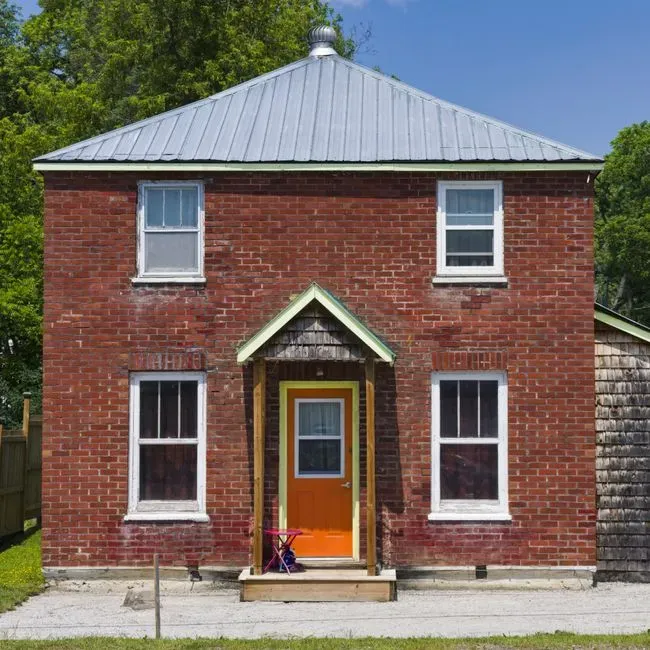
The Winslow home in Chicago offered another take on stable, multi-generational family life, this time centered around a working-class Black family navigating everyday challenges with humor. The house had a comfortable, unpretentious feel, anchored by a kitchen and living room that hosted most of the show’s biggest moments. It was a home clearly built around routine, dinner table conversations, and problem solving as a family unit.
Steve Urkel’s constant presence next door, quite literally climbing through windows, made the Winslow house feel almost communal by the end of the show’s run. That sense of an open door, where neighbors were practically family, resonated with kids who wished their own block worked the same way. The show ran from 1989 through 1998, meaning its home aesthetic bridged the entire decade.
The apartment from Boy Meets World

The Matthews family home in Boy Meets World leaned into a slightly more modest, relatable version of suburban life compared to some of its sitcom peers. It had a kitchen table that functioned almost like a stage, where Cory, Eric, and later Shawn hashed out the emotional beats of the episode. The house felt small enough to be believable but warm enough to be comforting.
As the show progressed into college years, the setting shifted to dorm rooms and apartments, but the original family home remained the emotional anchor point for the series. Its unassuming style stood out precisely because it didn’t try to be glamorous. That grounded quality made it feel closer to the homes many viewers actually lived in.
The Huxtable brownstone from The Cosby Show

Although The Cosby Show technically debuted in 1984, its influence and syndicated reruns kept the Huxtable brownstone deeply embedded in ’90s living rooms. The Brooklyn-style home represented an aspirational but attainable version of professional Black family life, with Cliff and Clair Huxtable raising five children in a space that always felt busy but never chaotic. The staircase, the kitchen, and the living room where family debates played out became some of the most recognizable sitcom interiors of all time.
The show’s legacy around home and family design remains complicated by later controversies involving Bill Cosby, but the impact of the set itself on television aesthetics is still frequently discussed by design historians. Its warm lighting and layered decor style influenced how many later family sitcoms approached their own living spaces. For kids watching reruns throughout the ’90s, the Huxtable home represented comfort and aspiration in equal measure.
The treehouse and backyard from Salute Your Shorts and other summer camp shows

Not every dream home was a house at all. Summer camp settings, treehouses, and backyard forts captured a different kind of ’90s longing, one rooted in freedom rather than furniture. Shows built around camp life or neighborhood adventures made outdoor, semi-independent spaces feel like the ultimate kid real estate.
These setups appealed because they represented autonomy. A treehouse or a camp cabin wasn’t about square footage or granite countertops; it was about having a space entirely your own, away from adult supervision. That fantasy of independence often mattered more to young viewers than any luxurious interior ever could.
The Conner house from Roseanne
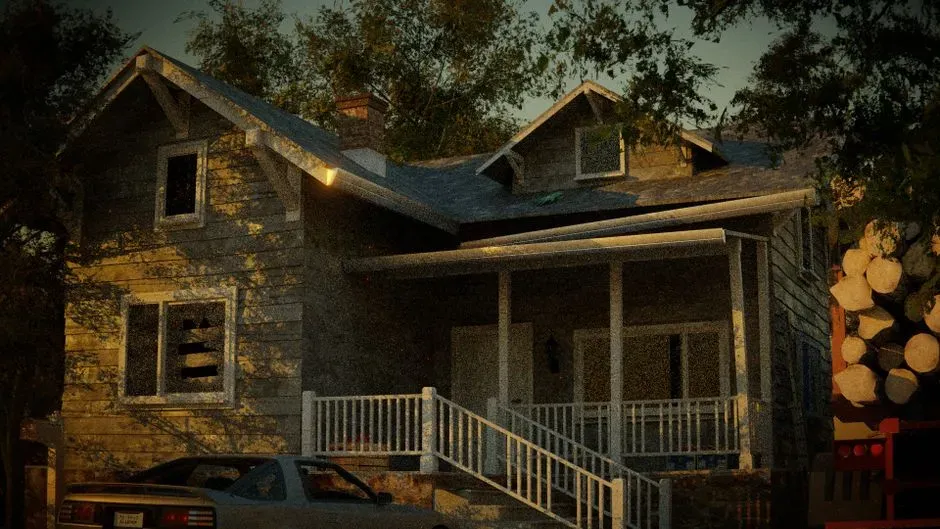
The Conner family home stood out for being deliberately unglamorous, and that was the point. Cluttered, a little worn around the edges, and clearly a working-class household, the house reflected economic realities that many other sitcom homes conveniently ignored. Its couch, kitchen table, and general lived-in mess made it one of the most authentic-feeling homes on television during the decade.
For kids whose own homes looked more like the Conners’ than the Banks family mansion, this representation mattered. It offered a rare mirror rather than pure fantasy. When the show returned in revival form years later, the same worn-in aesthetic remained central to its identity, proof that the setting was never meant to be aspirational in the traditional sense.
The Tanner-adjacent dream: the Sabrina the Teenage Witch house
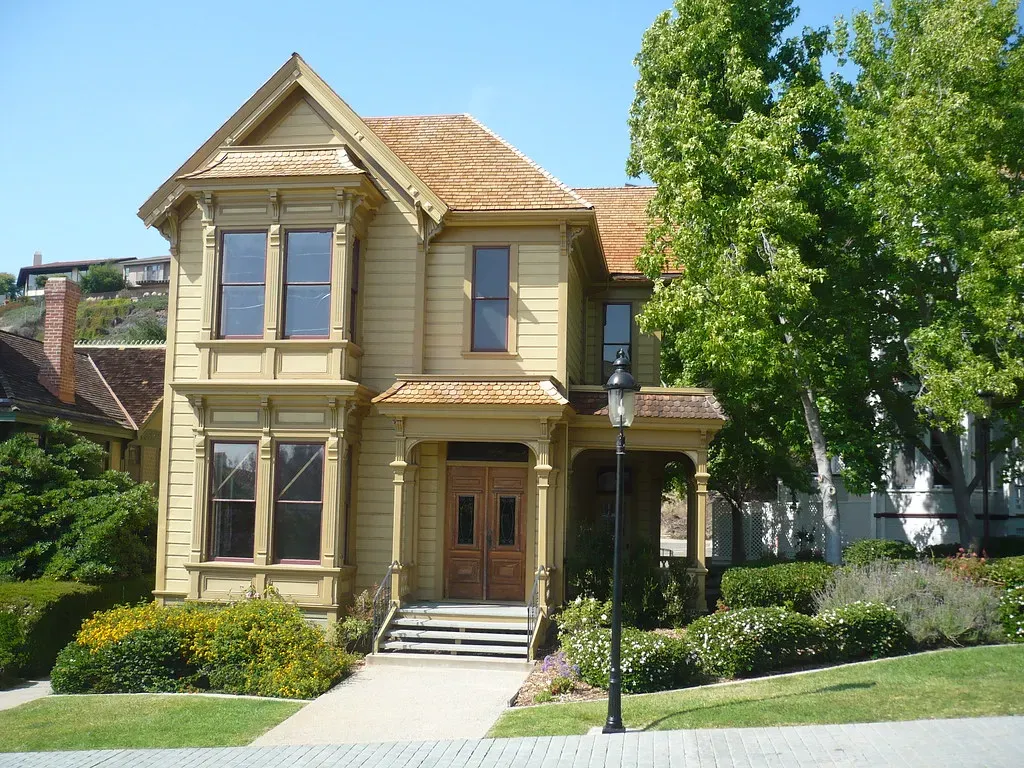
Sabrina Spellman’s Victorian home, shared with her magical aunts Hilda and Zelda, added a fantastical twist to the ’90s home wish list. The house combined cozy, old-fashioned charm with just enough magic to make ordinary rooms feel extraordinary, from a talking cat lounging on the stairs to spellbooks tucked among regular household clutter. It struck a balance between whimsical and homey that appealed strongly to younger viewers drawn to both comfort and fantasy.
The show, which ran from 1996 through 2003, used its house as a stage for blending everyday teenage life with witchcraft in a way that felt playful rather than dark. Aunt Zelda’s kitchen and the living room fireplace became recurring comfort images throughout the series. For many kids, the appeal wasn’t just the magic, but the idea of living somewhere that ordinary and extraordinary could coexist so casually.