Millions of people snap photos in front of these monuments every year, yet most walk away knowing only the postcard version of their history. Behind the marble, copper, and granite sit stranger tales: accidental colors, abandoned blueprints, and construction stories that rarely make it onto the plaque out front. Here are nine landmarks with backstories that surprise even frequent visitors.
1. The Statue of Liberty wasn’t always green
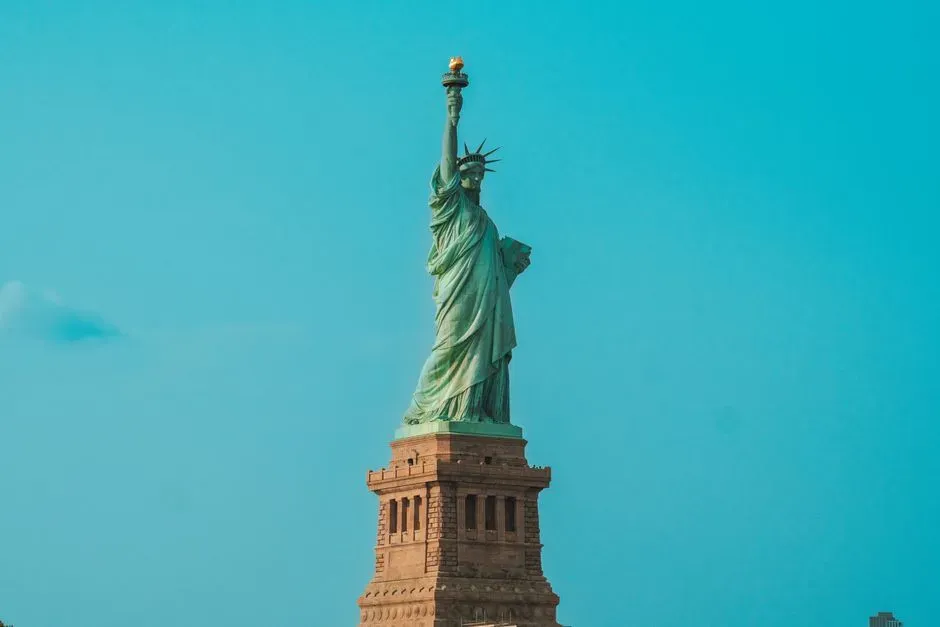
Most people assume Lady Liberty has always worn her signature blue green shade, but that color took decades to arrive. The outer skin of the Statue of Liberty consists of 300 copper sheets, and most people described the statue’s original color as being a shiny reddish gold brown, similar to a penny. The transformation happened gradually as the copper reacted with air and salt water over its first fifteen years in the harbor.
By the early 1900s, officials noticed the change and weren’t thrilled about it. In 1906, there were calls to repaint the statue to restore it to its original copper, and Congress even appropriated 62,000 dollars for the job. Public backlash killed the plan, and the patina that once alarmed lawmakers is now considered inseparable from the monument’s identity.
2. Mount Rushmore hides an unfinished vault behind Lincoln’s head
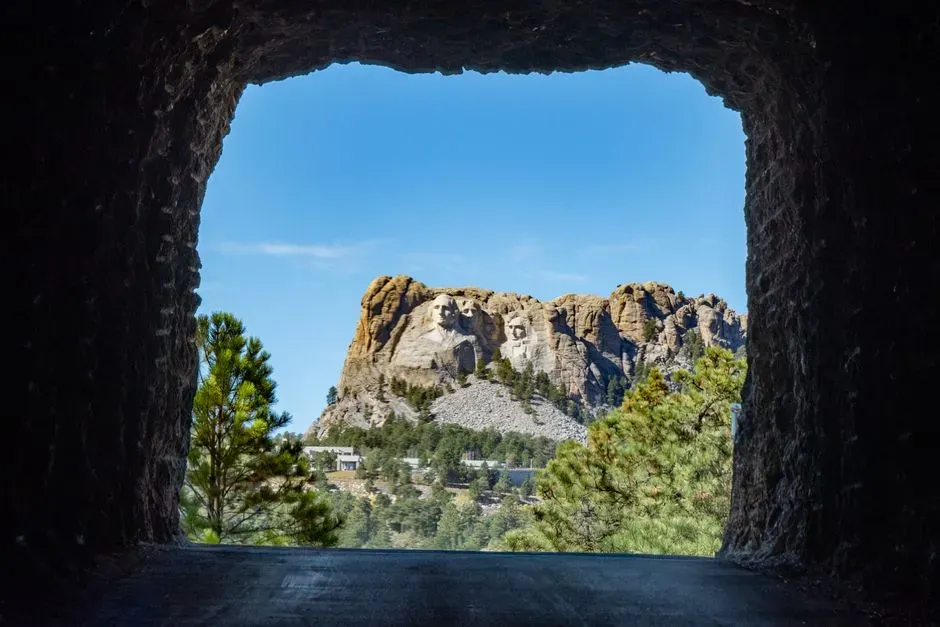
Sculptor Gutzon Borglum never intended the four presidential faces to be the whole story. His final designs planned for all four presidents to be depicted from the waist up, with a staircase behind them leading to a Hall of Records meant to serve as a secondary National Archives, featuring important American documents, busts of other famous Americans, and records of American contributions to history.
Work on that chamber actually began. An initial 70 foot tunnel was blasted into the rock in 1938, but construction stopped in 1939 when Congress ordered Borglum to focus solely on the sculpture, and after his death in 1941 federal funding ran out, leaving the plans incomplete. Decades later, in 1998, workers finally placed sealed porcelain panels documenting American history inside the unfinished tunnel, quietly fulfilling a small piece of Borglum’s original vision.
3. The Golden Gate Bridge’s color was never supposed to be permanent
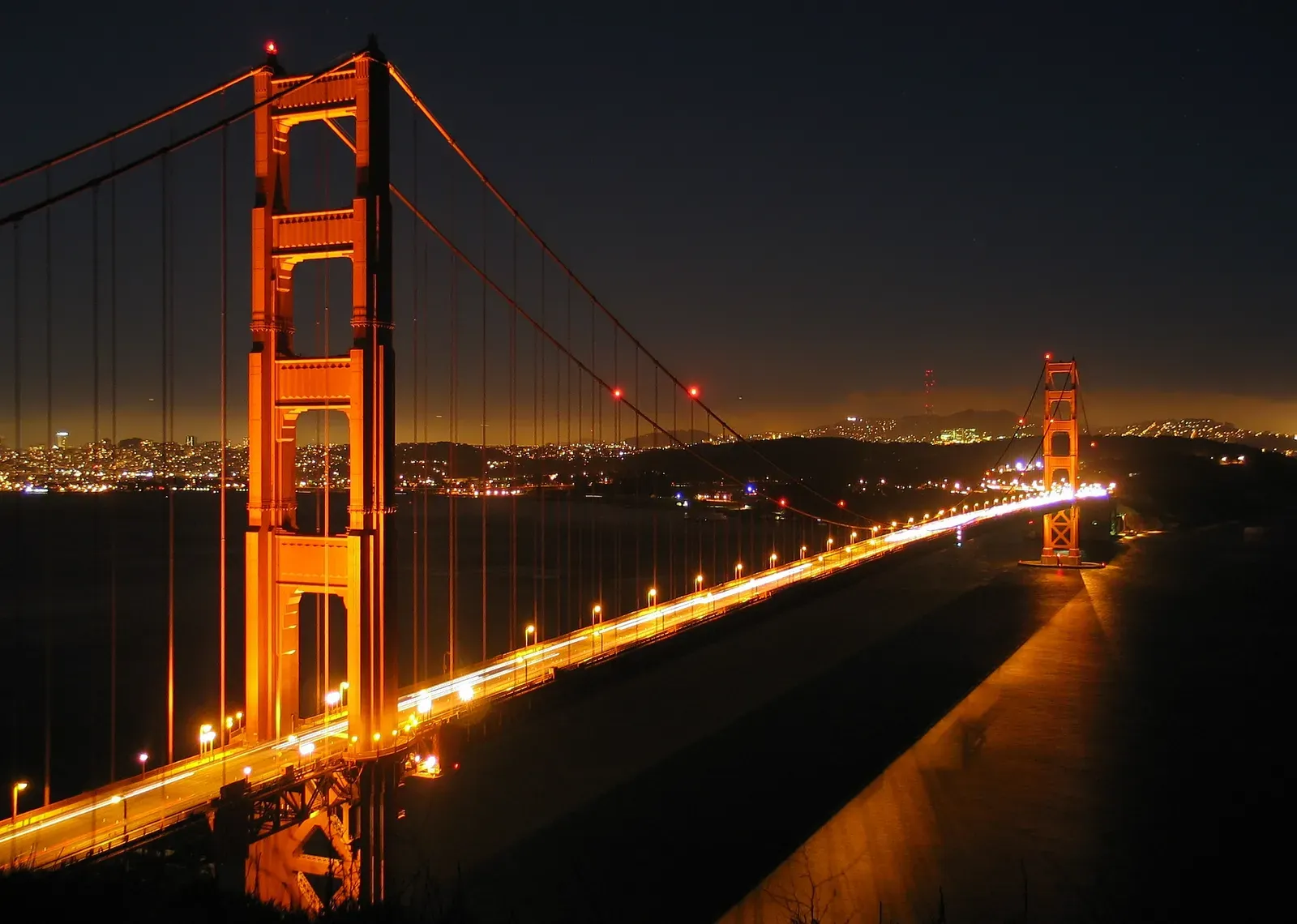
San Francisco’s most photographed structure almost ended up gray, black, or striped like a giant warning sign. Instead, its now iconic hue came from a happy accident during construction. The color came about thanks to Irving Morrow, the Golden Gate’s consulting architect, who noticed the striking reddish orange primer painted on some of the steel and designed the bridge’s lighting and its art deco styling, then championed the unusual color.
That primer shade wasn’t meant to be the finished look at all. International Orange was originally applied simply as a primer on some of the steel during construction, and the team noticed how well it contrasted with the bay and fog, so the shade was refined and officially adopted. More than a bold aesthetic choice, the color also serves a practical purpose, standing out clearly against fog for passing ships.
4. The Hollywood Sign began as a temporary real estate billboard
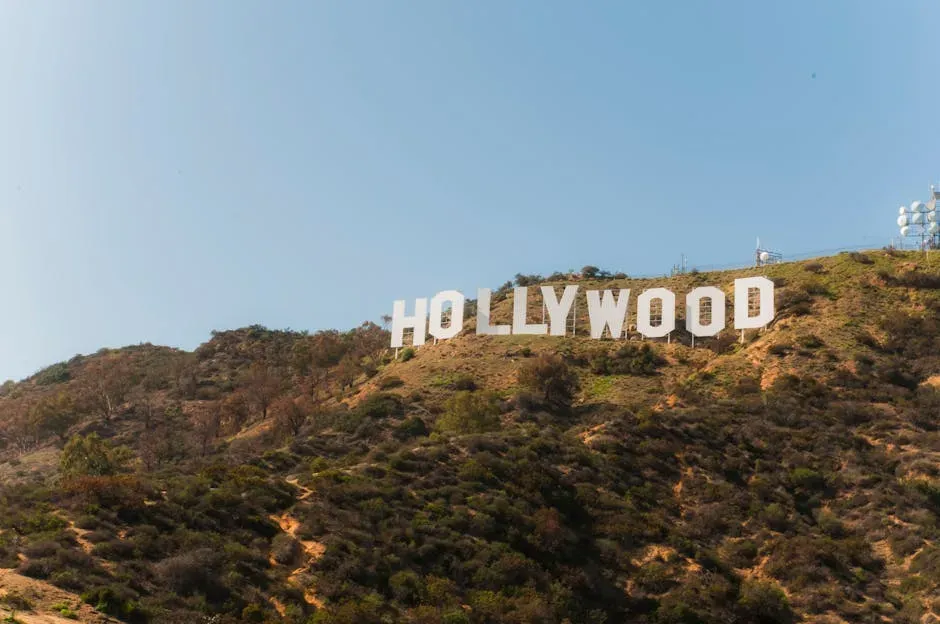
Tourists photographing the white letters on Mount Lee rarely realize the sign was never meant for them at all. The Hollywood sign started life in 1923 as a flashing real estate billboard for a suburban subdivision called Hollywoodland, built as a 21,000 dollar advertisement for an upscale development and intended to last just 18 months.
The sign originally read differently than it does now, and it lit up in stages rather than all at once. It was a 13 letter, 450 foot long, ridge mounted electric advertisement lit at night by approximately 4,000 light bulbs that flashed the words HOLLY, WOOD, and LAND in sequence, followed by the complete word HOLLYWOODLAND. The housing project it advertised eventually fizzled, the last four letters came down in 1949, and the shortened sign quietly outlived the business it was built to promote.
5. The Liberty Bell cracked more than once before it went silent
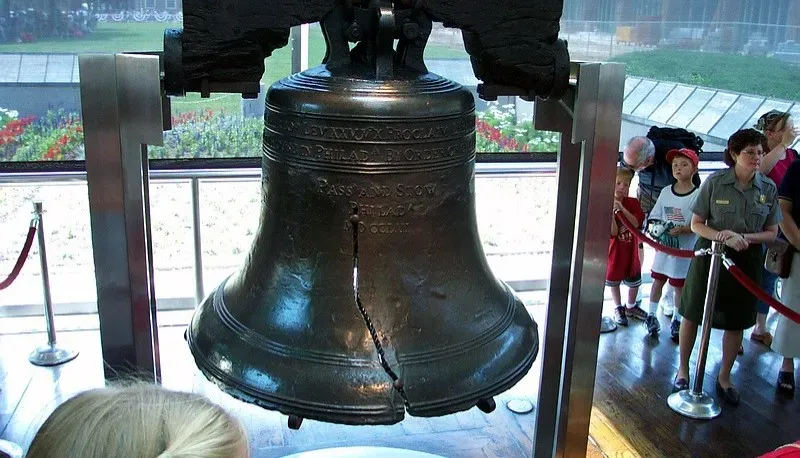
The famous fracture visitors see in Philadelphia wasn’t the bell’s first brush with disaster. The bell’s troubles began almost immediately, cracking on its first ring when tested upon arrival in Philadelphia in 1752, prompting local metalworkers John Pass and John Stow to melt it down and recast it with more copper to make it less brittle.
Partner offer
Even the famous crack that finally silenced the bell has a murkier origin than most tour guides let on. It seems the bell was certainly damaged by 1846, when Philadelphia’s mayor requested that the bell be rung on George Washington’s birthday, and though the bell reportedly tolled loud and clear at first, it subsequently cracked beyond repair and had to be taken out of service. No one alive today can say for certain exactly which event caused the fatal split, and historians still debate the competing legends.
6. The Gateway Arch was an engineering gamble few believed would work
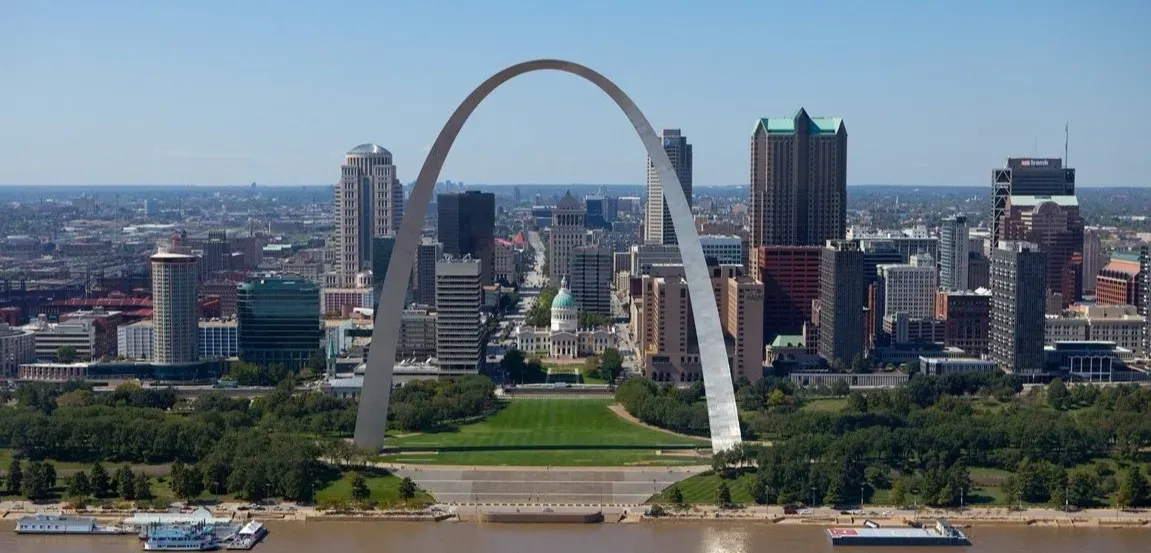
St. Louis’s stainless steel arch looks deceptively simple, but building a self supporting curve of that height required solving problems no one had faced before. The Gateway Arch stands 630 feet tall, clad in stainless steel and built in the form of a weighted catenary arch, making it the world’s tallest arch and Missouri’s tallest accessible structure.
The project took years of construction under tight engineering tolerances, since the two legs had to meet perfectly at the top or the entire structure would fail. Construction began on February 12, 1963, and was completed on October 28, 1965, at an overall cost of 13 million dollars, with the monument opening to the public on June 10, 1967. Workers used massive creeper cranes that climbed the legs as they rose, a method rarely attempted before on a structure this unconventional.
7. The Empire State Building was rushed up in a race against the Depression
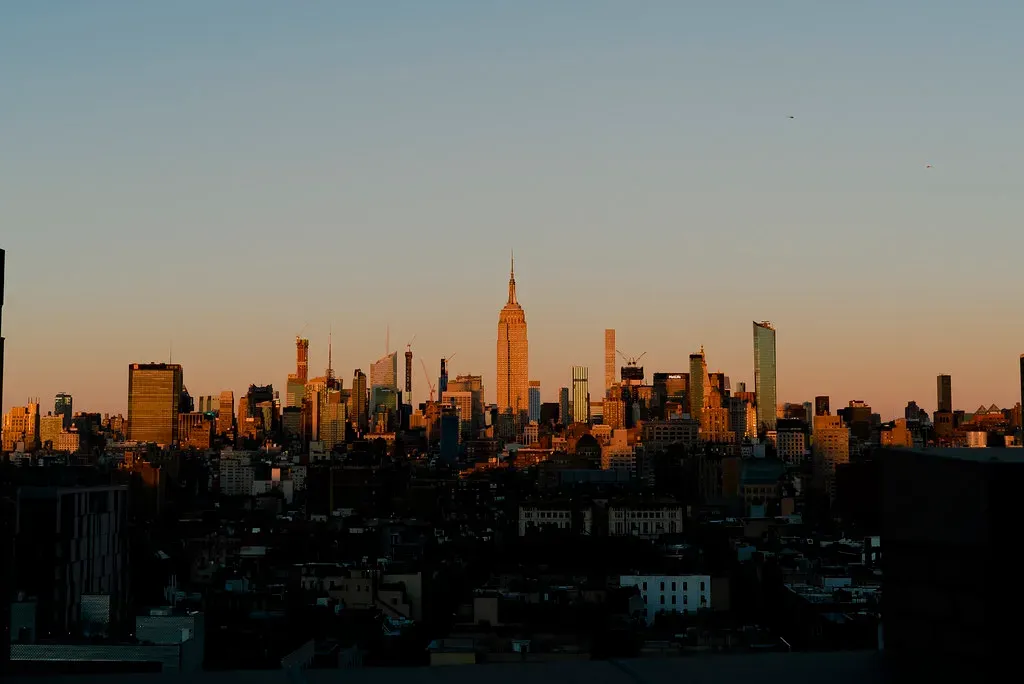
New York’s skyline icon rose during one of the worst economic periods in American history, and speed was part of the plan from the start. Developers were locked in a public rivalry with the team building the Chrysler Building, each side racing to claim the title of world’s tallest structure. The Empire State Building’s frame climbed at a pace of roughly four and a half stories per week, and the entire tower was completed in about 410 days, a construction speed that still impresses engineers today.
Because dirigible travel seemed like a plausible future in 1930, planners topped the building with a mooring mast meant to dock airships so passengers could disembark directly onto the observation deck. The idea never worked in practice, since wind currents around the tower made it far too dangerous for airships to hover safely nearby. That abandoned mast is the reason the building has its distinctive spire today, a leftover from a transportation dream that never got off the ground.
8. Hoover Dam’s name was tangled up in politics for years
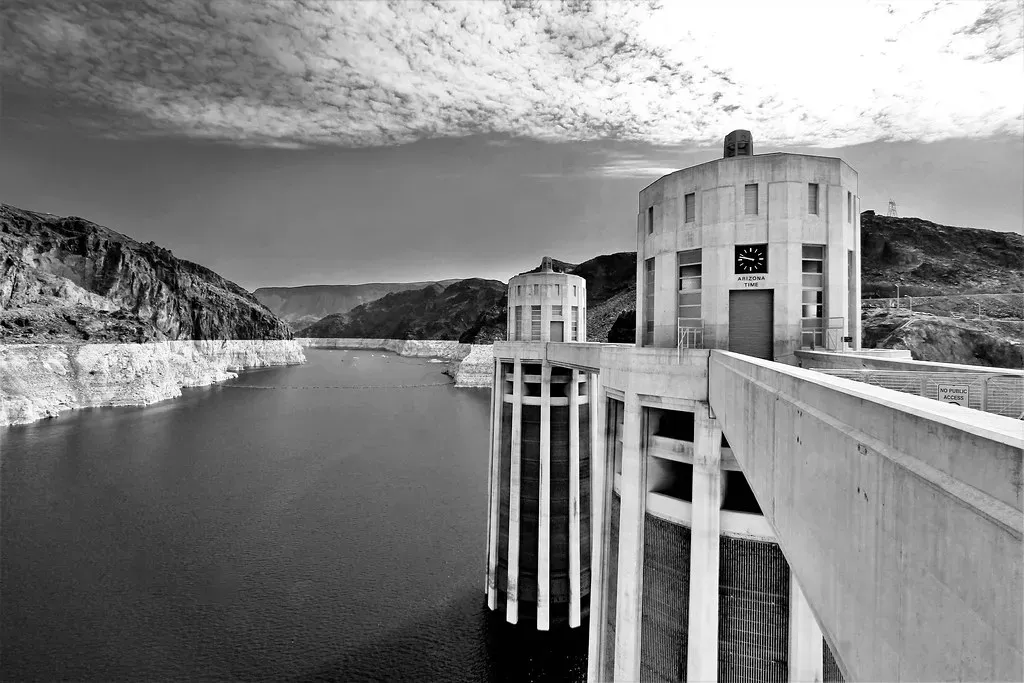
The dam that tamed the Colorado River carries a name that wasn’t settled for more than a decade after construction began. It was originally called Hoover Dam after President Herbert Hoover, but when the political tide turned against him following the Great Depression, the incoming administration renamed it Boulder Dam. Congress eventually restored the Hoover name in 1947, closing out a small but telling chapter of partisan tug of war written into concrete.
Built largely by workers desperate for jobs during the Depression, the dam’s construction crews lived in a makeshift government town called Boulder City, built specifically to house the project’s workforce. The scale of the undertaking was staggering for its era, requiring enough concrete to pave a two lane highway from San Francisco to New York. Even today, engineers point to Hoover Dam as a case study in how ambitious public works can double as economic lifelines during hard times.
9. The Space Needle started as a sketch on a napkin
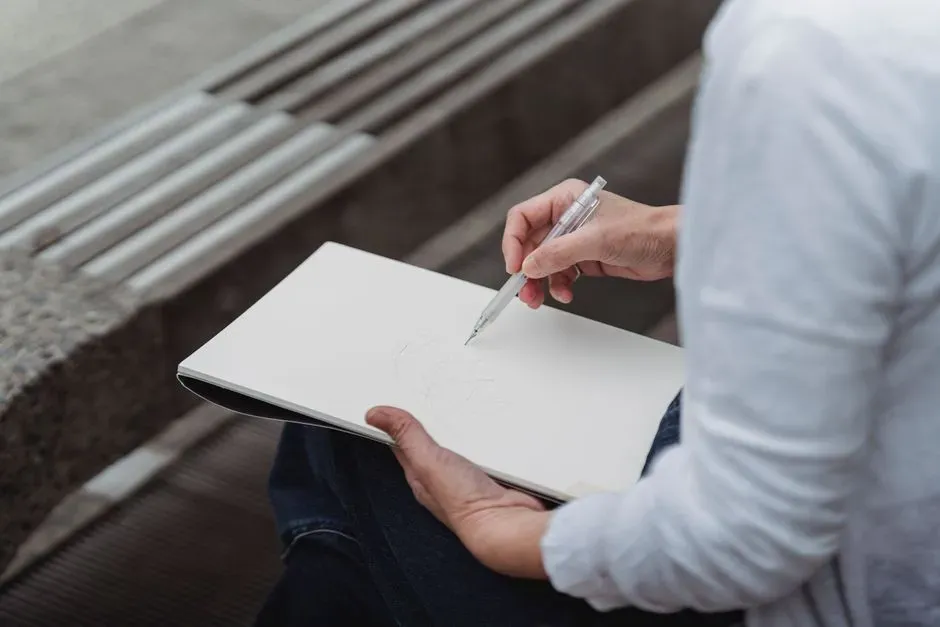
Seattle’s most recognizable structure traces its origin to a moment of impatience rather than careful planning. Hotel executive Edward E. Carlson, searching for a symbol for the upcoming 1962 World’s Fair, reportedly sketched an early concept of a tall tower topped with a balloon like structure on a napkin while traveling. That rough idea eventually landed with architect John Graham, whose team refined it into the flying saucer silhouette that still defines the Seattle skyline.
Construction moved at a remarkable clip given the ambition of the design, with the tower rising in just under a year so it would be ready in time for the fair’s opening. Engineers had to account for wind loads and seismic activity unusual for a structure of its shape, since a rotating restaurant sitting near the top added complexity few architects had dealt with before. More than sixty years later, the Space Needle remains one of the few World’s Fair structures from that era still standing and fully operational.
Landmarks tend to get frozen in time once they become symbols, their odd origins smoothed over by decades of postcards and tour scripts. Yet the messier stories, the accidental colors, abandoned blueprints, and political tug of war, are often more interesting than the finished monument itself. Next time you’re standing in front of one of these structures, it’s worth remembering that the version you see rarely matches the one that was originally planned.Partner offer
Planning a trip to Vegas?
Compare hotel rates and show tickets on VEGAS.com.