There’s a certain performance every student learns early on. You nod along when the teacher asks if everyone’s following. You tell your parents the class is “fine.” You maybe even say you find it interesting, especially when you suspect enthusiasm might earn you leniency at grade time. School has always been as much a social exercise as an academic one, and playing along with the curriculum is often just the path of least resistance.
Although most children and young people will dislike some aspects of school at some point, this type of dislike tends to be transient and constrained to certain subjects, issues, or individuals. The truth is that a handful of subjects attract a disproportionate amount of quietly suppressed dread. Here are 17 of the most common ones, and why students kept their real feelings largely to themselves.
1. Mathematics
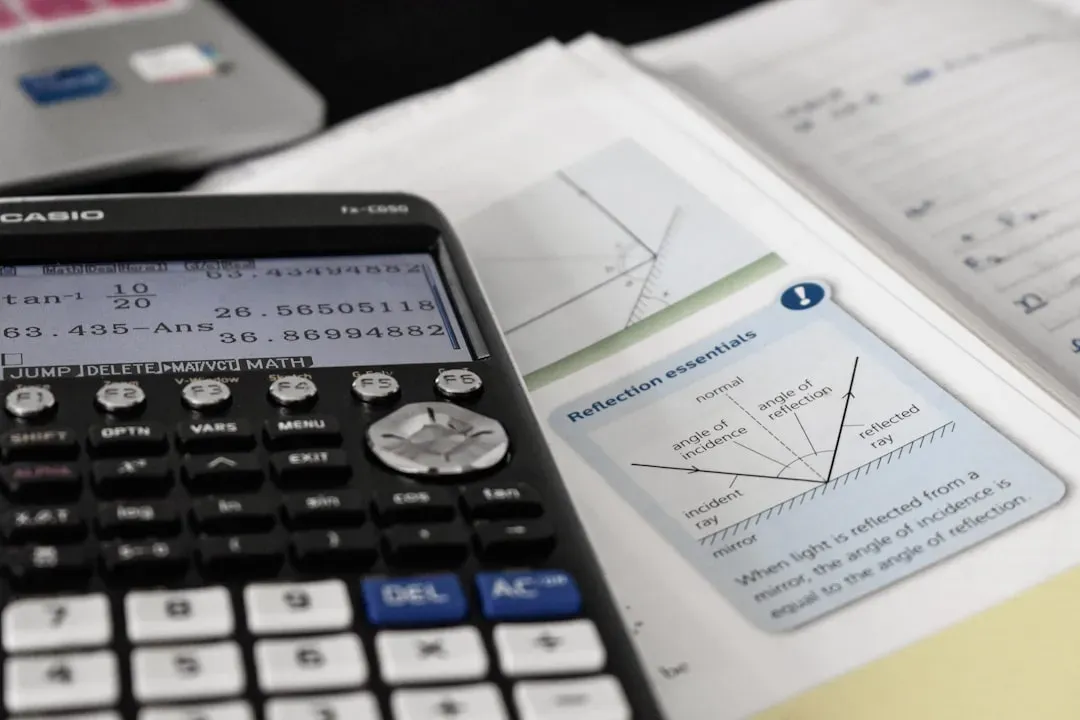
A survey of over 20,000 U.S. ninth graders found that the academic subject in which the highest percentage of students reported as their least favorite was mathematics. The subject demands precision, builds on earlier knowledge, and offers very few places to bluff your way through. Miss a concept in sixth grade and algebra in eighth grade can feel like a foreign language.
Students can ace an exam or recite a theory while remaining mystified about why that knowledge matters. They master algebraic equations but can’t calculate whether a car loan is a good deal. That disconnect between classroom math and real-life usefulness is a major part of why so many students faked enthusiasm while quietly dreading every worksheet. Mathematics is a core quantitative subject that many learners find stressful due to abstract symbols and endless problem sets.
2. History

History focuses on chronological events, dates, and cause-and-effect analysis. Students often see it as a rote memorization exercise, earning a high dislike rating in surveys. When the subject is reduced to a parade of names and years with little context for why any of it matters, even genuinely interesting material starts to feel like punishment.
While some students find history fascinating, others struggle with the sheer volume of information and the emphasis on memorizing dates, names, and events. A survey by Edutopia revealed that nearly one in five students dislike history, citing the need for rote memorization as a major contributing factor. The students who said they loved it were often the ones who happened to have a teacher who made it feel alive.
3. English Literature

English Literature examines classic novels, poetry, and critical analysis. The heavy reading load and subjective grading contribute to a notable dislike score among students. There’s also a particular brand of anxiety around essays graded on interpretation: when there’s no clearly right answer, students often feel they’re guessing rather than learning.
Students memorize formulas and concepts for tests, regurgitate history that can be Googled, and analyze literature, but this knowledge rarely connects to who they are or their future aspirations. Dissecting a Victorian novel for its symbolism while under exam pressure rarely sparks a love of reading. Many students nodded through class discussions while quietly counting the pages left until it was over.
4. Physical Education

All too often, the result is a PE curriculum structured around activities such as running or team sports that appeal mostly to teens and adolescents who are avid athletes. Other students may be apathetic about PE or even come to dread these classes. The subject carries a social dimension that few others do: performing physically in front of peers is simply more exposing than writing a wrong answer on paper.
Starting in sixth grade, there is an overall shift from liking to not liking physical education. Middle school is when a shift to team sports in PE class often begins, and many students may be pushed into activities and games for which they are not ready. Plenty of students would arrive home from school and immediately go for a bike ride or a swim, genuinely enjoying movement. They just hated the mandatory, graded, publicly judged version of it.
5. Chemistry

Chemistry’s atomic theory or history’s distant timelines feel removed from students’ everyday experiences. The lab coat aesthetic of chemistry looks impressive in the school prospectus, and students often arrive with optimistic expectations. Then the mole concept hits, and those expectations quietly dissolve. Science subjects, especially physics and chemistry, can be tricky, primarily due to their balance of theoretical learning and practical applications. The complexity of concepts and the necessity for hands-on lab work sometimes prove daunting for some students.
The labs themselves could be enjoyable, but the theory that surrounded them was a different experience entirely. Students who struggled with the abstract mathematical side of chemistry often kept quiet about it, especially because the subject carried a reputation for being impressive to study. Admitting you found it confusing felt like admitting something worse than academic difficulty.
6. Physics

Subjects like mathematics and physics demand logical reasoning and cumulative knowledge. When foundational gaps appear early, frustration compounds. Physics sits at a particularly uncomfortable intersection: it’s mathematical enough to lose students who struggle with numbers, but conceptual enough to frustrate those who prefer clear procedures. The reputation of the subject as “smart” territory pushed many students into pretending they were fine.
The problem often wasn’t the ideas themselves, which can genuinely be fascinating, but the pace and delivery. Lecture-heavy formats without interactive elements make subjects feel stagnant. Teachers who rely on textbook recitation see higher disengagement. Students who couldn’t follow along rarely said so out loud, especially in a subject where admitting confusion felt like surrendering intellectual ground.
7. Foreign Languages

Learning a new language can be an intimidating task, especially for those who struggle with pronunciation, grammar, and vocabulary retention. Around one quarter of students find foreign language classes to be their least favorite. The fear of making mistakes, coupled with the difficulty of mastering a new linguistic system, can contribute to a negative perception of foreign language classes.
Foreign languages also often pose a challenge to many students due to the necessity for memorization and practice outside of the classroom. The classroom itself can be a social minefield: speaking aloud in an unfamiliar language, mispronouncing things in front of thirty peers, and being corrected mid-sentence is genuinely uncomfortable. Most students claimed to find it interesting while inwardly dreading every oral exam.
8. Civics and Government
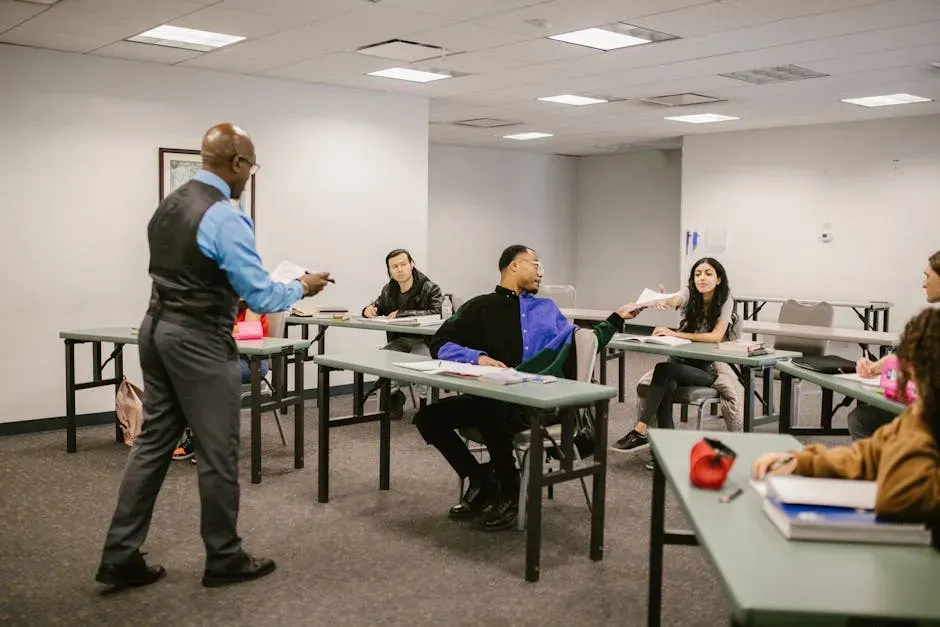
A 2018 survey by the University of Pennsylvania’s Annenberg Public Policy Center found that just over a quarter of Americans could name the three branches of government. That same year, the Woodrow Wilson Foundation concluded that only one in three Americans could pass the nation’s Citizenship Test. Those numbers are partly a reflection of how civics has been taught: dry, procedural, and disconnected from anything students felt was personally relevant.
A high school civics class can feel like an afterthought, with its decade-old textbook and state standards that seem heavy on platitudes and trivia. Students who genuinely cared about politics and the world around them often found the classroom version of civics almost nothing like what they actually wanted to discuss. They sat through it politely and tried to look engaged.
9. Geography

Geography occupies a strange place in the curriculum. It has the potential to be genuinely absorbing, connecting climate, culture, economy, and human behavior into a coherent picture of the world. In practice, many students experienced it as an extended exercise in memorizing capital cities, river names, and contour lines. The gap between the subject’s potential and its classroom delivery is probably wider than almost any other field.
Partner offer
A lot of students dislike academics because, bluntly, it’s boring. Sitting for six to seven hours with little breaks and being forced to retain large amounts of information you rarely have interest in is not only difficult but draining. Geography classes built around map labeling and climate zone recall fit that description well. Students learned to say it was “interesting” while genuinely finding it a slow grind.
10. Music Theory
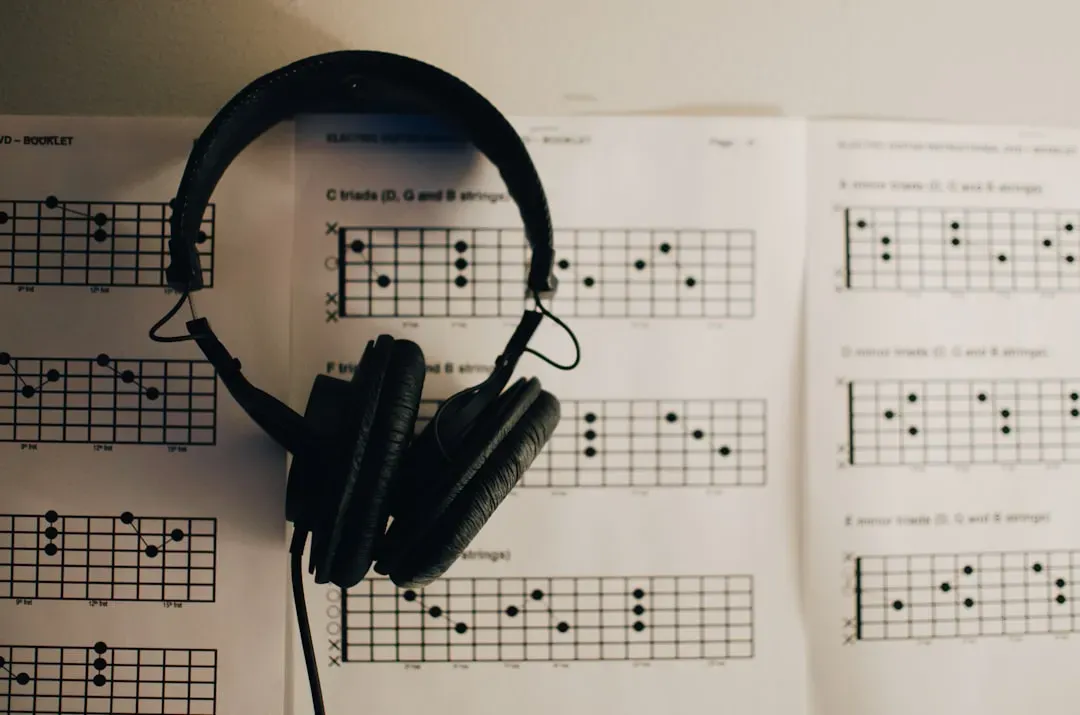
Music class, in its performance-based form, tends to be reasonably well-liked. Music theory is another matter entirely. The notation system, interval training, and harmonic analysis required in formal music education can feel entirely disconnected from the experience of actually enjoying music. Students who played guitar at home and loved listening to music found the academic version of the subject almost unrecognizable.
Entries to GCSE Drama and Music have declined significantly since 2015, with Music entries dropping by more than a third. The drop is year on year, with 2022 to 2023 seeing a further decline in Music entries. While those declines have many causes, students choosing to opt out when given the chance says something honest about how the subject was being experienced. In years when it was mandatory, the complaints largely stayed private.
11. Art Class
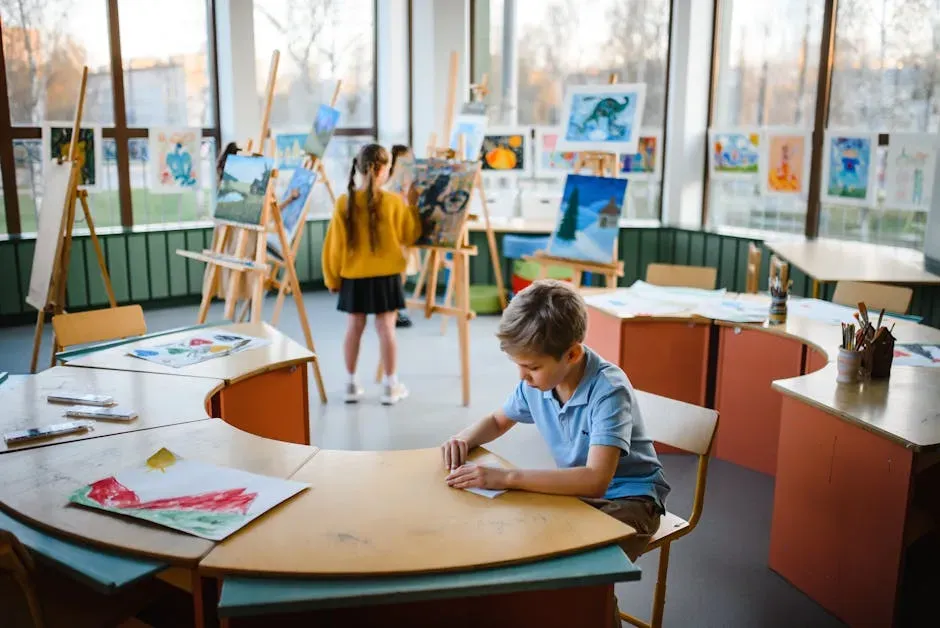
Art class sounds like a relief from the rigors of math and science. For students who don’t consider themselves visual artists, though, it can be its own form of pressure. Being asked to draw, paint, or sculpt and then have that work evaluated and displayed carries a particular vulnerability. Expressing yourself badly, in front of everyone, for a grade, is its own category of uncomfortable.
Enrolments in school arts subjects are falling in both England and Australia. When students have a choice, a notable portion move away from art, which suggests the polite classroom enthusiasm wasn’t always genuine. Assessment pressure in subjects where essays and work are scored subjectively pushes students toward anxiety. Receiving a low grade on something you put genuine creative effort into can feel more personal than failing a math test.
12. Drama and Theater
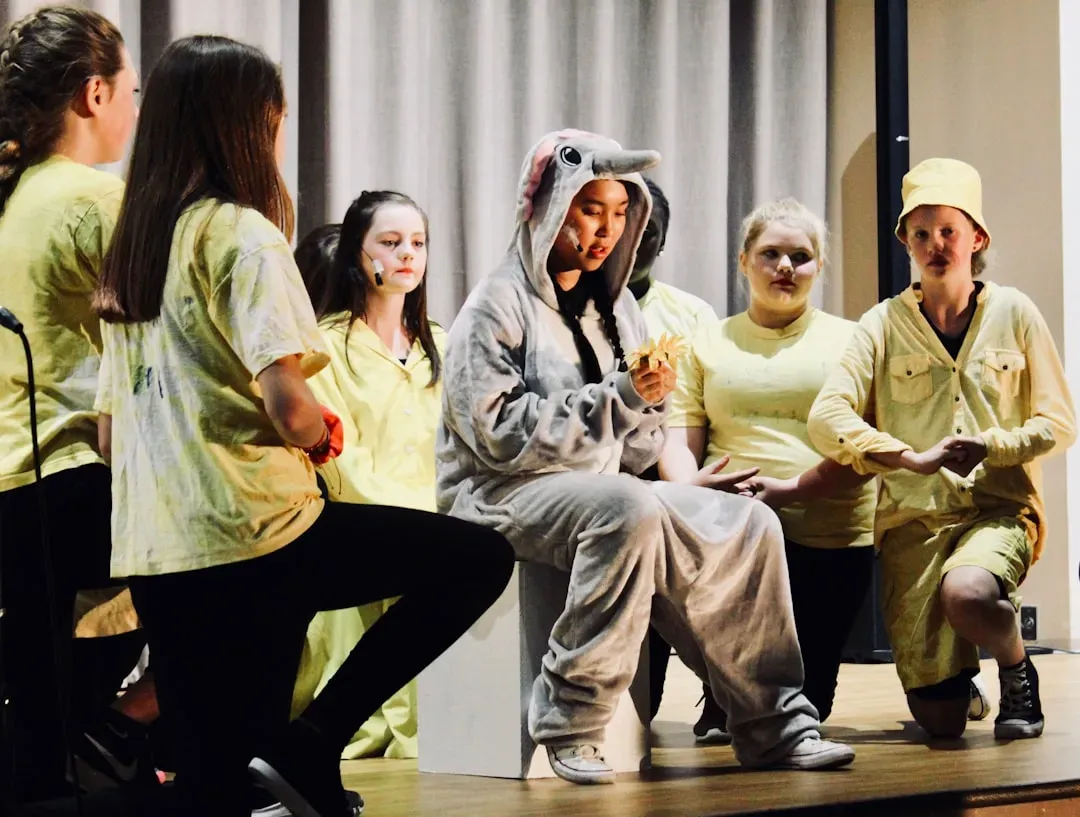
Drama class tends to attract two very different reactions. Students who love performance find it liberating. For those who don’t, it is essentially a mandatory public speaking and acting class with no opt-out. Standing up and performing in front of classmates, often with scripts, always under evaluation, activates a particular kind of social anxiety that almost nothing else in the school day replicates.
Entries to GCSE Drama have declined significantly, with take-up down by roughly a third since 2015. Students who found the subject genuinely stressful rarely said so directly, partly because drama had a reputation as a fun, easy subject. Admitting you found it harder than calculus wasn’t socially convenient. So they performed their way through that, too.
13. Home Economics

Home economics carries a complicated history in schools, having been historically gendered and now existing in a somewhat uncertain curricular space. Students often expected it to be an easy option. When it turned out to involve precise measurement, detailed food science, and graded sewing or woodwork projects, the reality diverged quickly from the expectation. The subject that looked like a break turned out to have its own rigorous demands.
Many students feel unprepared for the real world after high school. A study showed that only about a quarter of high school students feel properly equipped to manage basic personal finances. Home economics theoretically addresses some of that gap, but its execution in many schools left students uninterested and quietly resentful of the time it occupied. The feedback at home was usually “it was fine,” regardless of how it actually went.
14. Religious Studies or Ethics
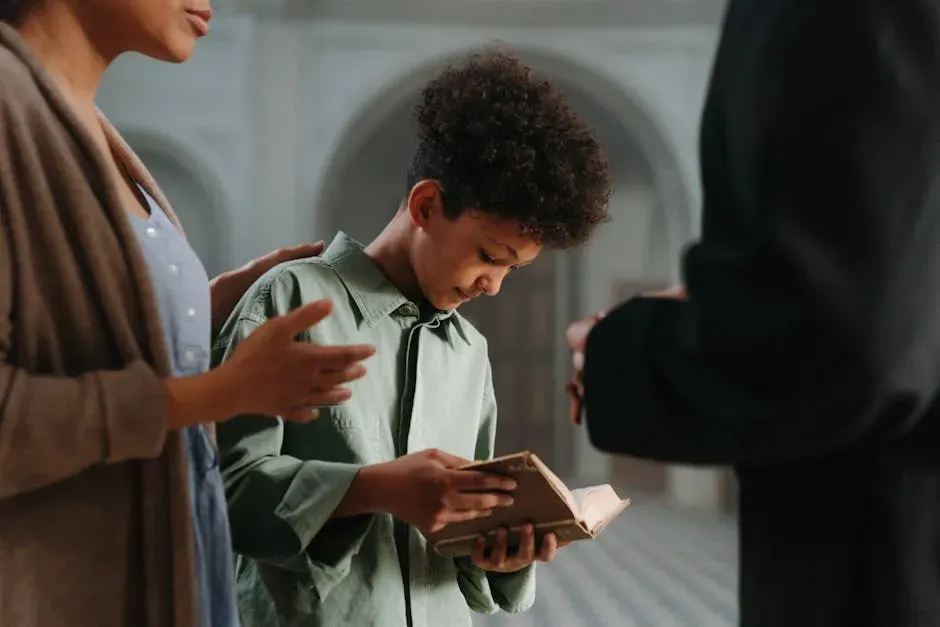
In many school systems, religious studies or ethics is a required component of the curriculum, regardless of a student’s own background or beliefs. For some students, the content genuinely resonated. For others, especially those from secular backgrounds or those with strong views of their own, sitting through the subject felt like a particular kind of patience exercise. Engaging visibly was just easier than the alternative.
The most common reasons students provided for disliking school were “schoolwork” and “teachers,” with most students who dislike school reporting that they most commonly get in trouble for not following instructions and not doing work. Subjects perceived as demanding compliance rather than curiosity tended to generate especially quiet but genuine resistance. Religious studies often landed in that category, depending on how it was taught and how aligned it was with a student’s own worldview.
15. Health Class
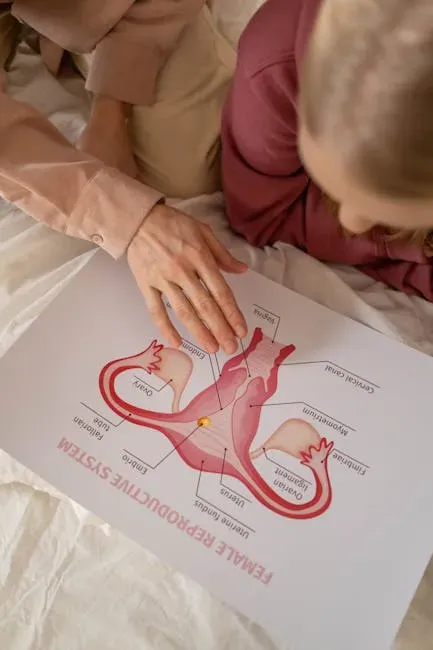
Health class occupies an almost uniquely awkward position in the school day. Covering topics from nutrition to reproductive health to drug awareness, it touches on things that are genuinely important but are also delivered in a context specifically designed to produce discomfort. Students sat through it with studied neutrality, maintaining expressions of polite engagement while privately finding it either tedious, embarrassing, or both.
The delivery method matters enormously in health education. Dislike isn’t just about personal taste; it’s a mix of curriculum design, the way content is organized and delivered, perceived difficulty, and relevance to everyday life. When a topic feels abstract, overly fast-paced, or disconnected from real-world applications, students quickly lose motivation. Health class often tried to be relevant but landed in a register that felt more like a warning lecture than actual education.
16. Economics

Economics in high school tends to present itself as an applied, practical subject, but the experience of sitting through supply and demand curves, GDP calculations, and fiscal policy explanations often left students wondering when any of it would feel real. The gap between economic theory and anything resembling a student’s actual financial life was, for many, too wide to bridge with textbook diagrams alone.
Research reveals that knowledge transfer, the ability to apply what you’ve learned in new situations, doesn’t happen automatically. In practice, this means students can ace an exam or recite a theory while remaining mystified about why that knowledge matters. Economics was a textbook example of that problem. Students could memorize the price elasticity formula without ever feeling that the subject had anything to do with them. They performed interest. The interest wasn’t always there.
17. Computer Studies (Typing and Basic IT)
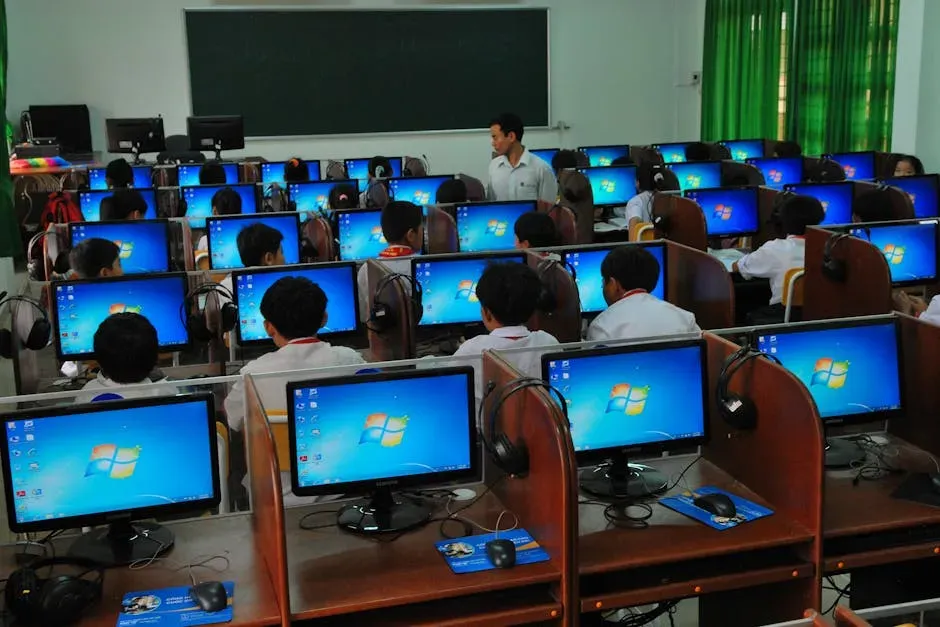
In an era when students carry capable computers in their pockets and have been navigating digital environments since before they could read, mandatory computer studies classes covering basic typing, spreadsheet formatting, and web safety felt conspicuously outdated to many. Students who were already comfortable online found the pace slow, and the material rarely touched anything they actually used.
In a 2020 United States survey, three quarters of students reported negative feelings about school. The survey results pointed to common feelings of tiredness, stress, and boredom. Boredom was particularly acute in subjects where students felt the material was beneath what they already knew. Computer studies, at least in its most basic iteration, generated exactly that response. Students dutifully completed the typing drills and filed out looking agreeable, even if the internal verdict was something else entirely.
The subjects on this list aren’t uniformly bad, and many are genuinely important. The pattern isn’t that these subjects fail students, but that the version of them delivered in classrooms frequently fails to connect. Making learning genuinely useful by deliberately connecting academic content to real-world applications is the key shift needed. When education transforms from something students endure to something they value, everyone wins. Until that connection is made more consistently, the polite nod in class will continue to mean something very different from genuine enthusiasm.
Partner offer
Planning a trip to Vegas?
Compare hotel rates and show tickets on VEGAS.com.