Writers hold grudges, and some of them have the craft to do something with it. A slight at a dinner party, a rude neighbor, or a friend who stopped returning letters can all end up on the page with the name barely changed.
The six characters below are some of the best known examples. In several cases, the real story behind the character is a little less noble than the book’s reputation suggests.
Auric Goldfinger, the Architect Next Door
Ian Fleming borrowed his villain’s name from Ernő Goldfinger, a Hungarian born modernist architect. Goldfinger had built a terrace of modern houses on Willow Road in Hampstead, where Fleming had ties. Fleming reportedly loathed the style and what it did to the neighborhood.
When the novel appeared in 1959, Goldfinger took offense and threatened a libel action. The matter was settled, with the publisher reportedly agreeing to pay costs and supply the architect with copies of the book. Fleming is also said to have suggested renaming the villain with a far ruder word, though that detail comes down as anecdote.
Robert Cohn, Hemingway’s Punching Bag
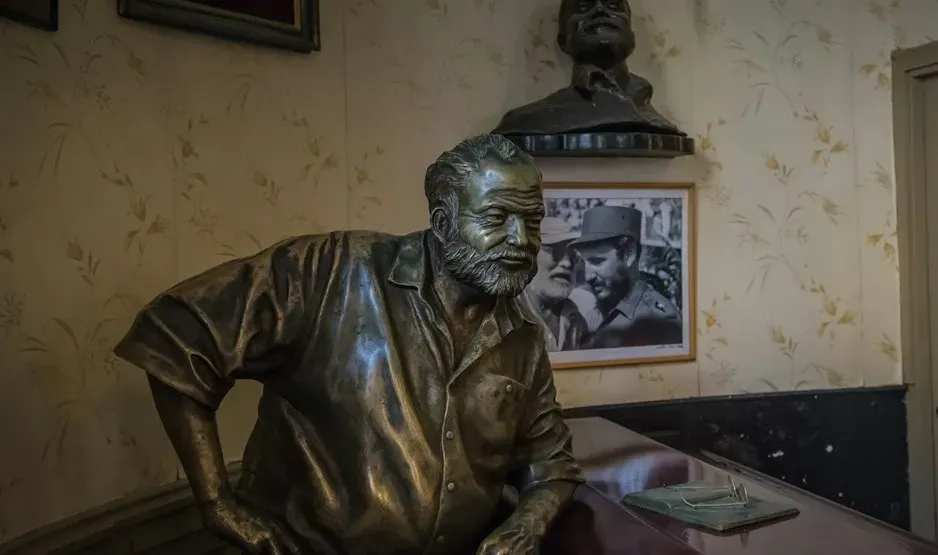
Robert Cohn is the awkward outsider in The Sun Also Rises. He was drawn from Harold Loeb, a writer and magazine editor who traveled to Pamplona with Hemingway’s circle in 1925. Loeb had been involved with Duff Twysden, the real woman behind Lady Brett Ashley.
Hemingway took a dim view of Loeb’s place in that group, and the novel gave him a way to settle the score. Cohn is shown as self pitying, clingy, and a little ridiculous. Loeb recognized himself right away, and the portrayal reportedly stung him for years.
Buck Mulligan, the Friend Who Wore Out His Welcome

The opening figure of Ulysses, Buck Mulligan, was modeled on Oliver St John Gogarty, a doctor, wit, and poet in Dublin. In September 1904, Joyce stayed with him in a Martello tower at Sandycove. The arrangement ended abruptly after another guest fired a revolver in the night, and Joyce left.
Joyce’s resentment seems to have simmered from there. Mulligan is mocking, lazy, and quietly condescending toward the young artist at the center of the scene. Gogarty never forgot being immortalized that way, though he gave as good as he got in his own memoirs.
Falstaff, Who Started Out With a Different Name

Falstaff is one of Shakespeare’s great comic creations, yet in early versions of Henry IV he went by Sir John Oldcastle. The real Oldcastle was a Lollard figure executed in 1417. His name was also tied to the Cobham family, whose descendants held real influence in Elizabethan England.
The family reportedly objected to seeing their ancestor’s name attached to a drunken, cowardly knight. Shakespeare changed the name to Falstaff. In the epilogue to Henry IV Part Two, he even added a line distancing the character from Oldcastle, a small act of damage control for a very touchy audience.
Filippo Argenti, Dante’s Personal Score Settling
In Canto Eight of Dante’s Inferno, the poet meets Filippo Argenti, a furious soul sunk in the marsh of the river Styx. Argenti was a real Florentine, and he belonged to the political faction that opposed Dante. After Dante was exiled from Florence in 1302, he never returned.
Tradition holds that Argenti’s family benefited from Dante’s confiscated property, which would make the scene personal as well as political. Dante’s guide Virgil approves as the sinner is attacked, which is a rare moment of open satisfaction in a poem that is otherwise solemn. It remains one of the most famous grudges in literature.
Harold Skimpole, a Friend Turned Caricature
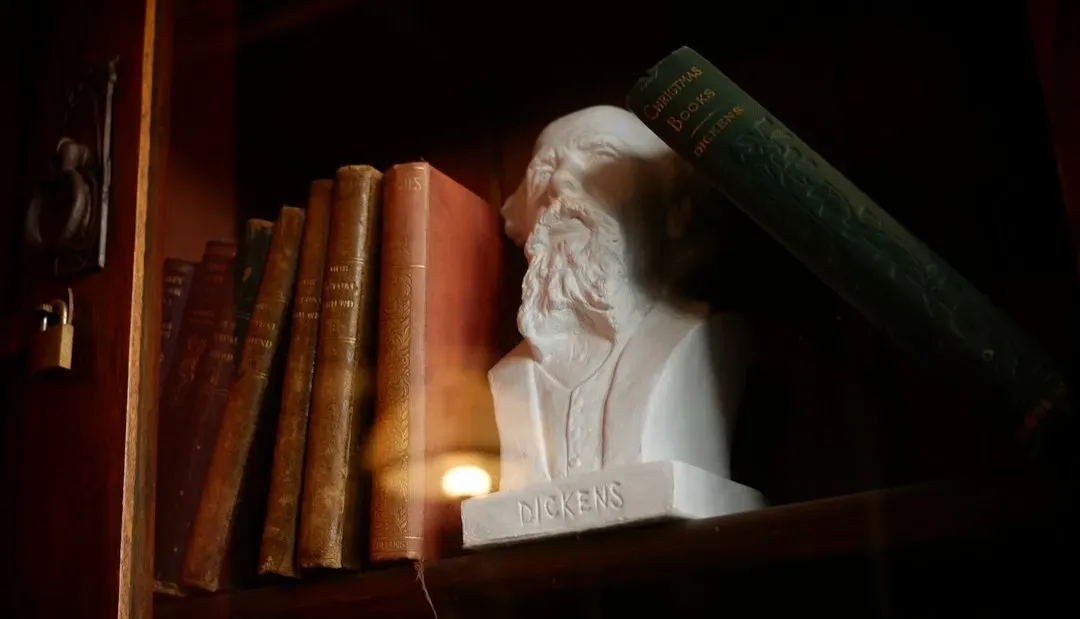
In Bleak House, Harold Skimpole is the charming, childlike houseguest who never pays for anything. Charles Dickens drew him from Leigh Hunt, the essayist and poet, who had been a friend and fellow member of London’s literary world. Contemporaries spotted the likeness quickly, and Hunt was hurt by it.
This one was less a feud than a sharp betrayal of a friendship through fiction. Dickens later said he had not meant to wound Hunt and regretted the pain. Even so, the portrait stuck, and Skimpole’s cheerful sponging is still how many readers imagine Hunt.