Dogs can’t tell us when something feels wrong. They show us through posture, habits and the occasional chewed-up shoe. Around 20 to 25 percent of dogs show fearfulness of new people, dogs, and situations, so this is far from rare.
Many of the signs are easy to misread as stubbornness or boredom. Knowing what vets look for can help you tell the difference.
Panting, Pacing and Restlessness
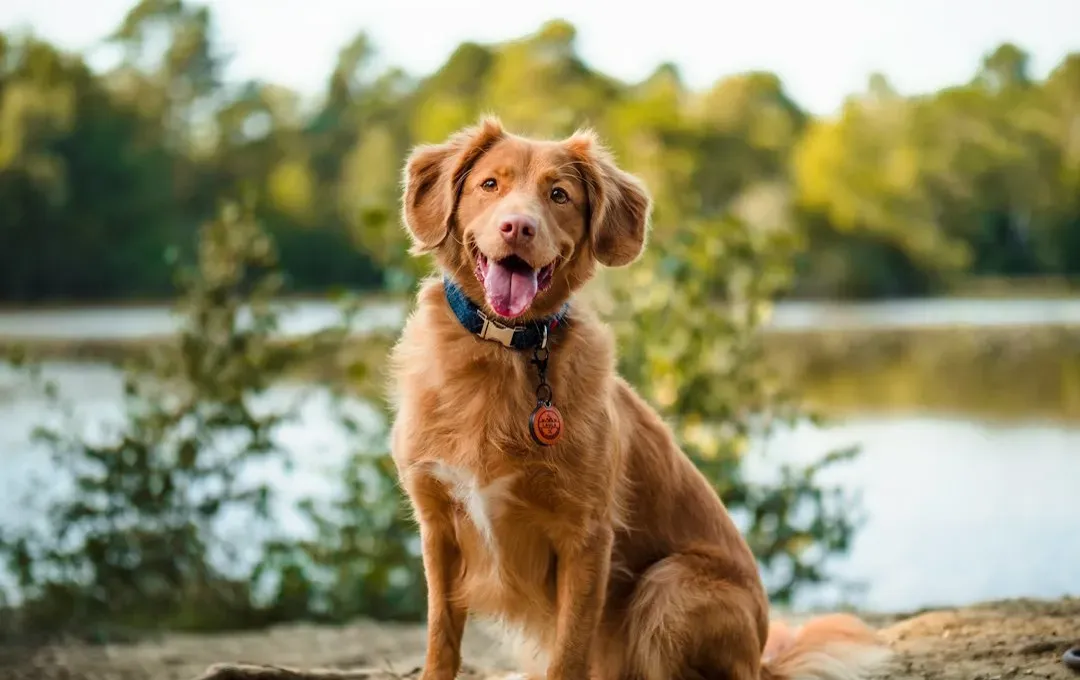
Panting when it isn’t hot and your dog hasn’t exercised is a classic clue. Panting, shaking, drooling, or being unable to settle in a safe environment can point to anxiety. A dog that walks laps around the living room may be doing the same thing.
Vets generally look at context. A dog who paces before a walk is probably excited. A dog who paces during a thunderstorm, or for no clear reason, is more likely uneasy.
Trembling and Other Body Language Cues
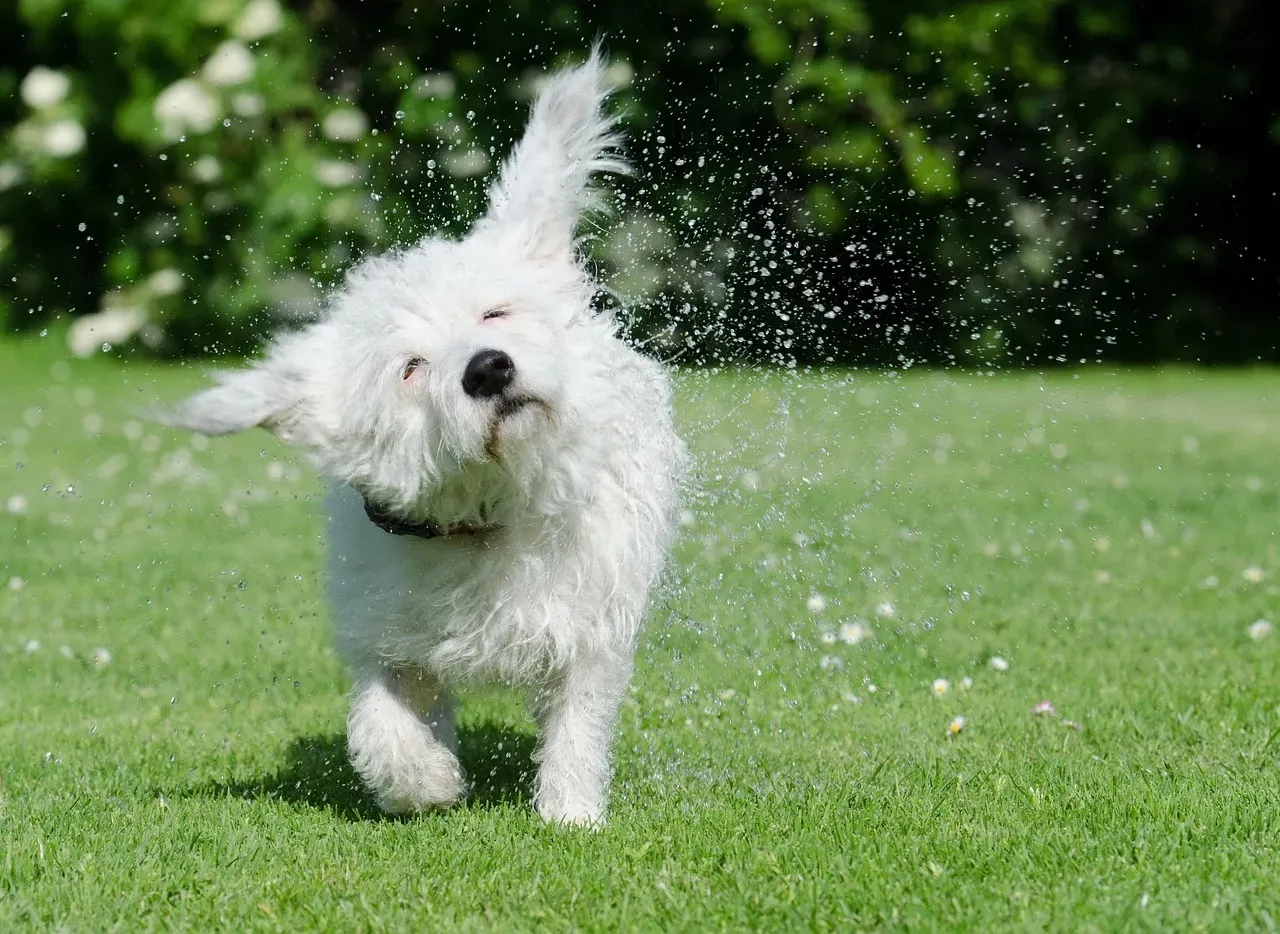
Dogs communicate through their bodies before problems become obvious. Anxiety often shows in body language before it turns into obvious behavior. Fearful dogs may shake or tremble during stressful situations such as storms, fireworks, or travel.
Subtler cues count too. Some dogs yawn or scratch when stressed, not always because they’re tired or itchy. Watching for several signs together gives a better picture than any single one.
Excessive Barking, Whining or Howling
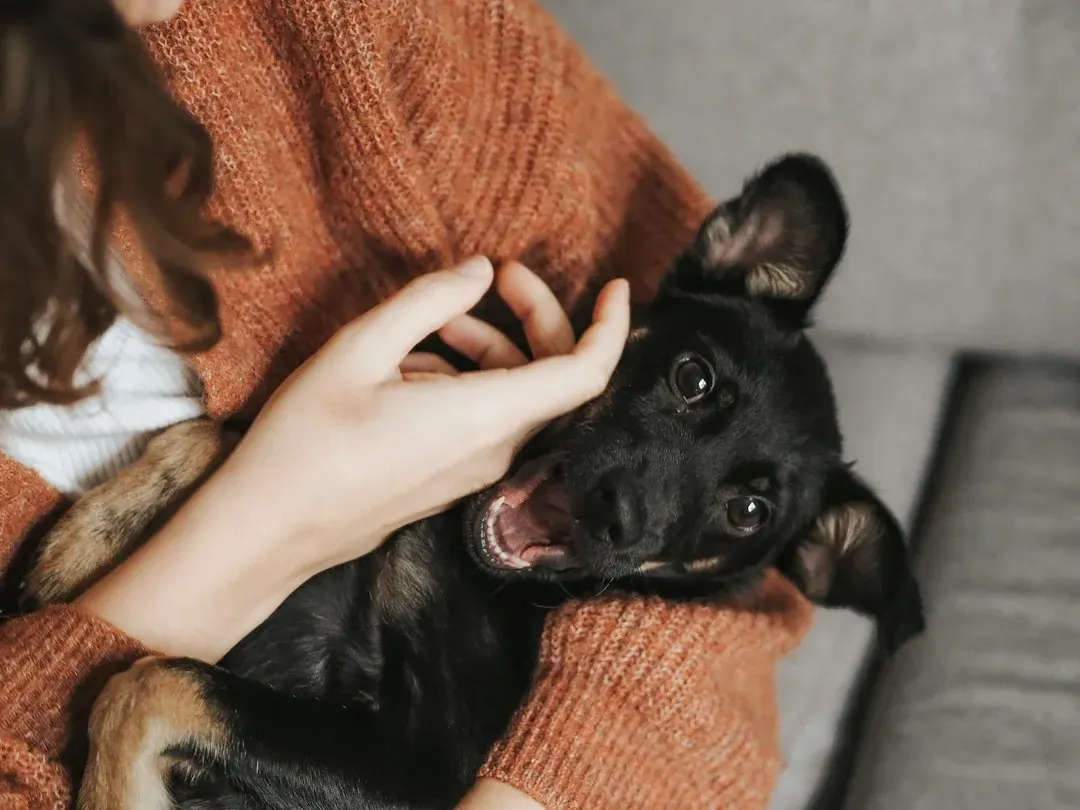
Some dogs are just chatty. Still, a sudden rise in noise can signal distress. Anxious dogs may bark, howl, whine, or cry excessively, and this is especially common with separation anxiety.
Pay attention to when it happens. If the noise starts when you pick up your keys or leave the house, the trigger is probably being alone rather than a passing sound outside.
Destructive Chewing and Escape Attempts

Wrecked cushions and scratched doors are frustrating. They aren’t always bad behavior, though. Chewing furniture, scratching at doors, digging, or damaging belongings can sometimes be signs of anxiety rather than boredom.
This is especially telling when it happens while you’re out. Dogs with separation anxiety experience genuine panic when left alone, including excessive barking, destructive chewing, house soiling, or escape attempts. Punishing it usually doesn’t help, since the dog is acting out of fear.
Accidents in the House
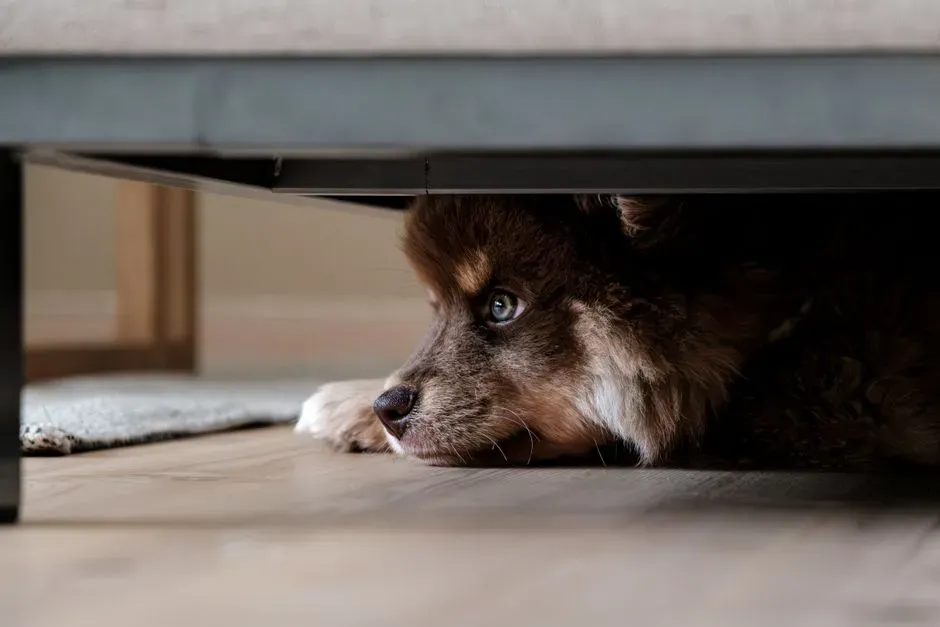
A reliably house-trained dog who suddenly starts having accidents deserves a closer look. Anxious dogs may urinate inside, which is common in dogs with separation anxiety.
Medical problems can look similar, so a vet visit is a sensible first step. Dog anxiety can also be caused by medical conditions including pain and underlying disease. Your vet can sort out which one is behind it.
Changes in Appetite or Clinginess
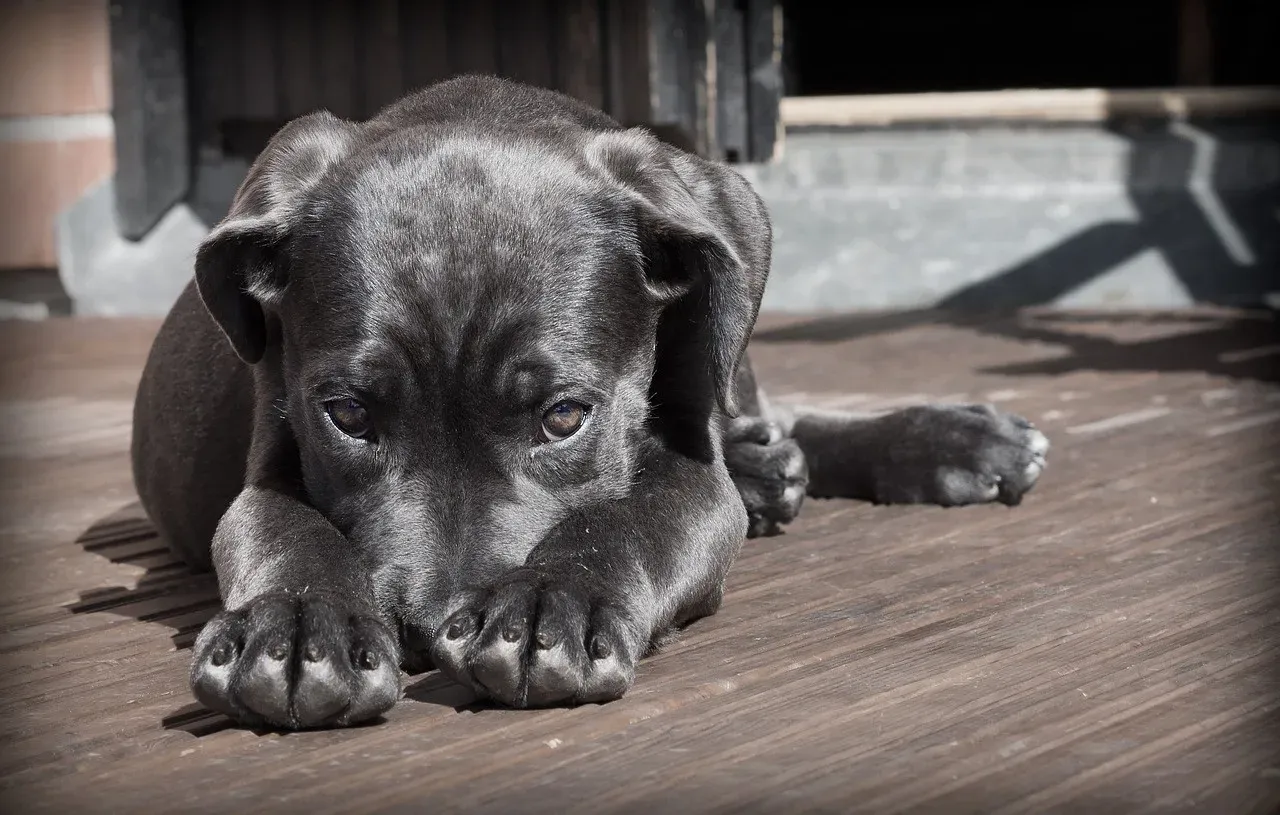
Food habits can shift under stress. Some anxious dogs lose interest in food, while others may eat excessively. Either direction is worth noting if it’s new for your dog.
Behavior toward you can change as well. Dogs experiencing anxiety often seek reassurance from their owners and may become unusually clingy. Dogs showing frequent anxious behavior should see their veterinarian as soon as possible. Almost all anxious dogs benefit from positive reinforcement training and a more predictable routine.