Every era has its untouchable records, the ones critics rush to praise with five-star reviews and words like “instant classic.” Then time passes, tastes shift, and the same albums that once earned rapturous applause start collecting eye rolls instead. It’s a strange thing to watch happen in real time or read about decades later: the gap between what a record was supposed to mean and what it actually turned out to be.
What follows are seven albums that once sat at the top of the critical mountain, celebrated as landmark achievements, only to slide into a kind of quiet embarrassment. These aren’t obscure flops. They were huge, praised, and in some cases award-winning. Yet ask around today and you’ll struggle to find anyone willing to call them classics with a straight face.
1. Oasis – Be Here Now (1997)
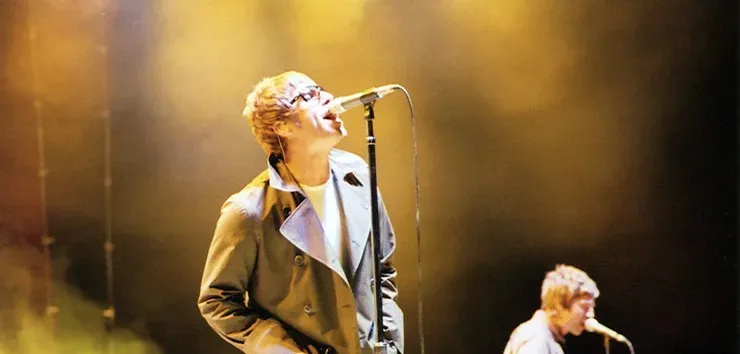
When Oasis released their third album in the summer of 1997, the reception bordered on hysteria. Q magazine handed it a rare five-star review, and critics across the UK music press fell over themselves to declare it a triumph before most had even had time to sit with the whole thing. The normally tight-fisted Q magazine awarded it a very rare five stars. The album sold enormous numbers in its first week, riding the wave of anticipation left by “(What’s the Story) Morning Glory?”
The reversal that followed was almost as dramatic as the initial praise. Pitchfork sized up the record retrospectively as “bloated and indulgent,” and even Oasis’ beloved admirers over at Q Magazine failed to stand behind their initial five star review nineteen years later. Writers who once gave it glowing marks later admitted they barely recognized their own enthusiasm. In a Guardian piece, journalist Dorian Lynskey spoke to people who gave the record glowing reviews at the time but who now can barely recognize themselves in their critiques. What was once hailed as a bold statement is now mostly remembered as a cautionary tale about cocaine, ego, and nine-minute songs that didn’t need to be that long.
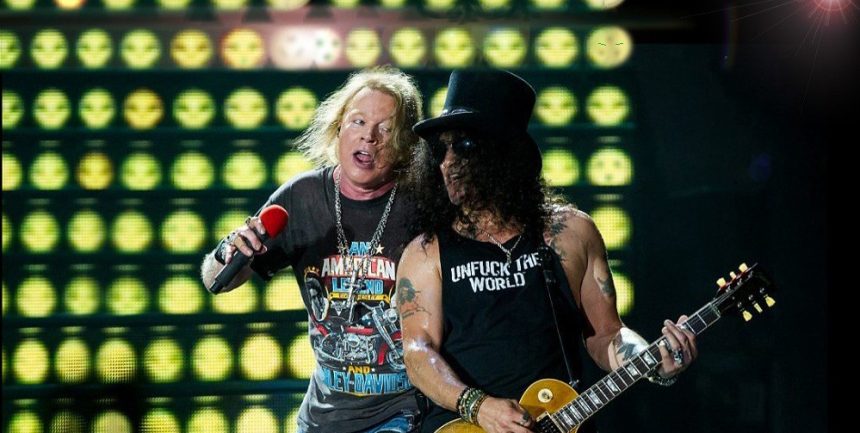
2. Guns N’ Roses – Use Your Illusion I & II (1991)
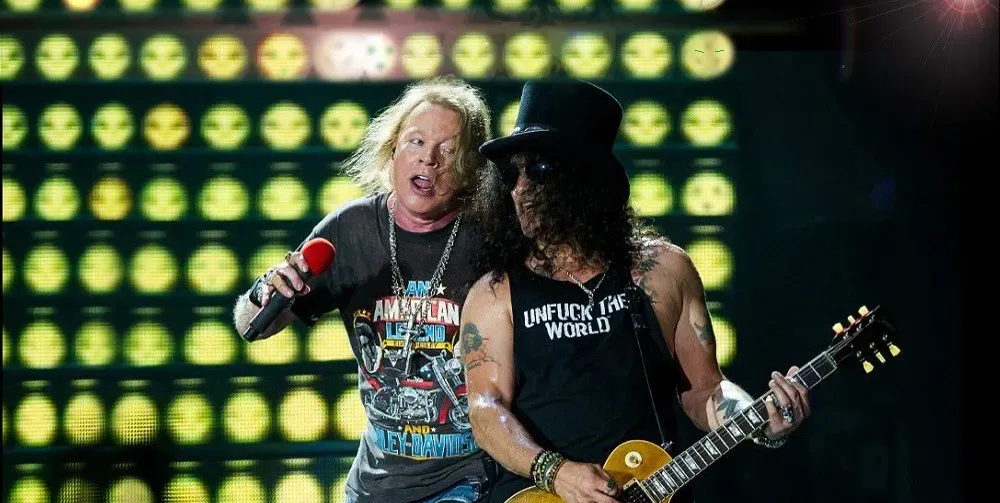
Releasing two albums on the same day was audacious enough, but Guns N’ Roses did it at the peak of their fame, and the music press treated “Use Your Illusion I” and “II” as the arrival of a hard rock White Album. Slash himself compared the twin releases to the Beatles’ sprawling double record, though he added the caveat that it was “maybe not as good.” Slash would later liken Use Your Illusion I and II to the Beatles’ White Album, though “maybe not as good,” a titanic mix of gritty ragers, passionate rock-opera ballads and decadent screeds. At the time, the ambition alone was enough to earn near-universal acclaim.
Looking back, even the band’s own guitarist wasn’t shy about naming the problem. Slash called the tracks “thirty-five of the most self-indulgent Guns N’ Roses songs” the band ever made. Modern reassessments tend to focus less on the grandeur and more on the bloat, with reviewers describing the pair as frustratingly brilliant, flawed, sprawling, grandiose, self-indulgent, and indecisive. Fans who once treated these records as gospel now tend to admit, often sheepishly, that half of each disc is filler dressed up as ambition.
3. Hootie & the Blowfish – Cracked Rear View (1994)
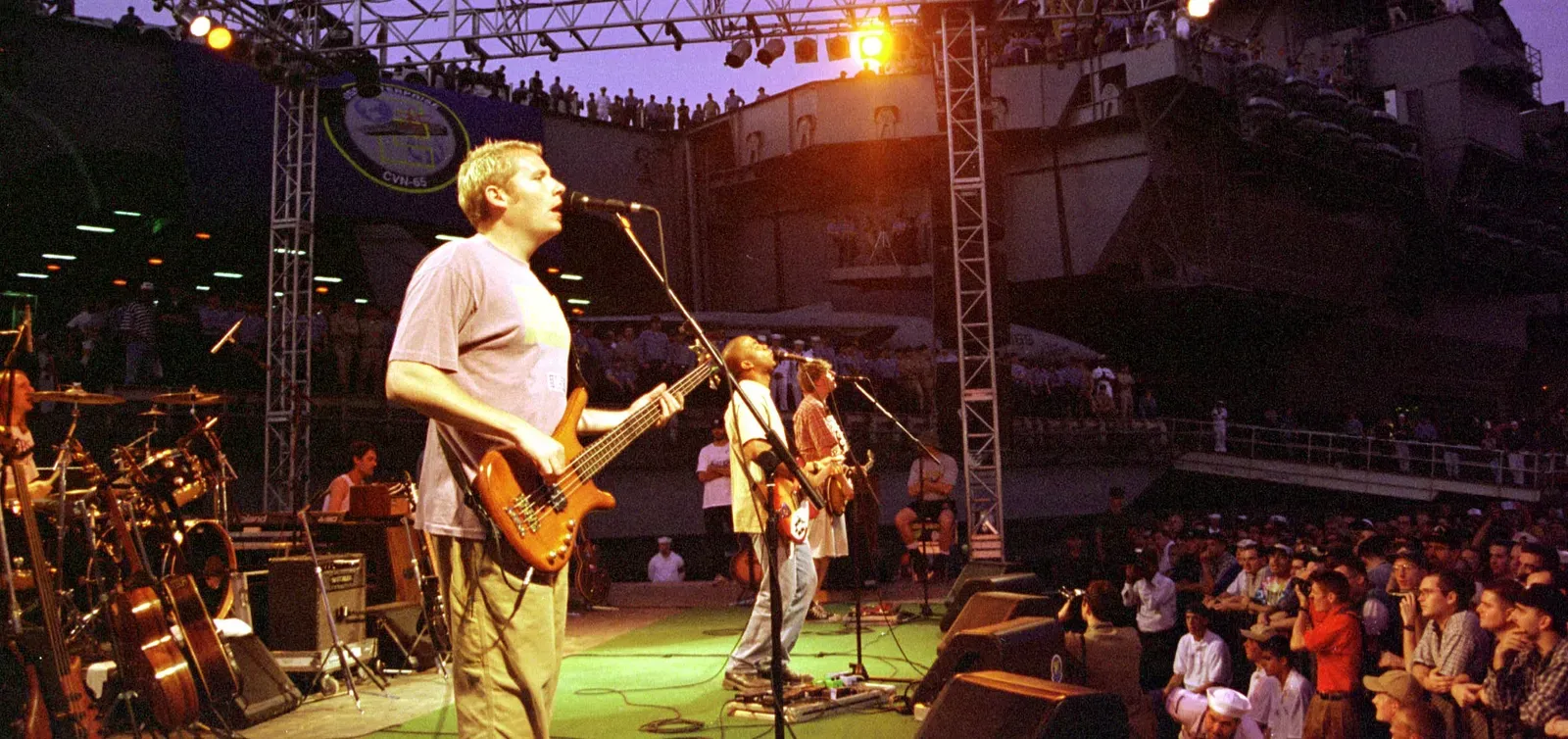
It’s easy to forget just how enormous this record was. “Cracked Rear View” became one of the best-selling debut albums in American history, won the band a Best New Artist Grammy, and shared awards stages with the biggest names in music that year. Despite being four of the most regular guys to make one of the 20 best-selling albums of all time with 1994’s Cracked Rear View, which has shipped 21 million copies worldwide, their popularity is viewed as somewhat of a fad from the era between grunge and teen pop. Critics at the time praised its warmth and directness as a welcome counterpoint to grunge’s gloom.
The backlash arrived almost as quickly as the success did. The album sold over twenty million copies, yet with massive success came significant backlash. Today the record is remembered less as a musical achievement and more as a punchline about mid-90s excess, the kind of album people mention to signal a certain unglamorous nostalgia rather than genuine admiration. Even sympathetic retrospectives concede it was never quite the masterpiece its sales figures implied, closer to a comfortable, unchallenging hit than a genre-defining statement.
4. Puff Daddy & The Family – No Way Out (1997)

Released in the shadow of Notorious B.I.G.’s death, “No Way Out” was treated at the time as both a commercial triumph and an artistic vindication for Sean Combs. It went on to win the Grammy for Best Rap Album, and singles like “I’ll Be Missing You” dominated radio for months on end. Critics praised its polish and its emotional weight, framing Combs as a serious producer-turned-artist rather than just a hitmaker riding his roster’s coattails.
Partner offer
The passage of time hasn’t been kind to that framing. Hip-hop critics and historians now tend to view the album as a triumph of sampling and marketing over genuine songwriting, an album built more on other people’s hooks than Combs’ own artistry. Where it once stood as proof of his creative range, it’s now more commonly cited as an early example of a producer leaning heavily on recognizable interpolations to manufacture instant familiarity.
5. Creed – Human Clay (1999)

“Human Clay” arrived at a moment when post-grunge was still commercially unstoppable, and critics initially treated Creed as heirs to the earnest, arena-sized rock that Pearl Jam had pioneered. The album shipped diamond numbers in the United States, and songs like “Higher” and “With Arms Wide Open” became inescapable on rock radio for years. At the time, plenty of mainstream outlets described the band as a legitimate continuation of grunge’s emotional intensity rather than a diluted copy of it.
That reputation didn’t survive the 2000s. Creed became one of the most mocked bands in modern rock history, regularly cited as the textbook example of post-grunge at its most derivative and self-serious. What critics once framed as heartfelt is now widely described as melodramatic, and Scott Stapp’s vocal delivery, once compared favorably to Eddie Vedder, is now more often used as a punchline than a compliment.
6. Limp Bizkit – Significant Other (1999)

Nu-metal’s commercial peak produced few bigger moments than “Significant Other,” which debuted at number one and earned Limp Bizkit a Grammy nomination. At the time, plenty of critics treated the album as proof that rap-rock could be both aggressive and genuinely catchy, praising the interplay between Fred Durst’s bratty delivery and Wes Borland’s inventive guitar work. It felt, for a moment, like the sound of where rock was headed next.
Nu-metal’s broader critical collapse in the following decade dragged this album down with it. Retrospective pieces on the genre routinely treat “Significant Other” as a symbol of everything that went wrong with late-90s rock: shallow provocation dressed up as edge, built for maximum radio impact rather than lasting substance. Even within nu-metal circles, it’s rarely mentioned with the same affection reserved for genuinely enduring records from the same scene.
7. The Stone Roses – Second Coming (1994)

Following a five-year gap after their beloved debut, The Stone Roses returned with an album that carried the weight of impossible expectations. Early reviews leaned favorable, treating the record’s heavier, more Led Zeppelin-influenced sound as a bold reinvention rather than a departure worth worrying about. Given how mythic the band’s debut had become in British music culture, critics seemed eager to grant the follow-up the benefit of the doubt.
That goodwill didn’t last. As the years passed, “Second Coming” came to be seen less as a reinvention and more as a bloated, unfocused record that squandered the goodwill built by one of Britpop’s most influential debuts. It’s rarely brought up in conversations about the band’s legacy anymore, except as a cautionary example of how long absences and internal dysfunction can hollow out even the most anticipated comeback.
What connects all seven of these records isn’t bad music exactly, though some of it has aged worse than others. It’s the gap between the moment and the memory, between what critics needed an album to be at the time and what it turned out to actually be once the noise died down. Hype is a powerful thing, and these seven albums are proof that it doesn’t always tell the truth, even when everyone agrees on it at first.
Partner offer
Planning a trip to Vegas?
Compare hotel rates and show tickets on VEGAS.com.