A famous book doesn’t have to be a long one. Some of the most discussed novels in the English speaking world can be finished in a single evening or a weekend afternoon.
Page counts shift from one edition to the next, so the lengths below are approximate and based on typical paperback editions. Count how many you’ve already read, and see which ones are still waiting on your shelf.
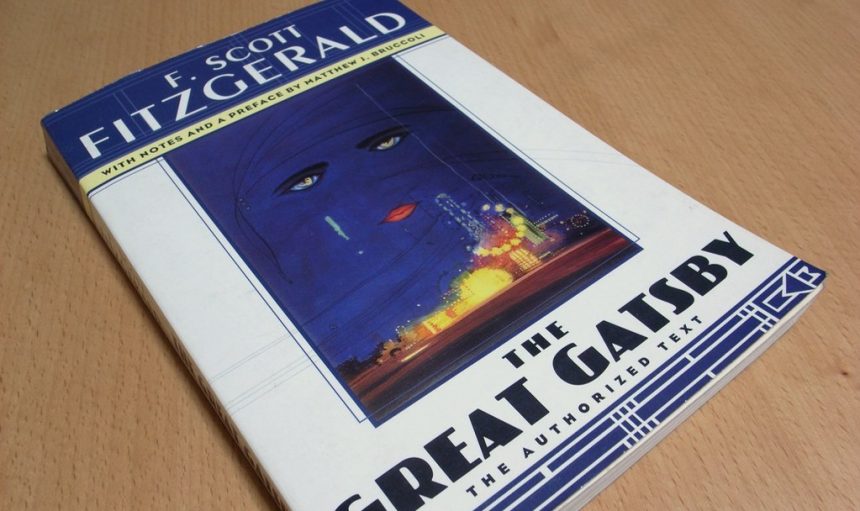
The Great Gatsby by F. Scott Fitzgerald
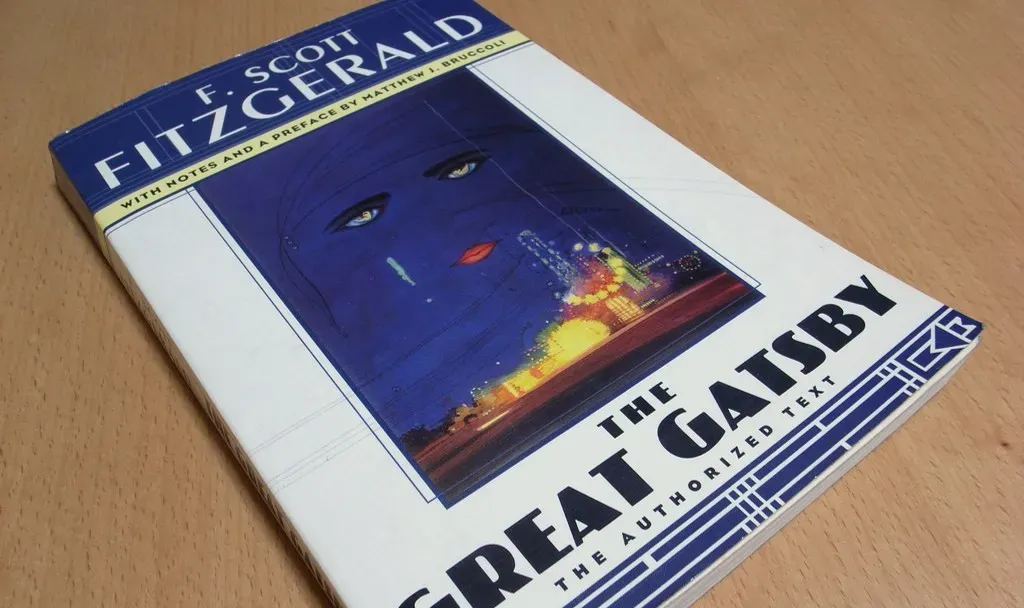
Published in 1925, this novel follows Nick Carraway as he watches his mysterious neighbor Jay Gatsby chase a lost love in Jazz Age Long Island. Most editions run to roughly 180 pages, which makes it one of the quickest routes into American literature.
It sold modestly during Fitzgerald’s lifetime and only found its huge reputation later. Today it’s a staple of school reading lists, and its themes of wealth, longing, and self reinvention still feel familiar.
Of Mice and Men by John Steinbeck
Steinbeck’s 1937 novella tells the story of two migrant farm workers, George and Lennie, who dream of owning a small piece of land during the Great Depression. Many editions come in at around 100 to 110 pages.
The book is short, plainly written, and emotionally heavy. Steinbeck received the Nobel Prize in Literature in 1962, and this title remains one of his most widely taught works.
Animal Farm by George Orwell
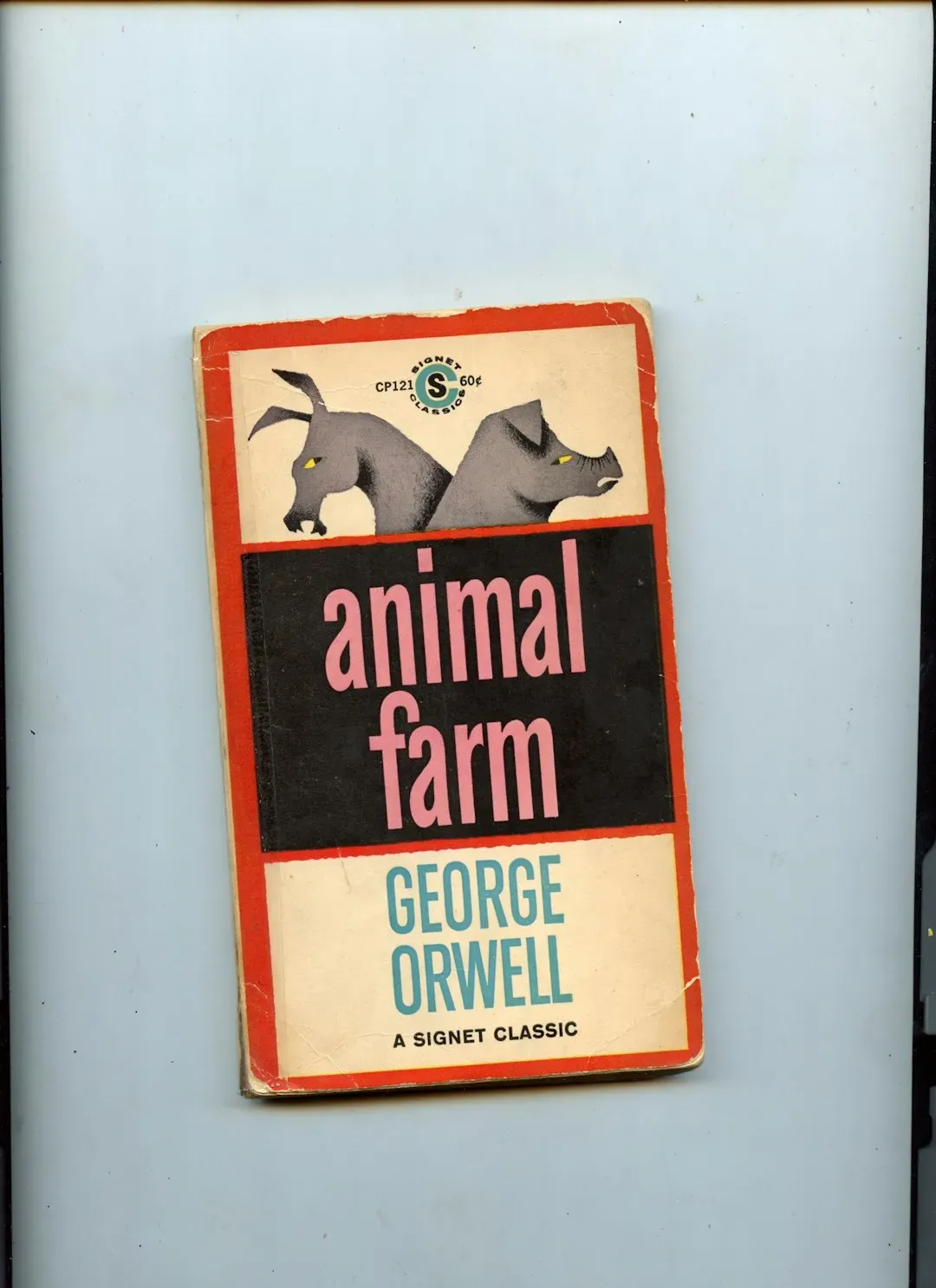
Orwell’s fable appeared in 1945 and uses a revolt of farm animals to satirize the rise of Soviet communism under Stalin. Standard editions are about 110 to 140 pages.
Its simple surface makes it easy for younger readers to start with. Yet the story about power, propaganda, and broken promises keeps getting rediscovered by new generations.
The Old Man and the Sea by Ernest Hemingway

This 1952 novella follows Santiago, an aging Cuban fisherman, through a long struggle with an enormous marlin far out in the Gulf Stream. It usually runs to about 120 to 130 pages.
The book won the Pulitzer Prize for Fiction in 1953. Hemingway then received the Nobel Prize in Literature in 1954, and the citation specifically mentioned his mastery of narrative art, as shown in this work.
Heart of Darkness by Joseph Conrad
Conrad’s story first appeared in serial form in 1899. It follows Marlow’s river journey into the Congo in search of the ivory trader Kurtz, and most editions are under 100 pages.
It’s dense and atmospheric, and it has been debated for decades. Critics such as Chinua Achebe challenged its portrayal of Africa, so it’s often read alongside that criticism.
The Metamorphosis by Franz Kafka
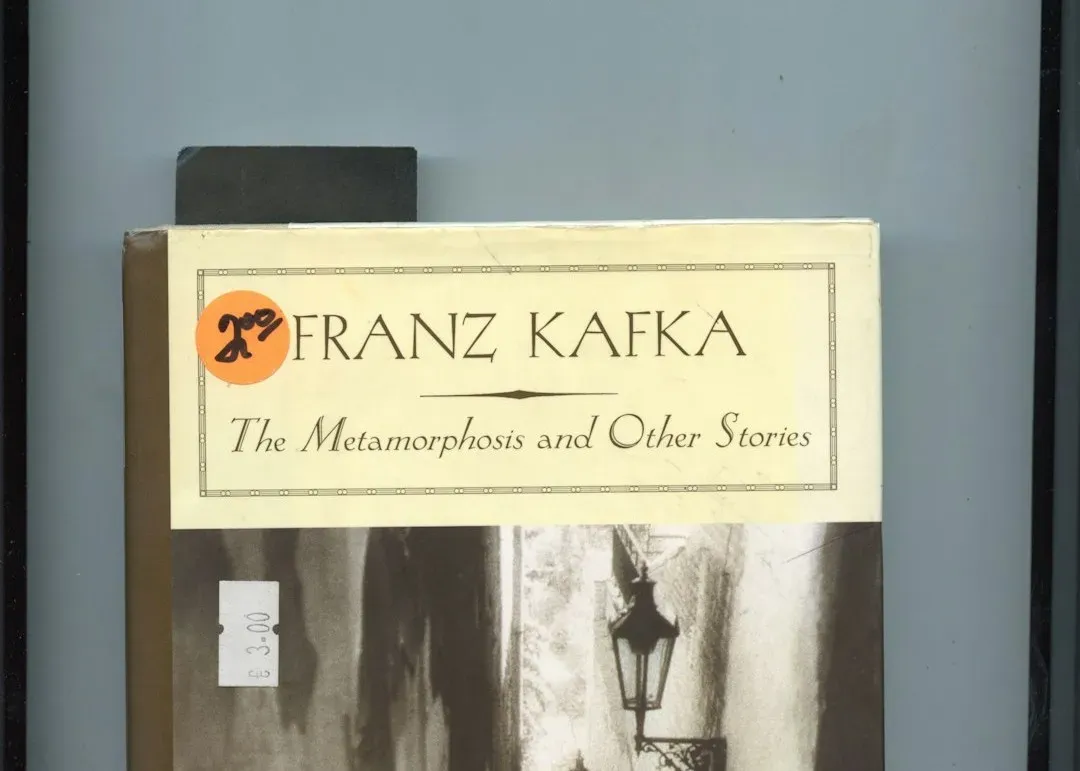
Kafka’s 1915 story opens with salesman Gregor Samsa waking up transformed into a giant insect. At only around 55 to 80 pages in most editions, it’s among the shortest entries here.
The strangeness is never explained, and that’s the point. The word Kafkaesque grew out of his writing, and it still describes bewildering, oppressive systems.
The Stranger by Albert Camus
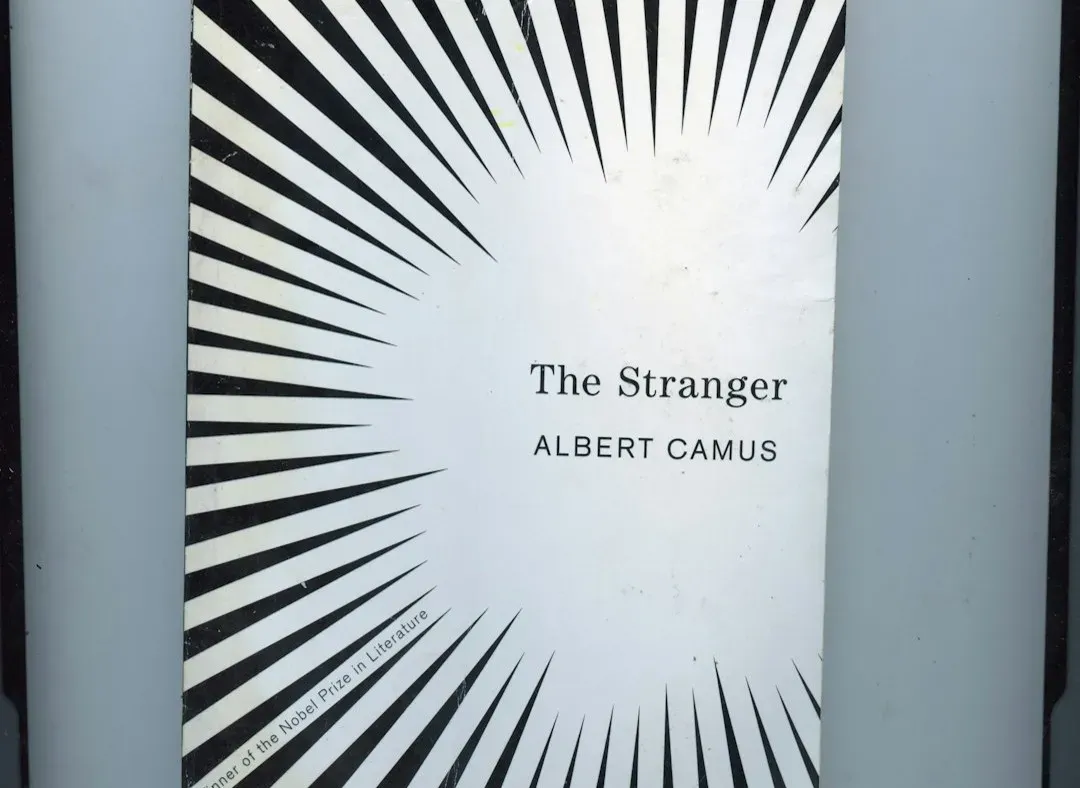
Published in French in 1942, this novel is narrated by Meursault, an emotionally detached man in French Algeria who is put on trial after a killing. Most editions have about 120 to 130 pages.
It’s closely tied to the philosophy of the absurd. Camus won the Nobel Prize in Literature in 1957, and this book remains the work most readers meet first.
Siddhartha by Hermann Hesse

Hesse’s 1922 novel imagines a young man in ancient India searching for spiritual understanding, separate from the historical Buddha. Many editions are around 120 to 150 pages.
The prose is spare and almost meditative. Hesse received the Nobel Prize in Literature in 1946, and the book gained a huge new audience among readers in the 1960s.
A Christmas Carol by Charles Dickens

Dickens published this story in December 1843, and the first edition sold out within days. It’s about Ebenezer Scrooge, who is visited by ghosts on Christmas Eve, and most editions run to around 100 pages.
It’s seasonal reading for many people, though its concern with poverty and social responsibility isn’t limited to December. If you only know the film versions, the original is a quick and rewarding read.
Strange Case of Dr Jekyll and Mr Hyde by Robert Louis Stevenson

Stevenson’s 1886 novella follows a London lawyer investigating the link between the respectable Dr Jekyll and the violent Mr Hyde. It’s usually under 100 pages.
The story gave English a lasting shorthand for a split personality. Reading it, you may notice that it’s structured more like a mystery than the popular adaptations suggest.
Ethan Frome by Edith Wharton

Wharton’s 1911 novel is set in a bleak Massachusetts winter and centers on a farmer caught between duty to his wife and love for another woman. It’s brief, typically around 100 pages.
The story is told through a narrator who pieces together what happened, which gives it a quiet, distant tone. Wharton was the first woman to win the Pulitzer Prize for Fiction, though that honor came for The Age of Innocence in 1921 rather than for this book.