Some novels announce themselves before the first page is over. A single sentence can set the tone, introduce a narrator, or hint at the whole story. Plenty of readers who haven’t touched a book in years can still describe an opening line.
This gallery works like a quiz. Each entry describes the opening of a well known novel in plain words, with room to guess before you read on. The author, the publication context, and a few verifiable details follow.
Opening Line One: A Truth About Wealthy Bachelors
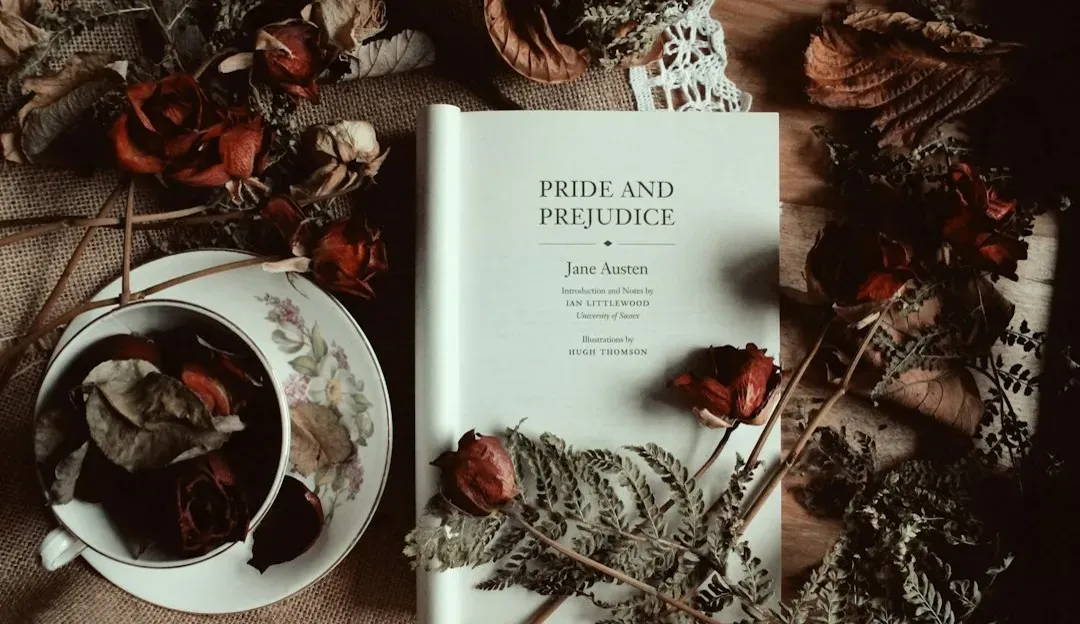
This novel opens with a wry claim that any single man with a good fortune must be looking for a wife. It’s delivered as if it were settled fact, and the irony is immediate. The sentence sets up a story about marriage, money, and misjudged first impressions.
The author is Jane Austen, and the book is Pride and Prejudice, published in 1813. Austen published it anonymously, as she did her other novels in her lifetime. Over two centuries later, it remains one of the most widely read novels in English.
Opening Line Two: A Request About a Name

Here, a narrator simply asks the reader to call him by a certain name. There’s no grand scene and no weather report, only a casual invitation to get acquainted. It’s among the most recognizable short openings in American fiction.
The narrator is Ishmael, and the author is Herman Melville. Moby Dick appeared in 1851 and was not a commercial success at first. Its reputation grew in the twentieth century, when critics began treating it as a landmark of American literature.
Opening Line Three: Clocks That Strike Thirteen
A cold, bright April day begins in this novel, and then something is off. The clocks are striking thirteen. That small oddity tells you the world on the page doesn’t work quite like ours.
This is Nineteen Eighty-Four by George Orwell, published in 1949. Orwell was the pen name of Eric Blair. The novel gave English terms such as Big Brother and Orwellian, which are still common in political debate.
Opening Line Four: The Best and Worst of Times
This opening is built on contrasts. It sets the best against the worst, wisdom against foolishness, and belief against doubt. The balanced rhythm makes it easy to remember even if you’ve never read the book.
It belongs to A Tale of Two Cities by Charles Dickens, published in 1859. The story moves between London and Paris around the French Revolution. Dickens first released it in weekly installments, a format that shaped how he paced his plots.
Opening Line Five: Happy and Unhappy Families

This novel begins with an observation about families. Happy ones resemble each other, while every unhappy one is miserable in its own way. It’s a philosophical remark that quietly frames everything that follows.
The author is Leo Tolstoy, and the book is Anna Karenina. It was serialized in the 1870s and published as a complete book in 1878. Tolstoy’s plot follows a married woman’s affair alongside a second storyline about a landowner’s search for meaning.
Opening Line Six: A Firing Squad and a Block of Ice

Here, a man facing a firing squad thinks back to a distant afternoon. As a boy, his father took him to see ice for the first time. The sentence jumps across decades in a single breath.
That’s One Hundred Years of Solitude by Gabriel García Márquez, first published in Spanish in 1967. García Márquez received the Nobel Prize in Literature in 1982. The novel is closely tied to magical realism, the style that blends the supernatural with everyday life.
Opening Line Seven: A Dream of Manderley

In this opening, the narrator says she dreamed last night that she went back to a grand house called Manderley. It reads like a ghost story beginning, even though it’s about memory. The sense of longing is there from the first words.
The novel is Rebecca by Daphne du Maurier, published in 1938. Du Maurier was an English writer closely associated with Cornwall, where much of her fiction is set. Alfred Hitchcock adapted Rebecca for film in 1940, and the film won the Academy Award for Best Picture.
Opening Line Eight: Advice From a Father
The narrator recalls advice his father gave him when he was younger and more vulnerable. The advice is about not rushing to criticize others, since they may not have had the same advantages. It’s a gentle opening that turns out to matter a great deal later.
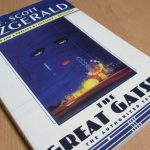
This is The Great Gatsby by F. Scott Fitzgerald, published in 1925. The narrator is Nick Carraway, who watches the story of Jay Gatsby unfold on Long Island. The book entered the public domain in the United States in 2021, which led to a wave of new editions and adaptations.
Opening Line Nine: Buying the Flowers Herself

A woman announces that she’ll go and buy the flowers herself. It sounds mundane, and that’s the point. The novel turns an ordinary errand into the start of a full day inside a character’s thoughts.
The book is Mrs Dalloway by Virginia Woolf, published in 1925. Woolf was a central figure of literary modernism, and this novel is a prime example of her stream of consciousness technique. The story takes place over a single day in London in June.
Answer Key
Here are the nine answers in order: Jane Austen for Pride and Prejudice, Herman Melville for Moby Dick, and George Orwell for Nineteen Eighty-Four. Next come Charles Dickens for A Tale of Two Cities, Leo Tolstoy for Anna Karenina, and Gabriel García Márquez for One Hundred Years of Solitude.
The last three are Daphne du Maurier for Rebecca, F. Scott Fitzgerald for The Great Gatsby, and Virginia Woolf for Mrs Dalloway. Publication dates run from 1813 to 1967, and each book remains in print and widely read.