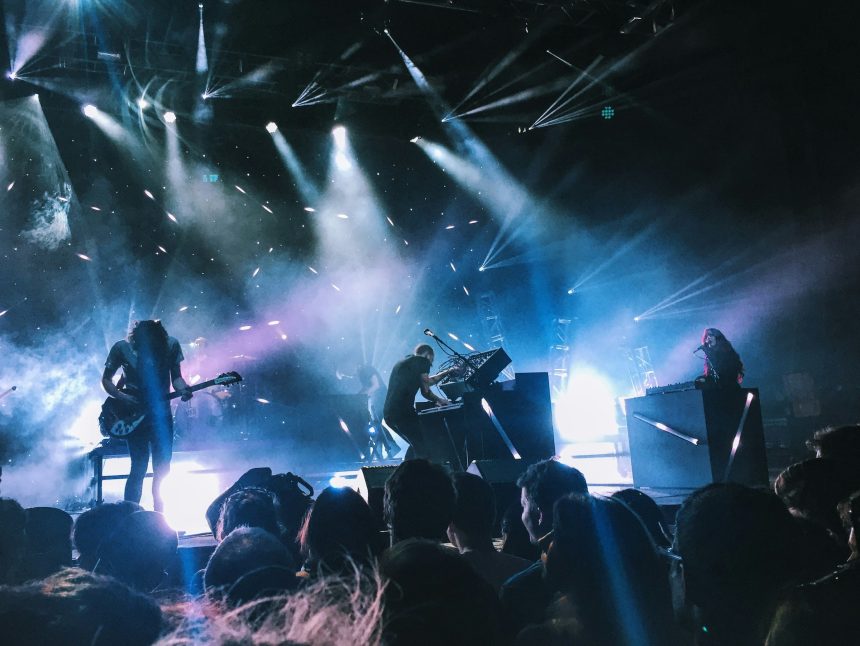
Most fans know the feeling of hearing a favorite song live and realizing it isn’t quite the record. Sometimes the tempo shifts, or a verse disappears, or the ending runs on for ten extra minutes. For certain bands, that’s the whole point of showing up.
The seven acts below treat the studio version as a starting point rather than a final answer. Each one reshapes its material on stage in a different way, from electronic reinvention to open ended improvisation.
Radiohead
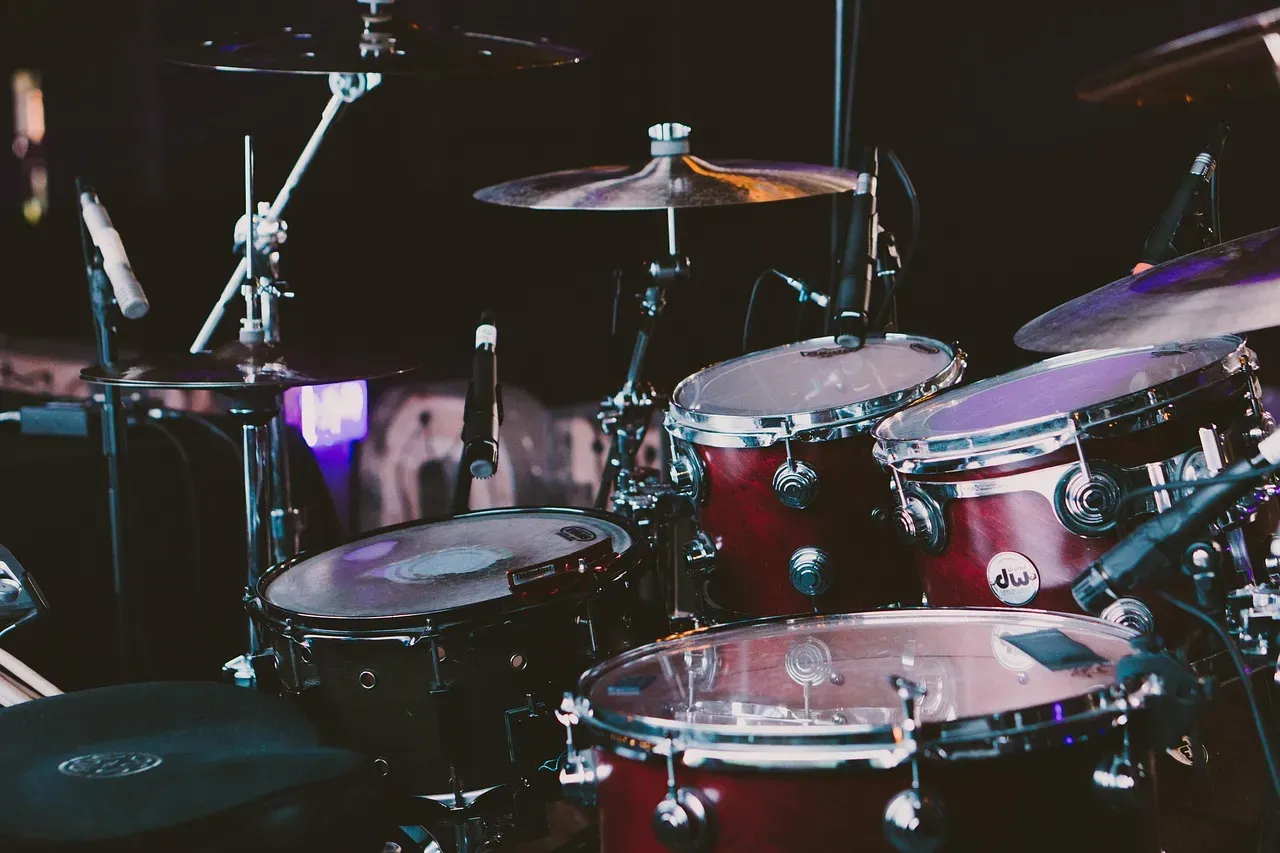
Radiohead’s studio work leans heavily on programming, loops and processed sound. On stage, the band tends to rebuild those tracks around live drums, guitars and synthesizers played by hand. A song like “Idioteque” feels very different when it’s driven by real percussion instead of a sequenced beat.
The band returned to arenas in late 2025 with a European run, its first full tour in several years. Reports from that tour noted that older songs were reworked rather than replayed note for note. That fits a long habit of treating their catalog as something that keeps changing.
Phish

Phish is probably the clearest example of a band that treats songs as frameworks. A composed tune such as “Tweezer” can stretch well past twenty minutes in concert, drifting into entirely new musical territory before it finds its way back. The band has built its reputation on this kind of improvisation for decades.
Setlists change from night to night, and the same title can sound completely different across two shows. Fans often trade and rank specific performances because of that. In 2024 the group also played a run of shows at the Sphere in Las Vegas, where the visuals were tied to the music as it unfolded.
Dead & Company
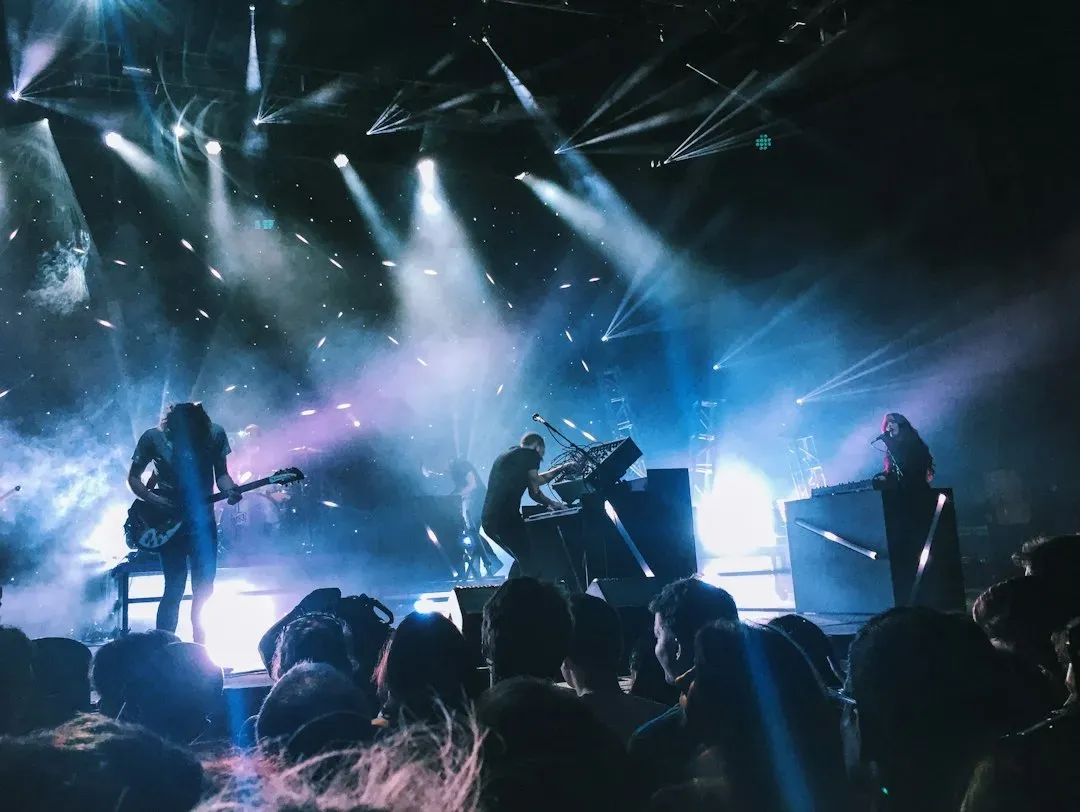
The band carries on the Grateful Dead tradition of loose, exploratory performance. Songs from the Dead catalog are used as launching points for long instrumental passages, with solos and rhythmic detours that change at every show. A tune can sound noticeably different from one night to the next.
In 2024 the group played a residency of around thirty shows at the Sphere in Las Vegas. Even with an elaborate visual setup, the music stayed flexible, and the band kept varying its setlists. For longtime followers, that unpredictability is the main draw.
Partner offer
Tame Impala
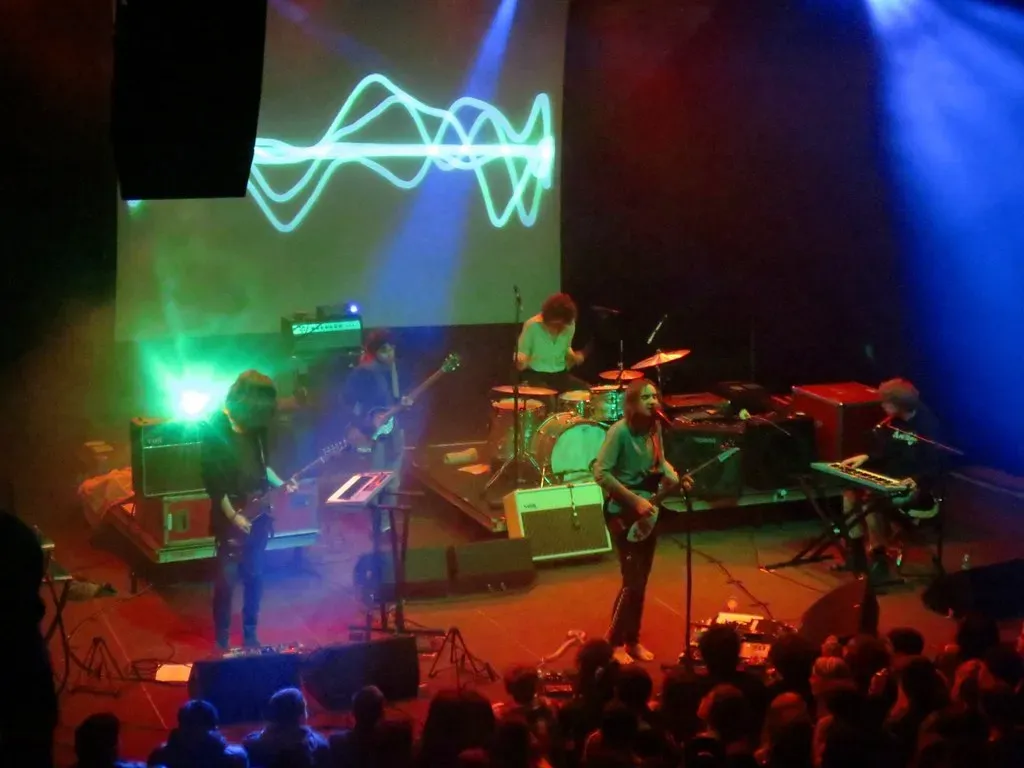
Kevin Parker records most Tame Impala music largely on his own, layering instruments in a studio. Taking those dense recordings on the road means rebuilding them for a full live band. Drums hit harder, guitar parts get stretched, and the synth textures are reshaped to fill big rooms.
Songs like “Let It Happen” often get extended transitions and longer instrumental sections live. The result is closer to a continuous psychedelic set than a string of separate tracks. Visuals and lighting are timed to these changes, which makes the show feel designed as one piece.
Nine Inch Nails

Trent Reznor started Nine Inch Nails as a studio project, and the live band has always had to translate that into something physical. Programmed layers are often replaced or reinforced by live drums, guitars and keyboards. Many songs come across noisier and more aggressive than their recorded forms.
Reznor and his longtime collaborator Atticus Ross have also reworked material for different tours, including the 2025 Peel It Back run. Arrangements shift with the stage setup and the mood of the set. Fans who know the albums well still tend to hear something unfamiliar in the details.
Khruangbin

The Houston trio makes mostly instrumental music built on groove, and that gives them a lot of freedom live. Songs from their records are often extended, with dub style breakdowns, new solos and sections where the rhythm section locks in for a long stretch. The studio version works more like a sketch of what the band can do in front of an audience.
They also link songs together so that the set plays almost like one continuous piece. Cover tunes and teases of other music sometimes slip in between their own tracks. A listener who only knows the albums may not recognize a number until the main melody arrives.
The Mars Volta

The Mars Volta built its reputation on dense, complicated progressive rock, and the live shows push that even further. Songs from albums like De-Loused in the Comatorium have been known to turn into extended improvisations, with guitar and keyboard sections that go well beyond the recorded length. A track that runs a few minutes on record can fill a much bigger slice of the night.
The band’s lineup of players with jazz and Latin influences adds to the unpredictability. Musical cues change on the fly, and the group follows them rather than sticking to a fixed script. That approach makes each performance a distinct version of the song.
Partner offer
Planning a trip to Vegas?
Compare hotel rates and show tickets on VEGAS.com.